A simple, inexpensive way to make carbon atoms bind together

The active ingredient in many drugs is what’s known as a small molecule: bigger than water, much smaller than an antibody and mainly made of carbon. It’s tough, however, to make these molecules if they require a quaternary carbon — a carbon atom bonded to four other carbon atoms. But now, Scripps Research scientists have uncovered a potential cost-effective way to produce these tricky motifs.
In the new findings, which were published in Science on April 5, 2024, Scripps Research chemists show that it’s possible to convert feedstock chemicals into quaternary carbons using a single, inexpensive iron catalyst. This method could benefit drug developers by making molecules cheaper and easier to produce at small and large scales.
“Quaternary carbons are ubiquitous across various areas of research — from drug discovery to material science,” says co-first author Nathan Dao, a PhD candidate at Scripps Research. “The synthesis of quaternary carbons, however, is a long-standing challenge in the field of organic chemistry, typically requiring numerous steps and relying on harsh conditions or less accessible starting materials.”
In addition to Dao, the study’s co-first authors included Xu-Cheng Gan and Benxiang Zhang.
Catalysts are substances used to speed up the rate of a chemical reaction. Sometimes, several different catalysts are necessary to promote a certain reaction and obtain the desired result: a veritable ‘reaction soup’. But catalysts can be very expensive, and they don’t always react as intended — and the more catalysts used, the more waste that’s produced. But the Scripps Research scientists determined that a single catalyst could perform multiple crucial rolls.
“A difficult chemical reaction often requires many interacting components,” according to co-senior author, Ryan Shenvi, PhD, a professor in the Department of Chemistry at Scripps Research. “A benefit of this work is it’s incredibly simple.”
The team identified simple conditions to convert carboxylic acids and olefins, two major classes of chemical feedstocks — or raw materials that fuel a machine or industrial process — into quaternary carbons by using an inexpensive iron-based catalyst. In addition, these chemical feedstocks aren’t only abundant, but they’re also low cost.

“Similar reactions have been gaining traction lately, so this discovery was inevitable,” Shenvi explains. “The pieces were already in the literature, but no one had put them together before.”
Overall, the study, which was done in collaboration with the lab of senior co-author Phil Baran, PhD, the Dr. Richard A. Lerner Endowed Chair in the Department of Chemistry at Scripps Research, highlights the ongoing role of chemistry in the development of modern technology and pharmaceuticals.
“This work is yet another striking demonstration of the power of the collaborative atmosphere at Scripps Research to unearth new transformations that can have a dramatic impact on simplifying the practice of organic synthesis,” Baran adds.
This work and the researchers involved were supported by funding from the National Institutes of Health (grants GM122606 and GM118176), the National Science Foundation (CHE1955922), Nanjing King-Pharm Co., Ltd), Pfizer and Biogen.

Read more →

In the evolution of walking, the hip bone connected to the rib bones

Before the evolution of legs from fins, the axial skeleton — including the bones of the head, neck, back and ribs — was already going through changes that would eventually help our ancestors support their bodies to walk on land. A research team including a Penn State biologist completed a new reconstruction of the skeleton of Tiktaalik, the 375-million-year-old fossil fish that is one of the closest relatives to limbed vertebrates. The new reconstruction shows that the fish’s ribs likely attached to its pelvis, an innovation thought to be crucial to supporting the body and for the eventual evolution of walking.
A paper describing the new reconstruction, which used microcomputed tomography (micro-CT) to scan the fossil and reveal vertebrae and ribs of the fish that were previously hidden beneath rock, appeared April 2 in the journal Proceedings of the National Academy of Sciences.
“Tiktaalik was discovered in 2004, but key parts of its skeleton were unknown,” said Tom Stewart, assistant professor of biology in the Eberly College of Science at Penn State and one of the leaders of the research team. “These new high-resolution micro-CT scans show us the vertebrae and ribs of Tiktaalik and allow us to make a full reconstruction of its skeleton, which is vital to understanding how it moved through the world.”
Unlike most fish, which have vertebrae and ribs that are the same along the length of the trunk, the axial skeletons of limbed vertebrates show dramatic differences in the vertebrae and ribs from the head region to the tail region. The evolution of this regionalization allowed the performance of specialized functions, one of which was a mechanical linkage between ribs in the sacral region to the pelvis that enabled support of the body by the hind limbs.
The pelvic fins of fish are evolutionarily related to hind limbs in tetrapods — four-limbed vertebrates, including humans. In fish, the pelvic fins and bones of the pelvic girdle are relatively small and float freely in the body. For the evolution of walking, the researchers explained, the hind limbs and pelvis became much larger and formed a connection to the vertebral column as a way of bracing the forces related to supporting the body.
“Tiktaalik is remarkable because it gives us glimpses into this major evolutionary transition,” Stewart said. “Across its whole skeleton, we see a combination of traits that are typical of fish and life in water as well as traits that are seen in land-dwelling animals.”
The original description of Tiktaalik focused on the front portion of the skeleton. Fossils were meticulously prepared to remove the surrounding matrix of rock and expose the skull, shoulder girdle and pectoral fins. The ribs in this area were large and expanded, suggesting that they may have supported the body in some way, but it was unclear exactly how they would have functioned. In 2014, the fish’s pelvis, discovered in the same location as the rest of the skeleton, was also cleaned of matrix and described.

“From past studies, we knew that the pelvis was large, and we had a sense that the hind fins were large too, but until now couldn’t say if or how the pelvis interacted with the axial skeleton,” Stewart said. “This reconstruction shows, for the first-time, how it all fit together and gives us clues about how walking might have first evolved.”
The researchers explained that, unlike our own hips where our bones fit tightly together, the connection between the pelvis and axial skeleton of Tiktaalik was likely a soft-tissue connection made of ligaments.
“Tiktaalik had specialized ribs that would have connected to the pelvis by a ligament,” Stewart said. “It’s astonishing really. This creature has so many traits — large pair of hind appendages, large pelvis, and connection between the pelvis and axial skeleton — that were key to the origin of walking. And while Tiktaalik probably wasn’t walking across land, it was definitely doing something new. This was a fish that could likely prop itself up and push with its hind fin.”
The new reconstruction of the skeleton also sheds light on specializations for head mobility in Tiktaalik and new details of the fish’s pelvic fin anatomy.
“It’s incredible to see the skeleton of Tiktaalik captured in such vivid detail,” said Neil Shubin, Robert R. Bensley Distinguished Service Professor of Organismal Biology and Anatomy at the University of Chicago and one of the authors of the paper. “This study sets the stage for ones that explore how the animal moved about and interacted with its environment 375 million years ago.”
In addition to Stewart and Shubin, the research team includes Justin B. Lemberg, Emily J. Hillan, and Isaac Magallanes at The University of Chicago, and Edward B. Daeschler at Academy of Natural Sciences of Drexel University.
Support from the Brinson Foundation, the Biological Sciences Division of The University of Chicago, an anonymous donor to the Academy of Natural Sciences of Drexel University, and the U.S. National Science Foundation funded this research. Fieldwork was made possible by the Polar Continental Shelf Project of Natural Resources, Canada; the Department of Heritage and Culture, Nunavut; the hamlets of Resolute Bay and Grise Fiord of Nunavut; and the Iviq Hunters and Trappers of Grise Fiord.

Read more →

Can language models read the genome? This one decoded mRNA to make better vaccines

The same class of artificial intelligence that made headlines coding software and passing the bar exam has learned to read a different kind of text — the genetic code.
That code contains instructions for all of life’s functions and follows rules not unlike those that govern human languages. Each sequence in a genome adheres to an intricate grammar and syntax, the structures that give rise to meaning. Just as changing a few words can radically alter the impact of a sentence, small variations in a biological sequence can make a huge difference in the forms that sequence encodes.
Now Princeton University researchers led by machine learning expertMengdi Wang are using language models to home in on partial genome sequences and optimize those sequences to study biology and improve medicine. And they are already underway.
In a paper published April 5 in the journal Nature Machine Intelligence, the authors detail a language model that used its powers of semantic representation to design a more effective mRNA vaccine such as those used to protect against COVID-19.
Found in Translation
Scientists have a simple way to summarize the flow of genetic information. They call it the central dogma of biology. Information moves from DNA to RNA to proteins. Proteins create the structures and functions of living cells.
Messenger RNA, or mRNA, converts the information into proteins in that final step, called translation. But mRNA is interesting. Only part of it holds the code for the protein. The rest is not translated but controls vital aspects of the translation process.

Governing the efficiency of protein production is a key mechanism by which mRNA vaccines work. The researchers focused their language model there, on the untranslated region, to see how they could optimize efficiency and improve vaccines.
After training the model on a small variety of species, the researchers generated hundreds of new optimized sequences and validated those results through lab experiments. The best sequences outperformed several leading benchmarks for vaccine development, including a 33% increase in the overall efficiency of protein production.
Increasing protein production efficiency by even a small amount provides a major boost for emerging therapeutics, according to the researchers. Beyond COVID-19, mRNA vaccines promise to protect against many infectious diseases and cancers.
Wang, a professor ofelectrical and computer engineering and the principal investigator in this study, said the model’s success also pointed to a more fundamental possibility. Trained on mRNA from a handful of species, it was able to decode nucleotide sequences and reveal something new about gene regulation. Scientists believe gene regulation, one of life’s most basic functions, holds the key to unlocking the origins of disease and disorder. Language models like this one could provide a new way to probe.
Wang’s collaborators include researchers from the biotech firm RVAC Medicines as well as the Stanford University School of Medicine.
The Language of Disease
The new model differs in degree, not kind, from the large language models that power today’s AI chat bots. Instead of being trained on billions of pages of text from the internet, their model was trained on a few hundred thousand sequences. The model also was trained to incorporate additional knowledge about the production of proteins, including structural and energy-related information.

The research team used the trained model to create a library of 211 new sequences. Each was optimized for a desired function, primarily an increase in the efficiency of translation. Those proteins, like the spike protein targeted by COVID-19 vaccines, drive the immune response to infectious disease.
Previous studies have created language models to decode various biological sequences, including proteins and DNA, but this was the first language model to focus on the untranslated region of mRNA. In addition to a boost in overall efficiency, it was also able to predict how well a sequence would perform at a variety of related tasks.
Wang said the real challenge in creating this language model was in understanding the full context of the available data. Training a model requires not only the raw data with all its features but also the downstream consequences of those features. If a program is designed to filter spam from email, each email it trains on would be labeled “spam” or “not spam.” Along the way, the model develops semantic representations that allow it to determine what sequences of words indicate a “spam” label. Therein lies the meaning.
Wang said looking at one narrow dataset and developing a model around it was not enough to be useful for life scientists. She needed to do something new. Because this model was working at the leading edge of biological understanding, the data she found was all over the place.
“Part of my dataset comes from a study where there are measures for efficiency,” Wang said. “Another part of my dataset comes from another study [that] measured expression levels. We also collected unannotated data from multiple resources.” Organizing those parts into one coherent and robust whole — a multifaceted dataset that she could use to train a sophisticated language model — was a massive challenge.
“Training a model is not only about putting together all those sequences, but also putting together sequences with the labels that have been collected so far. This had never been done before.”

Read more →

First tandem repeat expansions genetic reference maps

A research team led by the University of California, Irvine has built the first genetic reference maps for short lengths of DNA repeated multiple times which are known to cause more than 50 lethal human diseases, including amyotrophic lateral sclerosis, Huntington’s disease and multiple cancers.
The UC Irvine Tandem Genome Aggregation Database enables researchers to study how these mutations — called tandem repeat expansions — are connected to diseases, to better understand health disparities and to improve clinical diagnostics.
The study, published online today in the journal Cell, introduces the UC Irvine TR-gnomAD, which addresses a critical gap in current biobank genome sequencing efforts. Although TR expansions constitute about 6 percent of our genome and substantially contribute to complex congenial conditions, scientific understanding of them remains limited.
“This groundbreaking project positions UC Irvine as a leader in human and medical genetics by addressing the critical gap in the ability to interpret TR expansions in individuals with genetic disorders,” said Wei Li, the Grace B. Bell Chair and professor of bioinformatics and co-corresponding author. “The TR-gnomAD advances our ability to determine how certain diseases might affect diverse groups of people based on variations in these mutations among ancestries. Genetic consulting companies can then develop products to interpret this information and accurately report how certain traits might be linked to different groups of people and diseases.”
To build the database, the team utilized two software tools to analyze the genomic data of 338,963 participants across 11 sub-populations. Of the .91 million TRs identified, .86 million were of high enough quality to be retained for further study. It was also discovered that 30.5 percent of them had at least two common alternative forms of a gene caused by a mutation located in the same place on a chromosome.
“Although we’ve successfully genotyped a substantial number of TRs, that is still just a fraction of the total number in the human genome,” Li said. “Our next steps will be to prioritize the integration of a greater number of high-quality TR and include more underrepresented ancestries, such as Australian, Pacific Islander and Mongolian, as we move closer to realizing personalized precision medicine.”
UC Irvine team members involved in the research included co-corresponding author and research assistant professor Ya Cui; Wenbin Ye, postdoctoral scholar; Jason Sheng Li, biological chemistry graduate student; and Eric Vilain, professor of pediatrics and the director of the Institute for Clinical and Translational Science. Also participating were Jingi Jessica Le, UCLA biostatistics professor, and Dr. Tamer Sallam, vice chair and associate professor at the UCLA David Geffen School of Medicine.

Read more →

Anaesthetist jailed for stealing drugs for chemsex

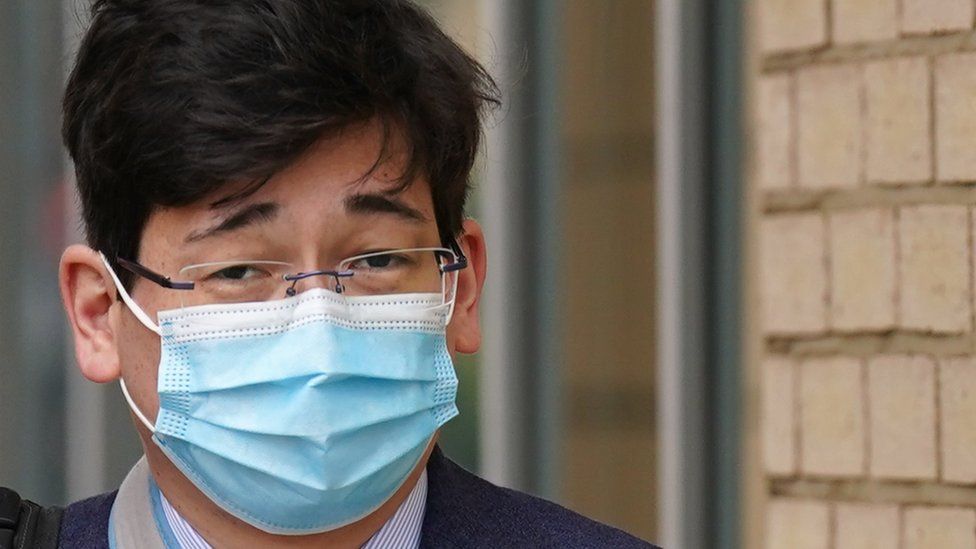
Published2 days agoShareclose panelShare pageCopy linkAbout sharingImage source, PA MediaA trainee anaesthetist who stole drugs from the NHS hospital where he worked so he could inject his girlfriend with them during sex has been jailed.Jonathon Dean stole drugs including morphine from Whipps Cross Hospital, in Leytonstone, east London, in December 2018 and told the woman he “could have done anything” to her.Sentencing Dean, Judge Philip Grey said the 32-year-old was “playing God”.Dean, from Poplar, was jailed for two years and one month.Judge Grey told Dean: “You stole anaesthetic drugs to get your sexual kicks. That was entirely clear from your messages at the time.”He said the offending was about “wanting chemically enhanced sex and being in a position of dominance and power”.He said that the offending struck “at the heart of the trust that’s placed” in the medical profession.Duncan O’Donnell, prosecuting, said Dean “had formed a consensual sexual relationship” with the woman.”That relationship involved high risk sexual intercourse using painkillers and other items.”Concerns were raised to the medical director of Whipps Cross Hospital when the young woman presented herself to another hospital.Image source, Getty ImagesDean admitted at an earlier hearing to nine counts of the theft of drugs, including cyclizine, ondansetron, propofol, midazolam and morphine.He also pleaded guilty to two counts of possessing a controlled drug under the Misuse of Drugs Act 1971.Mr O’Donnell said Dean had been placed on administrative duties following an investigation, but he was still able to use his swipe card in 2023 – which was finally deactivated after it was identified that he had taken the drugs.’Ashamed’In defence, Aisha Khan said: “The ultimate punishment is him not being able to work in this profession.”She said her client was “intoxicated by the fantasy and excitement that was being offered” by his relationship with the woman.The barrister described Dean as “a man who has suffered from addiction”, and said he was “ashamed for what has occurred”.She said that he had apologised “unreservedly” in a letter to the judge, and she read some of this out.In one part, he wrote that he “cannot undo what I have done… what I can do is apologise – I do so unreservedly.”I let a lot of people down and brought shame on myself and my profession.”The judge jailed Dean for 25 months and ordered that needles and other medical items from his home be confiscated.Listen to the best of BBC Radio London on Sounds and follow BBC London on Facebook, X and Instagram. Send your story ideas to hello.bbclondon@bbc.co.ukRelated Internet LinksHM Courts & Tribunals ServiceThe BBC is not responsible for the content of external sites.

Read more →

Is Bird Flu Coming to People Next? Are We Ready?

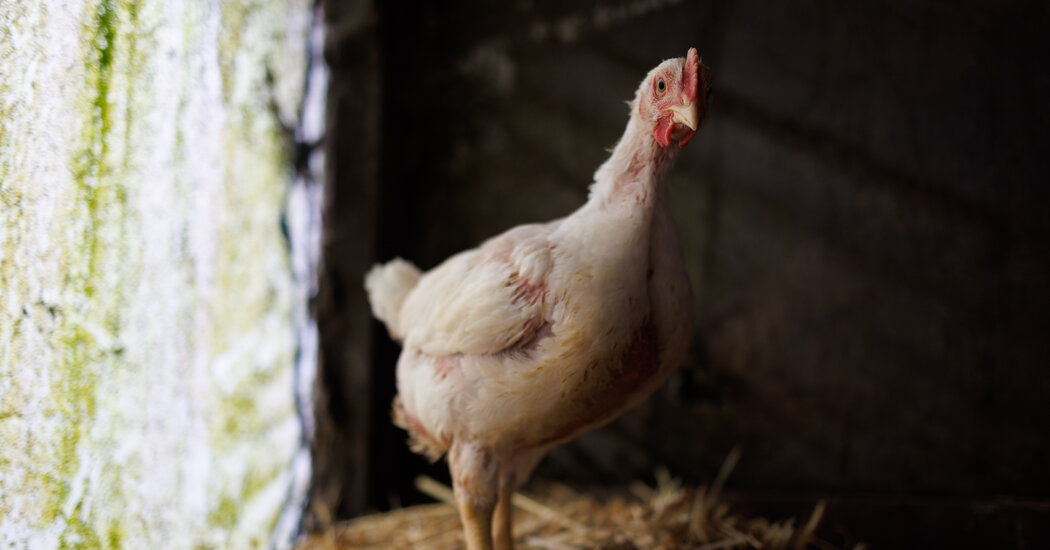
Unlike the coronavirus, the H5N1 virus has been studied for years. Vaccines and treatments are available should they ever become necessary.Bird flu outbreaks among dairy cows in multiple states, and at least one infection in farmworker in Texas, have incited fears that the virus may be the next infectious threat to people.The influenza virus, called H5N1, is highly pathogenic, meaning it has the ability to cause severe disease and death. But while its spread among cows was unexpected, people can catch the virus only from close contact with infected animals, not from one another, federal officials said.“It’s really about folks who are in environments where they may be interacting with cattle that are infected with this virus,” said Dr. Demetre Daskalakis, the director of the National Center for Immunization and Respiratory Diseases at the Centers for Disease Control and Prevention.“The risk for most everyone else is very low,” he added. “Right now, our risk assessment hasn’t changed, but if it does change, we’re going be pretty quick and pretty transparent about that.”Avian influenza is often fatal in birds, but none of the infected cows have died so far. The only symptom in the patient in Texas was conjunctivitis, or pink eye, which was also reported in people infected during other bird flu outbreaks.The C.D.C. and other agencies in the United States and elsewhere have tracked H5N1 for years to monitor its evolution. Federal agencies have stockpiled vaccines and drugs to be used in a possible bird flu outbreak.We are having trouble retrieving the article content.Please enable JavaScript in your browser settings.Thank you for your patience while we verify access. If you are in Reader mode please exit and log into your Times account, or subscribe for all of The Times.Thank you for your patience while we verify access.Already a subscriber? Log in.Want all of The Times? Subscribe.

Read more →

A deep dive into the genetics of alcohol consumption

A research group centered at the University of California San Diego School of Medicine has drilled deep into a dataset of over 3 million individuals compiled by the direct-to-consumer genetics company 23andMe, Inc., and found intriguing connections between genetic factors influencing alcohol consumption and their relationship with other disorders.
The study was recently published in the Lancet eBioMedicine.
Sandra Sanchez-Roige, Ph.D., corresponding author and associate professor at UC San Diego School of Medicine Department of Psychiatry, explained that the study used genetic data to broadly classify individuals as being European, Latin American and African American. Such classifications “are needed to avoid a statistical genetics pitfall called population stratification,” noted co-author Abraham A. Palmer, Ph.D., professor and vice chair for basic research in the psychiatry department.
The researchers analyzed genetic data from the 3 million 23andMe research participants, focusing on three specific little snippets of DNA known as single-nucleotide polymorphisms, or SNPs. Sanchez-Roige explained that variants, or alleles, of these particular SNPs are “protective” against a variety of alcohol behaviors, from excessive alcohol drinking to alcohol use disorder.
One of the alcohol-protective variants they considered is very rare: the most prevalent among the three alleles found in the study showed up in 232 individuals of the 2,619,939 European cohort, 29 of the 446,646 Latin American cohort and in 7 of the 146,776 African American cohort; others are much more common. These variants affect how the body metabolizes ethanol — the intoxicating chemical in alcoholic beverages.
“The people who have the minor allele variant of the SNP convert ethanol to acetaldehyde very rapidly. And that causes a lot of negative effects,” said Sanchez-Roige. She went on to say that the resulting nausea eclipses any pleasurable effects of alcohol — think of a bad hangover that sets in almost immediately.
“These variants are primarily associated with how much someone may consume alcohol,” she said. “And they also tend to prevent alcohol use disorder, because these variants are primarily associated with the quantity of alcohol someone may drink.”
Sanchez-Roige explained that the SNP variants’ influence on alcohol consumption are well researched, but her group took a “hypothesis-free” approach to the 23andMe dataset, which contains survey data on thousands of traits and behaviors. The researchers wanted to find out if the three SNP variants might have any other effects beyond alcohol consumption.

Sanchez-Roige and Palmer noted that their group has developed a 10-year partnership with 23andMe that has focused on numerous traits, especially those with relevance for addiction. This work is the basis of an academic collaboration through the 23andMe Research Program.
They data-mined the analyses of DNA from saliva samples submitted by consenting 23andMe research participants, as well as the responses to the surveys of health and behavior available from the 23andMe database, and found a constellation of associations, not necessarily connected with alcohol. Individuals with the alcohol-protecting alleles had generally better health, including less chronic fatigue and needing less daily assistance with daily tasks.
But the paper notes individuals with the alcohol-protective alleles also had worse health outcomes in certain areas: more lifetime tobacco use, more emotional eating, more Graves’ disease and hyperthyroidism. Individuals with the alcohol-protective alleles also reported totally unexpected differences, such as more malaria, more myopia and several cancers, particularly more skin cancer and lung cancer, and more migraine with aura.
Sanchez-Roige acknowledged that there is a chicken-and-egg aspect to their findings. For example: Cardiovascular disease is just one of a number of maladies known to be associated with alcohol consumption. “So is alcohol consumption leading to these conditions?” she asks. Palmer finishes the thought: “Or do these genetic differences influence traits like malaria and skin cancer in a manner that is independent of alcohol consumption?”
Sanchez-Roige said that such broad, hypothesis-free studies are only possible if researchers have access to very large sets of data. Many datasets, including the one used in the study, rely heavily on individuals with European ancestry.
“It is important to include individuals from different ancestral backgrounds in genetic studies because it provides a more complete understanding of the genetic basis of alcohol behaviors and other conditions, all of which contributes to a more inclusive and accurate understanding of human health,” she said. “The study of only one group of genetically similar individuals (for example, individuals of shared European ancestry) could worsen health disparities by aiding discoveries that will disproportionately benefit only that population.”
She said their study opens numerous doors for future research, chasing down possible connections between the alcohol-protective alleles and conditions that have no apparent connection with alcohol consumption.

“Understanding the underlying mechanisms of these effects could have implications for treatments and preventative medicine,” Sanchez-Roige noted.
Co-authors on the paper from the University of California San Diego School of Medicine Department of Psychiatry are Mariela V. Jennings, Natasia S. Courchesne-Krak, Renata B. Cupertino and Sevim B. Bianchi. Sandra Sanchez-Roige is also associated with the Department of Medicine, Division of Genetic Medicine, Vanderbilt University.
Other co-authors are: José Jaime Martínez-Magaña, Department of Psychiatry, Division of Human Genetics, Yale University School of Medicine; Laura Vilar-Ribó, Psychiatric Genetics Unit, Group of Psychiatry, Mental Health and Addiction, Vall d’Hebron Research Institute, Universitat Autònoma de Barcelona, Barcelona, Spain; Alexander S. Hatoum, Department of Psychology & Brain Sciences, Washington University in St. Louis; Elizabeth G. Atkinson, Department of Molecular and Human Genetics, Baylor College of Medicine; Paola Giusti-Rodriguez, Department of Psychiatry, University of Florida College of Medicine; Janitza L. Montalvo-Ortiz, Department of Psychiatry, Division of Human Genetics, Yale University School of Medicine, National Center of Posttraumatic Stress Disorder, VA CT Healthcare Center; Joel Gelernter, VA CT Healthcare Center, Department of Psychiatry, West Haven CT; and Departments of Psychiatry, Genetics & Neuroscience, Yale Univ. School of Medicine; María Soler Artigas, Psychiatric Genetics Unit, Group of Psychiatry, Mental Health and Addiction, Vall d’Hebron Research Institute, Universitat Autònoma de Barcelona, Barcelona, Spain; Department of Mental Health, Hospital Universitari Vall d’Hebron, Barcelona; Biomedical Network Research Centre on Mental Health (CIBERSAM), Madrid; and Department of Genetics, Microbiology, and Statistics, Faculty of Biology, Universitat de Barcelona; Howard J. Edenberg, Department of Biochemistry and Molecular Biology, Indiana University School of Medicine; and the 23andMe Inc. Research Team, including Sarah L. Elson and Pierre Fontanillas.
The study was funded, in part, by Tobacco-Related Disease Research Program grants T32IR5226 and 28IR-0070, National Institute of Health (NIH) National Institute of Drug Abuse (NIDA) DP1DA054394, and NIH National Institute of Mental Health (NIMH) R25MH081482.

Read more →

Rapid, simultaneous detection of multiple bacteria achieved with handheld sensor

Hear the words E. coli or salmonella and food poisoning comes to mind. Rapid detection of such bacteria is crucial in preventing outbreaks of foodborne illness. While the usual practice is to take food samples to a laboratory to see the type and quantity of bacteria that forms in a petri dish over a span of days, an Osaka Metropolitan University research team has created a handheld device for quick on-site detection.
Led by Professor Hiroshi Shiigi of the Graduate School of Engineering, the team experimented with a biosensor that can simultaneously detect multiple disease-causing bacterial species within an hour.
“The palm-sized device for detection can be linked to a smartphone app to easily check bacterial contamination levels,” Professor Shiigi explained.
His team synthesized organic metallic nanohybrids of gold and copper that do not interfere with each other, so that electrochemical signals can be distinguished on the same screen-printed electrode chip of the biosensor. These organic−inorganic hybrids are made up of conductive polymers and metal nanoparticles. The antibody for the specific target bacteria was then introduced into these nanohybrids to serve as electrochemical labels.
Results confirmed that the synthesized nanohybrids functioned as efficient electrochemical labels, enabling the simultaneous detection and quantification of multiple bacteria in less than an hour.
“This technique enables rapid determination of the presence or absence of harmful bacteria prior to shipment of food and pharmaceutical products, thereby helping to quickly ensure safety at the manufacturing site,” Professor Shiigi said.
The team aims to develop new organic metallic nanohybrids to simultaneously detect even more bacterial species.

Read more →

RNA that doesn’t age

Certain RNA molecules in the nerve cells in the brain last a life time without being renewed. Neuroscientists from Friedrich-Alexander-Universität Erlangen-Nürnberg (FAU) have now demonstrated that this is the case together with researchers from Germany, Austria and the USA. RNAs are generally short-lived molecules that are constantly reconstructed to adjust to environmental conditions. With their findings that have now been published in the journal Science, the research group hopes to decipher the complex aging process of the brain and gain a better understanding of related degenerative diseases.
Most cells in the human body are regularly renewed, thereby retaining their vitality. However, there are exceptions: the heart, the pancreas and the brain consist of cells that do not renew throughout the whole lifespan, and yet still have to remain in full working order. “Aging neurons are an important risk factor for neurodegenerative illnesses such as Alzheimer’s,” says Prof. Dr. Tomohisa Toda, Professor of Neural Epigenomics at FAU and at the Max Planck Center for Physics and Medicine in Erlangen. “A basic understanding of the aging process and which key components are involved in maintaining cell function is crucial for effective treatment concepts:”
In a joint study conducted together with neuroscientists from Dresden, La Jolla (USA) and Klosterneuburg (Austria), the working group led by Toda has now identified a key component of brain aging: the researchers were able to demonstrate for the first time that certain types of ribonucleic acid (RNA) that protect genetic material exist just as long as the neurons themselves. “This is surprising, as unlike DNA, which as a rule never changes, most RNA molecules are extremely short-lived and are constantly being exchanged,” Toda explains.
In order to determine the life span of the RNA molecules, the Toda group worked together with the team from Prof. Dr. Martin Hetzer, a cell biologist at the Institute of Science and Technology Austria (ISTA). “We succeeded in marking the RNAs with fluorescent molecules and tracking their lifespan in mice brain cells,” explains Tomohisa Toda, who has unique expertise in epigenetics and neurobiology and who was awarded an ERC Consolidator Grant for his research in 2023. “We were even able to identify the marked long-lived RNAs in two year old animals, and not just in their neurons, but also in somatic adult neural stem cells in the brain.”
In addition, the researchers discovered that the long-lived RNAs, that they referred to as LL-RNA for short, tend to be located in the cells’ nuclei, closely connected to chromatin, a complex of DNA and proteins that forms chromosomes. This indicates that LL-RNA play a key role in regulating chromatin. In order to confirm this hypothesis, the team reduced the concentration of LL-RNA in an in-vitro experiment with adult neural stem cell models, with the result that the integrity of the chromatin was strongly impaired.
“We are convinced that LL-RNAs play an important role in the long-term regulation of genome stability and therefore in the life-long conservation of nerve cells,” explains Tomohisa Toda. “Future research projects should give a deeper insight into the biophysical mechanisms behind the long-term conservation of LL-RNAs. We want to find out more about their biological function in chromatin regulation and what effect aging has on all these mechanisms.”

Read more →

Functional capacity in old age is like an ecosystem that may collapse when disrupted

In old age, a tighter interlinkage between different domains of functional capacity may indicate a loss of system resilience. This was observed in a study conducted at the Faculty of Sport and Health Sciences at the University of Jyväskylä, Finland. When functional capacity domains are tightly interconnected, a disruption in one domain can affect others and lead to a collapse in functioning. It is therefore important to look at functioning as a whole and to take care of the different aspects of physical and mental well-being.
Human functional capacity can be thought of as an ecosystem consisting of different components such as mobility, sensory, cognitive, and mental functions. As a person ages, the resilience of the functional capacity system enables it to maintain and recover when faced with setbacks or challenges.
The population-based study used network analysis to investigate the interconnectedness of different domains of functional capacity. The results showed that the functional capacity domains were more closely linked in older people and those with poorer health. The resilience of the functional capacity system may have similar features to resilience in other systems, such as natural systems or the economy.
“For example, a highly networked economy across national borders has been seen to increase the vulnerability of supply chains. The same idea can apply to health and functioning,” says postdoctoral researcher Kaisa Koivunen.
“Although the body and mind are interconnected, they must also be sufficiently independent of each other. A tightly interconnected system can lead to a domino effect: a disruption in one area of functioning may spill over to the rest of the system, eventually collapsing it.”
A resilient functional capacity system has, for example, sufficient muscle strength reserves, so that its deterioration, for example during bed rest, does not lead to a loss of walking ability, which in turn could lead to depressive symptoms. Different resources also allow for modifying behavior so that important things can still be done.
“People are generally able to adapt if they have enough reserve capacity. They can compensate for one impaired capacity with other capacities,” says the Principal Investigator of the AGNES study, Professor Taina Rantanen.

“For example, it is possible to move around despite reduced mobility if you can drive a car. This is possible if other aspects of functional capacity, such as good levels of information processing and sensory function, allow it. As compensatory mechanisms are depleted, resilience of functional capacity is reduced.”
The conducted research provides a basis for applying approaches to systems resilience from other disciplines to the study of health and functional capacity.
“As we age, sudden shifts, that is, critical transitions, in health and functioning can occur if a disturbance, such as an illness, exceeds the body systems’ capacity to cope,” Koivunen says. 
“Such tipping points and critical transition phenomena have long been studied, for example in natural systems in the context of global warming, but less in the context of human health and functioning.” 
Koivunen speculates that in the future it may be possible to determine whether the tipping point between “functional ability” and “impaired functioning” is approaching, for example, by examining the density of the body systems network.
“In aging societies, preserving people’s functional capacity for as long as possible is important for maintaining a good quality of life,” Koivunen says. 
The study is part of the AGNES project funded by the European Research Council and the Research Council of Finland, which involved over a thousand people from Jyväskylä, Finland, at the ages of 75, 80, and 85. The study was conducted at the Faculty of Sport and Health Sciences and the Gerontology Research Center (GEREC). The study has also been funded by JYU.Well — an interdisciplinary community of wellbeing researchers from the University of Jyväskylä and Juho Vainio Foundation. 

Read more →