Were You Stuck With a Big Vet Bill? Tell Us About It.

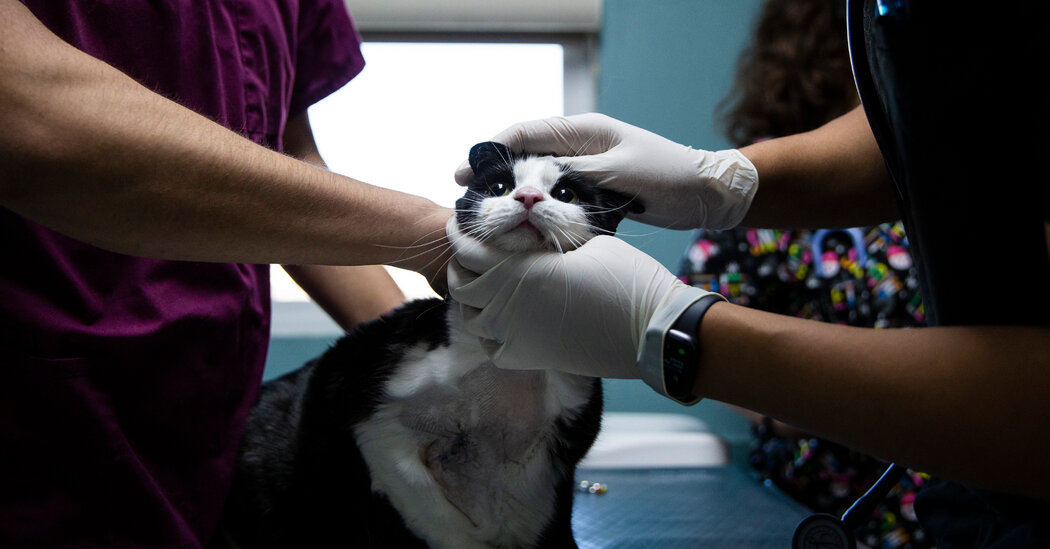
We want to hear from pet owners about their experiences taking their animals to the vet, and how they paid for their animals’ care.Dogs and cats are members of the family. So when they are sick, many pet owners will go to nearly any length to make sure they’re taken care of.That care, however, increasingly comes at an eye-popping cost: Veterinary bills have skyrocketed in recent years. Even routine visits can add up to hundreds of dollars, and a frantic trip to the emergency vet can quickly max out credit cards.And while pet health insurance can help ease the financial strain, it has few of the consumer protections (like coverage of pre-existing conditions) that are required for human insurance.The New York Times is interested in speaking to pet owners who can share their recent experiences paying for veterinary care.We will not publish any part of your response to this questionnaire without talking with you first. We will not share your contact information outside the Times newsroom, and we will use it only to reach out to you. If you would feel more comfortable sharing your story with us anonymously, please visit our tips page.

Read more →

Researchers identify new genetic risk factors for persistent HPV infections

Human papillomavirus (HPV) is the second most common cancer-causing virus, accounting for 690,000 cervical and other cancers each year worldwide. While the immune system usually clears HPV infections, those that persist can lead to cancer, and a new finding suggests that certain women may have a genetic susceptibility for persistent or frequent HPV infections. These genetic variants, identified in a study led by University of Maryland School of Medicine researchers, could raise a woman’s risk of getting cervical cancer from a high-risk HPV infection.
Findings were recently published in The European Journal of Human Genetics.
The research team conducted a genome-wide association study of high-risk HPV infections in a cohort of over 10,000 women, whose data were collected as part of the African Collaborative Center for Microbiome and Genomics Research (ACCME) cohort study. A total of 903 of the participants had high-risk HPV infections when the study began, with 224 participants having HPV infections that resolved, and 679 having persistent HPV infections. More than 9,800 HPV-negative women from the ACCME study served as controls.
“We found certain genetic variants were associated with having high-risk HPV infections, while other variants and human leukocyte antigen (HLA) genes were associated with persistent infections, which increase the risk of developing cervical cancer,” said study leader Sally N. Adebamowo, MBBS, MSc, ScD, Associate Professor of Epidemiology & Public Health at UMSOM. “This is a critical finding that suggests genetic underpinnings for cervical cancer risk. It is the first sufficiently powered genome-wide association study of cervical high-risk HPV infections. Our polygenic risk score models should be evaluated in other populations.”
Specifically, she and her colleagues found that the top variant associated with prevalent high-risk HPV infection was rs116471799, on the fourth chromosome near the LDB2 gene, which encodes for proteins. They found persistent HPV was associated with variants clustered around the TPTE2, a protein encoding gene associated with gallbladder cancer. The genes SMAD2 and CDH12 were also associated with persistent high risk HPV infections, and significant polygenic risk scores. Together the findings enabled the research team to develop polygenic risk scores to determine the likelihood that a certain genetic profile would increase the risk of having prevalent or persistent HPV infections.
“Our findings can be used for risk stratification of persistent high-risk HPV infections for precision or personalized cervical cancer prevention. We hope to conduct long-term studies on the integration of PRS and genomic risk factors into the continuum of cervical cancer prevention,” said study corresponding author Clement A. Adebamowo, BM, ChB, ScD, Professor of Epidemiology & Public Health at UMSOM.
A recent report from the American Cancer Society found that cervical cancer among women ages 30 to 44 rose almost 2 percent a year from 2012 to 2019. This is after a big decline in cervical cancer rates over the past half-century due to early detection from Pap smears and HPV screening tests. In addition, rates of cervical cancer, have steadily declined among younger women who were among the first to benefit from HPV vaccines, which were approved for use in 2006.

In the U.S., more than half of women diagnosed with cervical cancer have never been screened or were not screened in the last five years, according to the Centers for Disease Control and Prevention. In Nigeria, only a small percentage of women have access to the HPV vaccine, so those included in the study were largely unvaccinated.
“The results provide insight into the role of antigen processing and presentation, and HLA-DRB1 alleles in immune surveillance and persistence of high-risk HPV infections,” said Mark T. Gladwin, MD, who is the John Z. and Akiko K. Bowers Distinguished Professor and Dean, UMSOM, and Vice President for Medical Affairs, University of Maryland, Baltimore. “Confirmatory studies are crucial to validate these important findings in other populations, with the goal of reducing the burden of high-risk HPV related diseases on global health.”
Study co-authors included those from: the National Human Genome Research Institute in Bethesda, MD; Asokoro District Hospital in Abuja, Nigeria; Federal Medical Center in Keffi, Nigeria; Wuse General Hospital in Abuja, Nigeria; University College Hospital, University of Ibadan, Ibadan, Nigeria; Institute of Human Virology Nigeria, Abuja, Nigeria; Garki Hospital Abuja, Abuja, Nigeria; University of Abuja Teaching Hospital, Gwagwalada, Abuja, Nigeria; National Hospital Abuja, Abuja, Nigeria; Kubwa General Hospital, Abuja, Nigeria.
This work was supported by the African Collaborative Center for Microbiome and Genomics Research Grant (NIH/NHGRI 1U54HG006947), UM-Capacity Development for Research in AIDS Associated Malignancy Grant (NIH/NCI 1D43CA153792-01), and Polygenic Risk Score (PRS) Methods and Analysis for Populations of Diverse Ancestry — Study Sites (NIH/NHGRI 1U01HG011717).

Read more →

New study validates prediction rules for pediatric intra-abdominal and traumatic brain injuries

Delivering high-quality emergency care for kids may mean fewer CT scans, according to a new study from UC Davis Health’s Department of Emergency Medicine.
The research — published in The Lancet Child & Adolescent Health Journal — validates intra-abdominal injury (IAI) and traumatic brain injury (TBI) prediction rules established by the Pediatric Emergency Care Applied Research Network (PECARN).
The IAI and TBI prediction rules were created by co-principal investigators Nathan Kuppermann, chair of Emergency Medicine, and James Holmes, executive vice chair of Emergency Medicine. They sought to decrease inappropriate computed tomography (CT) use in injured children.
According to the Centers for Disease Control and Prevention (CDC), trauma is the leading cause of death in children in the United States. Among pediatric traumatic deaths, TBI has been the most common cause and IAI accounts for 30% of cases.
Currently, CT scanning is the standard for diagnosing IAIs and TBIs. However, the procedure is associated with lethal ionizing radiation-inducing malignancies, or cancer, at an estimated rate of one per 500 abdominal CT scans in children younger than five years of age. In adolescents, the figure is one per 600 scans.
“A CT scan can be a useful diagnostic tool for diagnosing and treating patients, but it also has risks of radiation-induced malignancy,” explained Kuppermann. “By validating these evidence-based rules, we hope to decrease unnecessary CT imaging of children with head or abdominal trauma and increase patient safety by decreasing the risks of potential malignancies.”
Benefits of IAI and TBI rules
The study was conducted at six pediatric trauma centers. However, prior evidence suggests the PECARN IAI and TBI rules can be safely implemented in community hospitals. By utilizing the IAI and TBI rules, community hospitals can increase the readiness of their emergency departments to care for acutely sick and injured children.

“The care a child receives in the emergency department can set them on a path to survival or not,” explained Holmes. “These rules can increase readiness of emergency departments to ensure that every child receives high-quality emergency care.”
Additionally, authors of the study believe these results could impact racial and ethnic differences in medical imaging use in emergency departments throughout the United States.
“Evidence shows there are racial, ethnic and demographic disparities in medical imaging use in emergency departments,” said Kuppermann. “Providing clinicians an evidence-based protocol to follow can standardize and prevent any differences in care.”
Methods and findings of the study
The investigators conducted a prospective cohort study in six Level-1 pediatric trauma centers. They studied the cases of children younger than 18 years with blunt abdominal or minor head trauma. Enrolled children were evaluated if they were positive or negative for the previously derived PECARN prediction rules prior to knowledge of CT results.
Overall, 7,542 patients with blunt abdominal trauma and 19,999 patients with head trauma were enrolled in the study. The IAI rule had an accuracy rate of 100% (145/145) for patients needing a CT scan and a negative predictive value of 100% (3,488/3,488).

The TBI rule for patients younger than 2 years had an accuracy rate of 100% (42/42) for patients needing a CT scan and a negative predictive value of 100% (2,940/2,940). For children 2 years-and-older, the TBI rule had an accuracy rate of 98.8% (168/170) for patients needing a CT scan and a negative predictive value of 99.97% (6,015/6,017). Neither of the two children with TBIs misclassified by the TBI rule required neurosurgery or other therapy beyond hospital observation.
“With this robust validation, these clinical prediction rules should now be widely disseminated and implemented into clinical practice,” said Holmes. “Widespread use may further decrease unnecessary CT scans in injured children.”
Other participating centers in the study, funded by the Eunice Kennedy Shriver National Institute of Child Health and Human Development included Children’s Medical Center, Dallas, UT Health Houston, Rady Childrens Hospital San Diego. Children’s Hospital, Los Angeles and UCSF Benioff Children’s Hospital, Oakland.

Read more →

Study finds increased anxiety and PTSD among people who remained in Ukraine

Researchers from the International Blast Injury Research Network at the University of Southampton conducted a survey to understand how the mental health of displaced Ukrainians has been affected by the ongoing war. Their findings, published in PLOS Global Public Health, describe high levels of post-traumatic stress disorder (PTSD) and generalized anxiety among both refugees and people displaced within Ukraine.
Since the Russian invasion of Ukraine began in February 2022, at least 13 million people have been displaced from their homes. Both exposure to war and displacement — specifically loss of community, housing and economic resources — affect mental health. These impacts tend to be magnified among the elderly, those caring for children, and otherwise vulnerable populations.
Between April and July of 2022, the researchers surveyed over 8,000 participants, all of whom were either refugees or people displaced within Ukraine. The participants answered questions about their current circumstances, their mental health, and their exposures to blasts — explosions caused by bombs or other military actions.
Nearly 8 out of 10 participants who remained in Ukraine and more than half of refugees reported blast exposure. Almost 70 percent of all survey participants reported anxiety, with people remaining in Ukraine reporting higher anxiety and more frequent flashbacks to traumatic events compared to refugees. Flashbacks are a symptom of PTSD and can range from fleeting, intrusive memories to minutes-long episodes where a person feels they are reliving the traumatic events — in this study, the frequency of flashbacks was correlated to blast exposure.
Overall, this study suggests displaced people remaining in Ukraine face poorer mental health outcomes compared to refugees, likely because of their ongoing exposure to war. However, refugees still face considerable mental health challenges. The researchers emphasize, “Mental health and psychosocial support must be prioritized within humanitarian relief.”
The authors add: “Exposure to blast events can be incredibly distressing. Our survey of 8300 Ukrainian respondents show that almost 70% reported witnessing a blast event during the first 4 months of Russia’s full-scale invasion in 2022. Most worryingly, many respondents who were blast-exposed reported adverse mental health outcomes, including symptoms of PTSD.”

Read more →

Scientists use wearable technology to detect stress levels during sleep

What if changes in a person’s stress levels could be detected while they sleep using wearable devices? A new study by University of Vermont researchers published today in PLOS Digital Health is the first to find changes in perceived stress levels reflected in sleep data — an important step towards identifying biomarkers that may help flag individuals in need of support.
Given how critical sleep is to physical and mental health, the research team suspected signals might exist in sleep data, says Laura Bloomfield, a research assistant professor of mathematics and statistics and lead author of the study. “Changes in stress are visible.”
When parsing baseline sleep data, the researchers found “consistent associations” between people’s perceived stress scores and factors such as total sleep time, resting heart rate and heart rate variability, and respiratory rate. While it’s no surprise that most participants received less than the recommended 8 to 10 hours of sleep for young adults, the minutes do matter. For every additional hour of sleep recorded, the odds of someone reporting moderate-to-high stress decreased about 38 percent. Nightly resting heart rates offered more clues. For each additional beat per minute, the odds of experiencing stress increased by 3.6 percent.
Bloomfield is a principal investigator of the Lived Experience Measured Using Rings Study (LEMURS) — a longitudinal study started at UVM in 2022 that tracks hundreds of first- and second-year college students 24 hours a day using a wearable Oura ring biosensor and through surveys about their wellbeing. This is the first peer-reviewed paper from LEMURS and shows that data gleaned from wearables can reveal changes in people’s mental health status.
“The study showed that sleep measures from the Oura ring were predictive of participants’ perceived level of stress. If we are able to identify in real-time that someone is experiencing increased stress, there might be an opportunity to offer helpful interventions.,” Bloomfield explains. “There are a lot of ways to implement interventions, but the first step is understanding the connection between sleep measures and mental health measures.”
About LEMURS
The LEMURS project was conceived by Chris Danforth, professor of applied mathematics at UVM’s Vermont Complex Systems Center and fellow of the Gund Institute for Environment and Bloomfield, MD/Ph.D., to determine how wearable technologies could be used to improve young people’s health and well-being with personalized health feedback. LEMURS is supported by a grant from MassMutual.

College students, in general, don’t sleep enough, often feel stressed, and are at greater risk of experiencing mental health issues. The LEMURS research team will also evaluate the effectiveness of interventions such as exercise, excursions into nature, and group therapy — all interventions which have previously shown improvements in health and wellbeing — to understand which work best and how quickly scalable they are for large populations. But to do all of this requires identifying biometric data that provide the clearest signals for addressing changes in physical and mental health — a process that involves gathering and sifting through millions of hours of data each year.
LEMURS participants wear Oura rings that quietly collect measurements including temperature, heart rate, breathing rate, and nightly sleep duration as well as complete routine surveys to collect more subjective responses about potential stressors and their emotions. Location information is also used to calculate the exposure participants have to nature. All this data is then combed by LEMURS researchers like Mikaela Fudolig, research assistant professor of mathematics and statistics, who test specific relationships that could be used to develop health interventions. She co-authored the PLOS Digital Health paper and says there is power in the study’s numbers.
Initially, 600 first-year students aged 18 to 20 enrolled in LEMURS. A second cohort of first-year students was added in fall 2023 with a goal of following these individuals through college and far into the future.
“We have been tracking the same students for almost two years now, and there are very few studies that do that,” says Fudolig, research assistant professor of mathematics and statistics, who co-authored the PLOS Digital Health paper and says there is power in the study’s numbers. “We have several sources of data. Taking these all together — your ring data, your survey data, your nature-dose data, we also have blood work done — we will see a lot of different dimensions from these participants. So, combining them is, to me, the most exciting thing of it all.”
These potential predictors of stress led to a sleep analysis of LEMURS participants by Fudolig which detected two distinct heart rate curves, particularly among women. We find that those who reported an impairment in their daily life due to anxiety or depression had heart rates that dropped later in the night, she explains.
“A high burden of stress”
The COVID-19 pandemic worsened mental health problems for an already vulnerable population. In the decade before COVID, the Center for Disease Control and Prevention found the percentage of high school students nationwide experiencing persistent feelings of sadness or hopelessness jumped from 26.1 percent to 36.7 percent. The CDC’s 2021 Youth Risk Behavior Survey showed another jump — 42 percent of students reported feeling persistently sad.

This is one reason Danforth and Bloomfield launched LEMURS in the first place.
“There is a high burden of stress in this population,” Bloomfield says, “College is seen as a very carefree period of time where you are coming into your own, but it’s also a period with a lot of transition and a lot of additional stressors. There needs to be better, accessible support systems for young adults during this time.
She wasn’t surprised to learn that perceived stress scores of LEMURS participants were high — 64% of responses were considered moderate-to-highly stressed. These are personal assessments of how individuals feel about problems they encounter and their ability to manage them and responses vary depending on one’s life experiences, personality, support, and coping skills. Part of the challenge with interpreting stress signals using biometric data is figuring out when deviations from someone’s baseline are problematic and concerning, Bloomfield explains.
“This is a resilient population, they are young and healthy,” she continues. “But I think this study is bringing to light important issues facing this population. The ultimate goal with our research is that you can help support people in times of decreased mental health or physical health status.”
Additional UVM researchers involved in this study include Julia Kim, Jordan Llorin, Juniper Lovato, Matt Price, Taylor H. Ricketts, Peter Sheridan Dodds, Kathryn Stanton, and Christopher M. Danforth, working with Ellen McGinnis and Ryan McGinnis (Wake Forest University). This is the first peer-reviewed paper from UVM’s Lived Experience Measured Using Rings Study, a longitudinal investigation using wearable technologies to detect and incentivize positive changes in physical and mental health. The study is funded by a grant from MassMutual.

Read more →

First step to untangle DNA: Supercoiled DNA captures gyrase like a lasso ropes cattle

Picture in your mind a traditional “landline” telephone with a coiled cord connecting the handset to the phone. The coiled telephone cord and the DNA double helix that stores the genetic material in every cell in the body have one thing in common; they both supercoil, or coil about themselves, and tangle in ways that can be difficult to undo. In the case of DNA, if this overwinding is not dealt with, essential processes such as copying DNA and cell division grind to a halt. Fortunately, cells have an ingenious solution to carefully regulate DNA supercoiling.
In this study published in the journal Science, researchers at Baylor College of Medicine, Université de Strasbourg, Université Paris Cité and collaborating institutions reveal how DNA gyrase resolves DNA entanglements. The findings not only provide novel insights into this fundamental biological mechanism but also have potential practical applications. Gyrases are biomedical targets for the treatment of bacterial infections and the similar human versions of the enzymes are targets for many anti-cancer drugs. Better understanding of how gyrases work at the molecular level can potentially improve clinical treatments.
Some DNA supercoiling is essential to make DNA accessible to allow the cell to read and make copies of the genetic information, but either too little or too much supercoiling is detrimental. For example, the act of copying and reading DNA overwinds it ahead of the enzymes that read and copy the genetic code, interrupting the process. It’s long been known that DNA gyrase plays a role in untangling the overwinding, but the details were not clear.
DNA minicircles and advanced imaging techniques reveal first step to untangle DNA
“We typically picture DNA as the straight double helix structure, but inside cells, DNA exists in supercoiled loops. Understanding the molecular interactions between the supercoils and the enzymes that participate in DNA functions has been technically challenging, so we typically use linear DNA molecules instead of coiled DNA to study the interactions,” said study author Dr. Lynn Zechiedrich, Kyle and Josephine Morrow Chair in Molecular Virology and Microbiology and professor of theVerna and Marrs McLean Department of Biochemistry and Molecular Pharmacology at Baylor College of Medicine. “One goal of our laboratory has been to study these interactions using a DNA structure that more closely mimics the actual supercoiled and looped DNA form present in living cells.”
After years of work, the Zechiedrich lab has created small loops of supercoiled DNA. In essence, they took the familiar straight linear DNA double helix and twisted it in either direction once, twice, three times or more and connected the ends together to form a loop. Their previous study looking at the 3-D structures of the resulting supercoiled minicircles revealed that these loops form a variety of shapes that they hypothesized enzymes such as gyrase would recognize.
In the current study, their hypothesis was proven correct. The team of researchers combined their expertise to study the interactions of DNA gyrase with DNA minicircles using recent technology advances in electron cryomicroscopy, an imaging technique that produces high-resolution 3-D views of large molecules, and other technologies.

“My lab has long been interested in understanding how molecular nanomachines operate in the cell. We have been studying DNA gyrases, very large enzymes that regulate DNA supercoiling,” said co-corresponding author Dr. Valérie Lamour, associate professor at the Institut de Génétique et de Biologie Moléculaire et Cellulaire, Université de Strasbourg. “Among other functions, supercoiling is the cell’s way of confining about 2 meters (6.6 feet) of linear DNA into the microscopic nucleus of the cell.”
As the DNA supercoils inside the nucleus, it twists and folds in different forms. Imagine twisting that telephone cord mentioned at the beginning, several times on itself. It will overwind and form a loop by crossing over DNA chains, tightening the structure.
“We found, just as we had hypothesized, that gyrase is attracted to the supercoiled minicircle and places itself in the inside of this supercoiled loop,” said co-author, Dr. Jonathan Fogg, senior staff scientist of molecular virology and microbiology, and biochemistry and molecular pharmacology in the Zechiedrich lab.
“This is the first step of the mechanism that prompts the enzyme for resolving DNA entanglements,” Lamour said.
“DNA gyrase, now surrounded by a tightly supercoiled loop, will cut one DNA helix in the loop, pass the other DNA helix through the cut in the other, and reseal the break, which relaxes the overwinding and eases the tangles, regulating DNA supercoiling to control DNA activity,” Zechiedrich said. “Imagine watching the rodeo. Like roping cattle with a lasso, supercoiled looped DNA captures gyrase in the first step. Gyrase then cuts one double-helix of the DNA lasso and passes the other helix through the break to get free.”
Co-corresponding author, Dr. Marc Nadal, professor at the École Normale in Paris confirmed the observation of the path of the DNA wrapped in the loop around gyrase using magnetic tweezers, a biophysical technique that allows to measure the deformation and fluctuations in the length of a single molecule of DNA. Observing a single molecule provides information that is often obscured when looking at thousands of molecules in traditional so-called “ensemble” experiments in a test tube.
Interestingly, the “DNA strand inversion model” for gyrase activity was proposed in 1979 by Drs. Patrick O. Brown and the late Nicholas R. Cozzarelli, also in a Science paper, well before researchers had access to supercoiled minicircles or the 3-D molecular structure of the enzyme. “It’s especially meaningful to me that 45 years later, we finally provide experimental evidence supporting their hypothesis because Nick was my postdoctoral mentor,” Zechiedrich said.
“This work opens a myriad of perspectives to study the mechanism of this conserved class of enzymes, which are of great clinical value,” Lamour said.
“This work supports new ideas on how DNA activities are regulated. We propose that DNA is not a passive biomolecule acted upon by enzymes, but an active one that uses supercoiling, looping and 3-D shapes to direct accessibility of enzymes such as gyrase to specific DNA sequences in a variety of situations, which will likely impact cellular responses to antibiotics or other treatments,” Fogg said.

Read more →

New approach for combating ‘resting’ bacteria

Most disease-causing bacteria are known for their speed: In mere minutes, they can double their population, quickly making a person sick. But just as dangerous as this rapid growth can be a bacterium’s resting state, which helps the pathogen evade antibiotics and contributes to severe chronic infections in the lungs and blood, within wounds, and on the surfaces of medical devices.
Now, Scripps Research scientists have discovered how long chains of molecules called polyphosphates (polyP) are needed for bacteria to slow down movements within cells and let them enter this resting state. The findings, published in Proceedings of the National Academy of Sciences on April 02, 2024, could eventually lead to new ways of treating chronic infections in which typical antibiotics aren’t effective.
“Many current antibiotics block bacterial growth, but bacteria spend a lot of their time not growing,” says Lisa Racki, assistant professor in the Department of Integrative Structural and Computational Biology at Scripps Research and senior author of the new paper. “We really need new and creative strategies for targeting bacteria’s slow-growing and non-growing phases.”
Researchers have long known that bacteria can survive for especially long periods of time when they stop growing, entering a dormant and energy-saving state. They also knew that when bacteria enter this resting state, they use valuable energy to produce polyP strands, which form large clumps inside their cells. But scientists had been historically unsure about the purpose of polyP.
To study polyP, Racki and her collaborators turned to Pseudomonas aeruginosa, bacteria that can cause pneumonia and blood infections in people who are hospitalized or have weakened immune systems. One of the reasons P. aeruginosa can be so hard to treat is that it forms biofilms — tightly joined, slimy communities of bacteria, many of which are in a resting state and can evade typical antibiotics.
When P. aeruginosa is starved of nitrogen — one of the key nutrients it needs for growth — it produces lots of polyP. In the new work, Racki and her collaborators at EPFL and Caltech discovered that a mutant unable to make polyP cannot enter its resting state. To better understand why this happens and the consequences, the researchers genetically engineered P. aeruginosa to make small, labeled particles that let them track how molecules within the bacteria were moving around.
“What we found is that when you get rid of polyP, everything in the cell moves too much,” says Racki. “The cells are partying when they should be taking a break.”
When starved of most nutrients, P. aeruginosa slows the movement of materials within its interior and stops dividing. But without nitrogen and polyP, the bacteria keep moving materials around at top-speed, become bigger, loosen their genetic material and continue dividing.

Racki’s team concluded that polyP is usually responsible for helping P. aeruginosa — and likely other bacterial species — slow down. It also leads them to hypothesize that preventing cells from producing polyP could keep them active and make them more susceptible to some antibiotics.
“This not only helps point in possible directions for treating pathogenic bacteria, but also reveals answers for fundamental questions about how things diffuse throughout a bacterial cell,” says Racki.
Racki and her lab are now planning more experiments to better probe exactly why cells cannot slow their interior movements without polyP, and whether blocking the bacterial production of polyP could be an effective tactic to treat some infections.
This work was supported by funding from the National Institutes of Health (DP2-GM- 784-140918), the European Research Council (ERC CoG 819823), the Swiss National Science Foundation (182429), and the Donald E. and Delia B. Baxter Foundation Fellowship.

Read more →

New study finds potential targets at chromosome ends for degenerative disease prevention

Published online today in Science, a new study finds that telomere lengths follow a different pattern than has thus far been understood. Instead of telomere lengths falling under one general range of shortest to longest across all chromosomes, this study finds that different chromosomes have separate end-specific telomere-length distributions.
We depend on our cells being able to divide and multiply, whether it’s to replace sunburnt skin or replenish our blood supply and recover from injury. Chromosomes, which carry all of our genetic instructions, must be copied in a complete way during cell division. Telomeres, which cap the ends of chromosomes, play a critical role in this cell-renewal process — with a direct bearing on health and disease.
The enzyme telomerase plays a key role in maintaining the length of telomeres as chromosomes replicate during cell division. UC Santa Cruz professor Carol Greider has been studying telomeres and telomerase for over 30 years. The impact of the discoveries she has made over that time are why she, along with two colleagues, won the Nobel Prize in Physiology or Medicine in 2009.
So, the findings of Greider’s latest study on telomeres shouldn’t have surprised her. And yet, they did.
Published online today in Science, a new study finds that telomere lengths follow a different pattern than has thus far been understood. Instead of telomere lengths falling under one general range of shortest to longest across all chromosomes, this study finds that different chromosomes have separate end-specific telomere-length distributions.
According to Greider, this discovery means we don’t fully understand the molecular process that regulates telomere lengths. And that’s important because of how telomere lengths affect human health: “When telomeres get to be too short, you have age-related degenerative diseases like pulmonary fibrosis, bone-marrow failure, and immunosuppression,” Greider said. “On the other hand, if telomeres are too long, it predisposes you to certain types of cancer.”
Kayarash Karimian, the lead author on the paper, is a former Ph.D. student in Greider’s lab at the Johns Hopkins University School of Medicine. Other co-authors of this study include researchers at the Dana-Farber Cancer Institute, Harvard Medical School, and University of Pittsburgh. Greider, a distinguished professor of molecular, cell, and developmental biology at UC Santa Cruz, and a University Professor at Johns Hopkins, was the senior author on the paper and led the work.

Why length matters
Without telomerase, telomeres would get shorter and shorter as a cell divides over and over again. Over the past 30 years, research by Greider and others have confirmed that short telomeres lead to degenerative disease — as well as shown that telomere lengths fall within a certain range.
But this paper challenges scientific consensus by showing that a singular telomere-length range is too broad. Measuring the telomeres of 147 people for this study, the researchers found in one individual that the average telomere length across all chromosomes was 4,300 bases of DNA. Then when they isolated specific chromosomes, they found most telomere lengths differed significantly from this average. In one case, lengths differed as much as 6,000 bases, which Greider describes as “jaw dropping.”
Further, they found across all 147 individuals the same telomeres were most often the shortest or longest, implying telomeres on specific chromosome ends may be the first to trigger stem-cell failure.
Innovating on nanopore sequencing
To make such precise measurements at the molecular level, Greider’s team used a technique invented at UC Santa Cruz called “nanopore sequencing,” a revolutionary method for reading DNA and RNA that has had an immense impact on genomics research since its 2014 debut on the market as the commercial product MinION.

Nanopore technology has enabled some of the most significant advances in the genomics field, such as the completion of a gapless human genome, and sequencing of COVID-19 genomes — making it crucial in the fight to end the pandemic. UC Santa Cruz licensed the concept for nanopore-sequencing technology to the UK-based company Oxford Nanopore Technologies, which made MinION, the first hand-held DNA sequencer.
Notably, in the eyes of nanopore sequencing’s inventors, Greider’s study proves that the technique’s ability to advance scientific research continues to unfold. Mark Akeson, emeritus professor of biomolecular engineering at UC Santa Cruz, notes that two preprint studies that corroborate the basic findings of Greider’s paper have also been posted online.
“In my opinion, this is the most important nanopore-based paper focused on human biology since the MinION was introduced,” Akeson said. “It is easy to envision broad use of their telomere-length assay in the clinic.”
Akeson and David Deamer, also an emeritus professor of biomolecular engineering at the Baskin School of Engineering, were honored at the Library of Congress last year for inventing nanopore sequencing. Their colleague and friend Daniel Branton, a Havard biologist and co-inventor of the technology, was honored as well.
Implications for disease prevention
Such precise DNA reads allowed Greider’s team to pinpoint the sequences adjacent to telomeres and hypothesize that those areas are where telomerase is regulating length. And if that’s true, Greider said those regions, and the proteins that bind there, could serve as potential targets for new drugs for preventing disease.
In addition, their process of “telomere profiling” via nanopore sequencing could serve as a model for the development of additional MinION-based assays for high-throughput drug screening.
“This accessible technique has widespread potential for use in research, diagnostics, and drug development,” Greider said. “This work indicates that there are yet undiscovered mechanisms for telomere length regulation; probing these mechanisms will inform new approaches to cancer and certain degenerative diseases.”
The study, “Human telomere length is chromosome end-specific and conserved across individuals,” was funded by grants from the National Institutes of Health (R35CA209974 to Greider and R01HL166265), the Johns Hopkins Bloomberg Distinguished Professorship, and the National Science Foundation Graduate Research Fellowship Program.

Read more →

Evan Stark, 82, Dies; Broadened Understanding of Domestic Violence

He and his wife wrote pioneering studies; he used the term “coercion control” to describe psychological and physical dominance by abusers.Evan Stark, who studied domestic violence with his wife and then pioneered a concept called “coercive control,” which describes the psychological and physical domination that abusers use to punish their partners, died on March 18 at his home in Woodbridge, Conn. He was 82.His wife, Dr. Anne Flitcraft, said the cause was most likely a heart attack that occurred while he was on a Zoom call with women’s advocates in British Columbia.Through studies that began in 1979, Drs. Stark and Flitcraft became experts in intimate partner violence, sounding an alarm that battering — not car accidents or sexual assault — was the largest cause of injury that sent women to emergency rooms.But by talking to battered women as well as veterans who had experienced post-traumatic stress disorder from their treatment in the military, Dr. Stark began to understand that coercive control was a strategy that included violence but that also involved threats of beatings, isolating female victims from friends and family and cutting off their access to money, food, communication and transportation.“Like assaults, coercive control undermines a victim’s physical and psychological integrity,” he wrote in “Coercive Control: The Entrapment of Women in Personal Life” (2007). “But the main means used to establish control is the micro-regulation of everyday behaviors associated with stereotypic female roles, such as how women dress, cook, clean, socialize, care for their children or perform sexually.”Dr. Stark started a forensic social work practice in 1990 — a year later, he earned a master’s of social work degree from Fordham University — and began to testify for victims in courts.We are having trouble retrieving the article content.Please enable JavaScript in your browser settings.Thank you for your patience while we verify access. If you are in Reader mode please exit and log into your Times account, or subscribe for all of The Times.Thank you for your patience while we verify access.Already a subscriber? Log in.Want all of The Times? Subscribe.

Read more →

The Push for a Better Dengue Vaccine Grows More Urgent

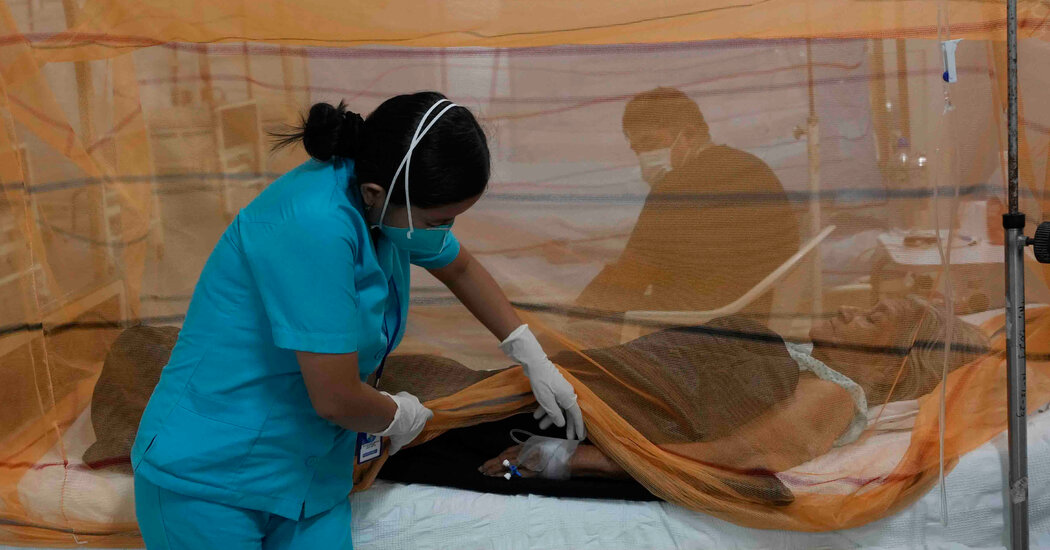
A public research institute in Brazil has proved a new shot protects against the disease, but can’t make it fast enough to stop the huge outbreak sweeping Latin America.The outbreak of dengue fever that has unfolded in Latin America over the past three months is staggering in its scale — a million cases in Brazil in a matter of weeks, a huge spike in Argentina, a state of emergency declared in Peru, and now another, in Puerto Rico.It forewarns of a changing landscape for the disease. The mosquitoes that spread dengue thrive in densely populated cities with weak infrastructure, and in warmer and wetter environments — the type of habitat that is expanding quickly with climate change.More than 3.5 million cases of dengue have been confirmed by governments in Latin America in the first three months of 2024, compared with 4.5 million in all of 2023. There have been more than 1,000 deaths so far this year. The Pan-American Health Organization is warning that this may be the worst year for dengue ever recorded.The rapidly shifting disease landscape needs new solutions, and researchers in Brazil delivered the lone shred of good news in this story with the recent announcement that a clinical trial of a new dengue vaccine, delivered in a single shot, had provided strong protection against the disease.A health worker leaves a home after fumigating it for mosquitoes to help mitigate the spread of dengue in Peru.Martin Mejia/Associated PressThere are two existing vaccines for dengue, but one is an expensive two-shot regimen, while the other can only be given to people who have already had a dengue infection.We are having trouble retrieving the article content.Please enable JavaScript in your browser settings.Thank you for your patience while we verify access. If you are in Reader mode please exit and log into your Times account, or subscribe for all of The Times.Thank you for your patience while we verify access.Already a subscriber? Log in.Want all of The Times? Subscribe.

Read more →