Climb stairs to live longer

Climbing stairs is associated with a longer life, according to research presented today at ESC Preventive Cardiology 2024, a scientific congress of the European Society of Cardiology (ESC).1
“If you have the choice of taking the stairs or the lift, go for the stairs as it will help your heart,” said study author Dr. Sophie Paddock of the University of East Anglia and Norfolk and Norwich University Hospital Foundation Trust, Norwich, UK. “Even brief bursts of physical activity have beneficial health impacts, and short bouts of stair climbing should be an achievable target to integrate into daily routines.”
Cardiovascular disease is largely preventable2 through actions like exercise. However, more than one in four adults worldwide do not meet recommended levels of physical activity.3 Stair climbing is a practical and easily accessible form of physical activity which is often overlooked. This study investigated whether climbing stairs, as a form of physical activity, could play a role in reducing the risks of cardiovascular disease and premature death.
The authors collected the best available evidence on the topic and conducted a meta-analysis. Studies were included regardless of the number of flights of stairs and the speed of climbing. There were nine studies with 480,479 participants in the final analysis. The study population included both healthy participants and those with a previous history of heart attack or peripheral arterial disease. Ages ranged from 35 to 84 years old and 53% of participants were women.
Compared with not climbing stairs, stair climbing was associated with a 24% reduced risk of dying from any cause4 and a 39% lower likelihood of dying from cardiovascular disease.5 Stair climbing was also linked with a reduced risk of cardiovascular disease including heart attack, heart failure and stroke.
Dr. Paddock said: “Based on these results, we would encourage people to incorporate stair climbing into their day-to-day lives. Our study suggested that the more stairs climbed, the greater the benefits — but this needs to be confirmed. So, whether at work, home, or elsewhere, take the stairs.”
References and notes
1The abstract ‘Evaluating the cardiovascular benefits of stair climbing: a systematic review and meta-analysis’ will be presented during the session ‘Optimal exercise modalities for primary and secondary prevention’ which takes place on 26 April 2024 at Moderated ePosters 1.

2Timmis A, Vardas P, Townsend N, et al. European Society of Cardiology: cardiovascular disease statistics 2021. Eur Heart J. 2022;43:716-799.
3World Health Organization: Physical activity.
4Relative risk 0.76, 95% confidence interval 0.62-0.94, p=0.01.
5Relative risk 0.61, 95% confidence interval 0.48-0.79, p=0.0002.

Read more →

Scientists discover a new signaling pathway and design a novel drug for liver fibrosis

A healthy liver filters all the blood in your body, breaks down toxins and digests fats. It produces collagen to repair damaged cells when the liver is injured. However, a liver can produce too much collagen when an excess accumulation of fat causes chronic inflammation, a condition called metabolic dysfunction-associated steatohepatitis (MASH). In an advanced state, MASH can lead to cirrhosis, liver cancer and liver-related death.
The cells that produce collagen in livers are called hepatic stellate cells (HSC). In a new paper published in Cell Metabolism, scientists from the University of California San Diego investigated how these cells are activated. They found a three-component signaling pathway in the nucleus that functions according to a sort of police-controlling-the-police model.
In healthy livers, the first molecule in the pathway inhibits a second molecule, which inhibits the molecule that stimulates collagen-producing genes. MASH scales down the first molecule, so that inhibition is lifted on the second and third molecules, leading to stimulation of collagen production.
After discovering the signaling pathway, the scientists designed a short piece of RNA to prove the pathway behaved the way they thought it did. This RNA, called an antisense oligonucleotide (ASO), was so effective that it not only proved the viability of the pathway but also prevented liver fibrosis — too much collagen in the liver — without causing any side effects. The scientists are currently discussing licensing the ASO as a therapeutic with various pharmaceutical and biotech companies.
“All the molecules in the pathway were known, but no one knew if or how they interacted. We put the pathway together, showing each step in this intracellular signaling module. That was the science of the research. The clinical message is this ASO, which can actually block liver fibrosis,” said Jerrold Olefsky, a professor of medicine and assistant vice chancellor for integrative research at UC San Diego Health Sciences, and senior author on the paper.
The scientists carried out their investigations in organoids — tiny little livers in a dish made from three types of liver cells fed a MASH cocktail of fatty acids, fructose and sugars. They found that in normal livers, the first component of the pathway, a nuclear seven-transmembrane protein called TM7SF3, inhibits a splicing factor called hnRNPU. hnRNPU refrains from splicing out an inhibitory exon in the messenger RNA (mRNA) of TEAD1, a transcription factor that controls the genes that produce collagen. The inhibitory exon, exon 5, keeps TEAD1 from turning on the collagen-producing genes.
In the MASH-fed organoids, TM7SF3 is reduced and does not inhibit the splicing factor. The active splicing factor splices out the inhibitory exon in the transcription factor, which turns on the genes that produce collagen. This is called alternative splicing.

Furthering their investigations, they designed an ASO to keep hnRNPU from splicing out exon 5. “It had the sequence that would put it just upstream of exon 5 where hnRPU binds. The ASO prevented the splicing factor from binding to the TEAD mRNA, so it couldn’t ultimately splice it out. We got pretty much only inactive TEAD when we treated MASH mice with the ASO,” said Olefsky. With TEAD inactivated, collagen wasn’t produced. Neither was fibrosis.
“These findings show the key role of alternative splicing in shaping progression of fibrotic liver disease,” said Roi Isaac, Ph.D., assistant project scientist, Medicine, and first author on the paper.
When ASOs are administered intravenously, they enter every cell in the body, not just the target cells. Serendipitously, the scientists found that within the liver, this hnRNPU mechanism only operated in stellate cells. That made their ASO both highly effective and highly specific — the epitome of good drug design.
According to Olefsky, a quarter of the U.S. population has MASH. While the scientists’ ASO may well be an effective treatment, getting FDA approval for it would necessitate enormous clinical studies and could cost up to a billion dollars.
Olefsky and his team identified a much less common disease called primary sclerosing cholangitis, or PSC. It’s relatively rare, often fatal, and until now there were no good treatments. When the scientists tested their ASO on a mouse model of PSC, they found that their ASO almost completely blocked the development of the disease. “Getting FDA approval for PSC would be easier than getting it for MASH,” said Olefsky, “so we’re currently talking to biotech and pharma partners about licensing the ASO for PSC.”

Read more →

High-precision blood glucose level prediction achieved by few-molecule reservoir computing

A collaborative research team from NIMS and Tokyo University of Science has successfully developed a cutting-edge artificial intelligence (AI) device that executes brain-like information processing through few-molecule reservoir computing. This innovation utilizes the molecular vibrations of a select number of organic molecules. By applying this device for the blood glucose level prediction in patients with diabetes, it has significantly outperformed existing AI devices in terms of prediction accuracy.
With the expansion of machine learning applications in various industries, there’s an escalating demand for AI devices that are not only highly computational but also feature low-power consumption and miniaturization. Research has shifted towards physical reservoir computing, leveraging physical phenomena presented by materials and devices for neural information processing. One challenge that remains is the relatively large size of the existing materials and devices.
Our research has pioneered the world’s first implementation of physical reservoir computing that operates on the principle of surface-enhanced Raman scattering, harnessing the molecular vibrations of merely a few organic molecules. The information is inputted through ion-gating, which modulates the adsorption of hydrogen ions onto organic molecules (p-mercaptobenzoic acid, pMBA) by applying voltage. The changes in molecular vibrations of the pMBA molecules, which vary with hydrogen ion adsorption, serve the function of memory and nonlinear waveform transformation for calculation. This process, using a sparse assembly of pMBA molecules, has learned approximately 20 hours of a diabetic patient’s blood glucose level changes and managed to predict subsequent fluctuations over the next 5 minutes with an error reduction of about 50% compared to the highest accuracy achieved by similar devices to date.
The outcome of this study indicates that a minimal quantity of organic molecules can effectively perform computations comparable to a computer. This technological breakthrough of conducting sophisticated information processing with minimal materials and in tiny spaces presents substantial practical benefits. It paves the way for the creation of low-power AI terminal devices that can be integrated with a variety of sensors, opening avenues for broad industrial use.

Read more →

Using stem cell-derived heart muscle cells to advance heart regenerative therapy

Regenerative heart therapies involve transplanting cardiac muscle cells into damaged areas of the heart to recover lost function. However, the risk of arrhythmias following this procedure is reportedly high. In a recent study, researchers from Japan tested a novel approach that involves injecting ‘cardiac spheroids,’ cultured from human stem cells, directly into damaged ventricles. The highly positive outcomes observed in primate models highlight the potential of this strategy.
Cardiovascular diseases are still among the top causes of death worldwide, and especially prevalent in developed countries. Myocardial infarctions, commonly known as “heart attacks,” are on the rise, resulting in a significant number of deaths each year.
Heart attacks typically kill millions of cardiac muscle cells, leaving the heart in a weakened state. Since mammals cannot regenerate cardiac muscle cells on their own, heart transplants are currently the only clinically viable option for patients suffering (or likely to suffer) heart failure. Given that full heart transplants are expensive and donors difficult to come by, it is no surprise that alternative therapies are highly sought after by the medical community.
One promising strategy that has been steadily gaining traction is using human induced pluripotent stem cells (HiPSCs) for regenerative heart therapy. Simply put, HiPSCs are cells derived from mature cells that can be effectively ‘reprogrammed’ into a completely different cell type, such as cardiac muscle cells (cardiomyocytes). By transplanting or injecting cardiomyocytes derived from HiPSCs into damaged areas of the heart, it is possible to recover some lost functionality. Unfortunately, studies have reported that this approach can increase the risk of arrythmias, posing a major hurdle to clinical trials.
In a recent study, a Japanese research team from Shinshu University and Keio University School of Medicine, tested a new strategy for regenerative heart therapy that involves injecting ‘cardiac spheroids’ derived from HiPSCs into monkeys with myocardial infarction. This study, published on April 26, 2024, in the journal Circulation, was led by Professor Yuji Shiba from the Department of Regenerative Science and Medicine, Shinshu University.
The team included Hideki Kobayashi, the first author, and Koichiro Kuwahara from the Department of Cardiovascular Medicine, Shinshu University School of Medicine, as well as Shugo Tohyama, and Keiichi Fukuda from the Department of Cardiology, Keio University School of Medicine, among others.
In their novel approach, the researchers cultivated HiPSCs in a medium that led to their differentiation into cardiomyocytes. After carefully extracting and purifying cardiac spheroids (three-dimensional clusters of cardiac cells) from the cultures, they injected approximately 6 × 10⁷ cells into the damaged hearts of crab-eating macaques (Macaca fascicularis). They monitored the condition of the animals for twelve weeks, taking regular measurements of cardiac function. Following this, they analyzed the monkeys’ hearts at the tissue level to assess whether cardiac spheroids could regenerate the damaged heart muscles.

First, the team verified the correct reprogramming of HiPSCs into cardiomyocytes. They observed, via cellular-level electrical measurements, that the cultured cells exhibited potential patterns typical of ventricular cells. The cells also responded as expected to various known drugs. Most importantly, they found that the cells abundantly expressed adhesive proteins such as connexin 43 and N-cadherin, which would promote their vascular integration into an existing heart.
Afterwards, the cells were transported from the production facility at Keio University to Shinshu University, located 230 km away. The cardiac spheroids, which were preserved at 4 °C in standard containers, withstood the four-hour journey without problem. This means that no extreme cryogenic measures would be needed when transporting the cells to clinics, which would make the proposed approach less expensive and easier to adopt.
Finally, the monkeys received injections of either cardiac spheroids or a placebo directly into the damaged heart ventricle. During the observation period, the researchers noted that arrythmias were very uncommon, with only two individuals experiencing transient tachycardia (fast pulse) in the first two weeks among the treatment group. Through echocardiography and computed tomography exams, the team confirmed that the hearts of monkeys that received treatment had better left ventricular ejection after four weeks compared to the control group, indicating a superior blood pumping capability.
Histological analysis ultimately revealed that the cardiac grafts were mature and properly connected to pre-existing existing tissue, cementing the results of previous observations. “HiPSC-derived cardiac spheroids could potentially serve as an optimal form of cardiomyocyte products for heart regeneration, given their straightforward generation process and effectiveness,” remarks Assistant Professor Kobayashi. “We believe that the results of this research will help solve the major issue of ventricular arrhythmia that occurs after cell transplantation and will greatly accelerate the realization of cardiac regenerative therapy,” he further adds.
Although tested in monkeys, it is worth noting that the cardiac spheroid production protocol used in this study was designed for clinical application in humans. “The favorable results obtained thus far are sufficient to provide a green light for our clinical trial, called the LAPiS trial. We are already employing the same cardiac spheroids on patients with ischemic cardiomyopathy,” comments Asst. Prof. Kobayashi.
Let us all hope for a resounding success in the LAPiS trial, paving the way for expanded and effective treatment avenues for people suffering from heart problems.

Read more →

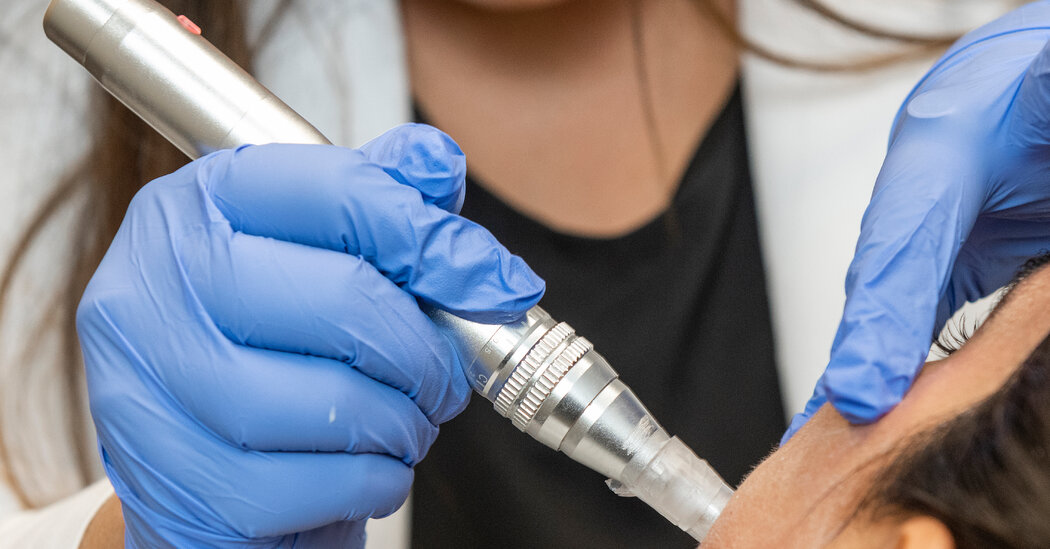
At Least Three Women Were Infected With H.I.V. After ‘Vampire Facials’

The women underwent the cosmetic procedure at an unlicensed spa in New Mexico.At least three women were infected with H.I.V. during cosmetic “vampire facial” procedures at an unlicensed spa in Albuquerque, federal officials said Thursday. It is the first time that H.I.V. transmission through cosmetic injection services has been documented, they said.The three were among a cluster of five people sharing highly similar H.I.V. strains, four of whom had undergone a procedure called platelet-rich plasma microneedling at the spa. The fifth individual, a man, had a sexual relationship with one of the women.Investigators still do not know the precise source of the contamination. A 2018 H.I.V. diagnosis in a patron who reported having no behavioral risk factors led to a public health investigation when the woman said she had received a cosmetic treatment involving needles, called a platelet-rich plasma microneedling facial.An inspection of the spa found unlabeled tubes of blood lying on a kitchen counter, others stored along with food in a refrigerator, and unwrapped syringes in drawers and trash cans.The facility also appeared to be reusing disposable equipment intended for single use only, according to a report from the Centers for Disease Control and Prevention.The report comes on the heels of an announcement by health officials earlier this month that they are investigating a string of illnesses tied to counterfeit or improperly injected Botox containing high amounts of the botulinum toxin, which is used in small doses to smooth wrinkles.We are having trouble retrieving the article content.Please enable JavaScript in your browser settings.Thank you for your patience while we verify access. If you are in Reader mode please exit and log into your Times account, or subscribe for all of The Times.Thank you for your patience while we verify access.Already a subscriber? Log in.Want all of The Times? Subscribe.

Read more →

Beth Linker is Turning Good Posture On its Head

A historian and sociologist of science re-examines the “posture panic” of the last century. You’ll want to sit down for this.For decades, the idea of standing properly upright carried considerable political and social baggage. Slouching was considered a sign of decay.In the early 20th century, posture exams became mainstays in the military, the workplace and schools, thanks in part to the American Posture League, a group of physicians, educators and health officials that formed in 1914. In 1917, a study found that roughly 80 percent of Harvard’s freshman class had poor posture. Industrialists piled on with posture-enhancing chairs, products and gadgets.But the actual science doesn’t support the conventional wisdom about proper posture, Beth Linker argues in her new book, “Slouch: Posture Panic in Modern America.” Dr. Linker, a historian and sociologist of science at the University of Pennsylvania, recently sat for an interview with The New York Times; the conversation has been condensed and edited for clarity.Nice to meet you.Your posture looks pretty good. And it doesn’t matter — that’s the whole point of my book. It’s fake news.Our obsession with great posture is fake news? I’m off the hook!Concern for posture, as a matter of etiquette, has been around since the Enlightenment, if not earlier, but poor posture did not become a scientific and medical obsession until after the publication of Darwin’s “On the Origin of Species” in 1859. He posited that humans evolved through natural selection, and that the first thing to develop was bipedalism; in other words, standing upright preceded brain development.This idea was controversial because convention taught that higher intellect distinguished humans from nonhuman animals, and now it appeared that only a mere physical difference, located in the spine and feet, separated humankind from the apes.We are having trouble retrieving the article content.Please enable JavaScript in your browser settings.Thank you for your patience while we verify access. If you are in Reader mode please exit and log into your Times account, or subscribe for all of The Times.Thank you for your patience while we verify access.Already a subscriber? Log in.Want all of The Times? Subscribe.

Read more →

First mRNA skin-cancer vaccine starts UK trial

Published6 minutes agoShareclose panelShare pageCopy linkAbout sharingImage source, PA MediaBy Michelle RobertsDigital health editorAn important trial of the world’s first “personalised” mRNA vaccine against the deadliest form of skin cancer – melanoma – is now under way in the UK. Steve Young, 52, from Stevenage, Herts, who had a melanoma growth cut out of his scalp last August, is one of the first patients to try the shot. It is designed to help his immune system recognise and wipe out any remaining cancerous cells. And hopefully, that means his cancer will not return. The jab, mRNA-4157 (V940), uses the same technology as current Covid vaccines and is being tested in final-stage Phase III trials. University College London Hospitals doctors are giving it alongside another drug, pembrolizumab or Keytruda, that also helps the immune system kill cancer cells.Genetic signatureThe combined treatment, made by Moderna and Merck Sharp and Dohme (MSD), is not yet available routinely on the NHS, outside of clinical trials. Experts in some other countries, including Australia, are also trying it on patients, to gather more evidence and see whether it should be rolled out more widely. The vaccine is personalised – meaning the make-up of it is changed to suit the individual patient. It is created to match the unique genetic signature of the patient’s own tumour and works by instructing the body to make proteins or antibodies that attack markers or antigens found only on those cancer cells.’Custom built’UCLH investigator Dr Heather Shaw said the jab had the potential to cure people with melanoma and was being tested in other cancers – lung, bladder and kidney tumours.”This is one of the most exciting things we’ve seen in a really long time,” she said.”It is absolutely custom built for the patient – you couldn’t give this to the next patient in the line because you wouldn’t expect it to work.”It’s truly personalised.”These things are hugely technical and finely generated for the patient.”‘Really excited’The UK part of the international trial aims to recruit at least 60-70 patients across eight centres, including in London, Manchester, Edinburgh and Leeds.Mr Young is having his treatment in London. He said: “I’m really, really excited.”This is my best chance at stopping the cancer in its tracks.”Common signs of melanoma include:a new abnormal molean existing mole that seems to be growing or changinga change to a previous patch of normal skinMr Young had a lump on his scalp for many years before realising the growth was cancer. The earlier a melanoma is picked up, the easier it is to treat and the more likely treatment is to be successful. More on this storyDuchess of York ‘shock’ at skin cancer diagnosisPublished22 JanuaryTop streamer Ninja diagnosed with cancer at 32Published27 MarchRelated Internet LinksUCLHThe BBC is not responsible for the content of external sites.

Read more →

One in Five Milk Samples Nationwide Shows Genetic Traces of Bird Flu

There is no evidence that the milk is unsafe to drink, scientists say. But the survey result strongly hints that the outbreak may be widespread.Federal regulators have discovered fragments of bird flu virus in roughly 20 percent of retail milk samples tested in a naturally representative study, the Food and Drug Administration said in an online update on Thursday.Samples from parts of the country that are known to have dairy herds infected with the virus were more likely to test positive, the agency said. Regulators said that there is no evidence that this milk poses a danger to consumers or that live virus is present in the milk on store shelves, an assessment public health experts have agreed with.But finding traces of the virus in such a high share of samples from around the country is the strongest signal yet that the bird flu outbreak in dairy cows is more extensive than the official tally of 33 infected herds across eight states.“It suggests that there is a whole lot of this virus out there,” said Richard Webby, a virologist and influenza expert at St. Jude Children’s Research Hospital.Dr. Webby said that he believed it was still possible to eradicate the virus, which is known as H5N1, from the nation’s dairy farms. But it will be difficult to design effective control measures without knowing the scope of the outbreak, he said.The findings also raise questions about how the virus has evaded detection and where else it might be silently spreading. Some scientists have criticized the federal testing strategy as too limited to reveal the true extent of viral spread.We are having trouble retrieving the article content.Please enable JavaScript in your browser settings.Thank you for your patience while we verify access. If you are in Reader mode please exit and log into your Times account, or subscribe for all of The Times.Thank you for your patience while we verify access.Already a subscriber? Log in.Want all of The Times? Subscribe.

Read more →

Penny Simkin, ‘Mother of the Doula Movement,’ Dies at 85

As a childbirth educator and maternal advocate, she promoted a profession that provides comfort to women giving birth and offers postpartum care as well.Penny Simkin, a childbirth educator and author who was often described as the “mother of the doula movement,” died on April 11 at her home in Seattle. She was 85.The cause was pancreatic cancer, said her daughter, Linny Simkin.Ms. Simkin, a physical therapist turned birth educator, was a pioneer in helping women have a better experience during and after birth. Doula is the Greek word for “female servant,” and it was embraced by alternative birth professionals sometime in the 1970s or ’80s to refer to someone who supports mothers during labor. In books, workshops and training organizations, Ms. Simkin helped popularize that role and worked as a doula herself.Doulas are not medical professionals; their role is to provide comfort to women in the delivery room as well as postpartum care at home. That care might include snacks, massages or warm compresses but also more substantive assistance, like suggesting movements to ease labor pains or help with breastfeeding.Ms. Simkin’s innovations included a device called the squatting bar, which is attached to a hospital bed for the mother to hang onto and squat, a position that opens the pelvis and allows gravity to help with the baby’s delivery.Her work came out of the natural childbirth movement of the 1970s, when alternatives to the standard hospital birth were being explored. But she was agnostic about home versus hospital deliveries and about pain-relieving measures. Her focus, always, was on the mother.Ms. Simkin surveyed thousands of women about their birth experiences, to better train doulas in preparing women for childbirth. “How will she remember this?” she exhorted her students.We are having trouble retrieving the article content.Please enable JavaScript in your browser settings.Thank you for your patience while we verify access. If you are in Reader mode please exit and log into your Times account, or subscribe for all of The Times.Thank you for your patience while we verify access.Already a subscriber? Log in.Want all of The Times? Subscribe.

Read more →

Advance in the treatment of acute heart failure identified

A multicenter study led by Vanderbilt University Medical Center (VUMC) and Lipscomb University College of Pharmacy in Nashville has identified a potential new treatment for acute heart failure, a leading cause of hospitalization and death.
The drug, dapagliflozin, was initially approved for the treatment of Type 2 diabetes, but it since has been shown to reduce the risk of hospitalization for heart failure and death in patients with serious health problems that include heart and chronic kidney disease and heightened cardiovascular risk.
Reporting this month in the Journal of the American College of Cardiology, the researchers found that dapagliflozin also benefits patients after admission to the hospital for acute heart failure. The drug improves diuresis, the elimination of excess fluid from the lungs, thereby relieving congestion, and it can reduce hospital stays.
“We demonstrated safety and efficacy of initiating dapagliflozin within the first day of hospitalization for acute heart failure,” said the paper’s first author, Zachary Cox, PharmD, professor of Pharmacy Practice at Lipscomb University. This “will have international impact on the treatment of acute heart failure.”
Each year 800,000 patients with acute heart failure are admitted to U.S. hospitals from emergency rooms. These patients are at high risk for prolonged hospital stays and death. The annual cost of treating acute heart failure in the United States is estimated to exceed $34 billion.
Diuretics are administered to most patients with acute heart failure to improve symptoms and lung congestion caused by fluid buildup. However, the optimal approach to diuretic therapy in patients hospitalized for acute heart failure remains poorly defined and contributes to prolonged inpatient stays and high death and readmission rates.
Furthermore, many patients do not respond to diuretics, and about half of patients are discharged with persistent congestion. This can result in patients returning to the hospital soon after discharge and being readmitted for further heart failure therapy.

Dapagliflozin is a sodium-glucose cotransporter 2 (SGLT2) inhibitor that acts on the kidneys to increase the removal of sodium and glucose from the body. In April 2020, VUMC began a randomized, clinical trial of the drug in patients hospitalized with acute heart failure.
The study was designed by VUMC’s JoAnn Lindenfeld, MD, and Sean Collins, MD, MSc, and by Cox, a member of VUMC’s heart failure research team.
Lindenfeld, professor of Medicine in the Division of Cardiology, is nationally known for her innovative contributions to the field of heart failure.
Collins, professor of Emergency Medicine, directs the Center for Emergency Care Research and Innovation (CERI), a national leader in emergency care research, co-directs the Vanderbilt Coordinating Center, which supports VUMC-led clinical research, and is associate director for clinical trials research in the Vanderbilt Institute for Medicine and Public Health.
Cox is a fellow of the Heart Failure Society of America who has published extensively in the field.
Despite the COVID-19 pandemic, which reached its crescendo in the middle of the study, the researchers were able to enroll 240 patients and complete the trial, “thanks to the diligent effort and collaboration between the CERI research team, and … the departments of emergency medicine and cardiology,” Cox said.

“This unique partnership allows VUMC to conduct trials in acute heart failure that are only possible in a small number of medical centers across the world,” he said.
The trial “really highlights the novelty of our Emergency Medicine infrastructure, and why we are a leader in designing and conducting highly impactful clinical trials such as this one,” Collins added.
Patients were enrolled at five sites in addition to VUMC: TriStar Centennial Medical Center and Ascension St. Thomas Hospital West in Nashville, the University of North Carolina at Chapel Hill, the University of Mississippi Medical Center in Jackson, and INTEGRIS Health Baptist Medical Center in Oklahoma City.
Within 24 hours of admission for acute heart failure, patients were randomized to receive either dapagliflozin or conventional diuretic treatment.
While early administration of dapagliflozin did not improve weight-based diuretic efficiency compared to conventional treatment, patients who received the drug experienced no increase in adverse events, required shorter periods of IV diuresis, and were discharged faster during the five-day study period.
The trial demonstrated the safety and efficacy of starting a drug during early hospitalization that will continue to be prescribed upon discharge to help achieve optimal outpatient therapy and reduce the likelihood of readmission.
“It is a way to both improve diuresis AND get a head start on implementing Guideline Directed Medical Therapy in patients with acute heart failure,” Lindenfeld said.
Other VUMC co-authors are Cathy Jenkins, MS, and Frank Harrell Jr., PhD, Department of Biostatistics, and Christina Kampe, MAcc, Karen Miller, RN, MPA, and William Stubblefield, MD, MPH, Department of Emergency Medicine.
The study was an investigator-initiated trial funded by AstraZeneca but independently conducted by VUMC investigators. Dapagliflozin is marketed under the brand name FARXIGA. Acute heart failure research at VUMC is supported in part by the National Heart, Lung and Blood Institute of the National Institutes of Health.

Read more →