Could a medicated foam make gene therapies more accessible?

Foam mixed with medications is already used to treat conditions such as varicose veins, hemorrhoids, wounds on the skin and even hair loss. Now, Fred Hutch Cancer Center scientists have found that foam might also be used as a vehicle to deliver expensive gene therapies.
Published May 28 in Nature Communications, bioengineer Matthias Stephan, MD, PhD, and his Fred Hutch team report that a foaming liquid worked better than a standard liquid formulation at transferring gene therapy components to cells in laboratory studies.
“Gene therapies are the new wave of medicine, but they are extremely expensive and difficult to make,” said Stephan, a professor in the Translational and Therapeutics Division at Fred Hutch. “Our gene therapy foam shows for the first time that by taking a small amount of an expensive gene therapy drug, increasing its volume by embedding it in a solution that is mostly made of densely packed air bubbles and then applying it to cells, we can achieve a strong and safe transfer of gene therapy agents to cells.”
Gene therapies in development for cancers, infectious diseases, inherited disorders and other diseases hold tremendous promise for providing long-lasting treatments by fixing the underlying biology. However, they also face major barriers including getting the therapies to the parts of the body where they’re needed and the high cost of making laboratory-modified viruses called vectors that deliver therapies to diseased cells. Foam could be the key to delivering gene therapies more simply and cheaply.
While the study is proof-of-concept, Stephan envisions the gene therapy foam as a possible solution for treating cancers that are in confined spaces, such as ovarian, pancreatic and gastrointestinal cancer and autoimmune diseases that affect the digestive system.
“The foam could be applied to confined spaces to push again body tissues that have the disease, and the medication in the foam could adhere to those diseased cells,” Stephan explained. “Then as the air bubbles pop, the liquid with the gene therapy can drain away.”
Stephan has used other materials, such as nanoparticles and a tiny implantable sponge, to deliver genetic instructions to fight disease directly to cells. Looking for a new delivery vehicle, he was inspired by shaving foam.

“Foam is mostly gas bubbles separated by thin liquid films and it is already safely used in medicines and the food industry,” Stephan said. “We have not seen foam used with genetic materials, and I wondered if it could help solve the problem of gene therapy delivery.”
In the lab
In a series of lab experiments, Stephan and his team examined whether they could take a small amount of very expensive gene therapy vectors, mix them with gene editing materials and different foaming agents, and then apply the mixture to cells to see if the cells would take up the gene edits.
To test their approach, the team used another immune-based therapy: the mRNA for a COVID-19 vaccine, which teaches the immune system to attack the virus by showing the immune system the biological code for what the virus looks like.
The Fred Hutch team made their own solution of a COVID-19 mRNA vaccine with a biological tweak that allowed it to glow once it was delivered to cells. This way, once the lab-engineered gene therapy product was taken up by cells, the team could see it using a microscope.
To develop the foam, the team determined methylcellulose, a food additive used in ice cream and other products, created the best foam for transferring gene therapy product to cells and stayed in place where it was deposited.

When the team mixed the foam with cells, the foam substantially boosted gene transfer and outperformed liquid formulations. Then, when the team injected a small amount of foam into the abdominal cavity of mice, within one day the gene therapy transferred from the foam to the targeted cells without significant side effects.
Beyond the lab
The technology is many years from being used in people. Stephan hopes to attract external academic and industry collaborators to further develop the approach.
“The goal of my work is to make modern medicines work better for people everywhere,” Stephan said. “I believe that our future medical breakthroughs will arise from our deep understanding of disease biology and our knack for finding innovative solutions in unexpected places.”
Read more →

Heart healthy behaviors may help reverse rapid cell aging

The benefit of better heart health may be associated with the positive impact of heart healthy lifestyle factors on biological aging (the age of the body and its cells), according to new research published today in the Journal of the American Heart Association, an open access, peer-reviewed journal of the American Heart Association.
“Our study findings tell us that no matter what your actual age is, better heart-healthy behaviors and managing heart disease risk factors were associated with a younger biological age and a lower risk of heart disease and stroke, death from heart disease and stroke and death from any cause,” said Jiantao Ma, Ph.D., senior study author and an assistant professor in the division of nutrition epidemiology and data science at the Friedman School of Nutrition Science and Policy at Tufts University in Boston.
This study analyzed whether a chemical modification process known as DNA methylation, which regulates gene expression, may be one mechanism by which cardiovascular disease health factors affect cell aging and the risk of death. DNA methylation levels are the most promising biomarker to estimate biological age. To some degree, biological age is determined by your genetic makeup, and it can also be influenced by lifestyle factors and stress.
Researchers examined health data for 5,682 adults (mean age of 56 years; 56% of participants were women) who were enrolled in the Framingham Heart Study, an ongoing, large, multigenerational research project aimed at identifying risk factors for heart disease. Using interviews, physical exams and laboratory tests, all participants were assessed using the American Heart Association’s Life’s Essential 8 tool. The tool scores cardiovascular health between 0-100 (with 100 being the best) using a composite of four behavioral measures (dietary intake, physical activity, hours slept per night and smoking status) and four clinical measurements (body mass index, cholesterol, blood sugar and blood pressure). Each participant was also assessed using four tools that estimate biological age based on DNA methylation and a fifth tool that assesses a person’s genetic tendency towards accelerated biological aging. Participants were followed for 11-14 years for new-onset cardiovascular disease, cardiovascular death or death from any cause.
The analysis found: For each 13-point increase in an individual’s Life’s Essential 8 score, the risk of developing cardiovascular disease for the first time was reduced by about 35%, death from cardiovascular disease was reduced by 36% and death from any cause was reduced by 29%. In participants with a genetic risk profile making them more likely to have an accelerated biological age, the Life’s Essential 8 score had a larger impact on outcomes potentially via DNA methylation, i.e., DNA methylation accounted for 39%, 39%, and 78% reduction in the risk of cardiovascular disease , cardiovascular death and all-cause death, respectively. Overall, about 20% of the association between Life’s Essential 8 scores and cardiovascular outcomes was estimated to be due to the impact of cardiovascular health factors on DNA methylation; in contrast, for participants at higher genetic risk, the association was almost 40%.”While there are a few DNA methylation-based, biological age calculators commercially available, we don’t have a good recommendation regarding whether people need to know their epigenetic age,” Ma said. “Our message is that everyone should be mindful of the eight heart disease and stroke health factors: eat healthy foods; be more active; quit tobacco; get healthy sleep; manage weight; and maintain healthy cholesterol, blood sugar and blood pressure levels.”
Randi Foraker, Ph.D., M.A., FAHA, co-author of the Life’s Essential 8: Updating and Enhancing the American Heart Association’s Construct of Cardiovascular Health, said the findings are consistent with prior research.

“We know that modifiable risk factors and DNA methylation are independently associated with cardiovascular disease. What this study adds is that DNA methylation may serve as a mediator between risk factors and cardiovascular disease,” said Foraker, who is a professor of medicine at the Institute for Informatics, Data Science and Biostatistics and director of the Center for Population Health Informatics, both at Washington University School of Medicine in St. Louis, Missouri. “The study highlights how cardiovascular health can impact biological aging and has important implications for healthy aging and prevention of cardiovascular disease and potentially other health conditions.”
Study details, background and design: The study analyzed health data for a subgroup of participants who attended the Framingham Heart Study exams in the offspring group from 2005 to 2008 and the third-generation group from 2008 to 2011. Participants were followed for an average of 14 years for children of original participants and 11 years for the grandchildren. Health outcomes for the analysis included the development of cardiovascular disease (coronary heart disease, heart attack, stroke or heart failure), death from any cardiovascular disease or death from any cause. Results were adjusted for sex, age and alcohol use. Results for all-cause death were adjusted for the presence of cancer (excluding non-melanoma skin cancer) or heart disease at study enrollment. Participants already diagnosed with heart disease at study enrollment were excluded from the analysis of new-onset cardiovascular disease. The four tools to measure DNA methylation-based epigenetic age scores were based on established algorithms for DunedinPACE Score, PhenoAge, DNAmTL and GrimAge. A fifth tool, GrimAge PGS, assessed genetic tendency towards accelerated biological aging.Because the study is an analysis of previously collected health data, it cannot prove a cause-and-effect relationship between cardiovascular health risk factors and DNA methylation. In addition, DNA methylation measures were from a single time point, which limits the validity of the mediation effect. The study’s findings are also limited because the participants were predominantly of European ancestry, so the interactions of Life’s Essential 8 and genetic aging found in this study may not be generalizable to people of other races or ethnicities.
“Currently, we are expanding our research to include people of other racial and ethnic groups to further investigate the relationship of cardiovascular risk factors and DNA methylation,” Ma said.
According to the American Heart Association’s 2024 Heart Disease and Stroke Statistics, heart disease and stroke claimed more lives in the U.S. in 2021 than all forms of cancer and chronic lower respiratory disease combined, and also accounted for approximately 19.91 million global deaths.

Read more →

Hitting the target with non-invasive deep brain stimulation: Potential therapy for addiction, depression, and OCD

Neurological disorders, such as addiction, depression, and obsessive-compulsive disorder (OCD), affect millions of people worldwide and are often characterized by complex pathologies involving multiple brain regions and circuits. These conditions are notoriously difficult to treat due to the intricate and poorly understood nature of brain functions and the challenge of delivering therapies to deep brain structures without invasive procedures.
In the rapidly evolving field of neuroscience, non-invasive brain stimulation is a new hope for understanding and treating a myriad of neurological and psychiatric conditions without surgical intervention or implants. Researchers, led by Friedhelm Hummel, who holds the Defitchech Chair of Clinical Neuroengineering at EPFL’s School of Life Sciences, and postdoc Pierre Vassiliadis, are pioneering a new approach in the field, opening frontiers in treating conditions like addiction and depression.
Their research, leveraging transcranial Temporal Interference Electric Stimulation (tTIS), specifically targets deep brain regions that are the control centers of several important cognitive functions and involved in different neurological and psychiatric pathologies. The research, published in Nature Human Behaviour, highlights the interdisciplinary approach that integrates medicine, neuroscience, computation, and engineering to improve our understanding of the brain and develop potentially life-changing therapies.
“Invasive deep brain stimulation (DBS) has already successfully been applied to the deeply seated neural control centers in order to curb addiction and treat Parkinson, OCD or depression,” says Hummel. “The key difference with our approach is that it is non-invasive, meaning that we use low-level electrical stimulation on the scalp to target these regions.”
Vassiliadis, lead author of the paper, a medical doctor with a joint PhD, describes tTIS as using two pairs of electrodes attached to the scalp to apply weak electrical fields inside the brain. “Up until now, we couldn’t specifically target these regions with non-invasive techniques, as the low-level electrical fields would stimulate all the regions between the skull and the deeper zones — rendering any treatments ineffective. This approach allows us to selectively stimulate deep brain regions that are important in neuropsychiatric disorders,” he explains.
The innovative technique is based on the concept of temporal interference, initially explored in rodent models, and now successfully translated to human applications by the EPFL team. In this experiment, one pair of electrodes is set to a frequency of 2,000 Hz, while another is set to 2,080 Hz. Thanks to detailed computational models of the brain structure, the electrodes are specifically positioned on the scalp to ensure that their signals intersect in the target region.
It is at this juncture that the magic of interference occurs: the slight frequency disparity of 80 Hz between the two currents becomes the effective stimulation frequency within the target zone. The brilliance of this method lies in its selectivity; the high base frequencies (e.g., 2,000 Hz) do not stimulate neural activity directly, leaving the intervening brain tissue unaffected and focusing the effect solely on the targeted region.

The focus of this latest research is the human striatum, a key player in reward and reinforcement mechanisms. “We’re examining how reinforcement learning, essentially how we learn through rewards, can be influenced by targeting specific brain frequencies,” says Vassiliadis. By applying stimulation of the striatum at 80 Hz, the team found they could disrupt its normal functioning, directly affecting the learning process.
The therapeutic potential of their work is immense, particularly for conditions like addiction, apathy and depression, where reward mechanisms play a crucial role. “In addiction, for example, people tend to over-approach rewards. Our method could help reduce this pathological overemphasis,” Vassiliadis, who is also a researcher at UCLouvain’s Institute of Neuroscience, points out.
Furthermore, the team is exploring how different stimulation patterns can not only disrupt but also potentially enhance brain functions. “This first step was to prove the hypothesis of 80 Hz affecting the striatum, and we did it by disrupting it’s functioning. Our research also shows promise in improving motor behavior and increasing striatum activity, particularly in older adults with reduced learning abilities,” Vassiliadis adds.
Hummel, a trained neurologist, sees this technology as the beginning of a new chapter in brain stimulation, offering personalized treatment with less invasive methods. “We’re looking at a non-invasive approach that allows us to experiment and personalize treatment for deep brain stimulation in the early stages,” he says. Another key advantage of tTIS is its minimal side effects. Most participants in their studies reported only mild sensations on the skin, making it a highly tolerable and patient-friendly approach.
Hummel and Vassiliadis are optimistic about the impact of their research. They envision a future where non-invasive neuromodulation therapies could be readily available in hospitals, offering a cost-effective and expansive treatment scope.

Read more →

Health risk from global warming predictor of city climate action during COVID-19, study finds

Cities around the world were more likely to maintain climate action and enact ‘green recovery’ long-term plans after the pandemic if local decision-makers were more alert to the health risks of climate change, a new global study has shown.
The health benefits of tackling climate change, such as cleaner air and more access to green spaces, were key drivers in city officials’ decisions to continue with climate plans despite funding shortfalls caused by the COVID-19 crisis.
Overall, the study showed that enduring and ambitious climate action during the pandemic was more common in cities in the Global South than in Europe or North America, despite greater funding challenges.
Officials in these cities were also more likely to employ successful practices such as partnering with other cities to strengthen climate action plans, or with businesses to bolster sustainability initiatives.
Study first author Dr Tanya O’Garra, from the Centre from Environmental Policy at Imperial College London, and Middlesex University, said: “Nearly 60% of people live in cities worldwide, which can be economically beneficial for them, but city-dwellers are increasingly vulnerable to multiple crises caused by pandemics, conflict and climate change itself.
“City leaders often pave the way with ambitious climate action until calls to tackle these other threats can draw funds away from their climate goals. Because these major challenges are so intertwined, this leaves their populations more vulnerable to all risks.
“If we find out how city officials can maintain action in the face of such challenges, we can help large populations, especially the poorest and most vulnerable to these interconnected risks, avoid the most serious consequences of climate change.”
The research, conducted by researchers in Canada, Germany, the Netherlands, the United States and the UK, is published in the journal Nature Cities.

Driving climate action
The team analysed survey data provided by city officials on the Carbon Disclosure Platform (CDP) from 2021, and other sources, to assess how 793 cities globally responded to the COVID-19 crisis in terms of their climate actions, funding and green recovery efforts.
While they found that in the short term, the majority of city decision-makers kept up their climate commitments, green recovery plans were set up in only 43% of cities, suggesting the remainder of the cities are not investing in longer-term climate plans.
Many previous studies of local city-based climate plans have focused on North America and Europe, but in this study 48% of the cities assessed were in the Global South. The results show that, in general, decision-makers for Global South cities have higher ambition in climate action and promoted more green recovery efforts despite facing greater funding shortfalls than cities in Europe and North America.
The team identified two broad reasons underlying city officials’ commitments to climate action. The first is exposure to environmental stress: in cities where citizens experience more climate-related issues (for example, climate hazards like floods or droughts, or persistent issues like air pollution) officials are more motivated to pursue sustained climate action.
The second was early engagement with climate and sustainability: the more that city officials had already engaged in addressing climate and sustainability issues (for example, by joining climate networks, or by aligning economic development with sustainability), the more likely these issues had become embedded in city policies, processes and interactions, making them more likely to continue even under a crisis scenario.

Measuring motivations
The team are now conducting in-depth interviews with city planning and administration officials in a selection of the cities. Preliminary interviews with officials in Kochi, India, confirmed the credit for their resilience was due to many of the factors the team had identified in the data.
For example, interviewees identified the benefits of existing coordination between state and local bodies and engagement with different stakeholders in planning, including academics, entrepreneurs, civil society organizations and the public.
They noted that the pandemic also led to an increased focus on climate action in the city, which has also occurred after other natural disasters.

Read more →

Public have no difficulty getting to grips with an extra thumb, study finds

Cambridge researchers have shown that members of the public have little trouble in learning very quickly how to use a third thumb — a controllable, prosthetic extra thumb — to pick up and manipulate objects.
The team tested the robotic device on a diverse range of participants, which they say is essential for ensuring new technologies are inclusive and can work for everyone.
An emerging area of future technology is motor augmentation — using motorised wearable devices such as exoskeletons or extra robotic body parts to advance our motor capabilities beyond current biological limitations.
While such devices could improve the quality of life for healthy individuals who want to enhance their productivity, the same technologies can also provide people with disabilities new ways to interact with their environment.
Professor Tamar Makin from the Medical Research Council (MRC) Cognition and Brain Sciences Unit at the University of Cambridge said: “Technology is changing our very definition of what it means to be human, with machines increasingly becoming a part of our everyday lives, and even our minds and bodies.
“These technologies open up exciting new opportunities that can benefit society, but it’s vital that we consider how they can help all people equally, especially marginalised communities who are often excluded from innovation research and development. To ensure everyone will have the opportunity to participate and benefit from these exciting advances, we need to explicitly integrate and measure inclusivity during the earliest possible stages of the research and development process.”
Dani Clode, a collaborator within Professor Makin’s lab, has developed the Third Thumb, an extra robotic thumb aimed at increasing the wearer’s range of movement, enhancing their grasping capability and expanding the carrying capacity of the hand. This allows the user to perform tasks that might be otherwise challenging or impossible to complete with one hand or to perform complex multi-handed tasks without having to coordinate with other people.

The Third Thumb is worn on the opposite side of the palm to the biological thumb and controlled by a pressure sensor placed under each big toe or foot. Pressure from the right toe pulls the Thumb across the hand, while the pressure exerted with the left toe pulls the Thumb up toward the fingers. The extent of the Thumb’s movement is proportional to the pressure applied, and releasing pressure moves it back to its original position.
In 2022, the team had the opportunity to test the Third Thumb at the annual Royal Society Summer Science Exhibition, where members of the public of all ages were able to use the device during different tasks. The results are published today in Science Robotics.
Over the course of five days, the team tested 596 participants, ranging in age from three to 96 years old and from a wide range of demographic backgrounds. Of these, only four were unable to use the Third Thumb, either because it did not fit their hand securely, or because they were unable to control it with their feet (the pressure sensors developed specifically for the exhibition were not suitable for very lightweight children).
Participants were given up to a minute to familiarise themselves with the device, during which time the team explained how to perform one of two tasks.
The first task involved picking up pegs from a pegboard one at a time with just the Third Thumb and placing them in a basket. Participants were asked to move as many pegs as possible in 60 seconds. 333 participants completed this task.
The second task involved using the Third Thumb together with the wearer’s biological hand to manipulate and move five or six different foam objects. The objects were of various shapes that required different manipulations to be used, increasing the dexterity of the task. Again, participants were asked to move as many objects as they could into the basket within a maximum of 60 seconds. 246 participants completed this task.

Almost everyone was able to use the device straightaway. 98% of participants were able to successfully manipulate objects using the Third Thumb during the first minute of use, with only 13 participants unable to perform the task.
Ability levels between participants were varied, but there were no differences in performance between genders, nor did handedness change performance — despite the Thumb always being worn on the right hand. There was no definitive evidence that people who might be considered ‘good with their hands’ — for example, they were learning to play a musical instrument, or their jobs involved manual dexterity — were any better at the tasks.
Older and younger adults had a similar level of ability when using the new technology, though further investigation just within the older adults age bracket revealed a decline in performance with increasing age. The researchers say this effect could be due to the general degradation in sensorimotor and cognitive abilities that are associated with ageing and may also reflect a generational relationship to technology.
Performance was generally poorer among younger children. Six out of the 13 participants that could not complete the task were below the age of 10 years old, and of those that did complete the task, the youngest children tended to perform worse compared to older children. But even older children (aged 12-16 years) struggled more than young adults.
Dani said: “Augmentation is about designing a new relationship with technology — creating something that extends beyond being merely a tool to becoming an extension of the body itself. Given the diversity of bodies, it’s crucial that the design stage of wearable technology is as inclusive as possible. It’s equally important that these devices are accessible and functional for a wide range of users. Additionally, they should be easy for people to learn and use quickly.”
Co-author Lucy Dowdall, also from the MRC Cognition and Brain Science Unit, added: “If motor augmentation — and even broader human-machine interactions — are to be successful, they’ll need to integrate seamlessly with the user’s motor and cognitive abilities. We’ll need to factor in different ages, genders, weight, lifestyles, disabilities — as well as people’s cultural, financial backgrounds, and even likes or dislikes of technology. Physical testing of large and diverse groups of individuals is essential to achieve this goal.”
There are countless examples of where a lack of inclusive design considerations has led to technological failure: Automated speech recognition systems that convert spoken language to text have been shown to perform better listening to white voices over Black voices. Some augmented reality technologies have been found to be less effective for users with darker skin tones. Women face a higher health risk from car accidents, due to car seats and seatbelts being primarily designed to accommodate ‘average’ male-sized dummies during crash testing. Hazardous power and industrial tools designed for a right-hand dominant use or grip have resulted in more accidents when operated by left-handers forced to use their non-dominant hand.This research was funded by the European Research Council, Wellcome, the Medical Research Council and Engineering and Physical Sciences Research Council.

Read more →

New immunotherapy could treat cancer in the bone

A new type of immunotherapy, developed by UCL researchers, has shown promising preclinical results against a bone cancer called osteosarcoma, as part of a study in mice.
Osteosarcoma is the most common bone cancer in teenagers but is still relatively rare, with around 160 new cases each year in the UK. Meanwhile, more than 150,000 people suffer from cancer that has spread to the bones.
Cancer that starts in or spreads to the bones is particularly hard to treat, meaning that it is a leading cause of cancer-related death. It is also frequently resistant to chemotherapy, so new treatments are needed.
The results of the experiment, published in Science Translational Medicine, found that using a small subset of immune cells, called gamma-delta T cells (gdT cells) could provide an efficient and cost-effective solution.
gdT cells are a less well-known type of immune cell that can be made from healthy donor immune cells. They have strong innate anti-cancer properties, can kill antibody labelled targets and can safely be given from one person to another, without the risk of graft-versus-host disease.
In order to manufacture the cells, blood is taken from a healthy donor. The gdT cells are then engineered to release tumour targeting antibodies and immune stimulating chemicals called cytokines, before being injected into the patient with cancer in the bone. This new treatment delivery platform is called OPS-gdT.
The researchers tested the treatment on mouse models with bone cancer and found that OPS-gdT cells outperformed conventional immunotherapy when controlling osteosarcoma growth.

Lead author, Dr Jonathan Fisher (UCL Great Ormond Street Institute of Child Health and UCLH), said: “Current immunotherapies such as CAR-T cells (another type of immunotherapy using genetically modified immune cells) use the patient’s own immune cells and engineer them to improve their cancer-killing properties. However, this is expensive and takes time, during which a patient’s disease can get worse. And, while it is an effective treatment for leukaemia it has been found to be less effective against solid cancers.
“An alternative is to use an ‘off the shelf’ treatment made from healthy donor immune cells, but in order to do this care must be taken to avoid graft-versus-host disease, where the donor immune cells attack the patient’s body.
“The Fisher Lab discovered a way of engineering the previously under-utilised gdT cells, which have been clinically proven to be safe when made from unrelated donor blood. This offers a more cost-effective alternative to current per-patient manufacturing.”
As part of the trial, researchers injected the mice with gdT cells that hadn’t been engineered at all, an anti-tumour antibody, OPS-gdT cells alongside a bone sensitising drug, and CAR T-cells.
They found that the OPS-gdT cells were most effective when partnered with the bone sensitising drug — which has previously been used on its own to strengthen weak bones in patients with cancer. This treatment prevented the tumours from growing in the mice that received it — leaving them healthy three months later.
Dr Fisher said: “Thousands upon thousands of people have cancer that spreads to the bones. There is currently very little that can be done to cure these patients. However, this is an exciting step forward in finding a potential new treatment.

“Our hope is that not only will this treatment work for osteosarcoma but also other adult cancers.”
Following the successful preclinical trial, the team is now generating data on the effectiveness of OPS-gdT cells in secondary bone cancers and plan to move towards an early phase clinical trial using patients with secondary cancers within the next couple of years.
This work was supported by UCLB, the innovation commercialisation operation for UCL. Sara Garcia Gomez, Senior Business Manager at UCLB, said: “We work closely with clinicians at the forefront of research to help them bring new treatments from the lab to the patient. With few treatment options out there for bone cancers, this study has shown encouraging potential for new therapies. We will continue to work closely Dr Fisher and his team through the next important stages of exploring the potential of this new approach.”
The research was also supported by UCL Technology Fund and the National Institute for Health and Care Research GOSH Biomedical Research Centre (NIHR GOSH BRC). It also received support from Professor Katia Scotlandi (Rizzoli Orthopaedic Institute, Bologna), the Children’s Cancer and Leukaemia Group and the Little Princess Trust.
Tanel Ozdemir, Investor, UCL Technology Fund said: “We’ve had the pleasure of working with Dr Fisher and his talented team at UCL for a number of years now. We believe the OPS-gdT platform demonstrates a significant leap in how effectively apply immunotherapies to treat solid tumours. We’re extremely excited by the potential of technology and look forward to continuing our support of Dr Fisher as he tries to bring this treatment to patients.”

Read more →

The Textbooks Were Wrong About That Map of the Tongue’s Taste Buds

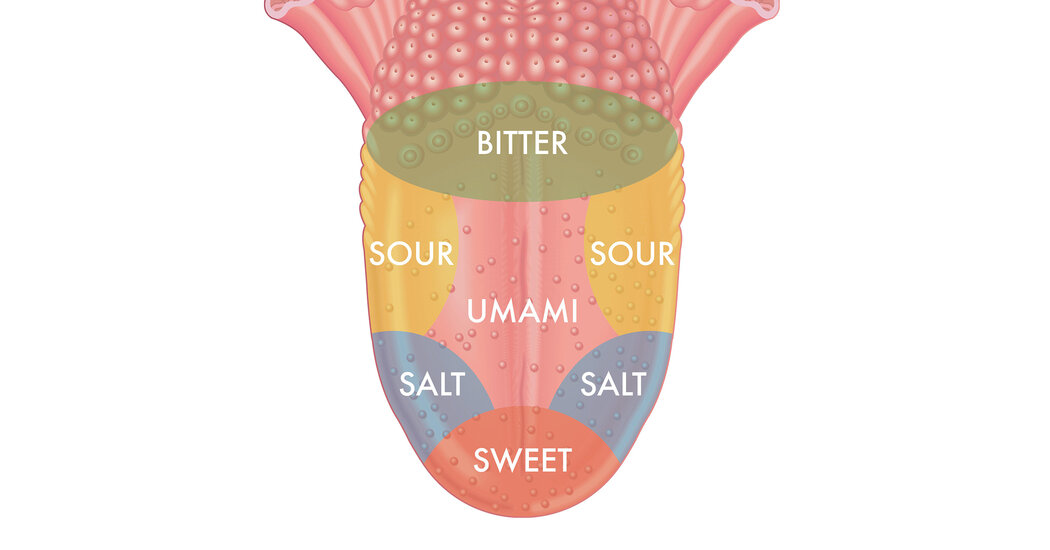
The perception of taste is remarkably complex, not only on the tongue but in organs throughout the body.Think for a minute about the little bumps on your tongue. You probably saw a diagram of those taste bud arrangements once in a biology textbook — sweet sensors at the tip, salty on either side, sour behind them, bitter in the back.But the idea that specific tastes are confined to certain areas of the tongue is a myth that “persists in the collective consciousness despite decades of research debunking it,” according to a review published this month in The New England Journal of Medicine. Also wrong: the notion that taste is limited to the mouth.The old diagram, which has been used in many textbooks over the years, originated in a study published by David Hanig, a German scientist, in 1901. But the scientist was not suggesting that various tastes are segregated on the tongue. He was actually measuring the sensitivity of different areas, said Paul Breslin, a researcher at Monell Chemical Senses Center in Philadelphia. “What he found was that you could detect things at a lower concentration in one part relative to another,” Dr. Breslin said. The tip of the tongue, for example, is dense with sweet sensors but contains the others as well.The map’s mistakes are easy to confirm. If you place a lemon wedge at the tip of your tongue, it will taste sour, and if you put a bit of honey toward the side, it will be sweet.The perception of taste is a remarkably complex process, starting from that first encounter with the tongue. Taste cells have a variety of sensors that signal the brain when they encounter nutrients or toxins. For some tastes, tiny pores in cell membranes let taste chemicals in.Such taste receptors aren’t limited to the tongue; they are also found in the gastrointestinal tract, liver, pancreas, fat cells, brain, muscle cells, thyroid and lungs. We don’t generally think of these organs as tasting anything, but they use the receptors to pick up the presence of various molecules and metabolize them, said Diego Bohórquez, a self-described gut-brain neuroscientist at Duke University. For example, when the gut notices sugar in food, it tells the brain to alert other organs to get ready for digestion.We are having trouble retrieving the article content.Please enable JavaScript in your browser settings.Thank you for your patience while we verify access. If you are in Reader mode please exit and log into your Times account, or subscribe for all of The Times.Thank you for your patience while we verify access.Already a subscriber? Log in.Want all of The Times? Subscribe.

Read more →

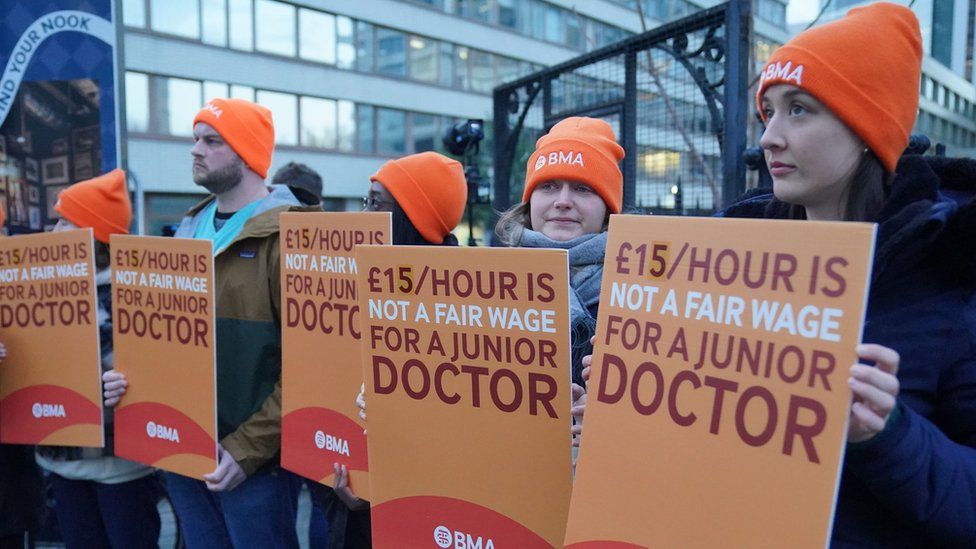
Junior doctors call five-day pre-election strike

PublishedJust nowShareclose panelShare pageCopy linkAbout sharingImage source, PA MediaBy Nick TriggleHealth correspondentJunior doctors in England are to stage a five-day strike in the lead-up to the election in their long-running pay dispute with the government.British Medical Association (BMA) members will walk out from 07:00 BST on 27 June – a week before election day.The union said it was taking action as there had been no credible new offer after fresh talks started in mid-May.The BMA has asked for a 35% pay rise to make up for what it says is 15 years of below-inflation pay rises.Junior doctors received a pay rise averaging nearly 9% in the last financial year. The BMA walked out of talks last year during which an extra 3% pay rise on top was discussed.What are junior doctors paid – and how much to settle?Why talk of a UK doctor exodus is prematureThis will be the 11th walkout by junior doctors in this dispute after their first strike in March 2023. The last one took place in February.It will see junior doctors walk out of all services, with senior doctors having to be drafted in to provide cover.That will cause huge disruption to elective services, such as routine operations, days before the general election.BMA junior doctors committee co-chairs Dr Robert Laurenson and Dr Vivek Trivedi said: “We made clear to the government that we would strike unless discussions ended in a credible pay offer. “For more than 18 months we have been asking Rishi Sunak to put forward proposals to restore the pay junior doctors have lost over the past 15 years.”They added: “When we entered mediation with government this month we did so under the impression that we had a functioning government that would soon be making an offer. Clearly no offer is now forthcoming. Junior doctors are fed up and out of patience. “Even at this late stage Mr Sunak has the opportunity to show that he cares about the NHS and its workers.”Strike action has also been taking place in Northern Ireland with another walkout planned in early June. Walkouts in Wales are on hold as talks take place.Junior doctors have not been on strike in Scotland after they accepted a pay offer from the government there.Saffron Cordery, deputy chief executive at NHS Providers, which represents hospitals, said the news of fresh strike action was a “worrying escalation” of the dispute.”This strike will inevitably hit patients hard,” she said.”As always, trust leaders and their teams will do everything they can to protect patient safety. “They will spend countless hours preparing for the walkout, which includes cancelling and rescheduling appointments. This is time they would prefer to spend improving patient care and tackling sky-high waiting lists.”Nearly 1.5 million appointments and operations have been cancelled because of strike action in the NHS in England at an estimated cost of £3 billion.Consultants, nurses and midwives alongside other non-medical staff have all accepted pay offers over the past 12 months in England.

Read more →

Labour promises to hit 18-week NHS waiting target

Published19 minutes agoShareclose panelShare pageCopy linkAbout sharingImage source, Getty ImagesBy Nick TriggleHealth correspondentA target to start treatment within 18 weeks for most NHS patients in England will be hit within five years, Labour has promised.The party made the pledge as it set out details of how it would start making inroads into the backlog.This includes getting the NHS to do more out-of-hours, and making greater use of the private sector.Currently the waiting list stands at 7.5 million treatments.Treatment is defined as an operation – if a patient requires that – or starting a drug treatment or any other kind of care. Patients can have scans and checkups before treatment starts and either be taken off of the waiting list – for example if they require physio or remain on the list for further care.Figures are down from a peak of nearly 7.8 million in September and is still 3 million more than before the pandemic. Since the end of March some 43% have waited longer than 18 weeks.The NHS target, which calls for 92% of patients to start their treatment within 18 weeks, was last hit in February 2016.Cutting NHS waiting lists is also a government goal – it was one of five priorities Prime Minister Rishi Sunak set out in January 2023.”If the Conservatives get another five years in power there is a genuine risk, based on Rishi Sunak’s performance to date, that we’ll see NHS waiting lists rise as high as 10 million,” the shadow health secretary told BBC Breakfast on Wednesday.Labour’s Wes Streeting said his party’s pledge to make use of “spare capacity” in the independent healthcare sector would remain “free at the point of use”.”Huge numbers” of people were opting to go private where they could afford it, he said, adding: “I’m not going to see working class people left behind while operating theatres in private hospitals are left empty.” Labour leader Sir Keir Starmer is expected to say on Wednesday that he will take immediate steps to make more inroads into the backlog.He will point out how in 1997 the Blair government tackled long waits and created the 18-week target. “Putting the NHS back on its feet and making it fit for the future is personal for me,” he will say. “The first step of my Labour government will be to cut NHS waiting lists, clearing the Tory backlog.”To help achieve the goal, Labour says it will create 40,000 extra appointments, scans and operations a week during its first year, if it gains power. That is on top of the two million already carried out.This will be done by getting the NHS to do more in the evenings and weekends, as well as making greater use of the private sector, Labour will say.The number of scanners in the NHS will also be doubled – waiting for test results is a key bottleneck in the system.The policy will cost £1.3 billion in the first year, Labour says, and will be paid for by clamping down on tax dodgers, and closing non-dom tax loopholes.However, the party has yet to set out its plans for the overall budget – the previous Labour government increased spending by 6% to 7% on average. It has been half that over this parliament.’Burn-out’Health Secretary Victoria Atkins said: “This is more ‘copy and paste’ politics from Labour, who have no plan. The NHS has faced unprecedented challenges which it can only overcome if supported by a strong economy. “That is why the Conservatives have a clear plan and will take bold action to strengthen the economy and continue to deliver the technology and innovation the NHS needs to keep cutting waiting lists.”She pointed out that in Labour-run Wales, waiting lists had also gone up. Its waiting time target was last hit in 2010.Lib Dem health spokeswoman Daisy Cooper said: “The Conservatives have run the NHS into the ground.”The Liberal Democrats are putting the NHS and social care front and centre of our campaign by ensuring hospitals get the repairs they need, people have the legal right to see a GP within seven days, and can get a dentist appointment when they need one.”Sarah Woolnough, of the King’s Fund health think tank, said: “Clearing the backlog within five years would take real effort and focus, and may mean other ambitions in health and care will be slower to realise.”She said that while offering weekend and evening appointments was a good idea and had worked already in some areas, scaling it up would rely on having enough NHS staff to take on the extra shifts. “This is not a given when so many report high levels of stress and burn-out,” she added.In February, the overall waiting list for routine treatments stood at 7.54 million, slightly down on the month before. However, when changes to how the list is measured are taken into account, it means figures remained stable rather than showing an improvement, compared with the previous month.There has still been a drop compared with a peak of 7.7 million late last year.Mr Sunak suggested more patients could have been treated if long-standing strike action by consultants and junior doctors had not taken place.He cited NHS England research published in March, which suggested around 430,000 more patients could have been treated, had there been no strikes.More on this storyThe NHS hidden waiting lists terrifying patientsPublished19 FebruaryNeed an op? The hospitals with the worst waitsPublished14 March

Read more →

Bird flu: Diverse range of vaccines platforms ‘crucial’ for enhancing human pandemic preparedness

Vaccination remains the most effective strategy for avian influenza prevention and control in humans, despite varying vaccine efficacy across strains.
That’s according to the authors of a new review which delves into existing research into bird flu vaccines for humans.
Published in the peer-reviewed journal Human Vaccines & Immunotherapeutics, the results of the paper are particularly timely following news last week (Wednesday 22nd May) that the bird flu strain H5N1 had once again, for a second time, jumped from cattle in America to a human — prompting fears of subsequent human-to-human infection, with possible critical consequences.
Instances of the avian influenza were first recognized in US cattle in March. Since then, this strain has mainly spread from cow-to-cow and scientists have discovered very high levels of virus in raw milk (pasteurized milk is safe, having shown viral RNA but not infectious virus). To-date two people, however, are known to have contracted the bird flu virus. Both patients — US farmers — only reported eye symptoms and with treatment they made a full recovery.
Following tests on the first human instance, it was seen that the strain had mutated to be better adapted to mammalian cells, but as long as that human didn’t pass it onto another person it likely stopped the spread at that point. With the second case, the CDC has released a statement to say it has been monitoring influenza surveillance systems intently, especially in impacted states. “There has been no sign of unusual influenza activity in people, including in syndromic surveillance,” they report.
The concern now, though, is that if H5N1 continues to be given the environment in which to mutate (such as in close quarter cattle farms) — and this continues long enough — it has the potential to find a combination that will easily spread to humans.
The results of this new research, carried out by a team at the University of Georgia, USA, suggests vaccines still remain our “primary defense” against potential spread of avian influenzas such as the H5N1 and others assessed.

“The H5N1, H7N9, and H9N2 subtypes of avian influenza virus pose a dual threat, not only causing significant economic losses to the global poultry industry but also presenting a pressing public health concern due to documented spillover events and human cases,” explains lead author Flavio Cargnin Faccin, who alongside his mentor Dr. Daniel Perez of the University of Georgia, USA, analyzed the current landscape of research into human vaccines for these bird flus.
“This deep delve into the landscape of avian influenza vaccines for humans shows vaccination remains the primary defense against the spread of these viruses.”
The team examined studies of vaccines tested in mice, ferrets, non-human primates, and clinical trials of bird flu vaccines in humans, and assessed both established platforms and promising new directions.
The review carried out suggests inactivated vaccines are a safe and affordable option that primarily activate humoral immunity — the part of our immune system that produces antibodies.
Live attenuated influenza vaccines (LAIVs) are known to induce a wider immune response than inactivated vaccines, activating not only antibody production but also mucosal and cellular defenses. In this review, the authors suggest this broader response may offer greater protection, though, the authors suggest further research is needed to fully understand and harness its potential benefits for both human and agricultural applications.
The review also examined alternatives, such as virus-like particle (VLP) vaccines and messenger RNA (mRNA) vaccines, that have emerged more recently. Although VLP vaccines for bird flu have limited clinical trial data in humans, results from studies in mice and ferrets showed promise, the authors found. mRNA vaccines against H5N1 and H7N9 bird flu subtypes also generated a rapid and strong immune response in mice and ferrets, and, while data in humans is scarce, results from a phase 1 study of an H7N9 mRNA vaccine in healthy humans were “encouraging.”
Overall, the team suggests “exploring and employing a diverse range of vaccine platforms,” will be “crucial for enhancing pandemic preparedness and mitigating the threat of avian influenza viruses.”

Read more →