Gene variants foretell the biology of future breast cancers

A Stanford Medicine study of thousands of breast cancers has found that the gene sequences we inherit at conception are powerful predictors of the breast cancer type we might develop decades later and how deadly it might be.
The study challenges the dogma that most cancers arise as the result of random mutations that accumulate during our lifetimes. Instead, it points to the active involvement of gene sequences we inherit from our parents — what’s known as your germline genome — in determining whether cells bearing potential cancer-causing mutations are recognized and eliminated by the immune system or skitter under the radar to become nascent cancers.
“Apart from a few highly penetrant genes that confer significant cancer risk, the role of heredity factors remains poorly understood, and most malignancies are assumed to result from random errors during cell division or bad luck,” said Christina Curtis, PhD, the RZ Cao Professor of Medicine and a professor of genetics and of biomedical data science. “This would imply that tumor initiation is random, but that is not what we observe. Rather, we find that the path to tumor development is constrained by hereditary factors and immunity. This new result unearths a new class of biomarkers to forecast tumor progression and an entirely new way of understanding breast cancer origins.”
Curtis is the senior author of the study, which will be published May 31 in Science. Postdoctoral scholar Kathleen Houlahan, PhD, is the lead author of the research.
“Back in 2015, we had posited that some tumors are ‘born to be bad’ — meaning that their malignant and even metastatic potential is determined early in the disease course,” Curtis said. “We and others have since corroborated this finding across multiple tumors, but these findings cast a whole new light on just how early this happens.”
A new take on cancer’s origin
The study, which gives a nuanced and powerful new understanding of the interplay between newly arisen cancer cells and the immune system, is likely to help researchers and clinicians better predict and combat breast tumors.

Currently, only a few high-profile cancer-associated mutations in genes are regularly used to predict cancers. Those include BRCA1 and BRCA2, which occur in about one of every 500 women and confer an increased risk of breast or ovarian cancer, and rarer mutations in a gene called TP53 that causes a disease called Li Fraumeni syndrome, which predisposes to childhood and adult-onset tumors.
The findings indicate there are tens or hundreds of additional gene variants — identifiable in healthy people — pulling the strings that determine why some people remain cancer-free throughout their lives.
“Our findings not only explain which subtype of breast cancer an individual is likely to develop,” Houlahan said, “but they also hint at how aggressive and prone to metastasizing that subtype will be. Beyond that, we anticipate that these inherited variants may influence a person’s risk of developing breast cancer.”
The genes we inherit from our parents are known as our germline genome. They’re mirrors of our parents’ genetic makeup, and they can vary among people in small ways that give some of us blue eyes, brown hair or type O blood. Some inherited genes include mutations that confer increased cancer risk from the get-go, such as BRCA1, BRCA2 and TP53. But identifying other germline mutations strongly associated with future cancers has proven difficult.
In contrast, most cancer-associated genes are part of what’s known as our somatic genome. As we live our lives, our cells divide and die in the tens of millions. Each time the DNA in a cell is copied, mistakes happen and mutations can accumulate. DNA in tumors is often compared with the germline genomes in blood or normal tissues in an individual to pinpoint which changes likely led to the cell’s cancerous transformation.
Classifying breast cancers
In 2012, Curtis began a deep dive — assisted by machine learning — into the types of somatic mutations that occur in thousands of breast cancers. She was eventually able to categorize the disease into 11 subtypes with varying prognoses and risk of recurrence, finding that four of the 11 groups were significantly more likely to recur even 10 or 20 years after diagnosis — critical information for clinicians making treatment decisions and discussing long-term prognoses with their patients.

Prior studies had shown that people with inherited BRCA1 or BRCA2 mutations tend to develop a subtype of breast cancer known as triple negative breast cancer. This correlation implies some behind-the-scenes shenanigans by the germline genome that affects what subtype of breast cancer someone might develop.
“We wanted to understand how inherited DNA might sculpt how a tumor evolves,” Houlahan said. To do so, they took a close look at the immune system.
It’s a quirk of biology that even healthy cells routinely decorate their outer membranes with small chunks of the proteins they have bobbing in their cytoplasm — an outward display that reflects their inner style.
The foundations for this display are what’s known as HLA proteins, and they are highly variable among individuals. Like fashion police, immune cells called T cells prowl the body looking for any suspicious or overly flashy bling (called epitopes) that might signal something is amiss inside the cell. A cell infected with a virus will display bits of viral proteins; a sick or cancerous cell will adorn itself with abnormal proteins. These faux pas trigger the T cells to destroy the offenders.
Houlahan and Curtis decided to focus on oncogenes, normal genes that, when mutated, can free a cell from regulatory pathways meant to keep it on the straight and narrow. Often, these mutations take the form of multiple copies of the normal gene, arranged nose to tail along the DNA — the result of a kind of genomic stutter called amplification. Amplifications in specific oncogenes drive different cancer pathways and were used to differentiate one breast cancer subtype from another in Curtis’ original studies.
The importance of bling
The researchers wondered whether highly recognizable epitopes would be more likely to attract T cells’ attention than other, more modest displays (think golf-ball-sized, dangly turquoise earrings versus a simple silver stud). If so, a cell that had inherited a flashy version of an oncogene might be less able to pull off its amplification without alerting the immune system than a cell with a more modest version of the same gene. (One pair of overly gaudy turquoise earrings can be excused; five pairs might cause a patrolling fashionista T cell to switch from tutting to terminating.)
The researchers studied nearly 6,000 breast tumors spanning various stages of disease to learn whether the subtype of each tumor correlated with the patients’ germline oncogene sequences. They found that people who had inherited an oncogene with a high germline epitope burden (read: lots of bling) — and an HLA type that can display that epitope prominently — were significantly less likely to develop breast cancer subtypes in which that oncogene is amplified.
There was a surprise, though. The researchers found that cancers with a large germline epitope burden that manage to escape the roving immune cells early in their development tended to be more aggressive and have a poorer prognosis than their more subdued peers.
“At the early, pre-invasive stage, a high germline epitope burden is protective against cancer,” Houlahan said. “But once it’s been forced to wrestle with the immune system and come up with mechanisms to overcome it, tumors with high germline epitope burden are more aggressive and prone to metastasis. The pattern flips during tumor progression.”
“Basically, there is a tug of war between tumor and immune cells,” Curtis said. “In the preinvasive setting, the nascent tumor may initially be more susceptible to immune surveillance and destruction. Indeed, many tumors are likely eliminated in this manner and go unnoticed. However, the immune system does not always win. Some tumor cells may not be eliminated and those that persist develop ways to evade immune recognition and destruction. Our findings shed light on this opaque process and may inform the optimal timing of therapeutic intervention, as well as how to make an immunologically cold tumor become hot, rendering it more sensitive to therapy.”
The researchers envision a future when the germline genome is used to further stratify the 11 breast cancer subtypes identified by Curtis to guide treatment decisions and improve prognoses and monitoring for recurrence. The study’s findings may also give additional clues in the hunt for personalized cancer immunotherapies and may enable clinicians to one day predict a healthy person’s risk of cancer from a simple blood sample.
“We started with a bold hypothesis,” Curtis said. “The field had not thought about tumor origins and evolution in this way. We’re examining other cancers through this new lens of heredity and acquired factors and tumor-immune co-evolution.”
The study was funded by the National Institutes of Health (grants DP1-CA238296 and U54CA261719), the Canadian Institutes of Health Research and the Chan Zuckerberg Biohub.
Read more →

Scientists invent ‘living bioelectronics’ that can sense and heal skin

For years, Prof. Bozhi Tian’s lab has been learning how to integrate the world of electronics — rigid, metallic, bulky — with the world of the body — soft, flexible, delicate.
In their latest work, they have created a prototype for what they call “living bioelectronics”: a combination of living cells, gel, and electronics that can integrate with living tissue.
The patches are made of sensors, bacterial cells, and a gel made from starch and gelatin. Tests in mice found that the devices could continuously monitor and improve psoriasis-like symptoms, without irritating skin.
“This is a bridge from traditional bioelectronics, which incorporates living cells as part of the therapy,” said Jiuyun Shi, the co-first author of the paper and a former PhD student in Tian’s lab (now with Stanford University).
“We’re very excited because it’s been a decade and a half in the making,” said Tian.
The researchers hope the principles can also be applied to other parts of the body, such as cardiological or neural stimulation. The study is published May 30 in Science.
A third layer
Pairing electronics with the human body has always been difficult. Though devices like pacemakers have improved countless lives, they have their drawbacks; electronics tend to be bulky and rigid, and can cause irritation.

But Tian’s lab specializes in uncovering the fundamental principles behind how living cells and tissue interact with synthetic materials; their previous work has included a tiny pacemaker that can be controlled with light and strong but flexible materials that could form the basis of bone implants.
In this study, they took a new approach. Typically, bioelectronics consist of the electronics themselves, plus a soft layer to make them less irritating to the body.
But Tian’s group wondered if they could add new capabilities by integrating a third component: living cells themselves. The group was intrigued with the healing properties of certain bacteria such as S. epidermidis, a microbe that naturally lives on human skin and has been shown to reduce inflammation.
They created a device with three components. The framework is a thin, flexible electronic circuit with sensors. It is overlaid with a gel created from tapioca starch and gelatin, which is ultrasoft and mimics the makeup of tissue itself. Lastly, S. epidermidis microbes are tucked into the gel.
When the device is placed on skin, the bacteria secrete compounds that reduce inflammation, and the sensor monitors the skin for signals like skin temperature and humidity.
In tests with mice prone to psoriasis-like skin conditions, there was a significant reduction in symptoms.

Their initial tests ran for a week, but the researchers hope the system — which they term the ABLE platform, for Active Biointegrated Living Electronics — could be used for a half-year or more. To make the treatment more convenient, they said, the device can be freeze-dried for storage and easily rehydrated when needed.
Since the healing effects are provided by microbes, “It’s like a living drug — you don’t have to refill it,” said Saehyun Kim, the other co-first author of the paper and a current PhD student in Tian’s lab.
In addition to treating psoriasis, the scientists can envision applications such as patches to speed wound healing on patients with diabetes.
They also hope to extend the approach to other tissue types and cell types. “For example, could you create an insulin-producing device, or a device that interfaces with neurons?” said Tian. “There are many potential applications.”
Tian said this is a goal he has harbored since his time as a postdoctoral researcher nearly 15 years ago, when he first began experimenting with “cyborg tissues.”
“Since then, we’ve learned so much about the fundamental questions, such as how cells interface with materials and the chemistry and physics of hydrogels, which allows us to make this leap,” he said. “To see it become reality has been wonderful.”
“My passion has always been to push the boundaries of what is possible in science,” said Shi. “I hope our work could inspire the next generation of electronic designs.”
Other paper authors with the University of Chicago included Pengju Li, Chuanwang Yang, Ethan Eig, Lewis Shi, and Jiping Yue, as well as scientists with Rutgers University and Columbia University.
The researchers used the Soft Matter Characterization Facility and the Pritzker Nanofabrication Facility at the University of Chicago. They are also working with the Polsky Center for Entrepreneurship and Innovation to commercialize the technology.

Read more →

Scientists develop visual tool to help people group foods based on their levels of processing

Fralin Biomedical Research Institute at VTC scientists studying ultra-processed foods have created a new tool for assessing the rewarding and reinforcing properties of foods that make up 58 percent of calories consumed in the United States. The foods have been linked to a wide range of negative health outcomes.
The research, which was published in April in the journal Appetite, provides a collection of carefully curated images of minimally processed and ultra-processed foods matched on 26 characteristics, including macronutrients, sodium, dietary fiber, calories, price, and visual characteristics such as a color and portion size.
The work was based on the NOVA classification system — “nova” means new in Portuguese — which groups foods into four categories based on their level of processing. Nutrition researchers at the University of São Paulo in Brazil developed the scale while studying the country’s sharp increase in obesity rates.
The scale has its detractors.
“A major criticism of the NOVA scale is that it’s difficult to use or that foods are classified differently by different people,” said Alexandra DiFeliceantonio, corresponding author and assistant professor at the Fralin Biomedical Research Institute. “We found that people with education in nutrition generally agreed on the food classifications, providing some data that it might not be a valid criticism.”
What they did
The NOVA system assigns food to four categories: unprocessed or minimally processed, such as fresh fruit, legumes, or plain yogurt; processed culinary ingredients, such as cooking oils, butter, and salt; processed foods, which combine the two above through simple methods suc as cheese, canned vegetables, or freshly baked bread; and ultra-processed foods, such as soft drinks, flavored yogurt, processed meat, and most packaged breads, made through industrial processing and additives rarely found in a home pantry.

To develop the picture set, a team of psychologists, neuroscientists, and registered dietitians selected foods to represent either minimally processed or ultra-processed foods.
The foods were prepared in a lab, visually represented through professional photography, and controlled for consistency. Researchers also gathered price, food weights, and nutritional information — calories, macronutrients, sodium, and dietary fiber — for the food in each image.
Study participants rated images across a range of qualities to generate a final set of 28 pictures matched across 26 characteristics. To objectively measure NOVA classification, researchers recruited 67 nutrition professionals and asked them to classify the foods as minimally or ultra-processed.
“With this food picture set we can start to infer that any differences between food pictures is due to the degree of food processing, and not all these other factors that we know are potentially impactful,” said Zach Hutelin, the study’s lead author and a Fralin Biomedical Research Institute-based graduate student in the translational biology, medicine and health Ph.D. program.
Why this matters
Ultra-processed foods are linked with increased risk of developing obesity, Type 2 diabetes, heart disease, and cancer. They represent more than half of calories consumed in the United States, Canada, and the United Kingdom and have been identified as a global threat to public health.

“There is very little experimental research on ultra-processed foods, and part of what’s been holding us back is better tools for measuring and assessing their effects,” said DiFeliceantonio, who is also associate director of the Fralin Biomedical Research Institute’s Center for Health Behaviors Research. “The more tools we can provide, the more we can learn.”
The Virginia Tech team is making the pictures and associated data accessible through the Virginia Tech Data Repository of the Virginia Tech University Libraries. This will allow scientists to test hypotheses in behavioral economic and neuroimaging studies.
In the DiFeliceantonio lab, the photos are being used with functional MRI to reveal associated brain activity, with the images isolating the effects of food processing from other characteristics.
The study was funded by a National Science Foundation graduate research fellowship, the National Institute of Diabetes and Digestive and Kidney Diseases of the National Institutes of Health, and a grant from the Seale Innovation Fund, which supports innovative pilot research projects at the Fralin Biomedical Research Institute. DiFeliceantonio received a grant from the fund to investigate metabolic, neural, and behavioral data to better understand how our brains process nutrient availability and food preference.

Read more →

Bird Flu Has Infected a Third U.S. Farmworker

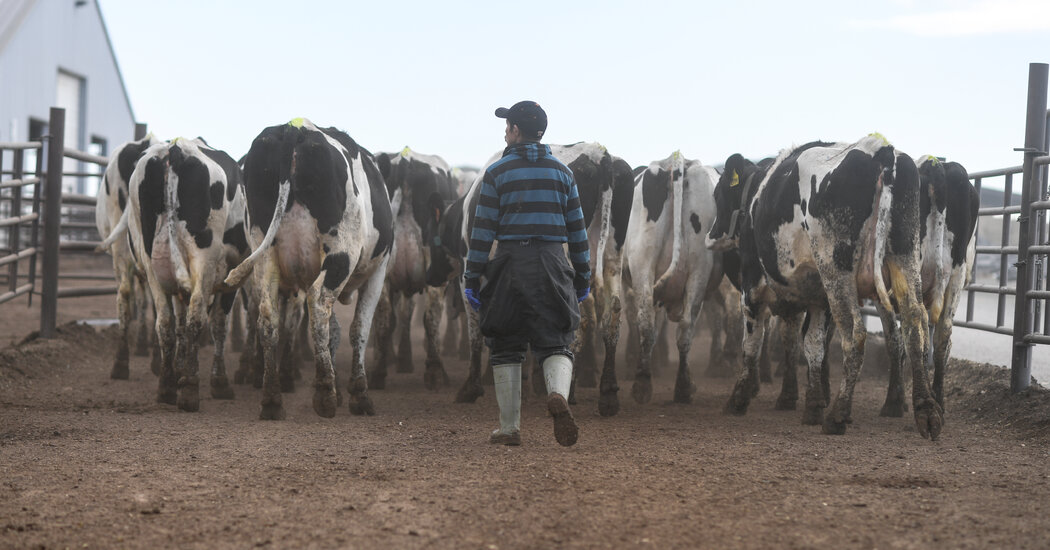
The worker had respiratory symptoms, unlike the first two. But the risk to the public remains low, federal health officials said.A third farmworker in the United States has been found to be infected with bird flu, heightening concerns about an outbreak among dairy cattle first identified in March.The worker is the first in this outbreak to have respiratory symptoms, including a cough, sore throat and watery eyes, which generally increase the likelihood of transmission to other people, federal officials said on Thursday.The other two people had only severe eye infections, possibly because of exposure to contaminated milk.All three individuals had direct exposure to dairy cows, and so far none has spread the virus to other people, Dr. Nirav Shah, principal deputy director of the Centers for Disease Control and Prevention, said at a news briefing.That suggests that the virus, called H5N1, has not acquired the ability to spread among people and that the threat to the general public remains low, Dr. Shah said.“This newest case does not change the C.D.C.’s H5N1 influenza risk assessment level for the general public,” he added. “We should remain alert, not be alarmed.”We are having trouble retrieving the article content.Please enable JavaScript in your browser settings.Thank you for your patience while we verify access. If you are in Reader mode please exit and log into your Times account, or subscribe for all of The Times.Thank you for your patience while we verify access.Already a subscriber? Log in.Want all of The Times? Subscribe.

Read more →

Researchers harness the power of artificial intelligence to match patients with the most effective antidepressant for their unique needs

Researchers in George Mason University’s College of Public Health have leveraged the power of artificial intelligence (AI) analytical models to match a patient’s medical history to the most effective antidepressant, allowing patients to find symptom relief sooner. The free website, MeAgainMeds.com, provides evidence-based recommendations, allowing clinicians and patients to find the optimal antidepressant the first time.
“Many people with depression must try multiple antidepressants before finding the right one that alleviates their symptoms. Our website reduces the number of medications that patients are asked to try. The system recommends to the patient what has worked for at least 100 other patients with the same exact relevant medical history,” said Farrokh Alemi, principal investigator and professor of health informatics at George Mason University’s College of Public Health.
AI helped to simplify the very complex task of making thousands of guidelines easily accessible to patients and clinicians. The guidelines that researchers created are complicated because of the amount of clinical information that is relevant in prescribing an antidepressant; AI seamlessly simplifies the task.
With AI at its core, MeAgainMeds.com analyzes clinician or patient responses to a few anonymous medical history questions to determine which oral antidepressant would best meet the specific needs. The website does not ask for any personal identifiable information and it does not prescribe medication changes. Patients are advised to visit their primary health care provider for any changes in medication.
In 2018, the Centers for Disease Control reported that more than 13% of adults use antidepressants, and the number has only increased since the pandemic and other epidemics since 2020. This website could help millions of people find relief more quickly.
Alemi and his team analyzed 3,678,082 patients who took 10,221,145 antidepressants. The oral antidepressants analyzed were amitriptyline, bupropion, citalopram, desvenlafaxine, doxepin, duloxetine, escitalopram, fluoxetine, mirtazapine, nortriptyline, paroxetine, sertraline, trazodone, and venlafaxine. From the data, they created 16,770 subgroups of at least 100 cases, using reactions to prior antidepressants, current medication, history of physical illness, history of mental illness, key procedures, and other information. The subgroups and remission rates drive the AI to produce an evidence-based medication recommendation.
“By matching patients to the subgroups, clinicians can prescribe the medication that works best for people with similar medical history,” said Alemi. The researchers and website recommend that patients who use the site take the information to their clinicians, who will ultimately decide whether to prescribe the recommended medicine.
Alemi and his team tested a protype version of the site in 2023, which they advertised on social media. At that time, 1,500 patients used the website. Their goal is to improve the website and expand its user base. The initial research was funded by the Commonwealth of Virginia and by the Robert Wood Johnson Foundation.
The researchers’ most recent paper in a series of papers on response to antidepressants analyzed 2,467 subgroups of patients who had received psychotherapy. “Effectiveness of Antidepressants in Combination with Psychotherapy” was published online in The Journal of Mental Health Policy and Economics in March 2024. Additional authors include Tulay G Soylu from Temple University, and Mary Cannon and Conor McCandless from Royal College of Surgeons in Dublin, Ireland.

Read more →

Understanding how zwitterionic polymers can lead to safer drugs and disease prevention

Proteins are vital biomolecules responsible for performing various functions in the human body and are thus regarded as the workhorses of a cell. The primary structure of a protein is composed of different amino acids coming together. The structure so formed then undergoes protein folding, a process by which a protein acquires its characteristic and functional three-dimensional configuration. This state, referred to as the ‘native state’, is crucial for proper protein function. Unfavorable conditions, such as stress or exposure to external agents, can cause proteins to misfold and form aggregates, hampering their ability to perform their original functions.
Protein misfolding has been implicated as the underlying cause of a range of human diseases, notably Alzheimer’s, Huntington’s, and Parkinson’s. Additionally, aggregate formation is also known to impact the efficacy and safety of protein-based drugs. This underscores the need for investigating compounds and strategies that can suppress misfolding and enhance protein stabilization.
Recent studies have reported the protein stabilization ability of a few polymers. However, their mechanism of action and the impact of interactions between hydrophobic components (the components that repel water) and proteins are not well understood.
To address this knowledge gap, a team of researchers led by Professor Kazuaki Matsumura from the Japan Advanced Institute of Science and Technology (JAIST), including former Assistant Professor Robin Rajan, doctoral research fellow Dr. Dandan Zhao from JAIST, and Assistant Professor Tadaomi Furuta from the Tokyo Institute of Technology, conducted a study to elucidate the mechanism of protein aggregation inhibition by sulfobetaine (SPB). In their study published in Cell Reports Physical Science, the researchers also tried to understand the specific interactions that occur between hydrophobic components and proteins and their impact on protein aggregation.
Explaining the rationale behind this study, Prof. Matsumura says, “Previously, we conducted a study on polysulfobetaines (PSPBs), a zwitterionic polymer that consists of functional groups with both positive and negative charges. We found that the polymer showcased exceptional efficiency of in suppressing protein aggregation. However, the impact of hydrophobicity remained unexplored.”
In this study, the researchers synthesized PSPBs with different molecular weights and added varying amounts of hydrophobic monomers individually and with different alkyl chains through a process known as reversible addition-fragmentation chain transfer polymerization. The researchers then analyzed the protein-stabilizing properties of these polymers and examined the interactions between polymers and proteins through physicochemical techniques.
Their findings revealed that offered protein stabilization by disrupting the important pathways involved in protein aggregation. Further, hydrophobicity and molecular weight both had an influence on preventing protein aggregation and enhancing protein stabilization. Increasing these factors amplified the weak and reversible interactions between SPB and proteins. “We can think of these polymers as reversible molecular shields, which disrupt the aggregation pathway,” explains Prof. Matsumura, while discussing the results of their study. The researchers also found that on removal of stress, refolding of the partially unfolded intermediates was observed, suggesting regaining of their native states.
Thus, by unraveling the intricate molecular mechanisms of protein aggregation suppression by zwitterionic polymers, this pioneering study may open avenues for new therapeutic strategies that delay or prevent diseased conditions and help ensure the safety of protein-based drugs.
In the words of Prof. Matsumura, “In 5 to 10 years, this research could lead to the development of novel, more effective treatments for conditions related to protein misfolding, significantly improving patient outcomes. Additionally, it may enable the production of more stable and cost-effective protein therapeutics, benefiting the pharmaceutical industry and healthcare providers.”

Read more →

‘Goldilocks’ binding strength determines anti-cancer T-cell efficacy and fate

Immunotherapy, treatments that reinvigorate immune cells’ anti-cancer activity or reprogram T cells to target cancer, has shown promise in treating leukemias but has not yet been realized in solid tumors. One reason for the stymied success is the conversion of potential cancer-killing T cells into an inactive “exhausted” state near the tumor. St. Jude Children’s Research Hospital scientists found that how tight a parental T cell grabs a cancer protein determines if its daughter cells will be anti-cancer effectors or exhausted. The findings, which have broad implications for improving immunotherapy, were published in Nature Immunology.
T cells are the primary anti-cancer immune cells that detect and destroy cancer. Each T cell has a special detection protein on its surface, the T-cell receptor, which binds to a single cancer-related protein, a process that stimulates the immune cell to destroy the cancer. The St. Jude team showed that a “medium” binding strength between the T-cell receptor and the cancer protein results in the best anti-cancer activity in mouse models.
“We found that T-cell receptor binding and signal strength sets up a Goldilocks scenario,” said corresponding author Benjamin Youngblood, PhD, St. Jude Department of Immunology. “Too much stimulation will drive the T cells to a terminal state, limiting their ability to fight cancer. But too little stimulation may also cause them to become dysfunctional. You want to hit that ‘just right’ state.”
Early T-cell activation determines anti-cancer potential
Anti-cancer potential is decided early in a T cell’s life when it engages with other immune cells that alert the T cell of a tumor’s presence. It is now well-appreciated that uncontrolled tumors can indeed be recognized by patients’ T cells but have lost their ability to kill the tumor and subsequently become exhausted from their fight.
Efforts to understand this exhausted state have revealed that the T cell was, in fact, capable of killing the tumor during the initial immune response but had subsequently lost its killing potential. Because these “progenitor” T cells retain tremendous anti-tumor potential, there is great interest in determining how to maintain them and the mechanisms that promote their transition into the non-functional exhausted T cell.
The St. Jude investigators discovered the tightness of the bond between a progenitor T cell and a tumor-surveying immune cell determines the functionality of the progenitor’s offspring. If binding is too tight or loose, the progenitor T cells develop into exhausted cells. Only when the parental cell’s T-cell receptor managed a Goldilocks middle-ground binding strength were cancer-killing effector cells created.

“It really is a beautiful and simple mechanism,” Youngblood said. “Optimal stimulation enables sustained contact with a cell that can provide healthy or good signals, whereas, with low stimulation, the T cell can’t stay in contact with the cancer-protein presenting cells, so it physically moves then enters that more suppressive toxic state.”
The authors specifically found that optimal engagement needed to be between T cells and dendritic cells, a different type of white blood cell. Dendritic cells serve a critical role in cancer surveillance. After encountering the tumor, dendritic cells presented pieces of cancer-related proteins to the parental T cell. When T-cell receptor binding to the presented cancer protein fell within the Goldilocks strength range, the researchers saw increased T-cell proliferation and activation in vitro and in vivo. If the binding was too weak, the parental cell moved away from the dendritic cell and experienced its own dysfunction. The scientists identified the genes and epigenetic modifications associated with each outcome, providing a resource to improve future T-cell-based therapies.
Improving anti-cancer T-cell therapies
Current immunotherapies rely heavily on T cells. One such group of therapies, immune checkpoint inhibitors or blockade, prevent the tumor from turning T cells off. The approach has shown limited success when the pool of progenitor T cells has been depleted and only fully exhausted T cells remain. Incorporating the findings from Youngblood’s lab into the development of novel therapies, as well as the timing of their administration, could improve efficacy.
“The progenitor T-cell population is the one that responds to checkpoint blockade, not exhausted T cells,” Youngblood said. “If you don’t have that population, you never get a therapeutic response to checkpoint blockade. Understanding what controls that transition between progenitor to the dysfunctional exhausted state is what’s going to allow us to move forward with T cell based-immunotherapies in the solid tumor setting.”
In addition to checkpoint inhibitors, the results could help improve immunotherapy that reprograms a patient’s immune cells with an artificial T-cell receptor. This artificial chimeric antigen receptor (CAR) targets a chosen cancer-related protein (antigen), leading to T-cell killing of the tumor. The findings provide evidence that choosing CAR targets could be improved.
“We need to pay closer attention to T-cell stimulation as they enter the tumor microenvironment,” Youngblood said. “It’s not good enough just to pick any tumor antigen. We must pick a tumor antigen that gives an optimal signal when picking antigens for approaches such as therapeutic vaccination or CAR T cells. We now know to ask: Are they too strong? Are they too weak? Or are they just right?”

Read more →

Social media use and sleep duration connected to brain activity in teens

A new study to be presented at the SLEEP 2024 annual meeting found a distinct relationship between sleep duration, social media usage, and brain activation across brain regions that are key for executive control and reward processing.
Results show a correlation between shorter sleep duration and greater social media usage in teens. The analysis points to involvement of areas within the frontolimbic brain regions, such as the inferior and middle frontal gyri, in these relationships. The inferior frontal gyrus, key in inhibitory control, may play a crucial role in how adolescents regulate their engagement with rewarding stimuli such as social media. The middle frontal gyrus, involved in executive functions and critical in assessing and responding to rewards, is essential in managing decisions related to the balancing of immediate rewards from social media with other priorities like sleep. These results suggest a nuanced interaction between specific brain regions during adolescence and their influence on behavior and sleep in the context of digital media usage.
“As these young brains undergo significant changes, our findings suggest that poor sleep and high social media engagement could potentially alter neural reward sensitivity,” said Orsolya Kiss, who has a doctorate in cognitive psychology and is a research scientist at SRI International in Menlo Park, California. “This intricate interplay shows that both digital engagement and sleep quality significantly influence brain activity, with clear implications for adolescent brain development.”
This study involved data from 6,516 adolescents, ages 10-14 years, from the Adolescent Brain Cognitive Development Study. Sleep duration was assessed from the Munich Chronotype questionnaire, and recreational social media use through the Youth Screen Time Survey. Brain activities were analyzed from functional MRI scans during the monetary incentive delay task, targeting regions associated with reward processing. The study used three different sets of models and switched predictors and outcomes each time. Results were adjusted for age, COVID-19 pandemic timing, and socio-demographic characteristics.
Kiss noted that these results provide new insights into how two significant aspects of modern adolescent life — social media usage and sleep duration — interact and impact brain development.
“Understanding the specific brain regions involved in these interactions helps us identify potential risks and benefits associated with digital engagement and sleep habits,” Kiss said. “This knowledge is especially important as it could guide the development of more precise, evidence-based interventions aimed at promoting healthier habits.”
The American Academy of Sleep Medicine recommends that teenagers 13 to 18 years of age should sleep 8 to 10 hours on a regular basis. The AASM also encourages adolescents to disconnect from all electronic devices at least 30 minutes to an hour before bedtime.
This study was supported by grants from the National Institutes of Health. The research abstract was published recently in an online supplement of the journal Sleep and will be presented Sunday, June 2, and Wednesday, June 5, during SLEEP 2024 in Houston. SLEEP is the annual meeting of the Associated Professional Sleep Societies, a joint venture of the American Academy of Sleep Medicine and the Sleep Research Society.

Read more →

Study links sleep apnea treatment and happier, healthier relationships

A new study to be presented at the SLEEP 2024 annual meeting demonstrates that when individuals with obstructive sleep apnea use their positive airway pressure machine more regularly, it benefits their relationship with their partner.
Results show that greater adherence to PAP therapy was associated with higher levels of relationship satisfaction and lower levels of relationship conflict. Higher sleep efficiency among patients also was associated with higher levels of relationship satisfaction as reported by both the patient and their partner.
“Recognizing that sleep and sleep disorders have an impact on the quality of a relationship could be a powerful motivator for those affected with sleep apnea to adhere to treatment,” said lead author Wendy Troxel, who is a senior behavioral scientist with RAND and licensed clinical psychologist and adjunct professor at the University of Utah, where the study was conducted. “We developed a couples-based treatment called ‘We-PAP’ in recognition of the fact that couples’ sleep is a shared experience and to help patients and partners overcome challenges to adhering PAP together.”
According to the American Academy of Sleep Medicine, nearly 30 million adults in the U.S. have obstructive sleep apnea, a chronic disease that involves the repeated collapse of the upper airway during sleep. Snoring is one of the most recognizable symptoms of sleep apnea and is often a nuisance to bed partners. A common treatment for sleep apnea is PAP therapy, which uses mild levels of air pressure, provided through a mask, to keep the throat open during sleep.
The study involved 36 couples comprising patients initiating PAP treatment for sleep apnea and their partners. Objective PAP therapy adherence data were recorded over three months. Sleep duration and efficiency were estimated using actigraphy. Relationship satisfaction and conflict were self-reported.
Troxel noted that it is essential to consider the importance of sleep when evaluating relationship status.
“No one is at their best when they aren’t sleeping,” Troxel said. “In an age where we see couples going through ‘sleep divorces,’ and roughly 50% of marriages end in actual divorce, recognizing how healthy sleep can contribute to healthy relationships is imperative.”
This study was supported by a grant from the National Institutes of Health. The research abstract was published recently in an online supplement of the journal Sleep and will be presented Wednesday, June 5, during SLEEP 2024 in Houston. SLEEP is the annual meeting of the Associated Professional Sleep Societies, a joint venture of the AASM and the Sleep Research Society.

Read more →

Picture this: Snapping photos of our food could be good for us

New Curtin University research reveals taking pictures of food isn’t just content for our social media feeds, but could be the key to improving people’s diets.
Published in the prestigious American Journal of Clinical Nutrition, the feeding study saw researchers measure the weight of meals, which were then provided to participants over a day for breakfast, lunch and dinner.
Participants compared different technology-assisted methods to recall what they had eaten over the past 24 hours.
One method asked participants to take photos of their meals using the mobile Food Record app.
These photos were then analysed by a research dietitian.
The study found the accuracy of the nutritional intake was far higher for the group who had taken photos of what they ate, compared to participants who were asked to remember what they had eaten.
First author and PhD candidate Clare Whitton said this was the largest feeding study to use the mobile Food Record app and the findings could have a big impact on how we capture what the population is eating.

“Accurate, reliable data about what the population is eating is key to supporting people to optimise their health,” Ms Whitton said.
“People can struggle to remember what they have eaten, but this study shows dietary assessment can be accurate — particularly when you take the burden away from the person when you ask them to take a photo of what they ate.”
While the study saw the food photos analysed by experts, there is work underway to streamline the process.
The team is collaborating with Purdue University in the US to use artificial intelligence to automatically analyse the foods in the photos.
Study lead and mobile Food Record App co-creator Professor Deborah Kerr said this was an exciting development in getting the bigger picture of what people are eating.
“It makes it a lot simpler for people to track what they consume when they only have to take photos for the day,” Professor Kerr said.

“This will become even easier as we start to fully automate the analysis of the foods in the photos.
“With advances in AI technology this may be just around the corner.”
Professor Kerr said as technology advances, it could provide an avenue to not only better capture what populations are eating, but also offer more accurate dietary advice for individuals looking to eat healthier.
“This research shows the benefit of images; that’s the pathway we’re going down to get an accurate picture of what people are eating.”
‘Accuracy of energy and nutrient intake estimation versus observed intake using four technology-assisted dietary assessment methods: a randomized crossover feeding study’ was published in the American Journal of Clinical Nutrition.

Read more →