
At-home saliva test may catch deadly prostate cancers
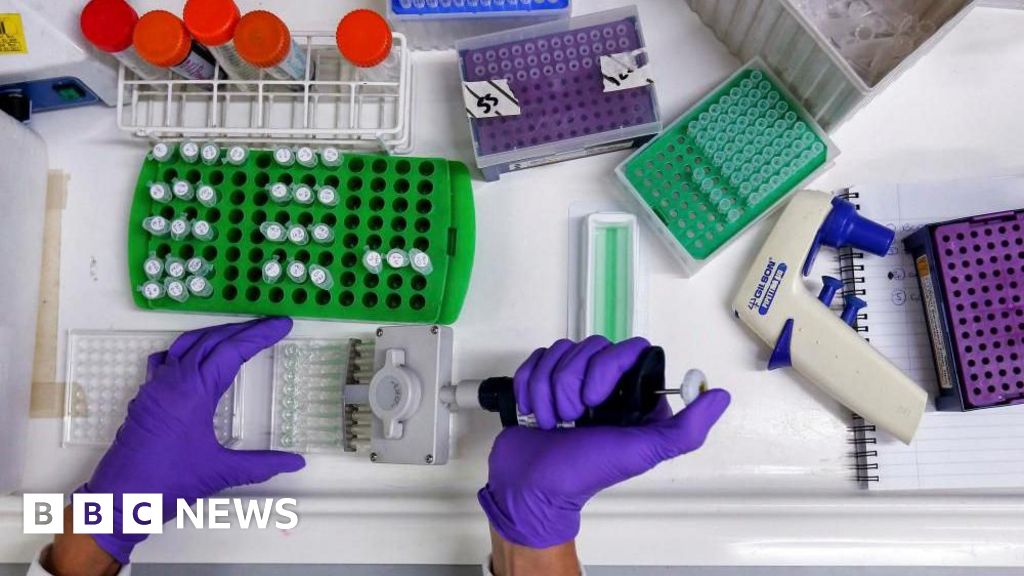
Saliva tests carried out at home are better at identifying men who are at higher risk of prostate cancer than the standard blood test, new research suggests.
Read more →
Saliva tests carried out at home are better at identifying men who are at higher risk of prostate cancer than the standard blood test, new research suggests.
Read more →
18 minutes agoClaire Ellison
Read more →
Researchers at Vanderbilt University Medical Center have isolated human monoclonal antibodies against influenza B, a significant public health threat that disproportionately affects children, the elderly and other immunocompromised individuals.
Seasonal flu vaccines cover influenza B and the more common influenza A but do not stimulate the broadest possible range of immune responses against both viruses. In addition, people whose immune systems have been weakened by age or illness may not respond effectively to the flu shot.
Small-molecule drugs that block neuraminidase, a major surface glycoprotein of the influenza virus, can help treat early infection, but they provide limited benefit when the infection is more severe, and they are generally less effective in treating influenza B infections. Thus, another way to combat this virus is needed.
Reporting in the journal Immunity, the VUMC researchers describe how, from the bone marrow of an individual previously vaccinated against influenza, they isolated two groups of monoclonal antibodies that bound to distinct parts of the neuraminidase glycoprotein on the surface of influenza B.
One of the antibodies, FluB-400, broadly inhibited virus replication in laboratory cultures of human respiratory epithelial cells. It also protected against influenza B in animal models when given by injection or through the nostrils.
Intranasal antibody administration may be more effective and have fewer systemic side effects than more typical routes — intravenous infusion or intramuscular injection — in part because intranasal antibodies may “trap” the virus in the nasal mucus, thereby preventing infection of the underlying epithelial surface, the researchers suggested.
These findings support the development of FluB-400 for the prevention and treatment of influenza B and will help guide efforts to develop a universal influenza vaccine, they said.
“Antibodies increasingly have become an interesting medical tool to prevent or treat viral infections,” said the paper’s corresponding author, James Crowe Jr., MD. “We set out to find antibodies for the type B influenza virus, which continues to be a medical problem, and we were happy to find such especially powerful molecules in our search.”
Crowe, who holds the Ann Scott Carell Chair, is University Distinguished Professor of Pediatrics and director of the Vanderbilt Vaccine Center, which has isolated monoclonal antibodies against a host of viral infections, including COVID-19.
The paper’s first author, Rachael Wolters, DVM, PhD, is a former graduate student in the Crowe lab. Other VUMC co-authors are Elaine Chen, PhD, Ty Sornberger, Luke Myers, Laura Handal, Taylor Engdahl, Nurgen Kose, Lauren Williamson, PhD, Buddy Creech, MD, and Katherine Gibson-Corley, DVM, PhD.
This study was supported in part by National Institutes of Health grants T32AI112541, K01OD036063 and U01AI150739, NIH-HHS contracts 75N93019C00074 and 75N93019C00073, and the Collaborative Influenza Vaccine Innovation Centers program of the National Institute of Allergy and Infectious Diseases.
MRI scans are commonly used to diagnose a variety of conditions, anything from liver disease to brain tumors. But, as anyone who has been through one knows, patients must remain completely still to avoid blurring the images and requiring a new scan. A prototype device described in ACS Sensors could change that. The self-powered sensor detects movement and shuts down an MRI scan in real time, improving the process for patients and technicians.
During an MRI scan, a patient must stay entirely still for several minutes at a time, otherwise “motion artifacts” could appear and blur the final image. To ensure a clear picture, patient movement needs to be identified as soon as it happens, allowing the scan to stop and for the technician to take a new one. Motion tracking could be achieved using sensors embedded into the MRI table; however, magnetic materials can’t be used because metals interfere with the MRI technology itself. One technology that’s well-suited for this unique situation, and avoids the need for metal or magnetic components, is the triboelectric nanogenerator (TENG), which powers itself using static electricity generated by friction between polymers. So, Li Tao, Zhiyi Wu and colleagues wanted to design a TENG-based sensor that could be incorporated into an MRI machine to help prevent motion artifacts.
The team created the TENG by sandwiching two layers of plastic film painted with graphite-based conductive ink around a central layer of silicone. These materials were specifically chosen as they would not interfere with an MRI scan. When pressed together, electrostatic charges from the plastic film moved to the conductive ink, creating a current that could then flow out through a wire.
This sensor was incorporated into an MRI table designed to lay under a patient’s head. In tests, when a person turned their head from side to side or raised it off the table, the sensor detected these movements and transmitted a signal to a computer. Then, an audible alert played, a pop-up window on the technician’s computer appeared and the MRI scan ceased. The researchers say that this work could help make MRI scans more efficient and less frustrating for patients and technicians alike by producing better images during a single procedure.
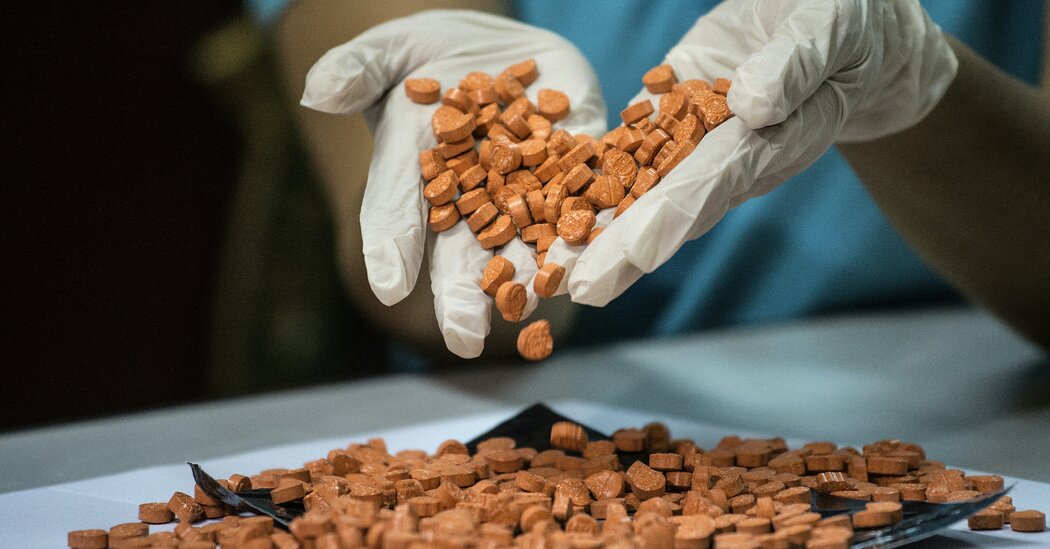
The agency’s staff analysis suggests that approval of the illegal drug known as Ecstasy for treatment of PTSD is far from certain, with advisers meeting next week to consider the proposed therapy.The Food and Drug Administration on Friday raised concerns about the health effects of MDMA as a treatment for post-traumatic stress disorder, citing flaws in a company’s studies that could pose major obstacles to approval of a treatment anticipated to help people struggling with the condition.The agency said that bias had seeped into the studies because participants and therapists were readily able to figure out who got MDMA versus a placebo. It also flagged “significant increases” in blood pressure and pulse rates that could “trigger cardiovascular events.”The staff analysis was conducted for an independent advisory panel that will meet Tuesday to consider an application by Lykos Therapeutics for the use of MDMA-assisted therapy. The agency’s concerns highlight the unique and complex issues facing regulators as they weigh the therapeutic value of an illegal drug commonly known as Ecstasy that has long been associated with all-night raves and cuddle puddles.Approval would mark a seismic change in the nation’s tortuous relationship with psychedelic compounds, most of which the Drug Enforcement Administration classifies as illegal substances that have “no currently accepted medical use and a high potential for abuse.”Research like the current studies on MDMA therapy have corralled the support of various groups and lawmakers from both parties for treatment of PTSD, a condition affecting millions of Americans, especially military veterans who face an outsize risk of suicide. No new therapy has been approved for PTSD in more than 20 years.“What’s happening is truly a paradigm shift for psychiatry,” said David Olson, director of the U.C. Davis Institute for Psychedelics and Neurotherapeutics. “MDMA is an important step for the field because we really lack effective treatments, period, and people need help now.”We are having trouble retrieving the article content.Please enable JavaScript in your browser settings.Thank you for your patience while we verify access. If you are in Reader mode please exit and log into your Times account, or subscribe for all of The Times.Thank you for your patience while we verify access.Already a subscriber? Log in.Want all of The Times? Subscribe.
Read more →
Researchers at the Icahn School of Medicine at Mount Sinai and others have identified a neurodevelopmental disorder, caused by mutations in a single gene, that affects tens of thousands of people worldwide. The work, published in the May 31 online issue of Nature Medicine, was done in collaboration with colleagues at the University of Bristol, UK; KU Leuven, Belgium; and the NIHR BioResource, currently based at the University of Cambridge, UK.
The findings will improve clinical diagnostic services for patients with neurodevelopmental disorders.
Through rigorous genetic analysis, the researchers discovered that mutations in a small non-coding gene called RNU4-2 cause a collection of developmental symptoms that had not previously been tied to a distinct genetic disorder. Non-coding genes are parts of DNA that do not produce proteins. The investigators used whole-genome sequencing data in the United Kingdom’s National Genomic Research Library to compare the burden of rare genetic variants in 41,132 non-coding genes between 5,529 unrelated cases with intellectual disability and 46,401 unrelated controls.
The discovery is significant, as it represents one of the most common single-gene genetic causes of such disorders, ranking second only to Rett syndrome among patients sequenced by the United Kingdom’s Genomic Medicine Service. Notably, these mutations are typically spontaneous and not inherited, providing important insights into the nature of the condition.
“We performed a large genetic association analysis to identify rare variants in non-coding genes that might be responsible for neurodevelopmental disorders,” says the study’s first author Daniel Greene, PhD, Assistant Professor of Genetics and Genomics Sciences at Icahn Mount Sinai and a Visitor at the University of Cambridge. “Nowadays, finding a single gene that harbors genetic variants responsible for tens of thousands of patients with a rare disease is exceptionally unusual. Our discovery eluded researchers for years due to various sequencing and analytical challenges.”
More than 99 percent of genes known to harbor mutations that cause neurodevelopmental disorders encode proteins. The researchers hypothesized that non-coding genes, which don’t produce proteins, could also host mutations leading to intellectual disability. Neurodevelopmental disorders, which often appear before grade school, involve developmental deficits affecting personal, social, academic, or occupational functioning. Intellectual disability specifically includes significant limitations in intellectual functioning (e.g., learning, reasoning, problem-solving) and adaptive behavior (e.g., social and practical skills).
“The genetic changes we found affect a very short gene, only 141 units long, but this gene plays a crucial role in a basic biological function of cells, called gene splicing, which is present in all animals, plants and fungi,” says senior study author Ernest Turro, PhD, Associate Professor of Genetics and Genomic Sciences at Icahn Mount Sinai and a Visitor at the University of Cambridge. “Most people with a neurodevelopmental disorder do not receive a molecular diagnosis following genetic testing. Thanks to this study, tens of thousands of families will now be able to obtain a molecular diagnosis for their affected family members, bringing many diagnostic odysseys to a close.”
Next, the researchers plan to explore the molecular mechanisms underlying this syndrome experimentally. This deeper understanding aims to provide biological insights that could one day lead to targeted interventions.
“What I found remarkable is how such a common cause of a neurodevelopmental disorder has been missed in the field because we’ve been focusing on coding genes,” says Heather Mefford, MD, PhD, of the Center for Pediatric Neurological Disease Research at St. Jude Children’s Research Hospital who was not involved with the research. “This study’s discovery of mutations in non-coding genes, especially RNU4-2, highlights a significant and previously overlooked cause. It underscores the need to look beyond coding regions, which could reveal many other genetic causes, opening new diagnostic possibilities and research opportunities.”
The paper is titled “Mutations in the U4 snRNA gene RNU4-2 cause one of the most prevalent monogenic neurodevelopmental disorders.”
The remaining authors of the paper are Chantal Thys (KU Leuven, Belgium); Ian R. Berry, MD (University of Bristol, UK); Joanna Jarvis, MD (Birmingham Womens’ Hospital, UK); Els Ortibus, MD, PhD (KU Leuven, Belgium); Andrew D. Mumford, MD (University of Bristol, UK); and Kathleen Freson, PhD (KU Leuven, Belgium).
The work was supported, in part, by NIH awards R01HL161365 and R03HD111492.
An international team led by researchers at the University of Toronto has found a new RNA virus that they believe is hitching a ride with a common human parasite.
The virus, called Apocryptovirus odysseus, along with 18 others that are closely related to it, was discovered through a computational screen of human neuron data — an effort aimed at elucidating the connection between RNA viruses and neuroinflammatory disease. The virus is associated with severe inflammation in humans infected with the parasite Toxoplasma gondii, leading the team to hypothesize that it exacerbates toxoplasmosis disease.
“We discovered A. odysseus in human neurons using the open-science Serratus platform to search through more than 150,000 RNA viruses” said Purav Gupta, first author on the study, recent high school graduate and current undergraduate student at U of T’s Donnelly Centre for Cellular and Biomolecular Research. “Serratus identifies RNA viruses from public data by flagging an enzyme called RNA-dependent RNA polymerase, which facilitates replication of viral RNA. This enzyme allows the virus to reproduce itself and for the infection to spread.”
The study was published recently in the journal Virus Evolution.
The parasite T. gondii is far-reaching, infecting an estimated one-third of the global population. It can live in any non-blood cell type, including neurons, forming cysts inside cells. The parasite is transmitted to nearby cells when the infected cell ruptures.
T. gondii infections often go unnoticed because they only lead to symptoms in rare cases. Regardless, toxoplasmosis merits investigation considering how widespread it is and the potential effects it may have on pregnant women and those who are immunocompromised, Gupta said.
“We believe the virus and parasite work hand-in-hand to cause disease in the human host, where the virus hides inside the parasite, like a soldier in a trojan horse, to gain entry to the human brain,” said Gupta. “Our research marks the first time that scientists have connected toxoplasmosis to a virus.”
The newly discovered A. odysseus is found in two hypervirulent strains of the T. gondii parasite, referred to as RUB and COUGAR.
RUB has been documented in French Guinea to cause severe fever and organ failure, while COUGAR has been shown in British Columbia to be connected to ocular toxoplasmosis — the leading cause of infectious blindness. Researchers found the strains in different geographical locations at different times, demonstrating their potentially wide-ranging impacts.
Symptoms of toxoplasmosis can be aggravated by a hyperactivated human immune response. The virus-carrying parasite triggers this type of response when the immune system senses the foreign RNA of the virus.
“The group of 19 RNA viruses we found are strong biomarkers for parasitic infection,” said Artem Babaian, principal investigator on the study and assistant professor of molecular genetics at the Donnelly Centre and the Temerty Faculty of Medicine. “It’s obvious now that the A. odysseus virus could be a valuable marker of disease-causing infections, like severe toxoplasmosis, in humans or other animals. The next step is to test if this raises the possibility that treating a parasite’s viruses could be an effective means of treating symptoms that arise from parasitic infections.”
Zoonotic viruses that infect other living things in our environment in order to reach us are expected to cause the majority of emerging infectious diseases in humans, Babaian noted. “This study underscores the importance of looking beyond the viruses that infect humans directly into the extended virome,” he said.
This research was supported by the Canadian Institutes of Health Research.
For centuries, civilizations have used naturally occurring, inorganic materials for their perceived healing properties. Egyptians thought green copper ore helped eye inflammation, the Chinese used cinnabar for heartburn, and Native Americans used clay to reduce soreness and inflammation.
Flash forward to today, and researchers at Texas A&M University are still discovering ways that inorganic materials can be used for healing.
In two recently published articles, Dr. Akhilesh Gaharwar, a Tim and Amy Leach Endowed Professor in the Department of Biomedical Engineering, and Dr. Irtisha Singh, assistant professor in the Department of Cell Biology and Genetics, uncovered new ways that inorganic materials can aid tissue repair and regeneration.
The first article, published in Acta Biomaterialia, explains that cellular pathways for bone and cartilage formation can be activated in stem cells using inorganic ions. The second article, published in Advanced Science, explores the usage of mineral-based nanomaterials, specifically 2D nanosilicates, to aid musculoskeletal regeneration.
“These investigations apply cutting-edge, high-throughput molecular methods to clarify how inorganic biomaterials affect stem cell behavior and tissue regenerative processes,” Singh said.
The ability to induce natural bone formation holds promise for improvements in treatment outcomes, patient recovery times and the reduced need for invasive procedures and long-term medication.
“Enhancing bone density and formation in patients with osteoporosis, for example, can help mitigate the risks of fractures, lead to stronger bones, improve quality of life and reduce healthcare costs,” Gaharwar said. “These insights open up exciting prospects for developing next-generation biomaterials that could provide a more natural and sustainable approach to healing.”
Gaharwar said the newfound approach differs from current regeneration methods that rely on organic or biologically derived molecules and provides tailored solutions for complex medical issues.
“One of the most significant findings from our research is the ability of these nanosilicates to stabilize stem cells in a state conducive to skeletal tissue regeneration,” he said. “This is crucial for promoting bone growth in a controlled and sustained manner, which is a major challenge in current regenerative therapies.”
Gaharwar recently received a research program (R01) grant from the National Institute of Dental and Craniofacial Research to continue developing biomaterials for clinical applications. With the grant, Gaharwar will use inorganic biomaterials in conjunction with 3D bioprinting techniques to design custom bone implants for reconstructive injuries.
“In reconstructive surgery, particularly for craniofacial defects, induced bone growth is crucial for restoring both function and appearance, vital for essential functions like chewing, breathing and speaking,” he said. “Inducing bone formation has several critical applications in orthopedics and dentistry.”
Former biomedical engineering graduate student, Dr. Anna Kersey ’23, was the lead author for the article published in Acta Biomaterialia and biomedical engineering graduate student Aparna Murali was the lead author for the follow-up article published in Advanced Science.
“This approach not only bridges ancient practices with modern scientific methods but also minimizes the use of protein therapeutics, which carry risks of inducing abnormal tissue growth and cancerous formations,” Gaharwar said. “Collectively, these findings elucidate the potential of inorganic biomaterials to act as powerful mediators in tissue engineering and regenerative strategies, marking a significant step forward in the field.”
A new study using stem cell-based models has shed new light on how the human embryo begins to develop, which could one day benefit the development of fertility treatment.
The study led by at the University of Exeter Living Systems Institute has revealed how early embryo cells decide between contributing to the foetus or to the supporting yolk sac.
Understanding this decision is important because the yolk sac is essential for later development in the womb. Producing the right number of yolk sac forming cells may be critical for infertility treatment using in vitro fertilised (IVF) embryos.
Only limited research can be performed directly on human embryos. The research team which included the University of Edinburgh, therefore used naïve stem cells that are able to make all the cell types and structures of the early embryo. They designed stem cell models to study formation of yolk sac founders, called hypoblast.
The key discovery, published in Cell Stem Cell, is pinpointing a critical signal that acts during a short window of time, less than one day, to trigger cells to become hypoblast. The signal is a protein called fibroblast growth factor that is made within the embryo. Previous studies had missed the importance of this signal in human embryos. The new findings show that the initial processes that form an embryo and its supporting tissues are similar for humans and other mammals.
Lead author Dr Ge Guo, of the University of Exeter’s Living System Institute, said: “Our findings provide insights into how the correct proportions of different cell types form in the early human embryo. We hope our research will benefit infertility treatment in future.”
Professor Austin Smith, the Director of the University of Exeter’s Living Systems Institute, said: “This study shows the power of stem cell-based models for revealing how the human embryo begins to develop. This marks a significant milestone in stem cell research and embryo models, providing a framework for future research into the early development of the human embryo.
The paper is entitled ‘Naive pluripotent stem cell-based models capture FGF-dependent human hypoblast lineage specification’ and is published in Cell Stem Cell. The work is a collaboration with Professor Jennifer Nichols at the University of Edinburgh.
A new study to be presented at the SLEEP 2024 annual meeting found that household chaos and sleep hygiene are important factors in the relationship between sleep quality and ADHD symptoms in teens.
Results of structural equation modeling show that household chaos and sleep hygiene were significant mediators of the relationship between ADHD symptoms and poor sleep quality. The results suggest that improving the daily routine and stability of the household is an important strategy to consider when seeking to improve sleep quality in adolescents with symptoms of attention-deficit/hyperactivity disorder.
“These results begin to explicate some contextual factors that may help explain the increase in sleep difficulties observed in youth with higher symptoms of ADHD,” said lead author and co-principal investigator Jamie Flannery, who is a doctoral candidate in developmental psychology at the University of Notre Dame in South Bend, Indiana. “It suggests that when ADHD symptoms are high, aspects of the individual — poor sleep hygiene — and the familial environment — household chaos — are associated with poor sleep quality in adolescents.”
The American Academy of Sleep Medicine recommends that teenagers 13 to 18 years of age should sleep 8 to 10 hours. Healthy sleep is associated with better health outcomes including: improved attention, behavior, learning, memory, emotional regulation, quality of life, and mental and physical health.
The researchers collected data from 259 pairs of mothers and adolescents from across the U.S. Mothers used a scale to rate the severity of their adolescent’s ADHD symptoms, while adolescents completed three separate surveys about sleep quality, home environment and sleep hygiene.
Flannery noted that it’s important for adolescents and their families to know that it is more than just individual characteristics that can impact their sleep.
“While improving sleep hygiene in youths with ADHD may be beneficial, a household characterized by a lack of structure, routine and stability may undermine the adolescent’s sleep quality,” Flannery said.