
Lucy Letby loses bid to appeal against conviction
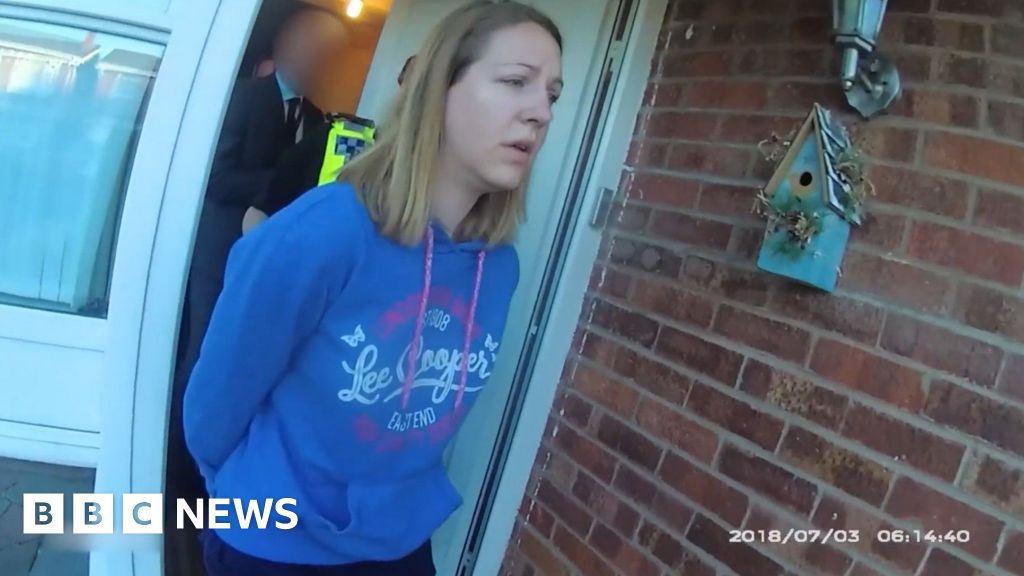
Convicted killer Lucy Letby’s bid to appeal against her latest conviction for the attempted murder of a baby girl has been dismissed by the Court of Appeal.
Read more →
Convicted killer Lucy Letby’s bid to appeal against her latest conviction for the attempted murder of a baby girl has been dismissed by the Court of Appeal.
Read more →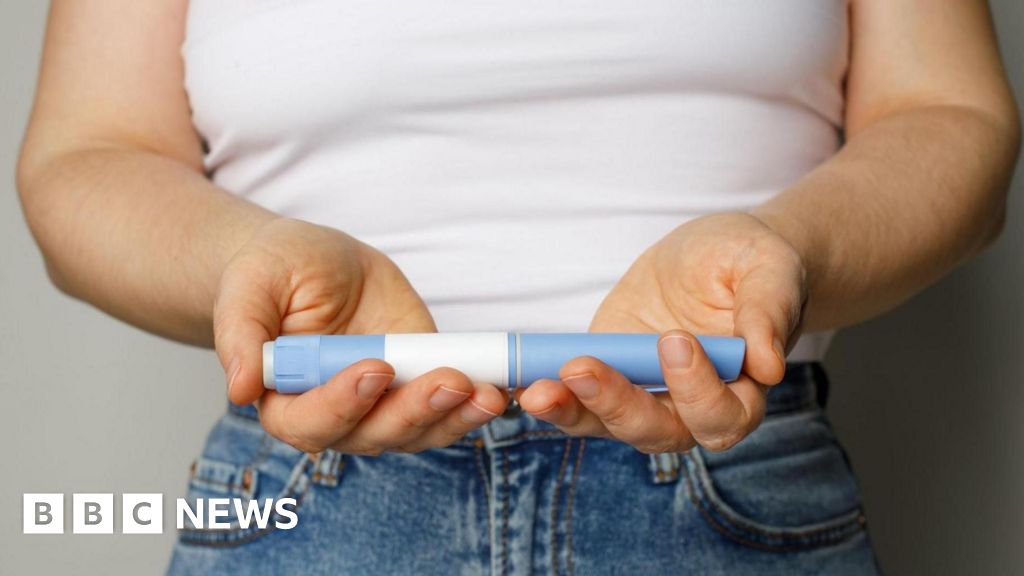
The UK’s drug safety regulator is asking doctors to be alert for patients who may be misusing obesity injections, such as Wegovy.
Read more →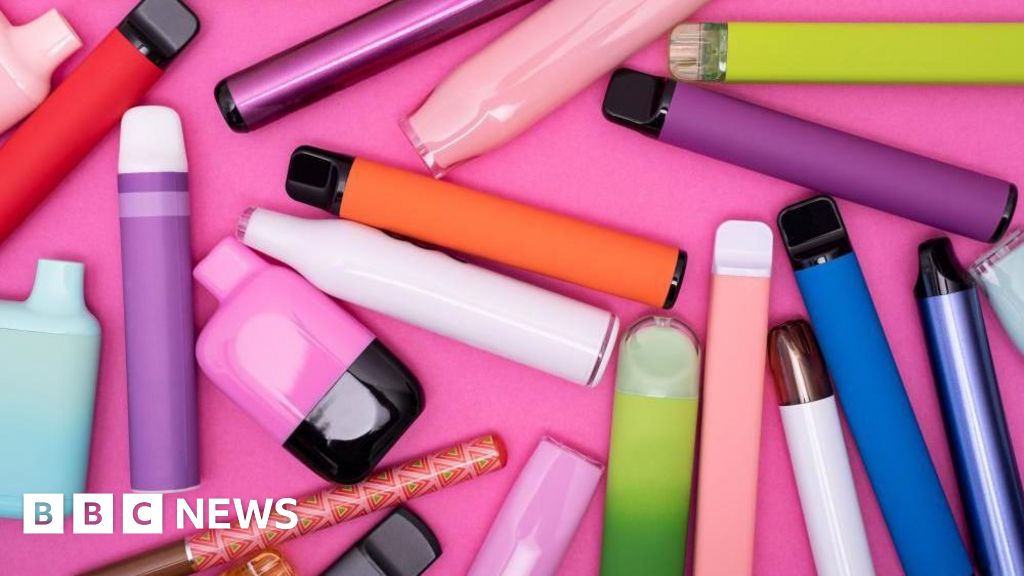
The sale of disposable vapes will be banned in England from June next year, the government has confirmed.
Read more →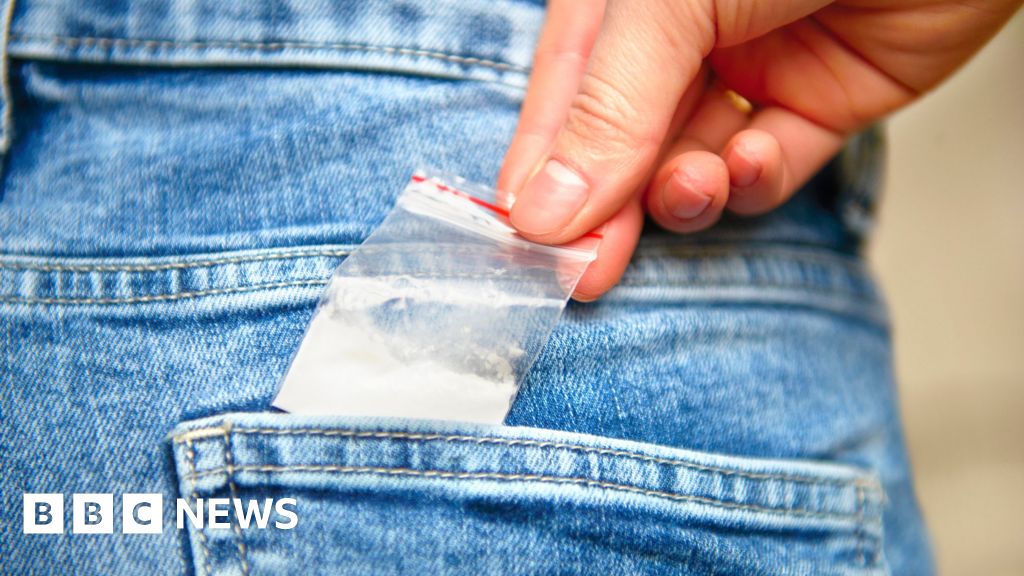
Drug-poisoning deaths in England and Wales have hit the highest level in 30 years, fuelled by a 30% rise in fatalities involving cocaine.
Read more →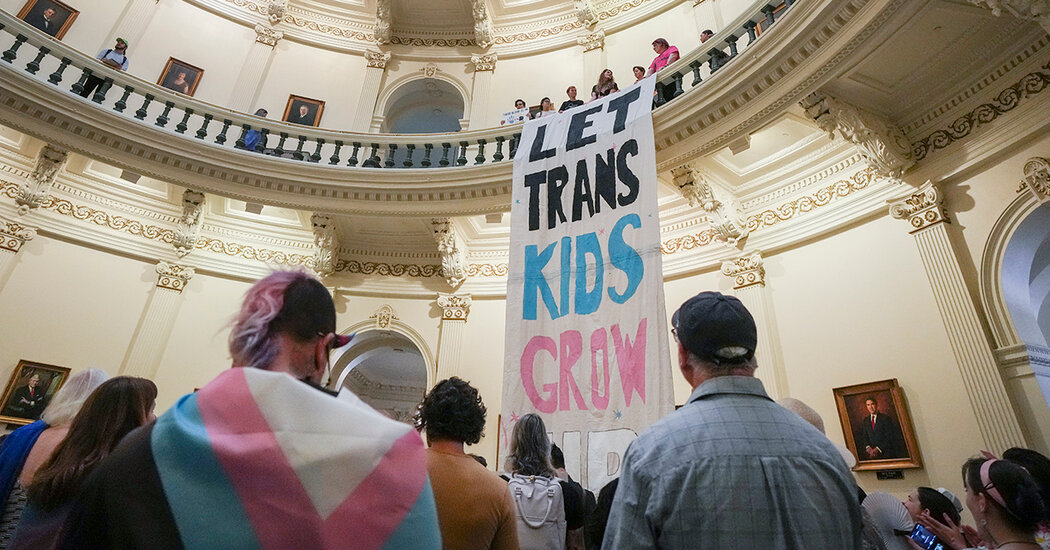
The leader of the long-running study said that the drugs did not improve mental health in children with gender distress and that the finding might be weaponized by opponents of the care.An influential doctor and advocate of adolescent gender treatments said she had not published a long-awaited study of puberty-blocking drugs because of the charged American political environment.The doctor, Johanna Olson-Kennedy, began the study in 2015 as part of a broader, multimillion-dollar federal project on transgender youth. She and colleagues recruited 95 children from across the country and gave them puberty blockers, which stave off the permanent physical changes — like breasts or a deepening voice — that could exacerbate their gender distress, known as dysphoria.The researchers followed the children for two years to see if the treatments improved their mental health. An older Dutch study had found that puberty blockers improved well-being, results that inspired clinics around the world to regularly prescribe the medications as part of what is now called gender-affirming care.But the American trial did not find a similar trend, Dr. Olson-Kennedy said in a wide-ranging interview. Puberty blockers did not lead to mental health improvements, she said, most likely because the children were already doing well when the study began.“They’re in really good shape when they come in, and they’re in really good shape after two years,” said Dr. Olson-Kennedy, who runs the country’s largest youth gender clinic at the Children’s Hospital of Los Angeles.That conclusion seemed to contradict an earlier description of the group, in which Dr. Olson-Kennedy and her colleagues noted that one quarter of the adolescents were depressed or suicidal before treatment.We are having trouble retrieving the article content.Please enable JavaScript in your browser settings.Thank you for your patience while we verify access. If you are in Reader mode please exit and log into your Times account, or subscribe for all of The Times.Thank you for your patience while we verify access.Already a subscriber? Log in.Want all of The Times? Subscribe.
Read more →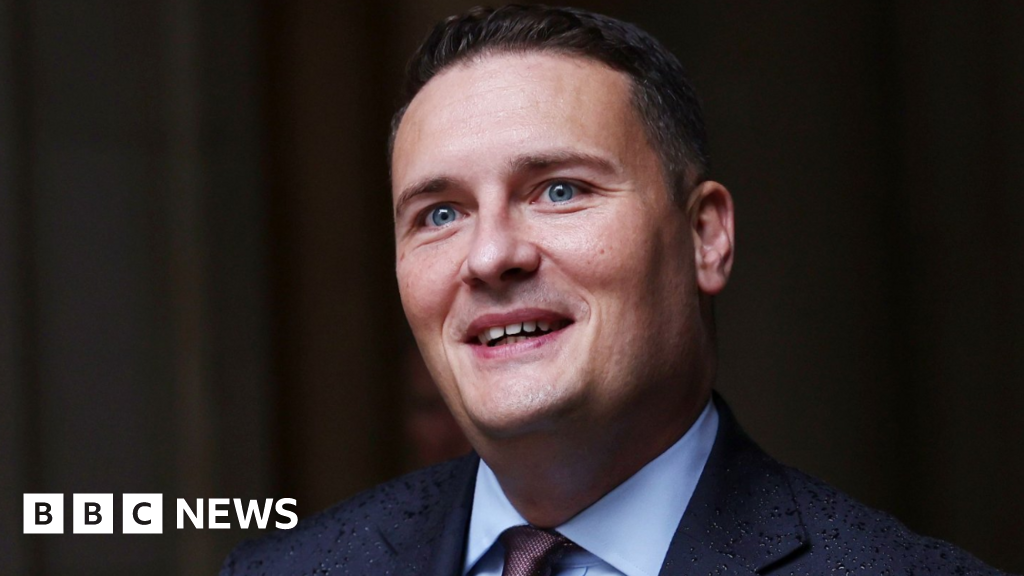
Health Secretary Wes Streeting will vote against changing the law on assisted dying, the BBC has confirmed.
Read more →
For some politically opposed couples, the election can’t end soon enough.In the 2024 presidential election, Karl Lenker is voting for former President Donald J. Trump. His girlfriend of a decade, Jan Lewin, is voting for Vice President Kamala Harris.So Ms. Lewin, 67, did not appreciate the Biden-Harris “Dumb and Dumber” mug that her partner bought for his morning coffee. Nor was she a fan of the toilet paper featuring President Biden’s face that he put in the bathroom of their condo in Atlanta. (Ms. Lewin retaliated by swapping it out for Trump-themed toilet paper.)Mr. Lenker, 74, a self-described “libertarian Republican,” does not hold back when it comes to talking politics. He believes Ms. Harris is a puppet being used to push a “liberal left” agenda that he calls “insane.”“Not all Democrats are stupid,” Mr. Lenker said. “But all stupid people vote Democrat.”Ms. Lewin tries not to be baited by Mr. Lenker’s ribbing, but she can be equally blunt: “I try not to attack Trump unless he’s doing something so stupid I can’t help it,” she said.Mr. Lenker and Ms. Lewin aren’t the only couple sparring over political ideology in the run-up to this historically tight presidential election. Recent estimates say about one-third of couples do not share a political affiliation, and for true split-ticket couples (6 percent or fewer marriages are between a Democrat and a Republican) this may be a “precarious moment,” said Cynthia Peacock, an associate professor of communication studies at the University of Alabama who researches politically mismatched relationships.Ms. Peacock’s research has found that people in such relationships tend to report slightly lower levels of relationship satisfaction than those who share the same views as their partner. “Political attitudes, you know, they’re not just like the opinions we have about our favorite movies or foods,” she said. “They’re tied to our morals, to our identity, to things we hold very deeply and personally.”We are having trouble retrieving the article content.Please enable JavaScript in your browser settings.Thank you for your patience while we verify access. If you are in Reader mode please exit and log into your Times account, or subscribe for all of The Times.Thank you for your patience while we verify access.Already a subscriber? Log in.Want all of The Times? Subscribe.
Read more →
A new drug that slows the pace of Alzheimer’s disease is too expensive for too little benefit to be used on the NHS, the drugs spending watchdog says.
Read more →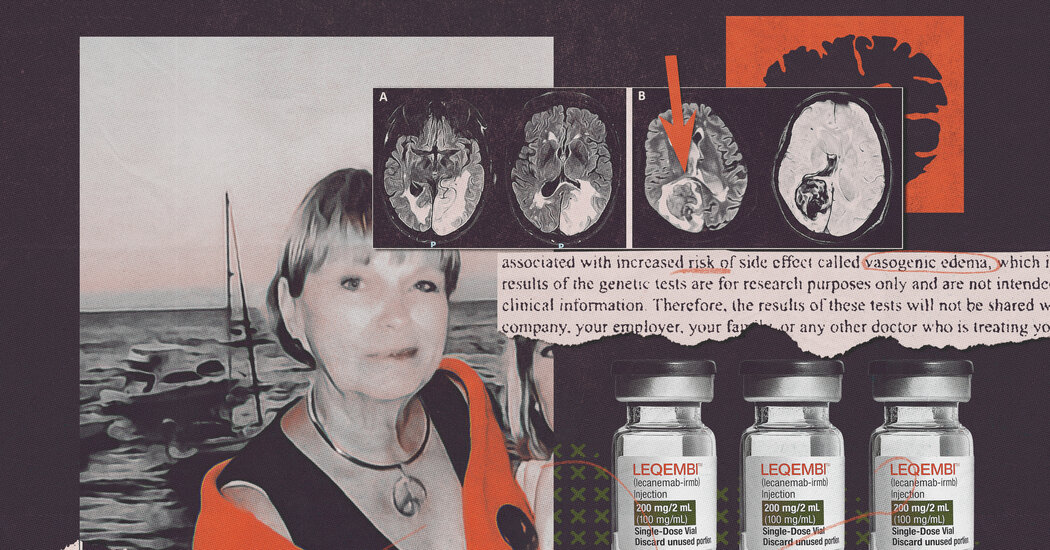
Genetic tests showed that certain patients were predisposed to brain injuries if they took the drugs. That information remained secret.By 2021, nearly 2,000 volunteers had answered the call to test an experimental Alzheimer’s drug known as BAN2401. For the drugmaker Eisai, the trial was a shot at a windfall — potentially billions of dollars — for defanging a disease that had confounded researchers for more than a century.To assess the drug’s effectiveness and safety, Eisai sought to include people whose genetic profiles made them especially prone to develop Alzheimer’s. But these same people were also more vulnerable to brain bleeding or swelling if they received the drug.To identify these high-risk volunteers, Eisai told everyone that they would be given a genetic test. But the results, the company added, would remain secret.In all, 274 volunteers joined the trial without Eisai telling them they were at an especially high risk for brain injuries, documents obtained by The New York Times show.One of them was Genevieve Lane, a 79-year-old resident of the Villages in Florida who died in September 2022 after three doses of the drug, her brain riddled with 51 microhemorrhages. An autopsy determined that the drug’s side effects had contributed to her death. Her final hours were spent thrashing so violently that nurses had to tie her down.Another high-risk trial volunteer died, and more than 100 others suffered brain bleeding or swelling. While most of those injuries were mild and asymptomatic, some were serious and life-threatening.We are having trouble retrieving the article content.Please enable JavaScript in your browser settings.Thank you for your patience while we verify access. If you are in Reader mode please exit and log into your Times account, or subscribe for all of The Times.Thank you for your patience while we verify access.Already a subscriber? Log in.Want all of The Times? Subscribe.
Read more →
BBCThere is nothing in life that is free of risk. That includes vaccines. But the evidence is compelling that the benefits of getting immunised with those vaccines recommended in the UK far outweigh the possibility of serious side effects.
Read more →