First U.S. Case of Severe Form of Mpox Reported in California

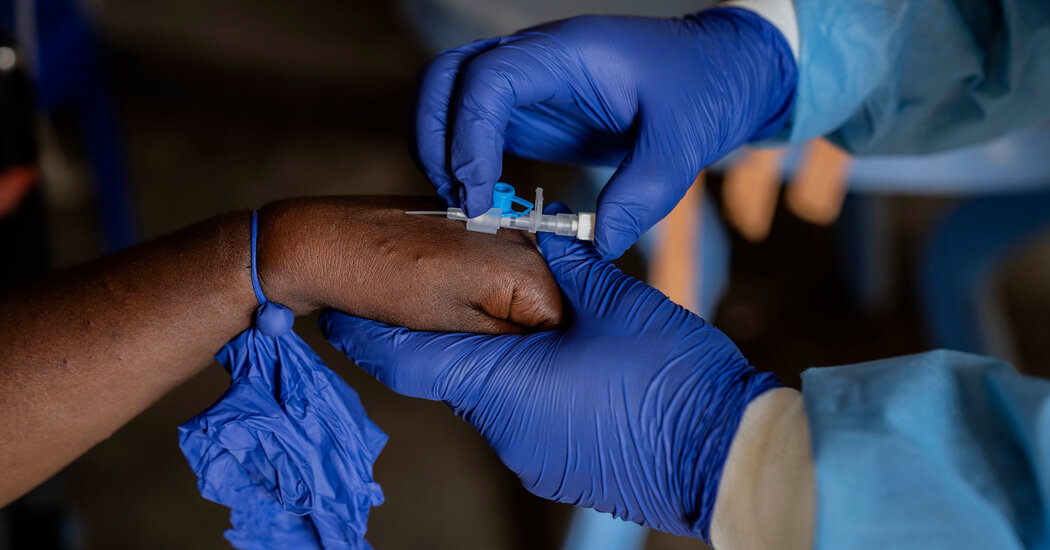
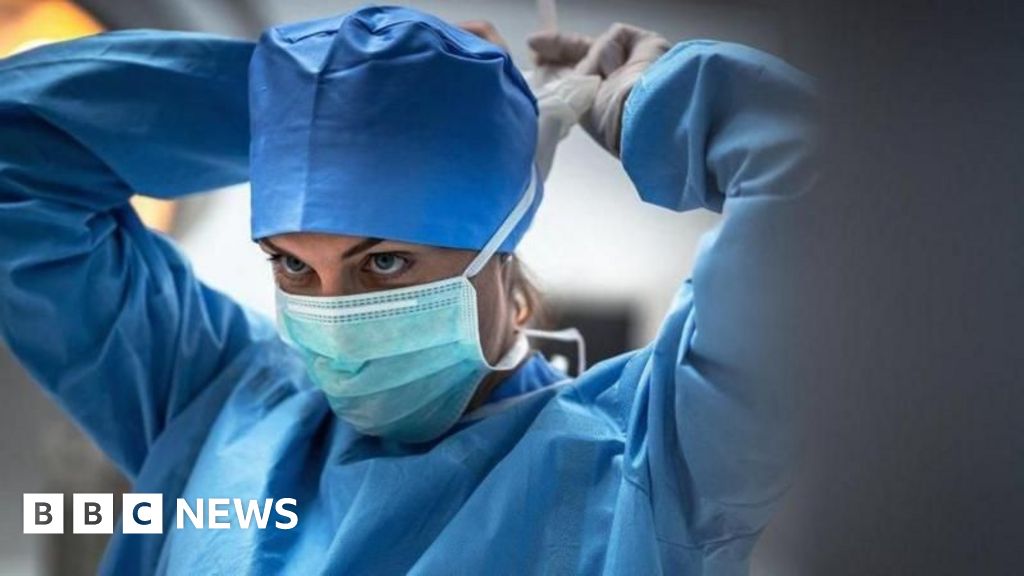
The unidentified patient had recently returned from Africa, where the virus has caused a deadly epidemic, health officials said.A person in California has tested positive for a form of mpox causing a widespread epidemic in Africa, the state’s Department of Public Health reported on Saturday. It is the first known case in the United States.The individual, who was not identified, had recently returned from East Africa. The patient was diagnosed in San Mateo County, just south of San Francisco, and was isolating at home.Officials at the California Department of Public Health and at the Centers for Disease Control and Prevention are reaching out to potential contacts of the patient for further testing.There is no evidence that this version of the mpox virus, called Clade Ib, is circulating in communities in the United States, C.D.C. officials said.Infections in people returning from Africa, however, have been found in Germany, Sweden, Thailand and the United Kingdom, among other countries. A case in India was reported in a person returning from the United Arab Emirates.In Germany, Sweden, Thailand and India, the virus was transmitted no farther. In the United Kingdom, the infected individual passed mpox to three household contacts.“The anticipated overall risk of Clade I mpox to the general population in the United States from the outbreak in Central and Eastern Africa is low,” the C.D.C. said in a statement on Saturday.There are two main types of mpox, formerly monkeypox: Clade I and Clade II. A subtype of Clade II caused a global epidemic in 2022, mostly among gay and bisexual men, affecting nearly 100,000 people in 116 countries. About 200 people died.That virus continues to circulate in the United States, but now at lower levels.More recently the Clade Ib subtype has caused enormous misery in the Democratic Republic of Congo, as well as in Burundi, Central African Republic, Republic of Congo, Rwanda and Uganda.There have been more than 57,000 confirmed or suspected cases since January and nearly 1,200 deaths, many of them children. The World Health Organization declared the epidemic a global emergency in August.Until recently, Clade Ib spread mainly through consumption of contaminated meat or close contact with infected animals and people. But last year the virus was discovered to be spreading sexually, often through heterosexual prostitution.Mpox is transmitted through close personal contact. The incubation period is three to 17 days, and the illness usually manifests as a painful rash on the hands, feet, chest, face, anus or genitals.The C.D.C. recommends that all people at risk, including sexually active gay and bisexual men, receive two doses of the Jynneos vaccine.Apoorva Mandavilli

Read more →

Kennedy’s Views Mix Mistrust of Business With Bizarre Health Claims

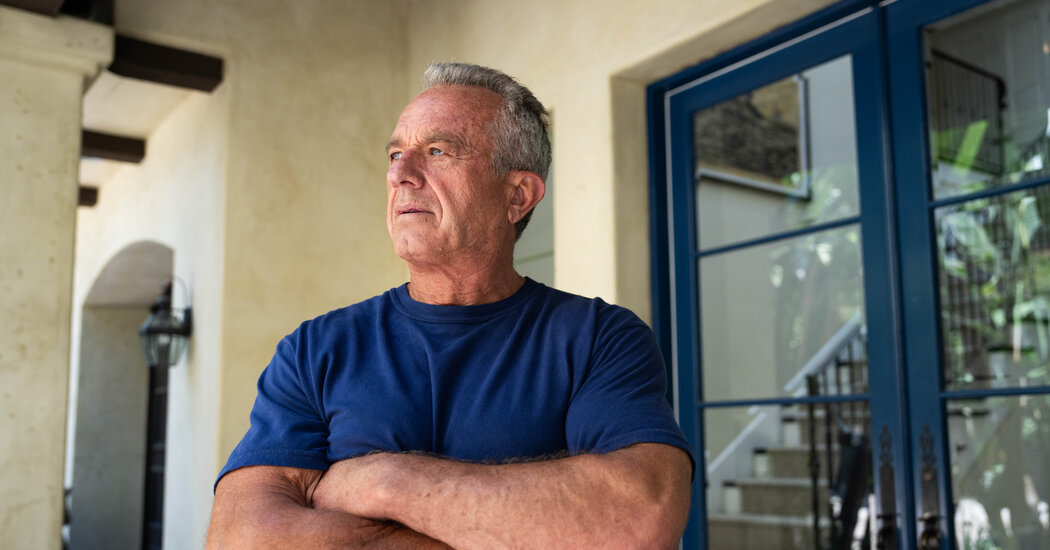
Seven years after Americans celebrated the licensing of Jonas Salk’s polio vaccine, President John F. Kennedy called on Congress to finance a nationwide vaccination program to stamp out what he called the “ancient enemies of our children”: infectious disease.Now Kennedy’s nephew, Robert F. Kennedy Jr., is the nation’s chief critic of vaccines — a public health intervention that has saved millions of lives — and President-elect Donald J. Trump’s pick to become the next secretary of health and human services. Mr. Kennedy calls himself a vaccine safety activist. The press calls him a vaccine skeptic. His detractors call him an anti-vaxxer and a conspiracy theorist.Whatever one calls him, Mr. Kennedy is a polarizing choice whose views on certain public health matters beyond vaccination are far outside the mainstream. He opposes fluoride in water. He favors raw milk, which the Food and Drug Administration deems risky. And he has promoted unproven therapies like hydroxychloroquine for Covid-19. His own relatives called his presidential bid “dangerous for our country.”If there is a through line to Mr. Kennedy’s thinking, it appears to be a deep mistrust of corporate influence on health and medicine. In some cases, that has led him to support positions that are also embraced by public health professionals, including his push to get ultra-processed foods, which have been linked to obesity, off grocery store shelves. His disdain for profit-seeking pharmaceutical manufacturers and food companies drew applause on the campaign trail.People close to him say his commitment to “make America healthy again” is heartfelt.“This is his life’s mission,” said Brian Festa, a founder of We the Patriots U.S.A., a “medical freedom” group that has pushed back on vaccine mandates, who said he has known Mr. Kennedy for years.But like Mr. Trump, Mr. Kennedy also has a tendency to float wild theories based on scanty evidence. And he has hinted at taking actions, like prosecuting leading medical journals, that have unnerved the medical community. On Friday, many leading public health experts reacted to his nomination with alarm.We are having trouble retrieving the article content.Please enable JavaScript in your browser settings.Thank you for your patience while we verify access. If you are in Reader mode please exit and log into your Times account, or subscribe for all of The Times.Thank you for your patience while we verify access.Already a subscriber? Log in.Want all of The Times? Subscribe.

Read more →

Why Kennedy Sees an ‘Epidemic’ of Chronic Disease Among Children

Trends in child health are in fact worrisome, and scientists welcome a renewed focus on foods and environmental toxins. But vaccines and fluoride are not the cause.Robert F. Kennedy Jr., now President-elect Donald J. Trump’s pick to lead the Department of Health and Human Services, has for years called attention to what he considers an “epidemic” of chronic disease that has left America’s children among the sickest in the developed world.Mr. Kennedy blames environmental toxins and a broken food system. But he also points to some of the most widely acclaimed advances of the last century: fluoridated water and vaccines that have nearly eradicated diseases like polio.Most child health experts are adamantly opposed to scaling back fluoridation or immunizations, saying such changes would harm health and trigger outbreaks of deadly infectious diseases.But many do not reject Mr. Kennedy’s primary diagnosis: There is a child health crisis in America.“On this particular point he’s right,” said Dr. Philip Landrigan, a pediatrician and epidemiologist who directs the Program for Global Public Health and the Common Good at Boston College.Even as infectious diseases and child mortality plummeted in the 20th century, he added: “There is no question noncommunicable diseases in children are up. I disagree with him that vaccines are the cause.”Many scientists like Dr. Landrigan acknowledge that there are disturbing trends in childhood health in the United States, and they welcome Mr. Kennedy’s focus on foods and chemicals in the environment.We are having trouble retrieving the article content.Please enable JavaScript in your browser settings.Thank you for your patience while we verify access. If you are in Reader mode please exit and log into your Times account, or subscribe for all of The Times.Thank you for your patience while we verify access.Already a subscriber? Log in.Want all of The Times? Subscribe.

Read more →

Kennedy’s Vow to Take On Big Food Could Face Resistance

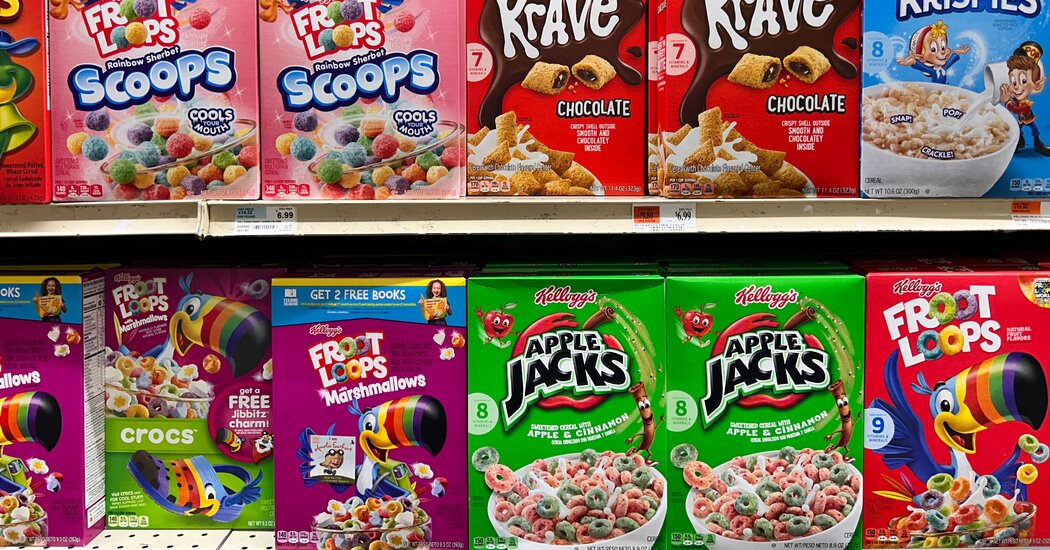
Processed foods are in the cross hairs of Robert F. Kennedy Jr., but battling major companies could collide with President-elect Donald J. Trump’s corporate-friendly goals.Boxes of brightly colored breakfast cereals, vivid orange Doritos and dazzling blue M&Ms may find themselves under attack in the new Trump administration.In excoriating such grocery store staples and their mysterious ingredients, Robert F. Kennedy tapped into a zeitgeist of widening appeal for healthy foods to curb obesity and disease that helped propel President-elect Donald J. Trump to select him to oversee the country’s vast health agency.“We are betraying our children by letting these industries poison them,” Mr. Kennedy said at a campaign rally on Nov. 2, to raucous applause.As Mr. Trump’s choice to head the Department of Health and Human Services, he would have far-reaching authority over the Food and Drug Administration, which regulates about 80 percent of the nation’s food supply. That includes shaping regulations on packaging that declares something “healthy” or discloses the amounts of sugar, salt and other ingredients in most packaged foods.But in vowing to upend the nation’s food system, Mr. Kennedy is taking a direct shot at Big Food, one of the country’s most powerful industries whose traditional allies are Republicans. Even something as simple as removing artificial dyes is likely to result in a knockdown battle for the multibillion-dollar food sector, which is wary of higher manufacturing costs or a dip in sales of products favored by loyal consumers.More broadly, Mr. Kennedy has set an agenda to root out what he considers corruption in the arena of government and public health, arguing that regulatory agencies overseeing food and drugs have been working hand in hand with corporate America to enhance profits rather than to benefit consumers.We are having trouble retrieving the article content.Please enable JavaScript in your browser settings.Thank you for your patience while we verify access. If you are in Reader mode please exit and log into your Times account, or subscribe for all of The Times.Thank you for your patience while we verify access.Already a subscriber? Log in.Want all of The Times? Subscribe.

Read more →

The Anti-Fluoride Movement Vaults Into the Mainstream

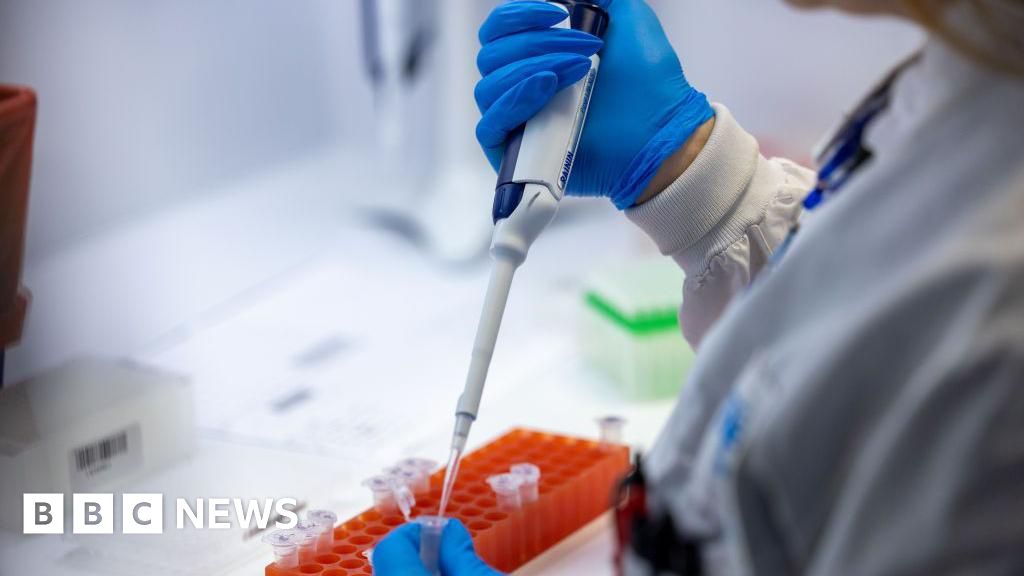
With the nomination of Robert F. Kennedy Jr. as health secretary, a formerly fringe opinion suddenly gets wide attention.At an aging water treatment plant north of New York City, the fluoride solution was leaking from a pump. It was intended to be added to the drinking water piped down from the Catskills, to strengthen teeth and prevent dental decay. But instead it was dripping onto the ground, where it had soon eaten through the concrete.That leak, in 2012, was followed by repairs and upgrades that took more than a decade. For much of that time, the town of Yorktown, in northern Westchester County, drank unfluoridated water. By the time the new fluoridation system was up and running in August 2024, the town supervisor, Ed Lachterman, had detected a shift in public opinion.He had grown accustomed to hearing from people who insisted that Yorktown’s water remain fluoridated. “It was, ‘fluoride, fluoride, fluoride,’” he recalled. But in the intervening years, his constituents seemed far more wary, voicing concerns about fluoridated water’s effect on the brain or framing it as an issue of autonomy — “my body, my choice,” he recalled.A month after resuming fluoridation, Mr. Lachterman reversed course, suspending it in September. He cited an unexpected development: A federal judge in San Francisco had just concluded that fluoride, long known to be toxic at high levels, “poses an unreasonable risk of reduced I.Q. in children” even in amounts close to what is typically added to the nation’s drinking water. The judge ordered the Environmental Protection Agency to do something about it.His ruling followed a report released in August by the National Toxicology Program, part of the U.S. Department of Health and Human Services, that concluded “with moderate confidence” that higher fluoride exposures “are consistently associated with lower I.Q. in children.”The judicial ruling was a surprising development in the nation’s running debate over the virtues and perils of adding fluoride to our water supply, a controversy that over 80 years has veered across a lot of territory — from public health to conspiracy theories. The debate had seemed to be settling down. A quarter-century ago, the Centers for Disease Control and Prevention had declared water fluoridation to be one of the 20th century’s greatest public health achievements, pointing to the dramatic decline in cavities and tooth decay.We are having trouble retrieving the article content.Please enable JavaScript in your browser settings.Thank you for your patience while we verify access. If you are in Reader mode please exit and log into your Times account, or subscribe for all of The Times.Thank you for your patience while we verify access.Already a subscriber? Log in.Want all of The Times? Subscribe.

Read more →