Assisted dying bill: What is in proposed law?

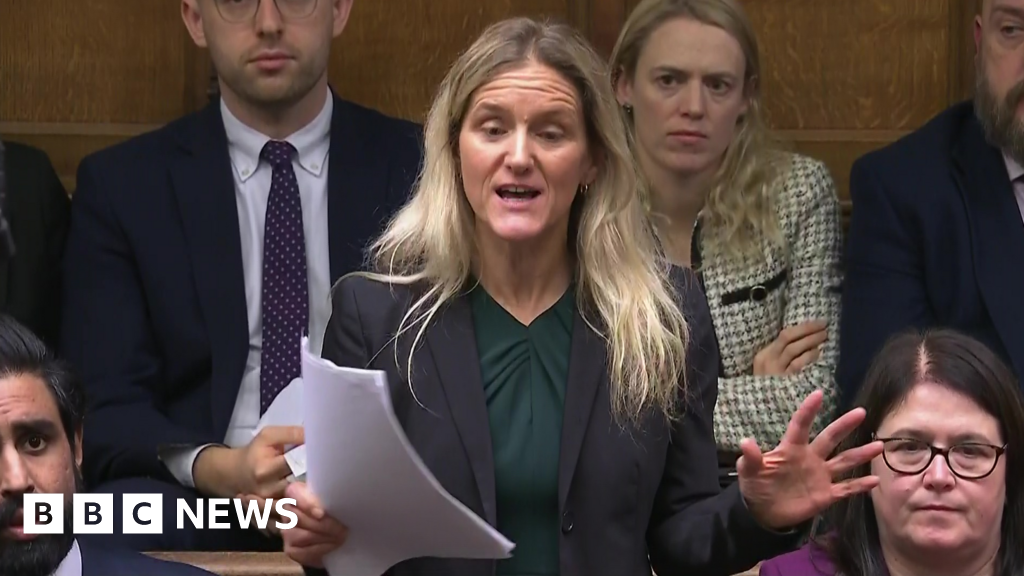
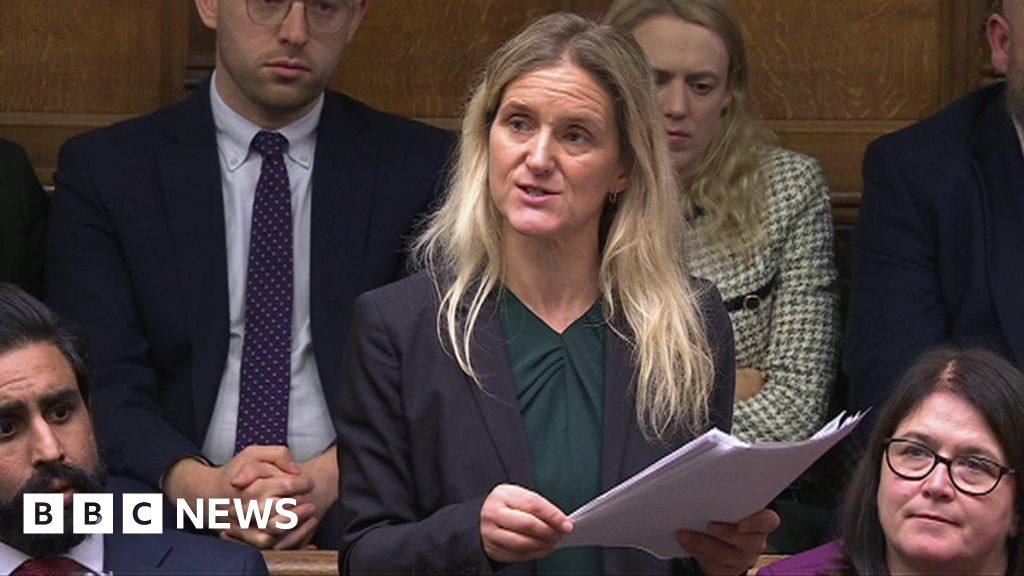
29 November 2024ShareSaveMichelle RobertsDigital health editor, BBC NewsShareSaveGetty ImagesMPs have voted in favour of proposals to legalise assisted dying in England and Wales. The bill will now face many more months of debate and scrutiny by MPs and peers, who could choose to amend it, with the approval of both Houses of Parliament needed for it to become law.It is also possible the bill could fall and not become law at all.The bill – called the Terminally Ill Adults (End of Life) Bill – would make it legal for over-18s who are terminally ill to be given assistance to end their own life. But there are requirements:They must be resident of England and Wales and be registered with a GP for at least 12 monthsThey must have the mental capacity to make the choice and be deemed to have expressed a clear, settled and informed wish, free from coercion or pressureThey must be expected to die within six monthsThey must make two separate declarations, witnessed and signed (by them or a proxy on their behalf), about their wish to dieTwo independent doctors must be satisfied the person is eligible – and there must be at least seven days between the doctors’ assessmentsA High Court judge must hear from at least one of the doctors and can also question the dying person, or anyone else they consider appropriate. There must be a further 14 days after the judge has made the ruling (although this can be shortened to 48 hours in some circumstances)The bill defines the coordinating doctor as a registered medical practitioner with “training, qualifications and experience” at a level to be specified by the Health SecretaryUnder the bill, a doctor could prepare the “approved” substance (the bill does not detail what medication this is) but the person themselves must take it.No doctor or anyone else would be allowed to administer the medication to the terminally ill person. The doctor would stay with the person until they had self-administered the substance and died (or the doctor determines the procedure has failed).The person could decide not to take it, in which case the doctor would have to remove the substance immediately. Doctors would also not be under any obligation to take part in the assisted dying process.This is called physician-assisted suicide. Voluntary euthanasia is different and is where a health professional administers the drugs to the patient.Deaths covered by the assisted suicide bill would not need to be investigated by a coroner.But the bill would make it illegal for someone to pressure, coerce or use dishonesty to get someone to make a declaration that they wish to end their life or to induce someone to self-administer an approved substance.If someone is found guilty of either of these actions, they could face a jail sentence of up to 14 years.What’s not included in the bill is how much the system would cost, who would pay and what the workload would be. And there is no detail about the judicial process – namely, how the evidence would be put before the High Court judge. Lord Thomas, former Lord Chief Justice, told the BBC’s Today Programme that it cannot be a “rubber stamping process” and judges must be satisfied there is no coercion. The person seeking assisted dying would be advised to consider telling their family and GP, but would not legally have to.

Read more →

Dr. Dave Weldon, Trump’s CDC Pick, Wasn’t on Anyone’s Radar

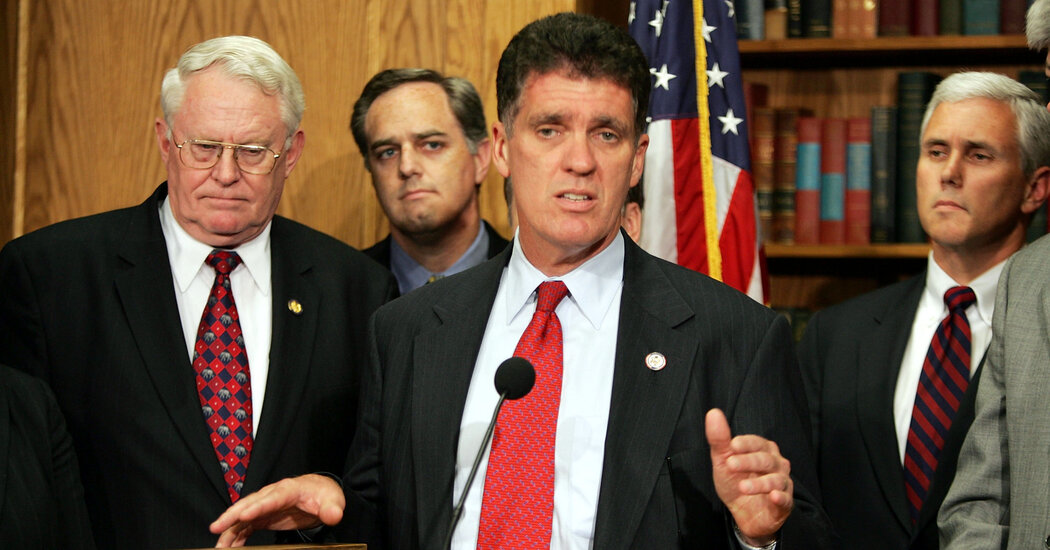
But over the years, the former congressman’s views have often aligned with those of his potential boss, Robert F. Kennedy Jr. — particularly on vaccine safety.Dr. Dave Weldon, a former Republican congressman who is President-elect Donald J. Trump’s pick to lead the Centers for Disease Control and Prevention, has been off the political stage for more than 15 years.Now running a private medical practice in Malabar, Fla., Mr. Weldon was hardly regarded as a leading candidate to run the federal agency, a $9 billion behemoth with a staff of more than 13,000 that has become a locus of conservative rage.Yet over the years his views have aligned in many ways with those of Robert F. Kennedy Jr., Mr. Trump’s choice for health and human services secretary, and Dr. Weldon’s potential boss. The two have maintained a 25-year relationship.Like Mr. Kennedy, Dr. Weldon, 71, has claimed that some children may develop autism when vaccinated against measles because of genetics or other factors, despite dozens of robust studies that thoroughly disproved the claim.Reached by phone on Tuesday, he declined to say whether he still held those beliefs and added that he could not yet comment on “anything of substance.”Dr. Weldon said that in his time in the House of Representatives, he worked with Mr. Kennedy “to get the mercury out of the childhood vaccines.” Still, he described himself as a supporter of vaccination.We are having trouble retrieving the article content.Please enable JavaScript in your browser settings.Thank you for your patience while we verify access. If you are in Reader mode please exit and log into your Times account, or subscribe for all of The Times.Thank you for your patience while we verify access.Already a subscriber? Log in.Want all of The Times? Subscribe.

Read more →

Nursing Home Industry Wants Trump to Rescind Staffing Mandate

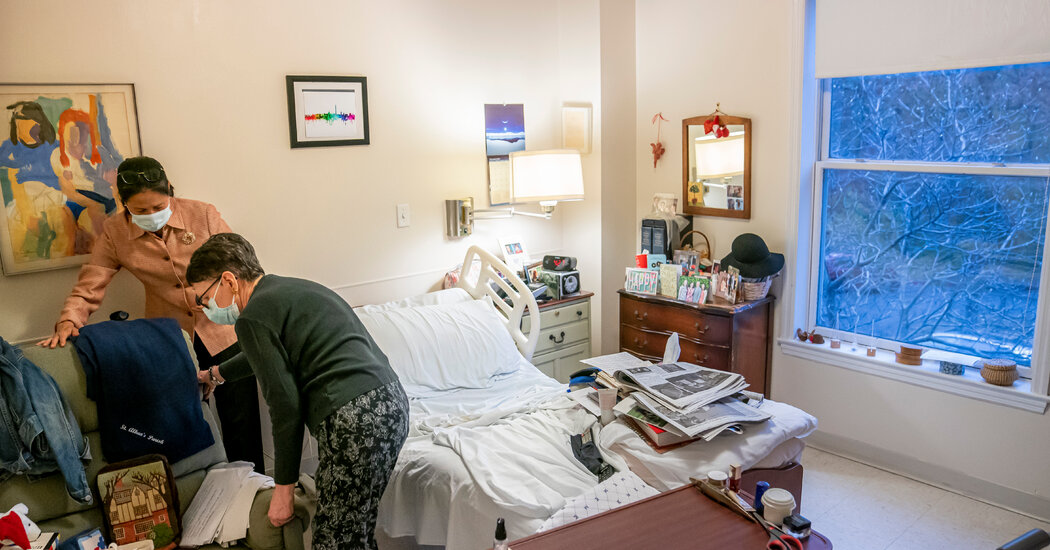
A Biden administration rule that imposed minimum rules on nursing levels may not survive, even though many homes lack enough workers to maintain residents’ care.Covid’s rampage through the country’s nursing homes killed more than 172,000 residents and spurred the biggest industry reform in decades: a mandate that homes employ a minimum number of nurses.But with President-elect Donald Trump’s return to the White House, the industry is ramping up pressure to kill that requirement before it takes effect, leaving thousands of residents in homes too short-staffed to provide proper care.The nursing home industry has been marshaling opposition for months among congressional Republicans — and even some Democrats — to overrule the Biden administration’s mandate. Two industry groups, the American Health Care Association and LeadingAge, have sued to overturn the regulation, and 20 Republican state attorneys general have filed their own challenge.Consumer advocates, industry officials and independent researchers agree that the incoming administration is likely to rescind the rule, given the first Trump administration’s “patients over paperwork” campaign to remove “unnecessary, obsolete, or excessively burdensome health regulations on hospitals and other healthcare providers.” Among other things, Mr. Trump aided the industry by easing fines against homes that had been cited for poor care.“The Trump administration has proven itself really eager to reverse overreaching regulations,” said Linda Couch, the senior vice president for policy and advocacy at LeadingAge, which represents nonprofit elder care providers. “We think it’s got a pretty good chance of being repealed, and hope so.”Issued in April, the staffing regulation requires nursing homes to have registered nurses on site around the clock — something that the industry has endorsed — and to maintain minimum numbers of nurses and aides. Four of five homes would have to increase staffing. The requirements would be phased in, starting in May 2026.We are having trouble retrieving the article content.Please enable JavaScript in your browser settings.Thank you for your patience while we verify access. If you are in Reader mode please exit and log into your Times account, or subscribe for all of The Times.Thank you for your patience while we verify access.Already a subscriber? Log in.Want all of The Times? Subscribe.

Read more →

She Was Scratching Her Arms Raw. Would Anything Stop This Itch?

The attacks came out of nowhere and brought life to a miserable standstill. And she had the scars to prove it.The 62-year-old woman shifted in her seat. The flight to Honolulu was full, the mood a little giddy. The unbroken ocean and sky filled the window. She and her daughter were four hours into the trip from Los Angeles to the wedding of a close family friend; it was going to be a great week. Then, she caught herself scratching lightly at a place on her forearm, just below the crease of her elbow. She lifted her arm to look at the spot. Nothing there. Immediately she was filled with dread.She reached over her head to touch the call button. She needed ice, lots of ice, and she needed it right away. The mild itch had already exploded into spasms of an intense sensation — it seemed wrong to call it an itch; surely there was a better word for it. The fierce intensity of the feeling shocked her. It was a feeling that insisted she scratch. Except scratching never helped. And she had the scars to prove it.She had suffered episodes of itching like this a few times in the past couple of years, though never quite as bad as it was on this flight. Her doctor back home had no idea what caused the crazy itch or what more she might do about it. These attacks came out of nowhere but immediately brought life to a standstill as she tried to ease the unbearable sensation. A bout could last for hours and almost always ended with her arm a bloody mess. When her daughter first saw her mother raking her nails over the invisible injury and the distress she felt fighting this unwinnable battle, she had offered her a Valium. And it helped. The itch was still there but the intensity somehow lessened.On the flight, the woman retrieved the pills she now carried with her all the time. The little bags of ice brought by the flight attendant melted slowly, numbing the hand that pressed them against her arm and easing the itch. She knew from experience that as soon as the ice was removed, the itch would roar back. The attendant brought an ice bucket. But within the hour, she needed more ice. More Valium. She was drenched with the condensation. Her clothes were dotted with blood. She didn’t care. She just had to get through it.The Valium and ice had done their job by the time the plane landed. The two women went to their hotel. The older woman went up to her room, closed the curtains and tried to manage the fear and the pain. The itch was gone, but her arm ached from the self-inflicted injuries. Two days later, the itch was back, this time on the other arm. She didn’t make it to the wedding. The unpredictable need to scratch was too grotesque for her to risk having to do it in public. Instead, she went to doctors. She saw four dermatologists during the trip. None had any idea of what was wrong or what she could do about it.A Doctor Who Loves Tough CasesShe had long since tried the usual remedies: antihistamine creams and pills; steroid creams; hot-pepper lotions; oatmeal baths; acupuncture. All completely useless.We are having trouble retrieving the article content.Please enable JavaScript in your browser settings.Thank you for your patience while we verify access. If you are in Reader mode please exit and log into your Times account, or subscribe for all of The Times.Thank you for your patience while we verify access.Already a subscriber? Log in.Want all of The Times? Subscribe.

Read more →