SARS-CoV-2 hijacks two key metabolic pathways to rapidly replicate in host cells

When SARS-CoV-2, the virus that causes COVID-19, infects a human cell, it quickly begins to replicate by seizing the cell’s existing metabolic machinery. The infected cells churn out thousands of viral genomes and proteins while halting the production of their own resources. Researchers from Brigham and Women’s Hospital, Massachusetts General Hospital (MGH), and the Broad Institute, studying cultured cells shortly after infecting them with the virus, now have more insight into the metabolic pathways co-opted by the virus. The findings, published in Nature Communications, highlight the potential therapeutic benefit of drugs such as methotrexate, which inhibit folate and one-carbon metabolic pathways appropriated by the virus.
“One of the things we’re lacking in this pandemic is a pill that can be taken orally, as a prophylactic agent, before someone is hospitalized or even before they’re infected,” said corresponding author Benjamin Gewurz, MD, PhD, of the Division of Infectious Diseases. “Monoclonal antibodies have a lot of promise but need to be given intravenously. Blocking the metabolism pathways that viruses rely on to replicate could be a new strategy for treating patients at an early timepoint.”
To identify which metabolic pathways to target, the researchers obtained samples of the virus and cultivated them in a highly protected facility called a BSL-3 laboratory, located at the Broad Institute. They then paired up with the laboratory of co-senior author Vamsi Mootha, MD, of MGH, to apply mass spectrometry approaches to identify the resources being consumed and produced by healthy cells and infected cells. They studied the infected cells at an “eclipse point,” eight hours after infection, when the virus has begun manufacturing its RNA and proteins but has not yet exerted a serious effect on host cell growth and survival.
In analyzing the amino acids and thousands of chemical metabolites produced by the cells, the researchers observed that infected cells had depleted stores of glucose and folate. They demonstrated that the SARS-CoV-2 virus diverts building blocks from glucose production to the assembly of purine bases, which are necessary for creating large amounts of viral RNA. Additionally, they found that the 1-carbon pathway used to metabolize folate was hyperactive, thus supplying the virus with more carbon groups for making bases for DNA and RNA.
Drugs that inhibit folate metabolism, like methotrexate, are often used to treat autoimmune conditions like arthritis and could be therapeutic candidates for COVID-19. Methotrexate is currently being assessed as a treatment for the inflammation that accompanies more advanced COVID-19 infections, but the researchers suggest that it could also be beneficial early on. Their study also found that it could offer a synergistic effect when administered with the anti-viral drug remdesivir. Methotrexate’s immune-suppressing properties could make its proper administration as a prophylactic challenging, however. Researchers would need to determine how to maximize the drug’s antiviral effects without significantly compromising a patient’s natural immune response.
Still, Gewurz points out that oral antivirals are an important addition to an arsenal of therapies for COVID-19, serving both as an immediate treatment for infection as well as a defense against new variants and other coronaviruses.
“We’re hoping that, ultimately, we can find a way of preventing viruses from using cells’ metabolism pathways to replicate themselves because that could limit the ability of viruses to evolve resistance,” Gewurz said. “We’re starting to see new viral variants, and we’re hoping that we can stay ahead of that — treating patients before the virus has the chance to make copies of itself that could become resistant to antibodies.”
This work was supported by the National Institutes of Health (R01 AI137337, R01 CA228700, R35 GM122455), EMBO (ALTF 486-2018), a Burroughs Wellcome Career Award in Medical Sciences, the Howard Hughes Medical Institute and MassCPR. Gewurz and Mootha are listed as inventors on a patent application filed by the Broad Institute based on results from this manuscript.
Story Source:
Materials provided by Brigham and Women’s Hospital. Note: Content may be edited for style and length.

Read more →

Drug delivery system: Injections or light irradiation?

A new concept of on-demand drug delivery system has emerged in which the drugs are automatically released from in vivo medical devices simply by shining light on the skin.
A research team led by Professor Sei Kwang Hahn of the Department of Materials Science and Engineering and Professor Kilwon Cho of the Department of Chemical Engineering at POSTECH have together developed an on-demand drug delivery system (DDS) using an organic photovoltaic cell coated with upconversion nanoparticles. This newly developed DDS allows nanoparticles to convert skin-penetrating near-infrared (NIR) light into visible light so that drug release can be controlled in medical devices installed in the body. These research findings were published in Nano Energy on March 1, 2021.
For patients who need periodic drug injections as in the case of diabetes, DDSs that automatically administer drugs in lieu of repetitive shots are being researched and developed. However, its size and shape have been restricted due to limitations in power supply for operating such a device.
The research team found the answer in solar power. Upconversion nanoparticles were used for the photovoltaic device to induce photovoltaic power generation with NIR light that can penetrate the skin. An organic photovoltaic cell coated with a core-shell structured upconversion nanoparticles was designed to operate a drug delivery system made of a mechanical and electronic system by generating an electric current upon irradiation of NIR light. When electricity is applied in this manner, the thin gold film sealing the drug reservoir melts and the drug is released.
“The combination of a flexible photovoltaic cell and a drug delivery system enables on-demand drug release using light,” explained Professor Sei Kwang Hahn. “The drug delivery system is activated using near-infrared light that is harmless to the human body and is highly skin-penetrating.”
He added, “Since this enables nimble control of drug release of medical devices inserted into the body by using near-infrared light, it is highly anticipated to contribute to the development of phototherapy technology using implantable medical devices.”

Story Source:
Materials provided by Pohang University of Science & Technology (POSTECH). Note: Content may be edited for style and length.

Read more →

Surgery should remain as mainstay of treatment for acute uncomplicated appendicitis: Study

An RCSI study conducted in Beaumont Hospital in Dublin has found that surgery, rather than antibiotics-only, should remain as the mainstay of treatment for acute uncomplicated appendicitis.
Published in the Annals of Surgery and led by researchers from the RCSI University of Medicine and Health Sciences, the study entitled the COMMA trial (Conservative versus Open Management of Acute uncomplicated Appendicitis) examined the efficacy and quality of life associated with antibiotic-only treatment of acute uncomplicated appendicitis versus surgical intervention. The results revealed that antibiotic-only treatment resulted in high recurrence rates and an inferior quality of life for patients.
Acute uncomplicated appendicitis is a commonly encountered acute surgical condition. Traditional management of the condition has involved surgery to remove the appendix (appendectomy). Antibiotic-only treatment has emerged as a potential alternative option that could offer benefits to patients and hospitals, such as a faster recovery, less scaring, less pain, a better quality of life for patients and reduced demand on operating theatres. There has been a reluctance to adopt antibiotic-only treatment due to previous research that has shown wide variability in failure rates and a lack of evidence regarding the impact on quality of life for patients.
In this research, 186 patients with radiological evidence of acute, uncomplicated appendicitis were randomised to two groups. One group received antibiotic-only treatment and patients in the other group were treated with surgery. Patients in the surgery group underwent a laparoscopic appendectomy. In those treated with antibiotics-only, intravenous (IV) antibiotics were administered until there was an improvement in a patient’s signs and symptoms and this was followed by five days of oral antibiotics.
In the weeks and months following treatment, patients were followed up with questionnaires including a quality of life questionnaire at 1 week, 1 month, 3 months and 12 months. At these points, the patient’s pain score, need for additional sick leave, surgical site infections and the development of recurrent appendicitis were recorded.
The results from the antibiotic-only group demonstrated that 23 patients (25%) experienced a recurrence of acute appendicitis within one year. In the quality of life questionnaires, it was found that patients in the surgery group experienced a significantly better quality of life score compared with the antibiotic-only group.
Professor Arnold Hill, Head of School of Medicine and Professor of Surgery, RCSI, said: ‘Antibiotic-only treatment of acute uncomplicated appendicitis has been proposed as an alternative less-invasive treatment option for patients. The COMMA Trial set out to establish if antibiotic-only treatment could replace surgery in some cases, which could offer many benefits for patients and hospitals alike. The results indicate that the treatment protocols should not change. Surgery will deliver the best outcomes for patients in terms of quality of life and recurrence and therefore should remain as the mainstay of treatment for acute uncomplicated appendicitis.’
 
The study was carried out by researchers from RCSI and Beaumont Hospital Dublin. The research was supported by RCSI.

Story Source:
Materials provided by RCSI. Note: Content may be edited for style and length.

Read more →

How the brain learns from subconscious stimuli

Researchers uncovered for the first time what happens in animals’ brains when they learn from subconscious, visual stimuli. In time, this knowledge can lead to new treatments for a number of conditions. The study, a collaboration between KU Leuven, Massachusetts General Hospital, and Harvard was published in Neuron.
An experienced birdwatcher recognises many more details in a bird’s plumage than the ordinary person. Thanks to extensive training, he or she can identify specific features in the plumage. This learning process is not only dependent on conscious processes. Previous research has shown that when people are rewarded during the presentation of visual stimuli that are not consciously perceivable, they can still perceive these stimuli afterwards.
Although this is a known phenomenon, researchers were unsure as to how exactly this unconscious perceptual learning comes about. To find out, Professor Wim Vanduffel and colleagues studied the brains of two rhesus monkeys before and after they were exposed to subconscious visual stimuli.
Dopamine
The researchers activated part of the reward system at the base of the brain stem, the ventral tegmental area. This includes cells that produce dopamine, a molecule that is also released when you receive a reward. “Dopamine is a crucial messenger molecule of our motor and reward systems, and is extremely important for learning and enjoyment,” says Vanduffel. Activating the ventral tegmental area released dopamine, among other things. “By stimulating the brain area directly, we can causally link the activity in that area to perception or complex cognitive behaviour,” explains Vanduffel.
While the brain area was activated, the monkeys were shown virtually invisible images of human faces and bodies. Because the images were very blurry and the monkeys had to perform a very different and difficult task at the same time, they could not consciously perceive these images. The same process was followed during the control tests, but the brain was not stimulated.

advertisement

When the monkeys received subconscious visual stimuli while the ventral tegmental area was stimulated, they knew details about those images afterwards. For example, they knew whether the bodies shown were turned to the left or to the right. This was not the case when there had been no brain stimulation.
“Thanks to this experiment, we can demonstrate for the first time a direct causal relationship between this brain region and, as a result, also the likely link between dopamine and the subconscious learning of complex visual stimuli.”
The parts in the darker colour regulate, among others, the production of dopamine. Disturbances in this region can lead to Parkinson’s disease and other conditions. | © Shutterstock
The researchers also made a brain scan of the animals before and after the test. “We can see the blood flow in the brain, which gives an indication of which neurons are active. The more blood flow, the more activity,” explains Vanduffel. The scans showed that the task caused activity in the visual cortex of the brain and in areas important for memory. “With this data, we can zoom in to find out what is happening exactly at a neuronal level in these brain areas, in future experiments.”
“Since Freud’s insights in the 20th century, the scientific community has been wondering how subconscious sensations can affect us. Thanks to the present awareness that there is a strong resemblance between humans and monkeys, and new and advanced technologies, we can finally map such processes physiologically.”
Parkinson’s disease

advertisement

Disturbances in the dopaminergic system can lead to numerous psychiatric and motor disorders, such as depression, addiction and Parkinson’s disease. A better understanding of how this system works, in various forms of learning, is therefore crucial to developing targeted therapies for these conditions.
“Parkinson’s is a motor disorder and is caused by dopamine-producing neurons dying off. However, current dopamine treatments may produce side effects because they also trigger the entire reward system, which not only reduces motor symptoms but can also lead to addictive behaviour.” Fundamental research into the functioning of these brain areas will eventually lead to more targeted treatments with fewer side effects.
Plasticity
This insight is also useful in situations such as trauma, ageing or oncological problems where an increase in brain plasticity, i.e. the ability to change, could be very useful. “By stimulating areas of the brain that produce dopamine, we could, for example, enable people to regain their speech more quickly or improve their motor skills after an accident or illness. This could even be done through medication, although we are still a long way from that,” explains Vanduffel.
Insights about our brain and the conditions under which we and other primates visually shape our world are therefore crucial, because, as Vanduffel concludes: “you have to know how a car’s engine works before you can fix a problem with it.”

Story Source:
Materials provided by KU Leuven. Original written by Elisa Nelissen. Note: Content may be edited for style and length.

Read more →

High tumor mutation burden predicts immunotherapy response in some, but not all, cancers

A high rate of genetic mutations within a tumor, known as high tumor mutation burden (TMB), was only useful for predicting clinical responses to immune checkpoint inhibitors in a subset of cancer types, according to a new study led by researchers from The University of Texas MD Anderson Cancer Center.
The findings, published today in Annals of Oncology, suggest that TMB status may not be reliably used as a universal biomarker for predicting immunotherapy response. While TMB status was capable of successfully predicting response to checkpoint blockade in certain cancers, such as melanoma, lung and bladder cancer, there was no association with improved outcomes in others, including breast, prostate and brain cancers.
“This study represents the most comprehensive analysis to date of TMB as a biomarker for response to immune checkpoint blockade,” said lead author Daniel J. McGrail, Ph.D., postdoctoral fellow in Systems Biology. “Our results do not support applying high TMB status as a universal biomarker for immunotherapy response, suggesting that additional tumor type-specific studies are needed to clarify how best to apply TMB status in cancer types where it does not appear to be associated with outcomes.”
Gene mutations within a tumor lead to the production of mutant proteins, or neoantigens, which can be recognized as abnormal by the immune system. It follows that a high TMB would render tumors more immunogenic, which is why TMB status has become a leading candidate biomarker for predicting immunotherapy response, McGrail explained.
In June 2020, the U.S. Food and Drug Administration approved the anti-PD-1 therapy pembrolizumab for treating patients with advanced and refractory cancers with a high TMB, as indicated by a defined threshold level of mutations. The approval was based on results from the Phase II KEYNOTE-158 study, which found improved overall responses in patients with a high TMB. However, the trial did not include several cancer types, such as breast, prostate and brain cancers, which have not typically responded to immune checkpoint blockade therapy.
“The FDA approval of pembrolizumab for patients with high TMB certainly provides an important option for many patients,” said senior author Shiaw-Yih Lin, Ph.D., professor of Systems Biology. “However, we felt that it was important to look more closely at TMB status in a broader group of cancer types and establish approaches to harmonize TMB across various assays to enable clinicians to best utilize the recent FDA approval.”
The researchers analyzed over 10,000 tumors across 31 cancer types from The Cancer Genome Atlas (TCGA) to study the relationship between TMB status and tumor immunogenicity, measured by the infiltration of immune cells (CD8+ T cells) into the tumor. They identified two classes of tumors — those with and without a strong correlation between TMB status and T cell infiltration.

Read more →

Doctor communication key to pandemic vaccine adoption

People who talk with their doctors are more likely to get vaccinated during a pandemic, according to a study of evidence collected during the “swine flu,” the last pandemic to hit the U.S. before COVID-19.
Researchers from Washington State University and University of Wisconsin-Madison surveyed patients about the vaccine for the H1N1 virus, also known as the swine flu, which was declared a pandemic by the World Health Organization in 2009. They found that doctor-patient communication helped build trust in physicians, which led to more positive attitudes toward the H1N1 vaccine — and it was more than just talk; it correlated to people actually getting vaccinated.
The study, recently published in the journal Health Communication, builds on previous research showing doctors can curb negative attitudes toward vaccinations in general, but this study specifically focuses on that role during a pandemic.
“A vaccine during a pandemic is definitely different from others, like the flu vaccine, which people already know about,” said Porismita Borah, an associate professor in WSU’s Murrow College of Communication and lead author on the study. “During a pandemic, it is a new vaccine for everybody. People may have more hesitancy and may be more worried about side effects. The doctor’s office is one of the best sources of information for patients who have questions.”
The researchers analyzed survey responses from more than 19,000 people nationwide on their attitudes toward doctors and their willingness to discuss vaccines with their physician as well as their willingness to get vaccinations — and ultimately whether or not they got the H1N1 vaccine. They found that the willingness to talk to doctors about the issue correlated with increased trust and receiving the vaccination.
The authors note that doctors often feel that they cannot ethically tell patients to take a certain vaccine. Instead they recommend physicians simply act as a resource, helping answer questions so patients can make better informed decisions. They do not, however, need to wait until patients come to them.
“Doctors could voluntarily reach out to patients, even by email, to let them know what the COVID-19 vaccine means,” said Borah. “They can answer questions like how was the vaccine made? What should patients expect? Why are there two doses? I think there might be many questions people have which can be easily answered by primary care physicians who are usually well trusted by the general public.”
Doctor communication with patients is particularly pressing now, Borah added, given that that one in five Americans showed an unwillingness to get the COVID-19 vaccine and the amount of misinformation around the pandemic.
“People have to be really careful about what they’re seeing and what they’re reading because there is so much misinformation circulating on social media,” said Borah. “Sometimes this misinformation is circulated by friends and family members without any sort of bad intention — they just share it, so it’s extremely important to get information from trusted sources.”
Story Source:
Materials provided by Washington State University. Original written by Sara Zaske. Note: Content may be edited for style and length.

Read more →

Thirteen things primary care clinics can check to help preserve brain health

Primary care clinics can play an important role in preserving patients’ brain health using the American Heart Association’s Life’s Simple 7 as a guide, as well as addressing 6 other factors associated with cognitive decline, according to a new American Stroke Association/American Heart Association Scientific Statement. “A Primary Care Agenda for Brain Health,” published today in the Associations’ journal Stroke.
Preserving brain health in an aging population is a growing concern in the U.S. An estimated one in five Americans 65 years and older has mild cognitive impairment, and one in seven has dementia. By 2050, the number of Americans with dementia is expected to triple, the statement authors note.
“Primary care is the right home for practice-based efforts to prevent or postpone cognitive decline. Primary care professionals are most likely to identify and monitor risk factors early and throughout the lifespan,” said Chair of the scientific statement writing group Ronald M. Lazar, Ph.D., FAHA, the Evelyn F. McKnight Endowed Chair for Learning and Memory in Aging and director of the Evelyn F. McKnight Brain Institute at the University of Alabama at Birmingham School of Medicine. “Prevention doesn’t start in older age; it exists along the health care continuum from pediatrics to adulthood. The evidence in this statement demonstrates that early attention to these factors improves later life outcomes.”
Life’s Simple 7 focuses on seven lifestyle targets to achieve ideal cardiovascular health: managing blood pressure, healthy cholesterol levels, reducing blood sugar, increasing physical activity, eating better, losing weight and not smoking. The new statement suggests primary care professionals also consider assessing risk factors to address cognitive health. The six risk factors to consider, in addition to Life’s Simple 7, that impact optimal brain health are depression, social isolation, excessive alcohol use, sleep disorders, less education and hearing loss. The statement lists risk factors for cognitive impairment, prevention strategies and best practices to integrate brain health prevention into primary care.
“Scientists are learning more about how to prevent cognitive decline before changes to the brain have begun. We have compiled the latest research and found Life’s Simple 7 plus other factors like sleep, mental health and education are a more comprehensive lifestyle strategy that optimizes brain health in addition to cardiovascular health,” said Lazar, who is also a professor of neurology and neurobiology at the University of Alabama at Birmingham.
The statement uses cognition to define brain health, referring to the spectrum of intellectual-related activities, such as memory, thinking, reasoning, communication, and problem solving that enables people to thrive and navigate the world on an everyday basis. The ability to think, solve problems, remember, perceive and communicate are crucial to successful living; their loss can lead to helplessness and dependency.
“Studies have shown that these domains are impacted by factors that are within our control to change,” Lazar said. “Prevention and mitigation are important, because once people have impaired cognition, the current treatment options are very limited.”
According to the statement:
Recent data show that hypertension, diabetes and smoking in adulthood and middle-life increase the odds of cognitive decline in middle-age and accelerate cognitive decline in older age.
People with dementia experience lower quality of life, and caregivers — typically family members — experience high rates of psychological stress and physical ill-health. Dementia is more costly than heart disease or cancer, with worldwide costs estimated at $818 billion in 2015.
Primary care is the right place for practice-based efforts to prevent or postpone cognitive decline. This setting can provide comprehensive coordinated care to promote AHA’s Life’s Simple 7 as a guide for brain health and overall wellness.
Professional guidelines also recommend routine screening for depression and counseling patients to focus on healthy eating and exercising a minimum of 150 minutes a week.
Implementation of practices to prevent cognitive decline often fall short — referred to as an evidence-practice gap. However, new practices and technology like telehealth, which are more common as a result of the COVID-19 pandemic, are addressing this gap.
Lack of access to primary care services may be a barrier to prevention. Even with the Affordable Care Act, an estimated 15% of Americans adults still lack health insurance, and 25% of Americans do not have a source of primary care.
“Many people think of high blood pressure, Type 2 diabetes and other risk factors as affecting only heart health, yet these very same risk factors affect our brain health. Patients might be more likely to pay attention to the importance of addressing modifiable risk factors if they understood the links,” Lazar said. “I’ve given lectures, and what people tell me is, the one thing they do not want to lose during the course of their lives is their mind.”
In 2017, the American Stroke Association/American Heart Association issued a presidential advisory on achieving optimal brain health that includes Life’s Simple 7.
The American Heart Association and the Paul G. Allen Frontiers Group together with additional contributors, including the Oskar Fischer Project and Henrietta B. and Frederick H. Bugher Foundation, have committed over $43 million to fund research with the potential to move forward brain health and cognitive impairment science. The American Heart Association/Allen Initiative in Brain Health and Cognitive Impairment has granted 3 competitive basic science research awards to study brain health over eight years.
This scientific statement was prepared by the volunteer writing group on behalf of the American Heart Association’s Stroke Council, and the American Academy of Neurology affirms the value of the statement, additionally, as an educational tool for neurologists.

Read more →

Beta-blockers not likely to cause depression yet may contribute to sleep disturbances

Beta-blockers treat various cardiovascular diseases and were not more likely to cause depression compared to other similar treatments, according to new research published today in Hypertension, an American Heart Association journal. While depression may occur during beta-blocker therapy, the research suggests beta-blockers are not the likely cause.
Beta-blockers are a class of medications that reduce the heart rate, the heart’s workload and the heart’s output of blood, which, together, lower blood pressure. They are a common treatment for cardiovascular diseases, including heart failure, arrhythmias, chest pains and high blood pressure. Researchers have suspected beta-blockers of having negative psychological side effects, including depression, anxiety, drowsiness, insomnia, hallucinations and nightmares.
“The possible mental health side effects of beta-blockers have been the subject of discussion in the scientific community for many decades,” says Reinhold Kreutz, M.D., Ph.D., a professor at the Berlin Institute of Health, Institute of Clinical Pharmacology and Toxicology and the study’s supervising and corresponding author. “So, our results showing beta-blockers are not the cause of so many of these negative side effects are quite consequential.”
The study is the first of its kind to examine the entire spectrum of mental health side effects in relation to beta-blockers. The researchers analyzed data for more than 50,000 individuals from 258 studies including beta-blockers in double-blind, randomized controlled trials. Nearly 70% of the studies were clinical trials focused on high blood pressure treatment, and 31 assessed depression in placebo-controlled trials.
Results from the comprehensive analysis revealed:
Despite being the most frequently reported mental health side effect, depression did not occur more frequently during beta-blocker treatment compared to placebo treatment.
The rate of discontinuing medication use due to depression was not any different for those taking beta-blockers compared to those on other treatments.
Unusual dreams, insomnia and sleep disorders may be linked to beta-blockers.
Among the mental health events analyzed, the most common reason for discontinuing beta-blockers was fatigue/tiredness.
“Our results indicate that concerns about adverse mental health events, especially depression, should not affect the decision about beta blockers. Beta-blockers are mostly safe regarding psychological health,” said Kreutz. “We found no indication of an association between beta-blocker use and depression. The same was true for most of the other mental health symptoms, as reported in the studies that were included in our analyses. However, sleep-related symptoms such as unusual dreams or insomnia did emerge during beta?blocker therapy for some patients.”
Kreutz added, “Patients with a history of cardiovascular events such as a heart attack or stroke were prone to develop psychological complications. Though we found beta-blockers were not causally linked, these patients should be monitored.”
The original studies did not include individual patient data, so for this analysis, researchers were unable to investigate whether sleep-related symptoms were persistent for those taking beta-blockers. Additional research is needed to address this question.
The researchers report there an important limitation to consider when interpreting the results of their analysis: most beta-blocker trials were conducted more than 20 years ago, before a uniform language to describe adverse events was established. Additionally, the authors only considered randomized, double-blind trials for their analysis, which left out some studies that might provide more data on long-term beta-blocker treatment.

Story Source:
Materials provided by American Heart Association. Note: Content may be edited for style and length.

Read more →

Doctors Are Investigated After Posting Organ Photos Online as ‘Price Is Right’ Game

AdvertisementContinue reading the main storySupported byContinue reading the main storyDoctors Are Investigated After Posting Organ Photos Online as ‘Price Is Right’ GameThe medical residents, who are employed by Spectrum Health in Grand Rapids, Mich., asked people on Instagram to guess how much a surgically removed organ weighed.Medical residents in Grand Rapids, Mich., posted photos on Instagram showing themselves posing with tissue and organs that were removed during an operation.Credit…Wood TV8March 15, 2021, 9:10 a.m. ETA health care network in Michigan said it had opened an investigation after some operating room doctors posted photos on social media last week showing themselves holding a surgically removed organ and tissue material as part of a game that they likened to “The Price Is Right.”The doctors, who are employed as medical residents by Spectrum Health in Grand Rapids, Mich., and specialize in obstetrics and gynecology, asked people to guess how much an unidentified organ weighed, according to one of the Instagram posts obtained by the NBC affiliate WOOD-TV.The station said it blurred part of the image in that post so that people could not tell what type of organ was shown in the post, which was shared publicly.The posts appeared to show at least one patient in the background, the television station reported. They were taken down shortly after the station contacted the medical residents on Friday.“The other game we play in the OR is guess that weight,” the post said. “It applies to much more than just babies. As always, ‘Price is Right’ rules apply so if you go over then you’re out!”The doctor was referring to the television game show’s longstanding rule in which contestants who overestimate the value of a prize are disqualified.Spectrum Health, which operates 14 hospitals in Western Michigan, three of which are in Grand Rapids, said in a statement on Sunday night that patient confidentiality was paramount.“We were shocked and dismayed when we learned that surgical images were posted on an Instagram account not officially connected to Spectrum Health that was used by a group of medical residents,” the statement said. “This unacceptable behavior does not in any way reflect our organization, the outstanding professionalism of our medical staff or our resident physicians-in-training.”It was not immediately clear which hospital or how many doctors were involved in the episode. None of the doctors who were involved have been identified. The Instagram handle used by the medical residents was @grandrapids_obgyn_residency.“We are actively and comprehensively investigating this unfortunate incident,” Spectrum Health said. “These posts do not follow our code of excellence, our values or our expectations for team member behavior. We deeply value the trust that our patients have in us, and we work to strengthen this bond every day.”In another photo that was shared publicly on Instagram by the medical residents, a doctor can be seen pointing to a strand of tissue after a patient had an operation to remove uterine fibroids, which are usually benign tumors but can hide a dangerous type of cancer.The doctor had just completed a procedure known as morcellation, in which a surgeon typically uses a tool with a spinning blade that slices tissue so it can be extracted through small incisions. The technique has been the subject of an intense medical debate: Some say it can spread cancer, while others say the procedure is less invasive than alternatives.The doctor wrote that medical residents could be a little competitive when the attending physician challenged them in morcellation, the station reported.“Longest one wins!” the station quoted the post as saying. “Good work.”Arthur Caplan, a professor of medical ethics at the New York University Grossman School of Medicine, said in an interview on Sunday that the social media posts could be grounds for serious disciplinary action against the doctors, possibly resulting in loss of license.“It certainly is a serious breach of ethics,” he said. “There’s absolutely no excuse for turning something that should be serious and treated with respect into a kind of silly carnival.”Many patients consider tissue or organs that have been surgically removed to still be part of themselves, especially female reproductive organs, Dr. Caplan said. Posting a photo featuring a patient partly visible in an operating room, he said, crossed a line.“We try to explain that a key aspect of professionalism is always respect for the patient and understanding that patients have a strong feeling about their bodies and intimacy,” he said.At least one person complained about the Instagram posts before they were removed.“And do you think the patient would appreciate you posting this?” the television station quoted the person as saying in a comment below the organ photo. “Did she agree for her body to be displayed on social media as a part of your ‘game’?”AdvertisementContinue reading the main story

Read more →

The Pandemic as a Wake-Up Call for Personal Health

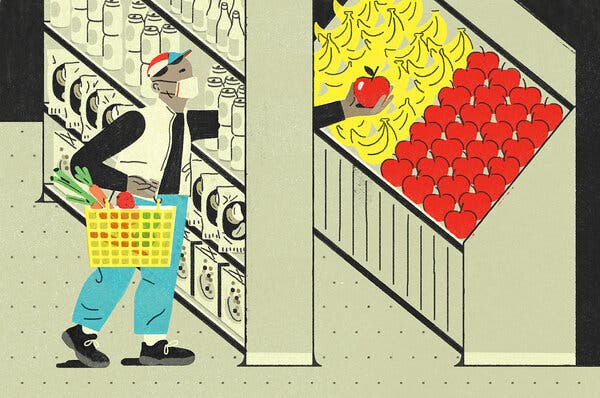
AdvertisementContinue reading the main storySupported byContinue reading the main storyPersonal HealthThe Pandemic as a Wake-Up Call for Personal HealthToo many Americans fail to take measures to combat obesity, the second leading risk factor for death from Covid-19.Credit…Gracia LamMarch 15, 2021, 5:00 a.m. ETThe pandemic has shed a blinding light on too many Americans’ failure to follow the well-established scientific principles of personal health and well-being. There are several reasons this country, one of the world’s richest and most highly developed, has suffered much higher rates of Covid-19 infections and deaths than many poorer and less well-equipped populations.Older Americans have been particularly hard hit by this novel coronavirus. When cases surged at the end of last year, Covid-19 became the nation’s leading cause of death, deadlier than heart disease and cancer.But while there’s nothing anyone can do to stop the march of time, several leading risk factors for Covid-19 infections and deaths stem from how many Americans conduct their lives from childhood on and their misguided reliance on medicine to patch up their self-inflicted wounds.After old age, obesity is the second leading risk factor for death among those who become infected and critically ill with Covid-19. Seventy percent of Americans adults are now overweight, and more than a third are obese. Two other major risks for Covid, Type 2 diabetes and high blood pressure, are most often the result of excess weight, which in turn reflects unhealthy dietary and exercise habits. These conditions may be particularly prevalent in communities of color, who are likewise disproportionately affected by the pandemic.Several people I know packed on quite a few pounds of health-robbing body fat this past year, and not because they lacked the ability to purchase and consume a more nutritious plant-based diet or to exercise regularly within or outside their homes. One male friend in his 50s unexpectedly qualified for the Covid vaccine by having an underlying health condition when his doctor found he’d become obese since the pandemic began.A Harris Poll, conducted for the American Psychological Association in late February, revealed that 42 percent of respondents had gained an average of 29 “pandemic pounds,” increasing their Covid risk.So what can we learn from these trends? Tom Vilsack, the new Secretary of Agriculture, put it bluntly a week ago in Politico Pro’s Morning Agriculture newsletter: “We cannot have the level of obesity. We cannot have the level of diabetes we have. We cannot have the level of chronic disease … It will literally cripple our country.”Of course, in recent decades many of the policies of the department Mr. Vilsack now heads have contributed mightily to Americans’ access to inexpensive foods that flesh out their bones with unwholesome calories and undermine their health. Two telling examples: The government subsidizes the production of both soybeans and corn, most of which is used to feed livestock.Not only does livestock production make a major contribution to global warming, much of its output ends up as inexpensive, often highly processed fast foods that can prompt people to overeat and raise their risk of developing heart disease, diabetes, high blood pressure and kidney disease. But there are no subsidies for the kinds of fruits and vegetables that can counter the disorders that render people more vulnerable to the coronavirus.As Mr. Vilsack said, “The time has come for us to transform the food system in this country in an accelerated way.”Early in the pandemic, when most businesses and entertainment venues were forced to close, toilet paper was not the only commodity stripped from market shelves. The country was suddenly faced with a shortage of flour and yeast as millions of Americans “stuck” at home went on a baking frenzy. While I understood their need to relieve stress, feel productive and perhaps help others less able or so inclined, bread, muffins and cookies were not the most wholesome products that might have emerged from pandemic kitchens.When calorie-rich foods and snacks are in the home, they can be hard to resist when there’s little else to prompt the release of pleasure-enhancing brain chemicals. To no one’s great surprise, smoking rates also rose during the pandemic, introducing yet another risk to Covid susceptibility.And there’s been a run on alcoholic beverages. National sales of alcohol during one week in March 2020 were 54 percent higher than the comparable week the year before. The Harris Poll corroborated that nearly one adult in four drank more alcohol than usual to cope with pandemic-related stress. Not only is alcohol a source of nutritionally empty calories, its wanton consumption can result in reckless behavior that further raises susceptibility to Covid.Well before the pandemic prompted a rise in calorie consumption, Americans were eating significantly more calories each day than they realized, thanks in large part to the ready availability of ultra-processed foods, especially those that tease, “you can’t eat just one.” (Example: Corn on the cob is unprocessed, canned corn is minimally processed, but Doritos are ultra-processed).In a brief but carefully designed diet study, Kevin D. Hall and colleagues at the National Institutes of Health surreptitiously gave 20 adults diets that were rich in either ultra-processed foods or unprocessed foods matched for calorie, sugar, fat, sodium, fiber and protein content. Told to eat as much as they wanted, the unsuspecting participants consumed 500 calories a day more on the ultra-processed diet.If you’ve been reading my column for years, you already know that I’m not a fanatic when it comes to food. I have many containers of ice cream in my freezer; cookies, crackers and even chips in my cupboard; and I enjoy a burger now and then. But my daily diet is based primarily on vegetables, with fish, beans and nonfat milk my main sources of protein. My consumption of snacks and ice cream is portion-controlled and, along with daily exercise, has enabled me to remain weight-stable despite yearlong pandemic stress and occasional despair.As Marion Nestle, professor emerita of nutrition, food studies and public health at New York University, says, “This is not rocket science.” She does not preach deprivation, only moderation (except perhaps for a total ban on soda). “We need a national policy aimed at preventing obesity,” she told me, “a national campaign to help all Americans get healthier.”AdvertisementContinue reading the main story

Read more →