Covid vaccine: US trial of AstraZeneca jab confirms safety

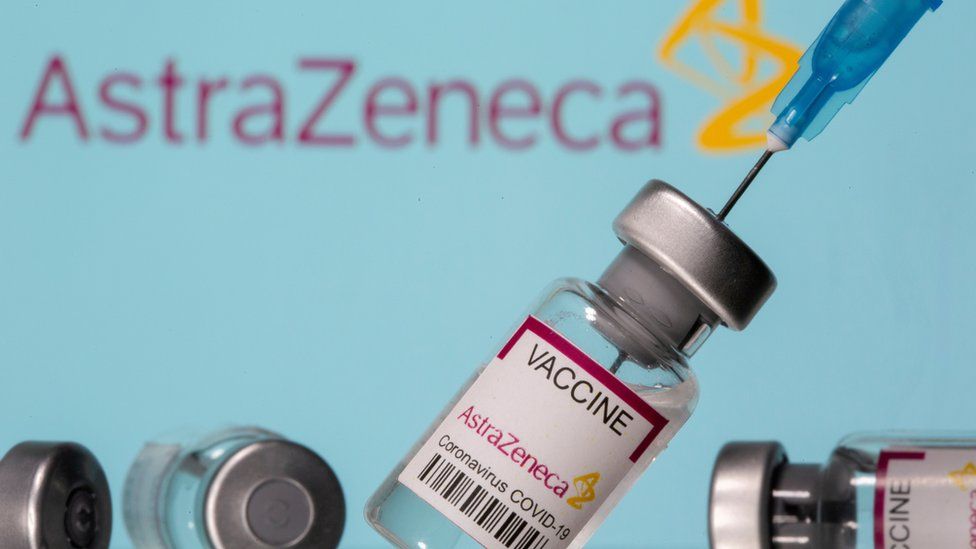
SharecloseShare pageCopy linkAbout sharingimage copyrightReutersResults from the long-awaited US trial of the Oxford-AstraZeneca Covid vaccine are out and confirm that the shot is both safe and highly effective. More than 32,000 volunteers took part, mostly in America, but also in Chile and Peru. The vaccine was 79% effective against stopping symptomatic Covid disease and 100% effective at preventing people from falling seriously ill. And there were no safety issues regarding blood clots.That should further reassure some EU countries that recently paused rollout of the vaccine amid concerns about a possible link. Some are already starting to use it again now that Europe’s medicines regulator has completed its review and has also concluded the vaccine is safe and effective.UK and EU clot review confirms safety of vaccineThis new trial data may also prove useful in reassuring people about how well the vaccine works to protect the elderly against Covid-19 illness.Several countries initially would not authorise the use of the vaccine in adults over 65, citing lack of evidence. Around a fifth of the volunteers in this trial were over 65 and the vaccine – given as two doses, four weeks apart – provided as much protection to them as to younger age groups. Hundreds of thousands of people in the UK are already receiving the AstraZeneca vaccine every day, so these numbers are tiny by comparison. But the results are vital for the US and should clear the way for the vaccine to be approved by regulators there within the next month or two.Lead investigator of the Oxford University trial of the vaccine, Prof Andrew Pollard said: “‘These results are great news as they show the remarkable efficacy of the vaccine in a new population and are consistent with the results from Oxford-led trials. “We can expect strong impact against Covid-19 across all ages and for people of all different backgrounds from widespread use of the vaccine.”Prof Sarah Gilbert, co-designer of the vaccine, said: “In many different countries and across age groups, the vaccine is providing a high level of protection against Covid-19 and we hope this will lead to even more widespread use of the vaccine in the global attempts to bring the pandemic to an end.”Prof Gilbert said there were always cases of people falling ill after receiving a vaccine, particularly when very large numbers of were receiving a jab, but that did not mean that the vaccine was responsible for the problems. Meanwhile thousands of people a day were now dying across Europe from Covid-19.She said: “It is really important that we get the chance to protect people as quickly as possible. This vaccine will save lives.”

Read more →

'Hunger hormone' ghrelin affects monetary decision making

Higher levels of the stomach-derived hormone ghrelin, which stimulates appetite, predict a greater preference for smaller immediate monetary rewards over larger delayed financial rewards, a new study finds. The study results will be presented at ENDO 2021, the Endocrine Society’s annual meeting.
This research presents novel evidence in humans that ghrelin, the so-called “hunger hormone,” affects monetary decision making, said co-investigator Franziska Plessow, Ph.D., assistant professor of medicine at Massachusetts General Hospital and Harvard Medical School, Boston. She said recent research findings in rodents suggested that ghrelin may play a part in impulsive choices and behaviors.
“Our results indicate that ghrelin might play a broader role than previously acknowledged in human reward-related behavior and decision making, such as monetary choices,” Plessow said. “This will hopefully inspire future research into its role in food-independent human perception and behavior.”
Ghrelin signals the brain for the need to eat and may modulate brain pathways that control reward processing. Levels of ghrelin fluctuate throughout the day, depending on food intake and individual metabolism.
This study included 84 female participants ages 10 to 22 years: 50 with a low-weight eating disorder, such as anorexia nervosa, and 34 healthy control participants. Plessow’s research team tested blood levels of total ghrelin before and after a standardized meal that was the same for all participants, who had fasted beforehand. After the meal, participants took a test of hypothetical financial decisions, called the delay discounting task. They were asked to make a series of choices to indicate their preference for a smaller immediate monetary reward or a larger delayed amount of money, for instance, $20 today or $80 in 14 days.
Healthy girls and young women with higher ghrelin levels were more likely to choose the immediate but smaller monetary reward rather than waiting for a larger amount of money, the researchers reported. This preference indicates more impulsive choices, Plessow said.
The relationship between ghrelin level and monetary choices was absent in age-matched participants with a low-weight eating disorder. People with this eating disorder are known to have ghrelin resistance, and Plessow said their finding might be another indicator of a disconnect between ghrelin signaling and behavior in this population.
The study received funding from the National Institutes of Health and a Charles A. King Trust Research Fellowship Award to Plessow. Naila Shiraliyeva, M.D., a research fellow at Massachusetts General Hospital, will present the study findings at the meeting.
Story Source:
Materials provided by The Endocrine Society. Note: Content may be edited for style and length.

Read more →

Weekly insulin helps patients with type 2 diabetes achieve similar blood sugar control to daily insulin

A new once-weekly basal insulin injection demonstrated similar efficacy and safety and a lower rate of low blood sugar episodes compared with a daily basal insulin, according to a phase 2 clinical trial. The study results, which will be presented at ENDO 2021, the Endocrine Society’s annual meeting, compared an investigational drug called basal insulin Fc (BIF) with insulin degludec, a commercially available long-lasting daily insulin, in patients with type 2 diabetes.
“These study results demonstrate that BIF has promise as a once-weekly basal insulin and could be an advancement in insulin therapy,” said Juan Frias, M.D., the study’s principal investigator and the medical director of the National Research Institute in Los Angeles, Calif.
The reduced number of injections with weekly insulin may improve adherence to insulin therapy, which could result in better patient outcomes than for daily basal insulins, Frias said. Once-weekly dosing also may increase the willingness of patients with type 2 diabetes to start insulin therapy when oral medication alone no longer gives adequate blood glucose control, he added.
The 32-week clinical trial was conducted in 399 patients and sponsored by Eli Lilly and Company. All patients had type 2 diabetes and were previous users of basal insulin combined with oral antidiabetic medications.
The patients received random assignments to one of three treatment groups: once-weekly injections of BIF at one of two different dosing algorithms (with different goals for fasting blood glucose levels) or the standard once-daily injections of insulin degludec. One fasting glucose target for patients receiving BIF was 140 milligrams per deciliter (mg/dL) or less, and the other was at or below 120 mg/dL. The fasting glucose target for insulin degludec was 100 mg/dL or less.
Compared with insulin degludec, patients taking BIF achieved similar long-term blood glucose control, as measured by hemoglobin A1c, the researchers reported. Study participants had an average A1c of 8.1 percent at the beginning of the study and at the end of the study had an average improvement in A1c of 0.6 percent for BIF and 0.7 percent for insulin degludec, the data showed.
Additionally, BIF use resulted in significantly lower rates of hypoglycemia, or low blood sugar (less than 70 mg/dL). Severe untreated hypoglycemia is a dangerous complication that can cause seizures, loss of consciousness and death. Frias said BIF has “the potential of a flatter and more predictable action than the current daily basal insulins, which may have contributed to the lower rates of hypoglycemia.”
Regarding safety, BIF had a generally comparable adverse event profile to that of insulin degludec, he said.
“Based on our promising data, further research with BIF has been initiated in patients with type 1 diabetes and other type 2 diabetes patient populations,” Frias said.
Story Source:
Materials provided by The Endocrine Society. Note: Content may be edited for style and length.

Read more →

Evidence supports COVID-19 hearing loss link, say scientists

Hearing loss and other auditory problems are strongly associated with Covid-19 according to a systematic review of research evidence led by University of Manchester and NIHR Manchester Biomedical Research Centre (BRC) scientists.
Professor Kevin Munro and PhD researcher Ibrahim Almufarrij found 56 studies that identified an association between COVID-19 and auditory and vestibular problems.
They pooled data from 24 of the studies to estimate that the prevalence of hearing loss was 7.6%, tinnitus was 14.8% and vertigo was 7.2%.
They publish their findings in the International Journal of Audiology.
However, the team — who followed up their review carried out a year ago — described the quality of the studies as fair.
Their data primarily used self-reported questionnaires or medical records to obtain COVID- 7 19-related symptoms, rather than the more scientifically reliable hearing tests.

Read more →

Eating processed meat could increase dementia risk

Scientists from the University’s Nutritional Epidemiology Group used data from 500,000 people, discovering that consuming a 25g serving of processed meat a day, the equivalent to one rasher of bacon, is associated with a 44% increased risk of developing the disease.
But their findings also show eating some unprocessed red meat, such as beef, pork or veal, could be protective, as people who consumed 50g a day were 19% less likely to develop dementia. 
The researchers were exploring whether there is a link between consumption of meat and development of dementia, a health condition which affects 5%-8% of over 60s worldwide.
Their results, titled Meat consumption and risk of incident dementia: cohort study of 493,888 UK Biobank participants, are published today in the American Journal of Clinical Nutrition.
Lead researcher Huifeng Zhang, a PhD student from Leeds’ School of Food Science and Nutrition, said: “Worldwide, the prevalence of dementia is increasing and diet as a modifiable factor could play a role.
“Our research adds to the growing body of evidence linking processed meat consumption to increased risk of a range of non-transmissible diseases.” 
The research was supervised by Professors Janet Cade and Laura Hardie, both at Leeds.

Read more →

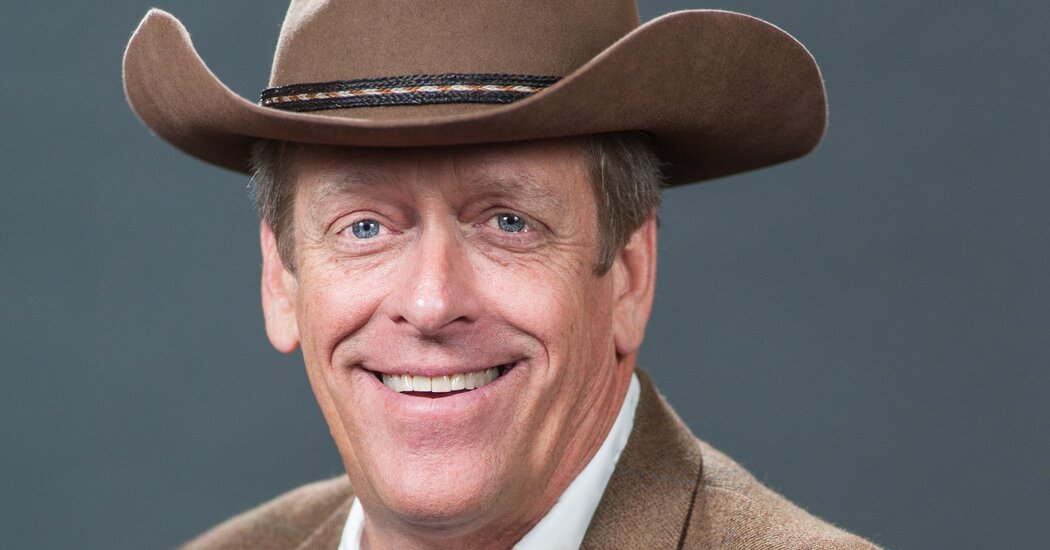
Kent Taylor, Texas Roadhouse Founder and C.E.O., Dies at 65

Mr. Taylor died by suicide after suffering from post-Covid-19 symptoms, including severe tinnitus, the company said.Kent Taylor, the founder and chief executive of the Texas Roadhouse restaurant chain, died by suicide on Thursday after suffering from post-Covid-19 symptoms, the company and his family said in a statement. He was 65.“After a battle with post-Covid-related symptoms, including severe tinnitus, Kent Taylor took his own life this week,” the statement said.Mr. Taylor fought the condition, but “the suffering that greatly intensified in recent days became unbearable,” the statement said. It added that Mr. Taylor had recently committed to funding “a clinical study to help members of the military who also suffer with tinnitus,” which causes ringing and other noises in the ear.His body was found in a field on his property near Louisville, Ky., the Kentucky State Police told The Louisville Courier Journal. The State Police and the Oldham County coroner did not immediately respond to requests for comment on Sunday.Mr. Taylor, who was also the chairman of the company’s board of directors, founded Texas Roadhouse in 1993. He sought to create an “affordable, Texas-style” restaurant but was turned down more than 80 times as he tried to find investors, according to a biography provided by the company.Eventually, he raised $300,000 from three doctors from Elizabethtown, Ky., and sketched out the design for the first Texas Roadhouse on a cocktail napkin for the investors.The first Texas Roadhouse opened in Clarksville, Ind., in 1993. Three of the chain’s first five restaurants failed, but it went on to open 611 locations in 49 states, and 28 international locations in 10 countries.Until his death, Mr. Taylor had been active in Texas Roadhouse’s day-to-day operations, the company said. He oversaw decisions about the menu, selected the murals for the restaurants and personally picked songs for the jukeboxes.Kent Taylor was born on Sept. 27, 1955. He grew up in Louisville and graduated from the University of North Carolina, where he received a track scholarship, the company said.He is survived by his parents, Powell and Marilyn Taylor; his children, Michelle, Brittney and Max; and five grandchildren. He was married twice; both marriages ended in divorce.Greg Moore, the lead director of the company’s board, said in a statement that Mr. Taylor gave up his compensation package during the coronavirus pandemic to support frontline workers in the company.Jerry Morgan, the company’s president, will succeed Mr. Taylor as chief executive. Texas Roadhouse will announce its next chairman at a later date, a spokesman for the company said.Senator Mitch McConnell, a Republican from Kentucky and the minority leader, said in a statement that Mr. Taylor “didn’t fit the mold of a big-time C.E.O.”“Kent built a billion-dollar company with creativity, grit and a lot of bold risks,” Mr. McConnell said. “As Texas Roadhouse stretched around the globe, Kent kept his heart and his headquarters in Louisville.”If you are having thoughts of suicide, call the National Suicide Prevention Lifeline at 1-800-273-8255 (TALK). You can find a list of additional resources at SpeakingOfSuicide.com/resources.

Read more →

Covid vaccines: Why some Americans are choosy about their jab

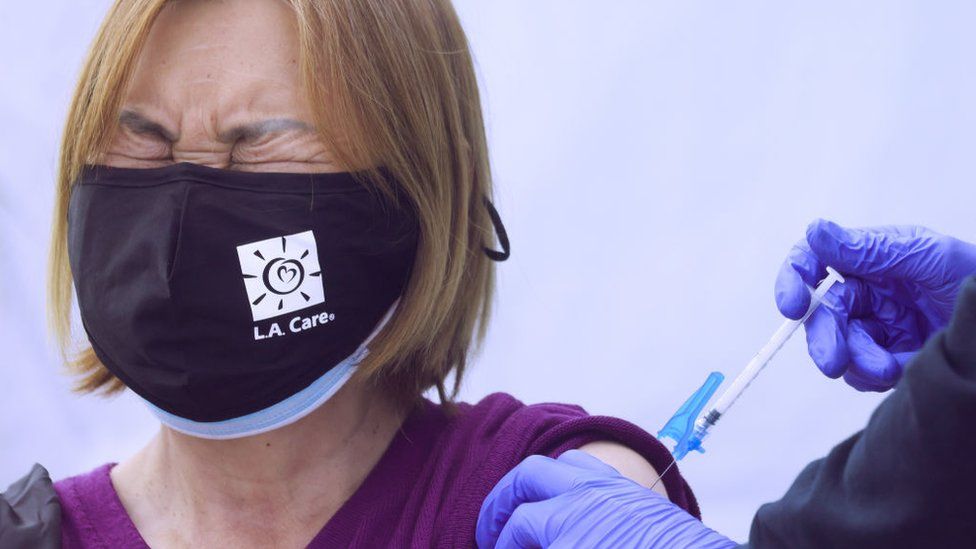
SharecloseShare pageCopy linkAbout sharingimage copyrightGetty ImagesAmerica has three vaccines approved for distribution, and now people are getting choosy about which they want.All three have been shown to be effective at preventing Covid-19 disease and, crucially, hospital admissions and death – and health officials have said the best vaccine is the one you’re offered. Still, there appears to be a preference growing for the Pfizer and Moderna jabs over the Johnson & Johnson option.In early March, Detroit mayor Mike Duggan rejected the Johnson & Johnson vaccine for city residents, suggesting that the other two jabs available in the US were superior. “I am going to do everything I can to make sure the residents of the City of Detroit get the best,” he said in a press conference. After widespread outcry from the public health community, the mayor did an about-face, saying he had “full confidence” that the jab was safe and effective. But like Mr Duggan, some Americans have also shown concerns about the Johnson & Johnson vaccine and its overall efficacy rates – even though health officials have cautioned those numbers don’t tell the whole story. Some say they’d rather delay their vaccination than take Johnson & Johnson at all, potentially throwing a wrench into the distribution plans of community health officials. “I had an appointment for a vaccine this week, and I cancelled it because I heard they were giving out Johnson & Johnson. I’m not taking [that vaccine] at all,” one Washington DC resident told the BBC. Now, health officials like Dr Michele Andrasik are trying to reassure Americans that any authorised vaccine offered to them is a good one to take. “On one hand, people are excited that there’s just one shot [for Johnson & Johnson], and on the other, there’s a lot of confusion with regard to what the efficacy results actually say and does this mean it’s not as good,” Dr Andrasik, senior staff scientist for the Vaccine and Infectious Disease Division at Fred Hutch, told the BBC. How will we know Covid vaccines are safe?How is the world’s biggest vaccine drive going?Covid vaccines: How fast is worldwide progress?In February, US regulators formally approved the single-shot Johnson & Johnson coronavirus vaccine – the latest to get the green light. Unlike Pfizer and Moderna vaccines, which use new mRNA vaccine technology and require two shots, the Johnson & Johnson vaccine uses a common cold virus that has been engineered to make it harmless.It then safely carries part of the coronavirus’s genetic code into the body. This is enough for the body to recognise the threat and then learn to fight coronavirus.President Joe Biden has shown confidence in the vaccine. This month, he announced that the US will order 100 million more doses of Johnson & Johnson, doubling the amount available to Americans.Dr Anthony Fauci, director of the National Institute of Allergy and Infectious Diseases, has said that all the vaccines available in the US were good vaccines, and stressed that the Johnson & Johnson jab is “not the weaker vaccine”.The concern comes down varying to efficacy data released from clinical trials – but those figures aren’t all they appear to be, say experts.Health officials have stressed that the most important statistic in fighting the pandemic is that all three vaccines have 100% prevention of hospital admissions and death from the virus. The Pfizer and Moderna drugs were also tested before newer, more contagious variants were widespread, making a difference in trials. “They were not compared head-to-head. They were compared under different circumstances,” Dr Fauci has said. Additionally, the CDC explains that all the vaccines are more effective than the annual flu shot. “The bottom line is that Johnson, Moderna and Pfizer are all incredibly effective at preventing severe disease progression, hospitalisation, winding up in the ICU or on ventilation, or death,” says Dr Andrasik. Another positive of the Johnson & Johnson vaccine, community health advocates say, is that it is the only single-shot vaccine available in the US. Why Hispanic and black Americans lag in US vaccinations WATCH: Johnson & Johnson: Billion Covid-19 jabs in course of a yearThe invention that made mass vaccinations possibleIt may also be more convenient when it comes to distribution – especially in harder-to-reach places like some poor or rural regions. But there is concern that sending just that vaccine to those areas might increase stigma. “Equity involves choice,” says Dr Andrasik.”So, if you only have one choice and you are a disenfranchised population, I think that fuels the idea of inequity, uncertainty and questioning of why we only have this one choice.”image copyrightLightRocket via Getty ImagesShe adds: “I think that all the vaccines should be available for everyone. I think the rationale of sending Johnson & Johnson to rural [and poorer] communities is because of access to care.”Community leaders and health professionals like Dr Andrasik are making efforts to spread awareness about the vaccine and combat misinformation.When over half a million people have died from Covid in the US, “as soon as it’s my turn, I will take whatever vaccine is available to me at that time”, she says. What are other concerns?The Johnson & Johnson vaccine was also recently in the news after the US Conference of Catholic Bishops – which represents the church in the US – and others expressed “moral concerns” with the jab. The concern is over how it is produced with abortion-derived cell lines – cells taken in the 1980s “originally isolated from fetal tissue, some of which were originally derived from an aborted fetus” – like a number of other vaccines available today. Johnson & Johnson used a similar method in developing its Ebola vaccine – and no Covid-19 vaccine contains human tissue of any kind. The conference advised that, given a choice, Catholics should take an alternate vaccine.image copyrightNurPhoto via Getty ImagesThe advice given by the US conference seemed to contradict the Vatican’s own stance, which is that such vaccines are “morally acceptable”.Other Catholic leaders have come out to reject the idea that church members should avoid this vaccine. In Connecticut, the Archbishop of Hartford and other local clergy declared in a statement that all residents “should feel free in good conscience to receive any of the vaccines currently available …for the sake of their own health and the common good”.Is the Oxford-AstraZeneca vaccine safe?While many other vaccines, such as those used for chicken pox and rubella, were developed similarly, the latest concerns from Catholic leaders for the Johnson & Johnson vaccine has added to scepticism among some Americans.Johnson & Johnson isn’t the only vaccine facing concerns. Oxford-AstraZeneca – which the US is considering authorising – has been suspended in more than a dozen European countries over concerns with blood clots. The EU’s medicine regulator has since come out saying that the vaccine is “safe and effective” and Germany, France, Italy and Spain have said they would resume using the jab.

Read more →

Coronavirus: 'I isolated with mum for her last 14 days'

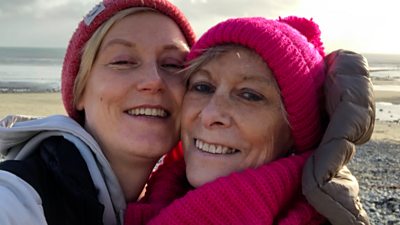
Therese Smyth lived with cancer for almost 10 years. Her condition deteriorated last year during the coronavirus lockdown and she moved into a Marie Curie Hospice. As the pandemic restrictions increased in Northern Ireland, her daughter Orla made the decision to isolate with her in a hospice in Belfast for the last two weeks of her life. “It was the biggest honour of my life to be able to do that for my mum, but it was also one of the hardest things,” Orla said.Many families across the UK have struggled with the grieving process as a result of restrictions. Marie Curie is leading a national day of reflection on 23 March to remember all of those who died during the pandemic. Video journalist: Niall McCracken

Read more →

Lighting Up Later in Life

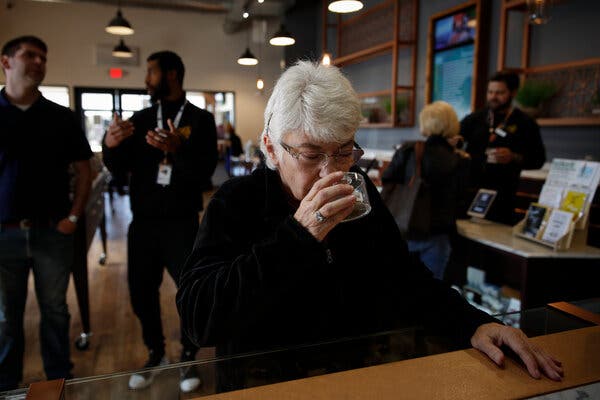
The number of older adults who use cannabis is on the rise, and some health experts are concerned.For years, Harry B. Lebowitz spent the cocktail hour at his home in Delray Beach, Fla., sitting in his backyard overlooking a lake and smoking a joint while his partner relaxed with her vodka and club soda.Mr. Lebowitz, 69, a mostly retired businessman, qualified for a state medical marijuana card because he suffered from anxiety, sleep apnea and back pain. He credits cannabis with helping to wean him off several prescription drugs.Then came Covid-19, heightening both his anxiety and his boredom. “It was like the world stopped,” Mr. Lebowitz said. “We’re all suffering from some form of PTSD, all of us.”He found himself smoking several times a day instead of once, and downing three to five shots of añejo tequila daily, too.Even before the pandemic, researchers were reporting on the growing popularity of cannabis among older adults, although the proportion using it (or at least acknowledging its use) remained small.Last spring, an analysis based on the National Survey of Drug Use and Health found that marijuana use in the prior year among people over 65 had jumped 75 percent from 2015 to 2018, from 2.4 percent of that group to 4.2 percent. By 2019, use had reached 5 percent.“I would expect it to continue to increase sharply,” said Dr. Benjamin H. Han, the lead author of the analysis. The data showed use rising particularly among women and among people with higher education and income.A team using a different national data set documented a similar trend last fall. From 2016 to 2018, the proportion of men ages 65 to 69 who reported using marijuana or hashish within the past month had climbed to 8.2 percent from 4.3 percent. Among women, it grew to 3.8 percent from 2.1 percent.“It’s rare to see that much change in a three-year period,” said William Jesdale, an epidemiologist at the University of Massachusetts. “It shocked us.”Maybe it shouldn’t be so surprising, though. During that period, “you had the backlash against opioids,” said Donna M. Fick, a researcher who directs the Center of Geriatric Nursing Excellence at Penn State. With addiction and overdoses so prevalent, “clinicians are wary of prescribing them to older adults anymore, so people are looking for a solution.”The inexorable increase in legalization plays a part, too. In November, voters in four states (Arizona, Montana, New Jersey and South Dakota) approved recreational use; the Virginia Legislature did the same last month, with the governor expected to sign the bill.That would bring the total to 16 states, plus the District of Columbia, that permit “adult use” marijuana. Mississippi and South Dakota legalized medical cannabis in November, too, joining 34 other states.“It’s easier to get and it’s also less stigmatized,” Dr. Jesdale said. With less punitive policies and just-say-no rhetoric, “people who used in their youth and may have stepped away might have come back, now that it’s not Demon Weed anymore,” he added.There are no data yet on how the pandemic, with its stress and isolation, affected use among older people. But legal cannabis sales grew by 20 percent last year, according to the National Cannabis Industry Association. Leaf411, a nonprofit, nurse-staffed information hotline, received 50 percent more calls, most from older adults.Researchers therefore expect the numbers will show greater geriatric use. Mental health surveys of older people last year showed rising anxiety and depression, conditions frequently cited as reasons to try cannabis.“I’ve definitely seen my patients who were stable returning for tuneups,” said Eloise Theisen, president of the American Cannabis Nurses Association and a geriatric nurse-practitioner in Walnut Creek, Calif. “Their anxiety was worse. Their insomnia was worse.”The effects of the pandemic varied, of course. Ileane Kent, 80, a retired fund-raiser in Lantana, Fla., has vaped nightly for years, “just to chill out,” she said.She became a legal user for the first time in June, because she no longer wanted to risk entering her supplier’s house. With a medical marijuana card, and as a longtime breast cancer survivor — “Honestly, they don’t turn anyone away,” Ms. Kent said — she now patronizes a dispensary whose Covid protocols she finds more reassuring.Barbara Blaser, 75, a nurse who worked at a dispensary in Oakland, Calif., had for years dealt with pain and anxiety after extensive surgery. She had come to rely on five milligrams of edible cannabis, in the form of one chocolate-covered blueberry, each morning and each evening. But after being laid off last year, she no longer faced a stressful commute or spent hours on her feet, so her use has diminished.Still, the $17.5 billion legal cannabis industry keeps seniors squarely in its marketing sights. Major retailers offer dispensary discounts of 10 to 20 percent on “Silver Sundays” or “Senior Appreciation Days.” Some offer older customers free delivery.Older customers at Bud and Bloom, a cannabis dispensary in Santa Ana, Calif., in 2019.Jae C. Hong/Associated PressThe pandemic suspended promotions like the free bus that ferried customers from a retirement development in Orange County, Calif., to a dispensary in nearby Santa Ana called Bud and Bloom, which offered them a catered lunch, new product information and a senior discount. But Glen Turiano, a general manager at the dispensary, hopes to revive the service this summer.Trulieve, another retailer, similarly plans to resume its monthly Silver Tour, which sent a cannabis advocate to assisted living facilities across Florida, where he told residents how to qualify for and use medical cannabis. Green Thumb has reached potential older users at a senior recreational center in Waukegan, Ill.; at a Lunch & Learn event at Century Village in Deerfield Beach, Fla.; and at senior health expos in Pennsylvania.All of which makes health care professionals who treat seniors uneasy. “Older people need to know that the data is very unclear about the safety of these medications,” Ms. Fick said. “Whether or not they actually help is also unclear.”A recent review in JAMA Network Open, for instance, looked at clinical trials of cannabinoids containing THC, the psychoactive ingredient in marijuana, and found associations with dizziness and lightheadedness, and with thinking and perception disorders in users over 50. But the authors called the associations “tentative” because the studies were limited and included few participants over 65.A major 2017 report from the National Academy of Science, Engineering and Medicine found evidence that cannabis could alleviate nausea and vomiting from chemotherapy, muscle spasms from multiple sclerosis and certain kinds of sleep disorders and chronic pain, although researchers deemed its effect “modest.” But evidence for a long list of other conditions, including neuropathic pain, remains limited or insufficient.“It’s hard to weigh the benefits and the risks,” Dr. Han said. As a geriatrician and addiction medicine specialist at the University of California, San Diego, he fears for older patients already susceptible to fall injuries, to interactions from taking multiple drugs and to cognitive impairment.“I worry about any psychoactive substance for older adults,” he said. Moreover, his study showed that cannabis use is increasing among seniors who drink alcohol, a combination that is potentially riskier than using either substance alone.Like other health care professionals whose patients try cannabis, he advocates a “start low, go slow” approach, asking them to monitor the results and report side effects. He also warns patients who haven’t used much weed since the 1960s and 70s that THC concentrations are often stronger now than in their youth.“Older adults generally need less, because their metabolism has slowed,” Ms. Theisen said. That also means that “they can have a delayed onset, so it’s easier to over-consume, especially with products that taste good,” she continued. She urges older adults to consult health care professionals knowledgeable about cannabis — who, she acknowledges, are in short supply.More research into the pros and cons of cannabis use would help answer these questions. But since marijuana remains a federally outlawed Schedule I drug, mounting studies can prove difficult. So its growing use among older people constitutes an uncontrolled experiment, with caution advised.Mr. Lebowitz said he is regaining his equilibrium. Recognizing that he was drinking too heavily, and disliking the resulting hangovers, he has backed off the booze. “It’s really not my drug of choice,” he said.But he is still smoking somewhat more marijuana — preferring strains called Dorothy, White Fire and Purple Roze — than before the world stopped.

Read more →

What happened with the AstraZeneca vaccine?

As European countries reverse their AstraZeneca suspensions, Ros Atkins looks at how a vaccine hailed as a ‘game-changer’ has seen its reputation tarnished, and its safety questioned – despite being cleared for use by the UK, Europe and the World Health Organization.

Read more →