Prioritizing who gets vaccinated for COVID-19 saves lives

Waiting for your turn can be frustrating, especially when it comes to COVID-19 vaccinations. But prioritizing who receives the limited supply of vaccines available saves lives and reduces spread of infection, according to a study published today in the journal PNAS from the University of California, Davis.
While there is mostly universal agreement that older people should be prioritized, debates are currently underway about prioritizing a variety of other groups. Still others argue against targeting at all.
“Prioritization has benefits because people differ in at least two key ways — their risk of infection and the likelihood of serious consequences from infection,” said senior author Michael Springborn, a UC Davis professor in the Department Environmental Studies and an economist focused on environmental risk, including infectious disease. “We know that front-line essential workers have less capacity to socially distance and thus an elevated risk, while seniors are more seriously impacted by infection. Accounting for this substantially increases the benefits of vaccination.”
For the study, the researchers modeled COVID-19 transmission rates and the optimal allocation of an initially limited vaccine supply in the U.S. under a variety of scenarios. They found that deaths, years of life lost and infections were between 17 to 44 percent lower when vaccinations targeted vulnerable populations — particularly seniors and essential workers — rather than an alternative approach where everyone is equally likely to be vaccinated.
“We also found that in regions where there was a faster increase in infections, and where there is less masking and social distancing occurring, targeting was even more important in avoiding those outcomes,” said lead author Jack Buckner, a Ph.D. candidate in the UC Davis Graduate Group in Ecology.
Essential Considerations
Building on the standard approach in modeling analyses to account for age groups, the study is the first to include front-line essential workers as their own category. In doing so, the researchers identified that such workers should be a vaccination priority along with or shortly after seniors. Policies that target based on both age and essential worker status substantially outperformed those that consider age only.

Read more →

Virus Variants Threaten to Draw Out the Pandemic, Scientists Say

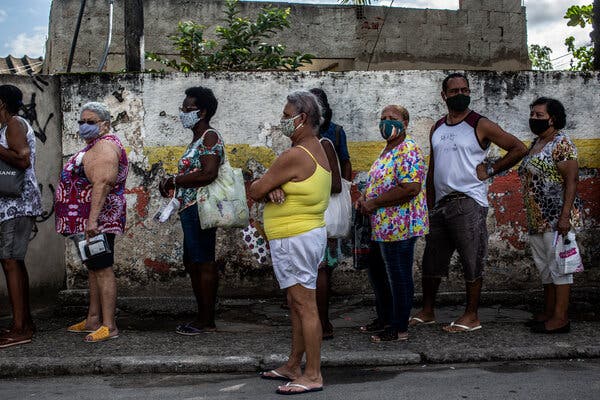
Declining infection rates over all masked a rise in more contagious forms of the coronavirus. Vaccines will stop the spread, if Americans postpone celebration just a bit longer.For weeks, the mood in much of the United States has been buoyant. Cases, hospitalizations and deaths from the coronavirus have fallen steeply from their highs, and millions of people are being newly vaccinated every day. Restaurants, shops and schools have reopened. Some states, like Texas and Florida, have abandoned precautions altogether.In measurable ways, Americans are winning the war against the coronavirus. Powerful vaccines and an accelerating rollout all but guarantee an eventual return to normalcy — to backyard barbecues, summer camps and sleepovers.But it is increasingly clear that the next few months will be painful. So-called variants are spreading, carrying mutations that make the coronavirus both more contagious and in some cases more deadly.Even as vaccines were authorized late last year, illuminating a path to the pandemic’s end, variants were trouncing Britain, South Africa and Brazil. New variants have continued to pop up — in California one week, in New York and Oregon the next. As they take root, these new versions of the coronavirus threaten to postpone an end to the pandemic. At the moment, most vaccines appear to be effective against the variants. But public health officials are deeply worried that future iterations of the virus may be more resistant to the immune response, requiring Americans to queue up for regular rounds of booster shots or even new vaccines.“We don’t have evolution on our side,” said Devi Sridhar, a professor of public health at the University of Edinburgh in Scotland. “This pathogen seems to always be changing in a way that makes it harder for us to suppress.”Seniors wait in line to receive vaccinations in Belford Roxo, Brazil. A variant first found in the country has appeared in North America.Dado Galdieri for The New York TimesHealth officials acknowledge an urgent need to track these new viruses as they crawl across the United States. Already, B.1.1.7, the highly contagious variant that walloped Britain and is wreaking havoc in continental Europe, is rising exponentially in the United States.Limited genetic testing has turned up more than 12,500 cases, many in Florida and Michigan. As of March 13, the variant accounted for about 27 percent of new cases nationwide, up from just 1 percent in early February.The Biden administration has pledged a “down payment” of $200 million to ramp up surveillance, an infusion intended to make it possible to analyze 25,000 patient samples each week for virus variants. It’s an ambitious goal: The country was sequencing just a few hundred samples each week in December, then scaling up to about 9,000 per week as of March 27.Until recently, B.1.1.7’s rise was camouflaged by falling rates of infection over all, lulling Americans into a false sense of security and leading to prematurely relaxed restrictions, researchers say.“The best way to think about B.1.1.7 and other variants is to treat them as separate epidemics,” said Sebastian Funk, a professor of infectious disease dynamics at the London School of Hygiene and Tropical Medicine. “We’re really kind of obscuring the view by adding them all up to give an overall number of cases.”Other variants identified in South Africa and Brazil, as well as some virus versions first seen in the United States, have been slower to spread. But they, too, are worrisome, because they contain a mutation that diminishes the vaccines’ effectiveness. Just this week, an outbreak of P.1, the variant that crushed Brazil, forced a shutdown of the Whistler Blackcomb ski resort in British Columbia.A patient brought into the Royal London Hospital in Britain in January. A surge of infections mostly caused by a more contagious variant was difficult to bring under control. Andy Rain/EPA, via ShutterstockThe world is caught in a sprint between vaccines and variants, and the shots eventually will win, scientists say. But because each infection gives the coronavirus a chance to evolve still further, vaccinations in the United States and elsewhere must proceed as fast as possible.Infections are rising again, driven to an uncertain degree by B.1.1.7 and other variants. Earlier this week, Dr. Rochelle Walensky, director of the Centers for Disease Control and Prevention, pleaded with Americans to continue to practice masking and social distancing, saying she felt a sense of “impending doom.”“We have so much to look forward to — so much promise and potential of where we are and so much reason for hope,” she said. “But right now I’m scared.”‘More infectious for more days’The coronavirus was supposed to be slow to change shape. Like all viruses, it would pick up mutations and evolve into thousands of variants, scientists said at the beginning of the pandemic. But it would not change significantly for years — a stupid virus, some called it.The pathogen defied those predictions. “We expected the virus to change,” said Dr. Michael Diamond, a viral immunologist at Washington University in St. Louis. “We didn’t quite anticipate how quickly it was going to occur.”A variant is of concern only if it is more contagious, causes more severe disease, or blunts the immune response. The variants identified in Britain, South Africa, Brazil and California all fit the criteria.B.1.1.7, the first to come to widespread attention, is about 60 percent more contagious and 67 percent more deadly than the original form of the virus, according to the most recent estimates.The variant is no different from the original in how it spreads, but infected people seem to carry more of the virus and for longer, said Katrina Lythgoe, an evolutionary biologist at the University of Oxford. “You’re more infectious for more days,” she said.So contagious is B.1.1.7 that Britain succeeded in driving down infections only after nearly three months of strict stay-at-home orders, plus an aggressive vaccination program. Even so, cases fell much more slowly than they did during a similar lockdown in March and April.In continental Europe, a wave of B.1.1.7 cases was building for months, mostly unnoticed beneath a steady churn of infections. The variant wave is now cresting.A shopping area in Berlin. Germany’s daily case rate has doubled, triggering a ban on nighttime gatherings in Berlin.Lena Mucha for The New York TimesA doctor vaccinated a staff worker at a hospital in Munich. Much of Europe has been overwhelmed by a more contagious version of the coronavirus called B.1.1.7.Laetitia Vancon for The New York TimesPoland’s rate of daily new cases has quintupled since mid-February, forcing the closure of most public venues. Germany’s has doubled, triggering a ban on nighttime gatherings in Berlin.In France, where B.1.1.7 is causing three-quarters of new infections, some hospitals have had to move coronavirus patients to Belgium to free up beds. Roughly as many people are dying each day from Covid-19 in Europe as were this time a year ago.For too long, government officials disregarded the threat. “Case plateaus can hide the emergence of new variants,” said Carl Pearson, a research fellow at the London School of Hygiene and Tropical Medicine. “And the higher those plateaus are, the worse the problem is.”In the United States, coronavirus infections began a rapid decline in January, soon prompting many state leaders to reopen businesses and ease restrictions. But scientists repeatedly warned that the drop would not last. After the rate bottomed out at about 55,000 cases and 1,500 deaths per day in mid-March, some states — notably Michigan — began seeing an uptick.Since then, the national numbers have steadily risen. As of Saturday, the daily count was up to nearly 69,000, and the weekly average was 19 percent higher than the figure two weeks earlier.Even when cases were falling, researchers questioned the notion that vaccinations were the reason. Millions of Americans are immunized every day, but even now only 31 percent have received a single dose of a vaccine, and just 17 percent of the population have full protection, leaving a vast majority susceptible.“The fact is that we’re still in a position now where we don’t have enough vaccinated people,” said Kristian Andersen, a virologist at the Scripps Research in San Diego. “And if we, like Texas, say we’re done with Covid-19, B.1.1.7 will come in and remind us that we are not right. I have no doubt about it.”A nurse swabbed a patient for coronavirus infection at the Desmond Tutu HIV Foundation Youth Center in Masiphumelele, near Cape Town, South Africa.Joao Silva/The New York TimesVolunteers fumigated a senior citizen center in Soweto, South Africa, in February.Joao Silva/The New York TimesThe variant is particularly pervasive in Florida, where the state lifted restrictions and initially did not see a surge. Officials in other states cited this as a rationale for reopening. But now Florida’s infection rate is curving upward.The variant may only have been obscured by what scientists like to call seasonality. Respiratory infections are usually rare in Florida in the spring, noted Sarah Cobey, an evolutionary biologist at the University of Chicago. Coronavirus infections peaked in Florida last year in the summer, as heat drove people indoors, and may do so again.“I still don’t think we’re out of the woods,” Dr. Cobey said, referring to the country at large. “If we don’t have another wave this spring, then I’m going to be really, really worried about the fall.”While most vaccines are effective against B.1.1.7, researchers are increasingly concerned about other variants that contain a mutation called E484K. (Scientists often refer to it, appropriately, as “Eek.”)This mutation has evolved independently in many variants worldwide, suggesting that it offers the virus a powerful survival advantage.In laboratory studies, the Pfizer-BioNTech and Moderna vaccines seem to be slightly less effective against B.1.351, the variant identified in South Africa. That variant contains the Eek mutation, which seems to enable the virus to partly sidestep the body’s immune response. The vaccines made by Johnson & Johnson, AstraZeneca and Novavax were even less potent against B.1.351.“I think for the next year or two, E484K will be the most concerning” mutation, said Jesse Bloom, an evolutionary biologist at the Fred Hutchinson Cancer Research Center in Seattle.The mutation slightly alters the so-called spike protein sitting on the surface of the coronavirus, making it just a bit harder for antibodies to latch on and destroy the invader.The good news is that the virus seems to have just a few survival tricks in its bag, and that makes it easier for scientists to find and block those defenses. “I’m feeling pretty good about the fact that there aren’t that many choices,” said Michel Nussenzweig, an immunologist at Rockefeller University in New York.The Eek mutation seems to be the virus’s primary defense against the immune system. Researchers in South Africa recently reported that a new vaccine directed against B.1.351 ought to fend off all other variants, as well.Pfizer, BioNTech and Moderna already are testing newly designed booster shots against B.1.351 that should work against any variants known to blunt the immune response.Instead of a new vaccine against variants, however, it may be just as effective for Americans to receive a third dose of the Pfizer-BioNtech or Moderna vaccines in six months to a year, said Dr. Anthony S. Fauci, head of the National Institute of Allergy and Infectious Diseases.That would keep antibody levels high in each recipient, overwhelming any variant — a more practical strategy than making a specialized vaccine for each new variant that emerges, he said.“My only concern about chasing all the variants is that you’d almost be playing Whac-A-Mole, you know, because they’ll keep coming up and keep coming up,” Dr. Fauci said. In one form or another, the new coronavirus is here to stay, many scientists believe. Multiple variants may be circulating in the country at the same time, as is the case for common cold coronaviruses and influenza. Keeping them at bay may require an annual shot, like the flu vaccine.The best way to deter the emergence of dangerous variants is to keep cases down now and to immunize the vast majority of the world — not just the United States — as quickly as possible. If significant pockets of the globe remain unprotected, the virus will continue to evolve in dangerous new ways.“This might be something that we have to deal with for a long time,” said Rosalind Eggo, an epidemiologist at London School of Hygiene and Tropical Medicine.Still, she added, “Even if it changes again, which it is very likely to do, we are in a better, much stronger position than a year ago to deal with it.”

Read more →

The Latest Issue in Divorces: Who Gets the Embryos?

When Peter Goldin, a 44-year-old communications director, and his husband decided to start a family through in vitro fertilization, they faced mounds of paperwork at the fertility clinic.What should happen to any remaining embryos if one partner dies or becomes mentally incapacitated? Who would decide whether remaining embryos should be donated or destroyed? Who would determine the disposition of remaining embryos in the case of divorce or separation?The couple, who used one embryo to have a daughter, decided that if they broke up, Mr. Goldin would be the one who decided what to do with their one remaining embryo, since it was created with his sperm and a donor egg.But Mr. Goldin said that when he and his husband separated last year, his husband no longer wanted him to have sole authority to determine what would happen to the embryo.“He had forgotten what he had signed at the clinic,” said Mr. Goldin, who, with the help of a lawyer, ultimately gained custody after a month of back and forth.Mr. Goldin, who lives in Richmond, Va., said he would advise couples trying to have a family through I.V.F. to draw up a legal contract detailing each partner’s rights rather than to rely solely on the fertility clinic forms.“Nobody gets married with the intention of getting divorced,” he said. “But it happens, and it happens all the time.”Anyone who has been divorced knows the painful process well: disentangling finances, dividing possessions and mapping out custody arrangements for any children. And in recent years, with the use of artificial reproductive technologies on the rise, more couples have been confronting the even stickier question of what to do with frozen embryos.The issue played out publicly last month when a Los Angeles Superior Court judge ruled against Nick Loeb, the ex-fiancé of the “Modern Family” actress Sofía Vergara, after he sued her for custody of embryos they created while they were together.“It’s so common that now it’s a routine question that I have to ask: Is there any genetic material that we need to talk about?” said Monica Mazzei, a family lawyer at Sideman & Bancroft who represents high net worth clients in Silicon Valley.In the event of divorce, she said, “you’re not together anymore, you probably don’t like each other and if one person is going to use the embryo and have the child, that leaves the other person in an awkward spot.”Several major clinics said that the use of I.V.F. and other fertility treatments had risen during the coronavirus pandemic, with more people reassessing what matters to them.The New York University Langone Fertility Center, one of the busiest in the United States, saw a 30 percent increase in the number of new patients from June to December last year, compared with the same period in 2019. Another clinic, Seattle Reproductive Medicine, saw a 15 percent increase in the number of new patients last year compared with 2019. The National Embryo Donation Center in Knoxville, Tenn., the largest embryo donation clinic in the country, estimates that there are 1 million to 1.3 million frozen embryos in storage, up from about 500,000 to 600,000 a decade ago.“For New Yorkers, they’re actually sitting still,” said Dr. Brooke Hodes-Wertz, a specialist at N.Y.U. Langone Fertility Center.I.V.F. requires self-administering daily injections of fertility drugs, called gonadotropins, for eight to 12 days in order to stimulate the ovaries so that they mature numerous eggs. Next, a doctor guides a needle through the vagina to retrieve the eggs while the patient is under anesthesia. The eggs are then fertilized with sperm in the clinic’s laboratory, and one or more embryos are placed back into the womb, or they can be tested for genetic abnormalities and frozen for a future embryo transfer.I.V.F. can take a physical and emotional toll on patients, but working from home makes it easier. And at the moment, patients can undergo treatment without having to tell colleagues about appointments for blood tests or having to commute to an office, Dr. Hodes-Wertz said.A woman who is not ready for children may decide to freeze just her eggs. But a woman may also decide to fertilize her eggs with a partner’s sperm or a donor’s sperm, since embryos have better survival rates than eggs and will provide more information, such as whether they are healthy enough to be fertilized and begin development, Dr. Hodes-Wertz said. But if you create an embryo together, your genetic material is stuck together.“I see a fair amount of patients that make embryos with their current partners because it’s a benefit from their office,” Dr. Hodes-Wertz said, referring to the increasing number of companies that include fertility treatments in their health insurance plans. “Sometimes if I get a sense that they’re not certain about their relationship, I’ll try to gear them toward eggs, but ultimately, obviously, it’s their decision.” One of her patients froze both embryos with her partner in addition to unfertilized eggs, just in case.For those who fail to plan for the worst, the results can be devastating.Dr. Mimi Lee, a physician-scientist and pianist, said she and her husband froze their embryos before she underwent cancer treatment.Dr. Mimi Lee said that it did not register for her that the form she signed at a fertility clinic was binding.Béatrice de Géa for The New York TimesThey produced five healthy embryos and froze them for when they would be ready to have children. Three years later, when they divorced, Dr. Lee wanted to use the embryos, but her husband sued to prevent her from doing so. The judge upheld the agreement that they had signed at the fertility clinic, saying that the embryos could be brought to term only with the consent of both partners.Dr. Lee, 52, said she did not even remember signing the form at the clinic. “My state of mind at the time was complicated by cancer, being a newlywed and just this hope and opportunity to have children,” she said. “It was unfathomable that that’s what would eventually determine that my last chance of having biological children would be taken away from me.”Richard Vaughn, a partner at the International Fertility Law Group in Los Angeles, said he had seen an increase in the number of people coming into his office for legal advice on frozen embryos. Giving a partner the sole rights to embryos could have emotional and financial consequences, should that partner or ex-partner bring the embryos to full term.He said one recent client called him in a panic after signing documents at a fertility clinic that gave his girlfriend full control of the embryos. “We’ve got this issue of lots and lots of frozen material out there,” Mr. Vaughn said. “People have to figure what to do with them.”Laws governing the disposition of frozen embryos vary from state to state. Judges have generally ruled in favor of the person who does not want to develop the embryo, but in Arizona, for example, the custody of disputed embryos goes to the party who wants to bring them to term.Kathleen Pratt, 36, said that the process of poring over sheafs of legal documents to finalize the use of a surrogate led to several discussions with her husband, William, about what they would do with any remaining embryos if they divorced.Ms. Pratt said her husband initially told her it made more sense to give her custody of remaining embryos — made with a donor egg and her husband’s sperm — because she was unable to have biological children. Then, Ms. Pratt said, she felt he should get to keep the embryos because they contained his genetic material, not hers.Eventually they came to a decision: Neither should keep the embryos. Ms. Pratt, who lives in Charleston, S.C., remembers she and her husband saying to each other, “Why would we raise these babies outside of our family? If things go sour, let’s just call it a day.”They ended up using both embryos to have a daughter in 2019 and a son last year. “I wouldn’t recommend anyone go through this with someone unless your relationship is solid,” she said.

Read more →

Covid-19 and care homes: 'The light's back on in my mum's eyes'

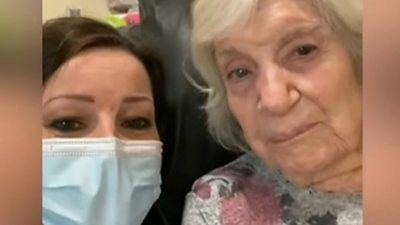
Actor Ruthie Henshall has spoken about her happiness at being able to see her mother, Gloria, again in her care home after restrictions were eased two weeks ago. She can now go into the care home and feed her mother lunch, read to her, or sing her favourite songs. Speaking to BBC Breakfast, she said the improvement in her mum’s condition had been “incredible”.

Read more →

Fully Vaccinated Americans Can Travel With Low Risk, C.D.C. Says

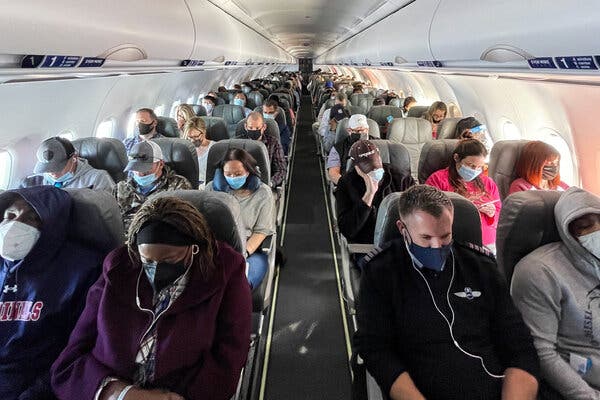
They should still wear masks but no quarantines are necessary, the agency said in new guidance that cited growing data about the effectiveness of the shots.Americans who are fully vaccinated against Covid-19 can safely travel at home and abroad, as long as they take basic precautions like wearing masks, federal health officials announced on Friday, a long-awaited change from the dire government warnings that have kept many millions home for the past year.In announcing the change at a White House news conference, officials from the Centers for Disease Control and Prevention stressed that they preferred that people avoid travel. But they said growing evidence of the real-world effectiveness of the vaccines — which have been given to more than 100 million Americans — suggested that inoculated people could do so “at low risk to themselves.”The shift in the C.D.C.’s official stance comes at a moment of both hope and peril in the pandemic. The pace of vaccinations has been rapidly accelerating across the country, and the number of deaths has been declining.Yet cases are increasing significantly in many states as new variants of the coronavirus spread through the country. Just last Monday, Dr. Rochelle P. Walensky, the C.D.C. director, warned of a potential fourth wave if states and cities continued to loosen public health restrictions, telling reporters that she had feelings of “impending doom.”Some public health experts were surprised by Friday’s announcement and expressed concern that government was sending confusing signals to the public.“It’s a mix of ‘please don’t travel,’ at the same time this is easing travel for a subset of people,” said Dr. Wafaa El-Sadr, professor of epidemiology and medicine at Columbia Mailman School of Public Health. “I think it’s very confusing and goes counter to the message we heard earlier this week, to ‘stay put,’ ‘hold on,’ ‘be patient.’ And that worries me. Public health messaging has to be very clear, very consistent, and it has to be very simple.”Dr. Walensky herself seemed to acknowledge the apparent mixed messaging during Friday’s news conference. “The science shows us that getting fully vaccinated allows you to do more things safely, and it’s important for us to provide that guidance even in the context of rising cases,” she said.The travel industry welcomed the new guidance, hoping it might be the beginning of a turn of fortune for airlines, hotels and tourist destinations, which have suffered mounting losses for more than a year.“As travel comes back, U.S. jobs come back,” said Roger Dow, the chief executive of the U.S. Travel Association, an industry group, said in a statement.The Centers for Disease Control and Prevention delivered a long-awaited change from the dire government warnings that have kept many millions home for the past year.Erin Schaff/The New York TimesFederal officials remained adamant that people who have not been fully vaccinated should not travel at all, a position widely supported by public health experts.“If you are fully vaccinated, you can return to travel, but if you are not, there is still a lot of virus circulating and it is still a risky undertaking and you should defer until you get vaccinated or the situation improves,” said Caitlin Rivers, an epidemiologist and assistant professor at the Johns Hopkins Bloomberg School of Public Health.If unvaccinated people must travel, the C.D.C. recommends they be tested for coronavirus infection one to three days before their trip and again three to five days after it’s over. They should self-quarantine for seven days after a trip if they get tested and for 10 days if they do not get tested, the agency said.People are considered fully vaccinated two weeks after receiving the single dose of the Johnson & Johnson vaccine, or two weeks after receiving the second dose of either the Pfizer-BioNTech or Moderna shot. Some 58 million people in the U.S., 22 percent of the adult population, have been fully vaccinated, according to the latest numbers from the C.D.C.Scientists are still not certain whether vaccinated people may become infected, even briefly, and transmit the virus to others. A recent C.D.C. study suggested such cases might be rare, but until that question is resolved, many public health officials feel it is unwise to tell vaccinated Americans simply to do as they please. They say it is important for all vaccinated people to continue to wear masks, practice social distancing and take other precautions.Under the new C.D.C. guidance, fully vaccinated Americans who are traveling domestically do not need to be tested for the coronavirus or follow quarantine procedures at the destination or after returning home. When they travel abroad, they only need to get a coronavirus test or quarantine if the country they are going to requires it.However, the guidance says they must have a negative coronavirus test before boarding a flight back to the United States, and they should get tested again three to five days after their return.The recommendation is predicated on the idea that vaccinated people may still become infected with the virus. The C.D.C. also cited a lack of vaccine coverage in other countries, and concern about the potential introduction and spread of new variants of the virus that are more prevalent overseas.Most states have accelerated their timelines for opening vaccinations to all adults, as the pace of vaccinations across the country has been increasing. As of Friday, an average of nearly three million shots a day were being administered, according to data reported by the C.D.C.The new advice adds to C.D.C. recommendations issued in early March saying that fully vaccinated people may gather in small groups in private settings without masks or social distancing, and may visit with unvaccinated individuals from a single household as long as they are at low risk for developing severe disease if infected with the virus.Travel has already been increasing nationwide, as the weather warms and Americans grow fatigued with pandemic restrictions. Last Sunday was the busiest day at domestic airports since the pandemic began. According to the Transportation Security Administration, nearly 1.6 million people passed through the security checkpoints at American airports.But the industry’s concerns are far from over. The pandemic has also shown businesses large and small that their employees can often be just as productive working remotely as in face-to-face meetings. As a result, the airline and hotel industries expect it will be years before lucrative corporate travel recovers to prepandemic levels, leaving a gaping hole in revenues.And while leisure travel within the United States may be recovering steadily, airlines expect it will still take until 2023 or 2024 for passenger volumes to reach 2019 levels, according to Airlines for America, an industry group. The industry lost more than $35 billion last year and continues to lose tens of millions of dollars each day, the group said.Many countries, including those in the European Union, still block most Americans from coming. Some are starting to make exceptions for those who are vaccinated. As of March 26, fully vaccinated Americans who can present proof of vaccination can visit Iceland, for example, and avoid such restrictions as testing and quarantine, the country’s government saidThe C.D.C. on Thursday also issued more detailed technical instructions for cruise lines, requiring them to take steps to develop vaccination strategies and make plans for routine testing of crew members and daily reporting of Covid-19 cases before they can run simulated trial runs of voyages with volunteers, before taking on real passengers. The C.D.C.’s directives acknowledge that taking cruises “will always pose some risk of Covid-19 transmission.”Some destinations and cruise lines have already started requiring that travelers be fully vaccinated. The cruise line Royal Caribbean is requiring passengers and crew members 18 or older to be vaccinated in order to board its ships, as are Virgin Voyages, Crystal Cruises and others.For the moment, airlines are not requiring vaccinations for travel. But the idea has been much talked about in the industry.Niraj Chokshi contributed reporting.

Read more →

Bespoke neuroblastoma therapy weaponizes cell metabolism

Preclinical research from VCU Massey Cancer Center published recently in the Proceedings of the National Academy of Sciences shows that the combination of two existing drugs can exploit the metabolic “hunger” of a particularly aggressive type of neuroblastoma to kill cancer cells without inflicting too much collateral damage to healthy tissue.
Neuroblastoma — a type of cancer that strikes the nervous system of very young children — is one of the deadliest pediatric cancers. And children whose neuroblastoma overexpresses the gene MYCN tend to have the worst prognosis.
While medical advancements have led to high cure rates among pediatric blood cancers, neuroblastoma has proven much more challenging to treat, largely because the gene that makes this cancer so deadly is a tough one to target.
“MYCN is a transcription factor, and it’s very difficult to drug transcription factors,” said study senior author Anthony Faber, Ph.D., co-leader of the Developmental Therapeutics research program and Natalie N. and John R. Congdon, Sr. Endowed Chair of Cancer Research at VCU Massey Cancer Center and associate professor in the Philips Institute for Oral Health Research at the VCU School of Dentistry. “So, the next best thing is to target what MYCN does in the cell. One thing it does is to crank up metabolic activity — what it’s doing to keep the cell alive — and we can work that against itself.”
These neuroblastoma cells exist on the brink of metabolic overdrive, gobbling up energy stores as quickly as the cell can replenish them, so Faber’s team sought ways to push these cells over the edge, without harming normal cells in the process.
The researchers screened 20 metabolic drug combinations in cancer cells originating from nearly 1,000 different patients and found that neuroblastoma with high MYCN expression was particularly sensitive to a cocktail containing two drugs: phenformin and AZD3965.
Phenformin, which blocks complex I on the surface of mitochondria — the sub-cellular compartment where energy production occurs — was developed in 1957 to treat diabetes. Although the Food and Drug Administration took phenformin off the market in the 1970s following a string of deaths, it’s still in use elsewhere in the world and is starting to make a comeback in the U.S. as a cancer drug. Right now, phenformin is being tested in a phase I clinical trial for melanoma.
AZD3965, a much newer type of drug that blocks MCT1 rectors on the surface of cells, is also under phase I clinical investigation, in this case as a treatment for many different types of cancer. MCT1 receptors ferry lactate — another source of energy — out of the cell. But when MCT1 is blocked and lactate accumulates, the cell stops using it to make energy.
Since the receptors targeted by phenformin and AZD3965 participate in energy production through two distinct pathways, blocking them both at once should dramatically disrupt the cellular power supply, leading to stress and ultimately cell death.
Faber’s team tested this idea by using mice seeded with MYCN-amplified neuroblastoma patient cells and found that animals treated with both drugs saw greater tumor shrinkage than animals given either drug alone, and the cocktail was well tolerated.
“The data we got with AZD3965 in combination with phenformin might get people to reconsider phenformin,” said study lead author Krista Dalton, M.Eng., a Ph.D. student in the VCU Philips Institute for Oral Health Research. “In combination, where we can use lower doses, phenformin might have better tolerability than it previously did on its own.”
Story Source:
Materials provided by Virginia Commonwealth University. Original written by Erin Hare. Note: Content may be edited for style and length.

Read more →

COVID-19 patients can be categorized into three groups

In a new study, researchers identify three clinical COVID-19 phenotypes, reflecting patient populations with different comorbidities, complications and clinical outcomes. The three phenotypes are described in a paper published this week in the open-access journal PLOS ONE by first authors Elizabeth Lusczek and Nicholas Ingraham of University of Minnesota Medical School, US, and colleagues.
COVID-19 has infected more than 18 million people and led to more than 700,000 deaths around the world. Emergency department presentation varies widely, suggesting that distinct clinical phenotypes exist and, importantly, that these distinct phenotypic presentations may respond differently to treatment.
In the new study, researchers analyzed electronic health records (EHRs) from 14 hospitals in the midwestern United States and from 60 primary care clinics in the state of Minnesota. Data were available for 7,538 patients with PCR-confirmed COVID-19 between March 7 and August 25, 2020; 1,022 of these patients required hospital admission and were included in the study. Data on each patient included comorbidities, medications, lab values, clinic visits, hospital admission information, and patient demographics.
Most patients included in the study (613 patients, or 60 percent) presented with what the researchers dubbed “phenotype II.” 236 patients (23.1 percent) presented with “phenotype I,” or the “Adverse phenotype,” which was associated with the worst clinical outcomes; these patients had the highest level of hematologic, renal and cardiac comorbidities (all p

Read more →

Study identifies possible COVID-19 drugs — including several that are FDA-approved

A team led by scientists in the Perelman School of Medicine at the University of Pennsylvania has identified nine potential new COVID-19 treatments, including three that are already approved by the Food and Drug Administration (FDA) for treating other diseases.
The team, whose findings were published in Cell Reports, screened thousands of existing drugs and drug-like molecules for their ability to inhibit the replication of the COVID-19-causing coronavirus, SARS-CoV-2. In contrast to many prior studies, the screens tested the molecules for anti-coronaviral activity in a variety of cell types, including human airway-lining cells that are similar to the ones principally affected in COVID-19.
Of the nine drugs found to reduce SARS-CoV-2 replication in respiratory cells, three already have FDA approval: the transplant-rejection drug cyclosporine, the cancer drug dacomitinib, and the antibiotic salinomycin. These could be rapidly tested in human volunteers and COVID-19 patients.
The experiments also shed light on key processes the coronavirus uses to infect different cells and found that the antiviral drug remdesivir, which has an FDA Emergency Use Authorization for treating COVID-19, does appear to work against the virus in cell-culture tests on respiratory cells, whereas hydroxychloroquine does not.
“Our discoveries here suggest new avenues for therapeutic interventions against COVID-19, and also underscore the importance of testing candidate drugs in respiratory cells,” said co-senior author Sara Cherry, PhD, a professor of Pathology and Laboratory Medicine and scientific director of the High-Throughput Screening (HTS) Core at Penn Medicine.
Study collaborators included co-senior authors David Schultz, PhD, technical director of the HTS Core, and Holly Ramage, PhD, assistant professor of microbiology & immunology at Thomas Jefferson University.

Read more →

COVID-19 mask study finds layering, material choice matter

Wearing a face mask can protect yourself and others from Covid-19, but the type of material and how many fabric layers used can significantly affect exposure risk, finds a study from the Georgia Institute of Technology.
The study measured the filtration efficiency of submicron particles passing through a variety of different materials. For comparison, a human hair is about 50 microns in diameter while 1 millimeter is 1,000 microns in size.
“A submicron particle can stay in the air for hours and days, depending on the ventilation, so if you have a room that is not ventilated or poorly ventilated then these small particles can stay there for a very long period of time,” said Nga Lee (Sally) Ng, associate professor and Tanner Faculty Fellow in the School of Chemical and Biomolecular Engineering and the School of Earth and Atmospheric Sciences.
The study was conducted during spring 2020, when the pandemic triggered a global shutdown of most institutions. Communities faced massive shortages of personal protective equipment, prompting many people to make their own homemade masks. Georgia Tech quickly set up the study since it already had “a great system for testing filtration efficiency using existing instruments in the lab,” Ng recalled.
The study’s findings were used to shape homemade face mask recommendations here (https://sites.gatech.edu/rapid-response/face-masks/) last April, with the comprehensive study findings published on March 22 in the journal Aerosol Science and Technology.
In all, the researchers tested 33 different commercially accessible materials not limited to cloth fabrics, including single-layer woven fabrics such as cotton and woven polyester, blended fabrics, nonwoven materials, cellulose-based materials, materials commonly found and used in hospitals, and various filter materials.

Read more →

How to Nudge People Into Getting Tested for the Coronavirus

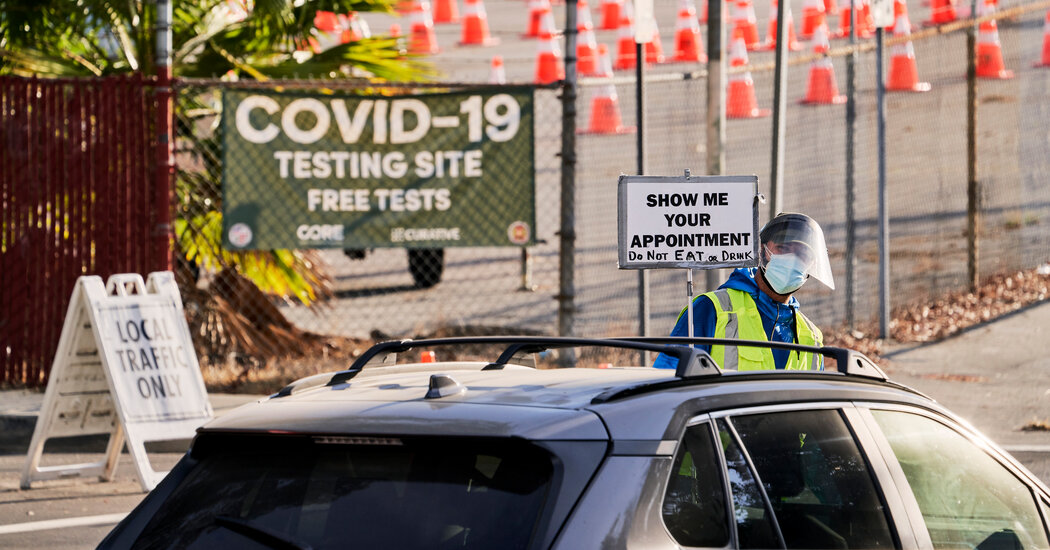
Insights from behavioral economics and other fields suggest strategies that could increase participation in mass screening programs.In October, Dr. Folasade May, an internist and public health researcher at the University of California, Los Angeles, began a new workplace routine. Once a week, she would make the three-minute walk from her office to a campus coronavirus testing site. After having her temperature checked and scanning a bar code on her phone, she would carefully swab the inside of her nose. Within a day or two, an email would arrive with her results.Week after week, her results came back negative. She continued to participate in the testing program even after being vaccinated, and she continued to test negative. And then, two weeks ago, an email landed in her inbox that stunned her: Her sample was positive for the coronavirus.The result — which turned out to be a false positive — briefly threw her life into chaos.“Our whole family was turned upside-down for an afternoon trying to figure out how to separate ourselves in our small house, trying to figure out who’s going to take care of the kids and who else did we expose,” Dr. May said.It is a situation that other families may soon find themselves in as mass coronavirus screening programs ramp up in schools and workplaces. Some of these programs will make testing mandatory, but many others will rely on voluntary participation — or on people regularly self-administering tests in their own homes.The more people who participate, the more effective these programs will be at slowing the spread of the virus, and keeping tabs on it. But there are also clear disincentives to participating, ranging from inconvenience to anxiety over the consequences of a positive result, which can mean missing work, keeping a child home from school or days of quarantine.“There are huge implications of a positive Covid test that a lot of people are very wary of, especially if they’re feeling well,” said Dr. May, who studies health disparities and the barriers to accessing health care. “I don’t know that people are going to come out in droves to get it done.”Although coronavirus screening is new, researchers in several fields — including behavioral economics, implementation science and health psychology — have spent years studying how to encourage people to engage in other kinds of health-related behaviors, including cancer screening, H.I.V. testing and vaccination. Some of these same strategies, they say, could help health officials design coronavirus screening programs, or even vaccination programs, with better participation rates.“The reality is that people are going to have to wake up and decide whether this is something they intend to do on any given day or any given week,” said Harsha Thirumurthy, associate director of the Center for Health Incentives and Behavioral Economics at the University of Pennsylvania. “And we know — from lots of examples of people’s decisions to seek testing for other health conditions, or even people’s decisions to engage in other health-related behaviors — that people are constantly weighing the costs and benefits of engaging in these services.”Here are five ways that health officials say can help shift the calculus.Make it easyHumans have a bias toward the status quo, a tendency to want to keep things as they are rather than shake them up. Many studies have shown that people are more likely to engage in various behaviors, from becoming an organ donor to enrolling in a 401(k) plan, when those behaviors are presented as the default choice.In a randomized clinical trial of nearly 5,000 emergency room patients, researchers found that the share of patients who were willing to take a rapid H.I.V. test climbed to 66 percent from 38 percent when the test was presented as a medical service they had to deliberately decline, rather than one they had to proactively ask for.Similarly, coronavirus screening programs are more likely to see wider participation if they are opt-out rather than opt-in. “The more you ask people to put in their own cognitive efforts and behavioral efforts into this, the less likely they’re going to do it,” said Derek Reed, who directs the applied behavioral economics laboratory at the University of Kansas.And, of course, the actual testing process should be quick and convenient, experts say, with strategically located testing sites and streamlined procedures that allow people to easily incorporate testing into their routines.Ask people to planExperts also suggested asking people to think through the logistics of when and how they plan to get tested. Studies show that people who clearly formulate a plan for how they intend to accomplish something — whether it’s voting in an upcoming election or getting a flu vaccine — are more likely to follow-through.One possibility, Dr. Reed said, would be to text people reminders of their testing appointments, and ask them to reply with, say, a 1 if they plan to walk to the appointment, a 2 if they plan to drive or a 3 if they plan to take the bus. “And then depending on the response, you just automatically ping back Google map directions or a link to campus or community bus system maps or timetables,” he said.These kinds of nudges are likely to be most effective for people who are already motivated to get tested but may have trouble following through. “Often you need to nudge them a little bit by just removing frictions to get rid of these small costs,” said Sebastian Linnemayr, a behavioral economist at the RAND Corporation, a think tank in California.Provide (the right) incentivesHealth officials could also reward people who participate in testing programs. “There probably needs to be some sort of incentive at the patient level,” Dr. May said. “We’ve seen the same thing in cancer screening. We’ve seen health insurers provide incentives to patients to participate in healthy lifestyles, to participate in screening measures.”But the specific incentives matter, and some studies suggest that people are more motivated by an opportunity to win a large reward than the guarantee of a smaller payout.In a November survey of 200 undergraduate students at the University of Kansas, Dr. Reed and his colleagues found that 70 percent of them said they would be willing to get tested if the university gave them a $5 gift card. But if the university instead entered them in a lottery, in which they had a 5 percent chance of winning $100, 88 percent said they would participate, said Dr. Reed, who shared his findings with the university.These kinds of lotteries may be effective because people tend to overestimate their chances of winning them. “The other part of it is that the lottery does introduce an element of fun or engagement in this idea that you’re part of something that other people are also participating in,” Dr. Thirumurthy said.Leverage social tiesPeer pressure can be a powerful public health tool; research has shown, for instance, that college women are more willing to get the human papillomavirus vaccine if they believe that their peers are also doing so.Government, school and workplace leaders can help coronavirus testing become a social norm by making it public how many others are participating. “Then, send out that information over and over again: ‘Don’t be left out, 85 percent already got tested and are making the school a better place,’” Dr. Linnemayr said. He added, “It’s really important that you signal, ‘This is an activity that we, as a community, value and reward.’”Health officials could also consider leveraging social networks more explicitly. In a randomized trial conducted in Kenya, Dr. Thirumurthy found that providing women with two H.I.V. self-testing kits, and encouraging them to give one to their male partners, significantly increased the share of men tested for H.I.V.He is now working with colleagues to evaluate a similar program for the coronavirus, asking people to distribute self-testing kits to others in their social circles.“Who has the strongest ability to persuade you to test?” Dr. Thirumurthy said. “Is it going to be your employer or somebody in the community? Or is it going to be someone who is a close friend or a family member?”Support people who test positiveEven the cleverest nudges, however, will not be enough to convince people to get tested if they think a positive result will have a devastating effect on their lives. A major barrier to H.I.V. testing has been the fear among potential recipients that testing positive would cost them their friends, jobs, housing or health insurance.A positive coronavirus test doesn’t necessarily carry the same stigma, but it can still have serious ripple effects on people’s lives. “If it keeps you out of work and you can’t earn an income to support your family, that’s a non-starter for a lot of people,” said Jennifer Nuzzo, an epidemiologist at Johns Hopkins University.So governments, employers and community organizations should do what they can to reduce the costs associated with testing positive, health experts said. That could mean providing paid leave or allowing employees to work remotely if they must quarantine; offering hotel vouchers so people have a safe place to isolate; or offering financial and food assistance. Such services can “soften the blow” of testing positive, Dr. Thirumurthy said: “There needs to be some type of safety net.”

Read more →