Researchers Are Hatching a Low-Cost Coronavirus Vaccine
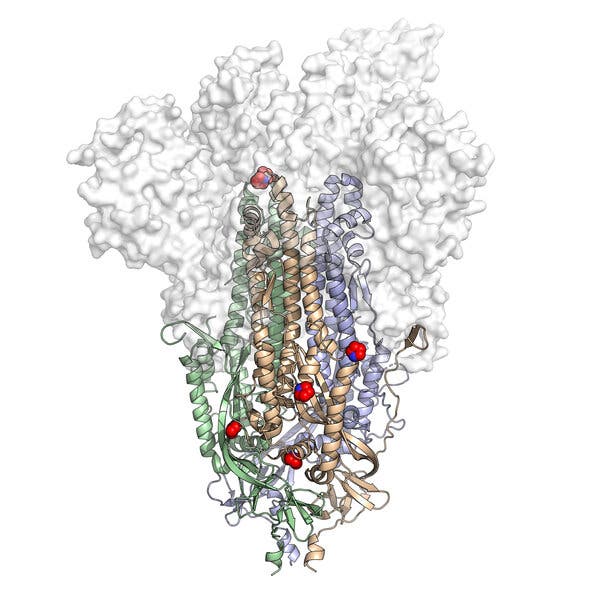
A new formulation entering clinical trials in Brazil, Mexico, Thailand and Vietnam could change how the world fights the pandemic.A new vaccine for Covid-19 that is entering clinical trials in Brazil, Mexico, Thailand and Vietnam could change how the world fights the pandemic. The vaccine, called NVD-HXP-S, is the first in clinical trials to use a new molecular design that is widely expected to create more potent antibodies than the current generation of vaccines. And the new vaccine could be far easier to make.Existing vaccines from companies like Pfizer and Johnson & Johnson must be produced in specialized factories using hard-to-acquire ingredients. In contrast, the new vaccine can be mass-produced in chicken eggs — the same eggs that produce billions of influenza vaccines every year in factories around the world.If NVD-HXP-S proves safe and effective, flu vaccine manufacturers could potentially produce well over a billion doses of it a year. Low- and middle-income countries currently struggling to obtain vaccines from wealthier countries may be able to make NVD-HXP-S for themselves or acquire it at low cost from neighbors.“That’s staggering — it would be a game-changer,” said Andrea Taylor, assistant director of the Duke Global Health Innovation Center.First, however, clinical trials must establish that NVD-HXP-S actually works in people. The first phase of clinical trials will conclude in July, and the final phase will take several months more. But experiments with vaccinated animals have raised hopes for the vaccine’s prospects.“It’s a home run for protection,” said Dr. Bruce Innes of the PATH Center for Vaccine Innovation and Access, which has coordinated the development of NVD-HXP-S. “I think it’s a world-class vaccine.”2P to the rescueThe molecular structure of HexaPro, a modified version of the SARS-CoV-2 spike protein, with its six key alterations shown as red and blue spheres.University of Texas at AustinVaccines work by acquainting the immune system with a virus well enough to prompt a defense against it. Some vaccines contain entire viruses that have been killed; others contain just a single protein from the virus. Still others contain genetic instructions that our cells can use to make the viral protein.Once exposed to a virus, or part of it, the immune system can learn to make antibodies that attack it. Immune cells can also learn to recognize infected cells and destroy them.In the case of the coronavirus, the best target for the immune system is the protein that covers its surface like a crown. The protein, known as spike, latches onto cells and then allows the virus to fuse to them.But simply injecting coronavirus spike proteins into people is not the best way to vaccinate them. That’s because spike proteins sometimes assume the wrong shape, and prompt the immune system to make the wrong antibodies.Jason McLellan, a structural biologist at the University of Texas at Austin. His research on coronavirus spike proteins aided the development of the Pfizer, Moderna, Johnson & Johnson and Novavax vaccines.Ilana Panich-Linsman for The New York TimesThis insight emerged long before the Covid-19 pandemic. In 2015, another coronavirus appeared, causing a deadly form of pneumonia called MERS. Jason McLellan, a structural biologist then at the Geisel School of Medicine at Dartmouth, and his colleagues set out to make a vaccine against it.They wanted to use the spike protein as a target. But they had to reckon with the fact that the spike protein is a shape-shifter. As the protein prepares to fuse to a cell, it contorts from a tulip-like shape into something more akin to a javelin.Scientists call these two shapes the prefusion and postfusion forms of the spike. Antibodies against the prefusion shape work powerfully against the coronavirus, but postfusion antibodies don’t stop it.Dr. McLellan and his colleagues used standard techniques to make a MERS vaccine but ended up with a lot of postfusion spikes, useless for their purposes. Then they discovered a way to keep the protein locked in a tulip-like prefusion shape. All they had to do was change two of more than 1,000 building blocks in the protein into a compound called proline.The resulting spike — called 2P, for the two new proline molecules it contained — was far more likely to assume the desired tulip shape. The researchers injected the 2P spikes into mice and found that the animals could easily fight off infections of the MERS coronavirus.The team filed a patent for its modified spike, but the world took little notice of the invention. MERS, although deadly, is not very contagious and proved to be a relatively minor threat; fewer than 1,000 people have died of MERS since it first emerged in humans.But in late 2019 a new coronavirus, SARS-CoV-2, emerged and began ravaging the world. Dr. McLellan and his colleagues swung into action, designing a 2P spike unique to SARS-CoV-2. In a matter of days, Moderna used that information to design a vaccine for Covid-19; it contained a genetic molecule called RNA with the instructions for making the 2P spike.Other companies soon followed suit, adopting 2P spikes for their own vaccine designs and starting clinical trials. All three of the vaccines that have been authorized so far in the United States — from Johnson & Johnson, Moderna and Pfizer-BioNTech — use the 2P spike.Other vaccine makers are using it as well. Novavax has had strong results with the 2P spike in clinical trials and is expected to apply to the Food and Drug Administration for emergency use authorization in the next few weeks. Sanofi is also testing a 2P spike vaccine and expects to finish clinical trials later this year.Two prolines are good; six are betterDr. McLellan’s ability to find lifesaving clues in the structure of proteins has earned him deep admiration in the vaccine world. “This guy is a genius,” said Harry Kleanthous, a senior program officer at the Bill & Melinda Gates Foundation. “He should be proud of this huge thing he’s done for humanity.”But once Dr. McLellan and his colleagues handed off the 2P spike to vaccine makers, he turned back to the protein for a closer look. If swapping just two prolines improved a vaccine, surely additional tweaks could improve it even more.“It made sense to try to have a better vaccine,” said Dr. McLellan, who is now an associate professor at the University of Texas at Austin.In March, he joined forces with two fellow University of Texas biologists, Ilya Finkelstein and Jennifer Maynard. Their three labs created 100 new spikes, each with an altered building block. With funding from the Gates Foundation, they tested each one and then combined the promising changes in new spikes. Eventually, they created a single protein that met their aspirations.The winner contained the two prolines in the 2P spike, plus four additional prolines found elsewhere in the protein. Dr. McLellan called the new spike HexaPro, in honor of its total of six prolines.The structure of HexaPro was even more stable than 2P, the team found. It was also resilient, better able to withstand heat and damaging chemicals. Dr. McLellan hoped that its rugged design would make it potent in a vaccine.Dr. McLellan also hoped that HexaPro-based vaccines would reach more of the world — especially low- and middle-income countries, which so far have received only a fraction of the total distribution of first-wave vaccines.“The share of the vaccines they’ve received so far is terrible,” Dr. McLellan said.To that end, the University of Texas set up a licensing arrangement for HexaPro that allows companies and labs in 80 low- and middle-income countries to use the protein in their vaccines without paying royalties.Meanwhile, Dr. Innes and his colleagues at PATH were looking for a way to increase the production of Covid-19 vaccines. They wanted a vaccine that less wealthy nations could make on their own.With a little help from eggsThe first wave of authorized Covid-19 vaccines require specialized, costly ingredients to make. Moderna’s RNA-based vaccine, for instance, needs genetic building blocks called nucleotides, as well as a custom-made fatty acid to build a bubble around them. Those ingredients must be assembled into vaccines in purpose-built factories.The way influenza vaccines are made is a study in contrast. Many countries have huge factories for making cheap flu shots, with influenza viruses injected into chicken eggs. The eggs produce an abundance of new copies of the viruses. Factory workers then extract the viruses, weaken or kill them and then put them into vaccines.The PATH team wondered if scientists could make a Covid-19 vaccine that could be grown cheaply in chicken eggs. That way, the same factories that make flu shots could make Covid-19 shots as well.In New York, a team of scientists at the Icahn School of Medicine at Mount Sinai knew how to make just such a vaccine, using a bird virus called Newcastle disease virus that is harmless in humans.For years, scientists had been experimenting with Newcastle disease virus to create vaccines for a range of diseases. To develop an Ebola vaccine, for example, researchers added an Ebola gene to the Newcastle disease virus’s own set of genes.The scientists then inserted the engineered virus into chicken eggs. Because it is a bird virus, it multiplied quickly in the eggs. The researchers ended up with Newcastle disease viruses coated with Ebola proteins.At Mount Sinai, the researchers set out to do the same thing, using coronavirus spike proteins instead of Ebola proteins. When they learned about Dr. McLellan’s new HexaPro version, they added that to the Newcastle disease viruses. The viruses bristled with spike proteins, many of which had the desired prefusion shape. In a nod to both the Newcastle disease virus and the HexaPro spike, they called it NDV-HXP-S.PATH arranged for thousands of doses of NDV-HXP-S to be produced in a Vietnamese factory that normally makes influenza vaccines in chicken eggs. In October, the factory sent the vaccines to New York to be tested. The Mount Sinai researchers found that NDV-HXP-S conferred powerful protection in mice and hamsters.“I can honestly say I can protect every hamster, every mouse in the world against SARS-CoV-2,” Dr. Peter Palese, the leader of the research, said. “But the jury’s still out about what it does in humans.”The potency of the vaccine brought an extra benefit: The researchers needed fewer viruses for an effective dose. A single egg may yield five to 10 doses of NDV-HXP-S, compared to one or two doses of influenza vaccines.“We are very excited about this, because we think it’s a way of making a cheap vaccine,” Dr. Palese said.A nurse administering the NDV-HXP-S  vaccine to a volunteer at Mahidol University in Bangkok during the country’s first human trial.Government Pharmaceutical Organization of Thailand, via Agence France-Presse — Getty ImagesPATH then connected the Mount Sinai team with influenza vaccine makers. On March 15, Vietnam’s Institute of Vaccines and Medical Biologicals announced the start of a clinical trial of NDV-HXP-S. A week later, Thailand’s Government Pharmaceutical Organization followed suit. On March 26, Brazil’s Butantan Institute said it would ask for authorization to begin its own clinical trials of NDV-HXP-S.Meanwhile, the Mount Sinai team has also licensed the vaccine to the Mexican vaccine maker Avi-Mex as an intranasal spray. The company will start clinical trials to see if the vaccine is even more potent in that form.To the nations involved, the prospect of making the vaccines entirely on their own was appealing. “This vaccine production is produced by Thai people for Thai people,” Thailand’s health minister, Anutin Charnvirakul, said at the announcement in Bangkok.From left, Dimas Covas, director of the Butantan Institute in Brazil; João Doria, governor of the state of São Paulo; and Jean Gorinchteyn, the state health secretary, announcing the ButanVac Covid-19 vaccine candidate against in São Paulo on March 26. Miguel Schincariol/Agence France-Presse — Getty ImagesIn Brazil, the Butantan Institute trumpeted its version of NDV-HXP-S as “the Brazilian vaccine,” one that would be “produced entirely in Brazil, without depending on imports.”Ms. Taylor, of the Duke Global Health Innovation Center, was sympathetic. “I could understand why that would really be such an attractive prospect,” she said. “They’ve been at the mercy of global supply chains.”Madhavi Sunder, an expert on intellectual property at Georgetown Law School, cautioned that NDV-HXP-S would not immediately help countries like Brazil as they grappled with the current wave of Covid-19 infections. “We’re not talking 16 billion doses in 2020,” she said.Instead, the strategy will be important for long-term vaccine production — not just for Covid-19 but for other pandemics that may come in the future. “It sounds super promising,” she said.In the meantime, Dr. McLellan has returned to the molecular drawing board to try to make a third version of their spike that is even better than HexaPro.“There’s really no end to this process,” he said. “The number of permutations is almost infinite. At some point, you’d have to say, ‘This is the next generation.’”

Read more →
Researchers Are Hatching a Low-Cost Covid-19 Vaccine

A new formulation entering clinical trials in Brazil, Mexico, Thailand and Vietnam could change how the world fights the pandemic.A new vaccine for Covid-19 that is entering clinical trials in Brazil, Mexico, Thailand and Vietnam could change how the world fights the pandemic. The vaccine, called NVD-HXP-S, is the first in clinical trials to use a new molecular design that is widely expected to create more potent antibodies than the current generation of vaccines. And the new vaccine could be far easier to make.Existing vaccines from companies like Pfizer and Johnson & Johnson must be produced in specialized factories using hard-to-acquire ingredients. In contrast, the new vaccine can be mass-produced in chicken eggs — the same eggs that produce billions of influenza vaccines every year in factories around the world.If NVD-HXP-S proves safe and effective, flu vaccine manufacturers could potentially produce well over a billion doses of it a year. Low- and middle-income countries currently struggling to obtain vaccines from wealthier countries may be able to make NVD-HXP-S for themselves or acquire it at low cost from neighbors.“That’s staggering — it would be a game-changer,” said Andrea Taylor, assistant director of the Duke Global Health Innovation Center.First, however, clinical trials must establish that NVD-HXP-S actually works in people. The first phase of clinical trials will conclude in July, and the final phase will take several months more. But experiments with vaccinated animals have raised hopes for the vaccine’s prospects.“It’s a home run for protection,” said Dr. Bruce Innes of the PATH Center for Vaccine Innovation and Access, which has coordinated the development of NVD-HXP-S. “I think it’s a world-class vaccine.”2P to the rescueThe molecular structure of HexaPro, a modified version of the SARS-CoV-2 spike protein, with its six key alterations shown as red and blue spheres.University of Texas at AustinVaccines work by acquainting the immune system with a virus well enough to prompt a defense against it. Some vaccines contain entire viruses that have been killed; others contain just a single protein from the virus. Still others contain genetic instructions that our cells can use to make the viral protein.Once exposed to a virus, or part of it, the immune system can learn to make antibodies that attack it. Immune cells can also learn to recognize infected cells and destroy them.In the case of the coronavirus, the best target for the immune system is the protein that covers its surface like a crown. The protein, known as spike, latches onto cells and then allows the virus to fuse to them.But simply injecting coronavirus spike proteins into people is not the best way to vaccinate them. That’s because spike proteins sometimes assume the wrong shape, and prompt the immune system to make the wrong antibodies.Jason McLellan, a structural biologist at the University of Texas at Austin. His research on coronavirus spike proteins aided the development of the Pfizer, Moderna, Johnson & Johnson and Novavax vaccines.Ilana Panich-Linsman for The New York TimesThis insight emerged long before the Covid-19 pandemic. In 2015, another coronavirus appeared, causing a deadly form of pneumonia called MERS. Jason McLellan, a structural biologist then at the Geisel School of Medicine at Dartmouth, and his colleagues set out to make a vaccine against it.They wanted to use the spike protein as a target. But they had to reckon with the fact that the spike protein is a shape-shifter. As the protein prepares to fuse to a cell, it contorts from a tulip-like shape into something more akin to a javelin.Scientists call these two shapes the prefusion and postfusion forms of the spike. Antibodies against the prefusion shape work powerfully against the coronavirus, but postfusion antibodies don’t stop it.Dr. McLellan and his colleagues used standard techniques to make a MERS vaccine but ended up with a lot of postfusion spikes, useless for their purposes. Then they discovered a way to keep the protein locked in a tulip-like prefusion shape. All they had to do was change two of more than 1,000 building blocks in the protein into a compound called proline.The resulting spike — called 2P, for the two new proline molecules it contained — was far more likely to assume the desired tulip shape. The researchers injected the 2P spikes into mice and found that the animals could easily fight off infections of the MERS coronavirus.The team filed a patent for its modified spike, but the world took little notice of the invention. MERS, although deadly, is not very contagious and proved to be a relatively minor threat; fewer than 1,000 people have died of MERS since it first emerged in humans.But in late 2019 a new coronavirus, SARS-CoV-2, emerged and began ravaging the world. Dr. McLellan and his colleagues swung into action, designing a 2P spike unique to SARS-CoV-2. In a matter of days, Moderna used that information to design a vaccine for Covid-19; it contained a genetic molecule called RNA with the instructions for making the 2P spike.Other companies soon followed suit, adopting 2P spikes for their own vaccine designs and starting clinical trials. All three of the vaccines that have been authorized so far in the United States — from Johnson & Johnson, Moderna and Pfizer-BioNTech — use the 2P spike.Other vaccine makers are using it as well. Novavax has had strong results with the 2P spike in clinical trials and is expected to apply to the Food and Drug Administration for emergency use authorization in the next few weeks. Sanofi is also testing a 2P spike vaccine and expects to finish clinical trials later this year.Two prolines are good; six are betterDr. McLellan’s ability to find lifesaving clues in the structure of proteins has earned him deep admiration in the vaccine world. “This guy is a genius,” said Harry Kleanthous, a senior program officer at the Bill & Melinda Gates Foundation. “He should be proud of this huge thing he’s done for humanity.”But once Dr. McLellan and his colleagues handed off the 2P spike to vaccine makers, he turned back to the protein for a closer look. If swapping just two prolines improved a vaccine, surely additional tweaks could improve it even more.“It made sense to try to have a better vaccine,” said Dr. McLellan, who is now an associate professor at the University of Texas at Austin.In March, he joined forces with two fellow University of Texas biologists, Ilya Finkelstein and Jennifer Maynard. Their three labs created 100 new spikes, each with an altered building block. With funding from the Gates Foundation, they tested each one and then combined the promising changes in new spikes. Eventually, they created a single protein that met their aspirations.The winner contained the two prolines in the 2P spike, plus four additional prolines found elsewhere in the protein. Dr. McLellan called the new spike HexaPro, in honor of its total of six prolines.The structure of HexaPro was even more stable than 2P, the team found. It was also resilient, better able to withstand heat and damaging chemicals. Dr. McLellan hoped that its rugged design would make it potent in a vaccine.Dr. McLellan also hoped that HexaPro-based vaccines would reach more of the world — especially low- and middle-income countries, which so far have received only a fraction of the total distribution of first-wave vaccines.“The share of the vaccines they’ve received so far is terrible,” Dr. McLellan said.To that end, the University of Texas set up a licensing arrangement for HexaPro that allows companies and labs in 80 low- and middle-income countries to use the protein in their vaccines without paying royalties.Meanwhile, Dr. Innes and his colleagues at PATH were looking for a way to increase the production of Covid-19 vaccines. They wanted a vaccine that less wealthy nations could make on their own.With a little help from eggsThe first wave of authorized Covid-19 vaccines require specialized, costly ingredients to make. Moderna’s RNA-based vaccine, for instance, needs genetic building blocks called nucleotides, as well as a custom-made fatty acid to build a bubble around them. Those ingredients must be assembled into vaccines in purpose-built factories.The way influenza vaccines are made is a study in contrast. Many countries have huge factories for making cheap flu shots, with influenza viruses injected into chicken eggs. The eggs produce an abundance of new copies of the viruses. Factory workers then extract the viruses, weaken or kill them and then put them into vaccines.The PATH team wondered if scientists could make a Covid-19 vaccine that could be grown cheaply in chicken eggs. That way, the same factories that make flu shots could make Covid-19 shots as well.In New York, a team of scientists at the Icahn School of Medicine at Mount Sinai knew how to make just such a vaccine, using a bird virus called Newcastle disease virus that is harmless in humans.For years, scientists had been experimenting with Newcastle disease virus to create vaccines for a range of diseases. To develop an Ebola vaccine, for example, researchers added an Ebola gene to the Newcastle disease virus’s own set of genes.The scientists then inserted the engineered virus into chicken eggs. Because it is a bird virus, it multiplied quickly in the eggs. The researchers ended up with Newcastle disease viruses coated with Ebola proteins.At Mount Sinai, the researchers set out to do the same thing, using coronavirus spike proteins instead of Ebola proteins. When they learned about Dr. McLellan’s new HexaPro version, they added that to the Newcastle disease viruses. The viruses bristled with spike proteins, many of which had the desired prefusion shape. In a nod to both the Newcastle disease virus and the HexaPro spike, they called it NDV-HXP-S.PATH arranged for thousands of doses of NDV-HXP-S to be produced in a Vietnamese factory that normally makes influenza vaccines in chicken eggs. In October, the factory sent the vaccines to New York to be tested. The Mount Sinai researchers found that NDV-HXP-S conferred powerful protection in mice and hamsters.“I can honestly say I can protect every hamster, every mouse in the world against SARS-CoV-2,” Dr. Peter Palese, the leader of the research, said. “But the jury’s still out about what it does in humans.”The potency of the vaccine brought an extra benefit: The researchers needed fewer viruses for an effective dose. A single egg may yield five to 10 doses of NDV-HXP-S, compared to one or two doses of influenza vaccines.“We are very excited about this, because we think it’s a way of making a cheap vaccine,” Dr. Palese said.A nurse administering the NDV-HXP-S  vaccine to a volunteer at Mahidol University in Bangkok during the country’s first human trial.Government Pharmaceutical Organization of Thailand, via Agence France-Presse — Getty ImagesPATH then connected the Mount Sinai team with influenza vaccine makers. On March 15, Vietnam’s Institute of Vaccines and Medical Biologicals announced the start of a clinical trial of NDV-HXP-S. A week later, Thailand’s Government Pharmaceutical Organization followed suit. On March 26, Brazil’s Butantan Institute said it would ask for authorization to begin its own clinical trials of NDV-HXP-S.Meanwhile, the Mount Sinai team has also licensed the vaccine to the Mexican vaccine maker Avi-Mex as an intranasal spray. The company will start clinical trials to see if the vaccine is even more potent in that form.To the nations involved, the prospect of making the vaccines entirely on their own was appealing. “This vaccine production is produced by Thai people for Thai people,” Thailand’s health minister, Anutin Charnvirakul, said at the announcement in Bangkok.From left, Dimas Covas, director of the Butantan Institute in Brazil; João Doria, governor of the state of São Paulo; and Jean Gorinchteyn, the state health secretary, announcing the ButanVac Covid-19 vaccine candidate against in São Paulo on March 26. Miguel Schincariol/Agence France-Presse — Getty ImagesIn Brazil, the Butantan Institute trumpeted its version of NDV-HXP-S as “the Brazilian vaccine,” one that would be “produced entirely in Brazil, without depending on imports.”Ms. Taylor, of the Duke Global Health Innovation Center, was sympathetic. “I could understand why that would really be such an attractive prospect,” she said. “They’ve been at the mercy of global supply chains.”Madhavi Sunder, an expert on intellectual property at Georgetown Law School, cautioned that NDV-HXP-S would not immediately help countries like Brazil as they grappled with the current wave of Covid-19 infections. “We’re not talking 16 billion doses in 2020,” she said.Instead, the strategy will be important for long-term vaccine production — not just for Covid-19 but for other pandemics that may come in the future. “It sounds super promising,” she said.In the meantime, Dr. McLellan has returned to the molecular drawing board to try to make a third version of their spike that is even better than HexaPro.“There’s really no end to this process,” he said. “The number of permutations is almost infinite. At some point, you’d have to say, ‘This is the next generation.’”

Read more →
When Patients Choose to End Their Lives

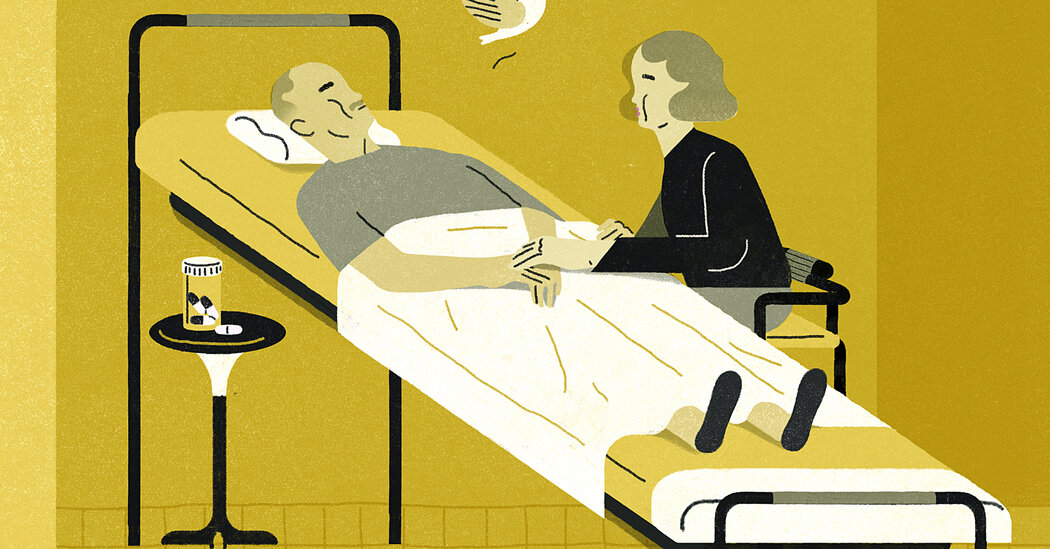
For some, the decision to die is more complicated than a wish to reduce pain. At a time when so many are dying against their will, it may seem out of sync to discuss the option of having a doctor help people end their lives when they face intolerable suffering that no treatment can relieve.It’s less a question of uncontrollable physical pain, which prompts only a minority of requests for medical aid in dying, than it is a loss of autonomy, a loss of dignity, a loss of quality of life and an inability to engage in what makes people’s lives meaningful.Intractable suffering is defined by patients, not doctors. Patients who choose medical aid in dying want to control when they die and die peacefully, remaining conscious almost to the very end, surrounded by loved ones and able to say goodbye.Currently, nine states and the District of Columbia allow doctors to help patients who meet well-defined criteria and are on the threshold of dying choose when and how to end their lives. The laws are modeled after the first Death with Dignity Act, passed in Oregon in 1997.A similar law has been introduced repeatedly, and again this January, in New York. Last year, Maryland came within one vote of joining states that permit medical aid in dying. Diane Rehm, the retired National Public Radio talk show host, says in a new film she created on the subject, “Each of us is just one bad death away from supporting these laws.”Most people who seek medical aid in dying would prefer to live but have an illness that has in effect stripped their lives of meaning. Though often — and, proponents say, unfortunately — described as “assisted suicide,” the laws hardly give carte blanche for doctors to give people medication that would end their lives quickly and painlessly. The patient has to be terminally ill (usually with a life expectancy of less than six months), professionally certified as of sound mind, and able to self-administer the lethal medication without assistance. That can leave out people with advanced dementia or, in some cases, people with severe physical disabilities like those with amyotrophic lateral sclerosis (A.L.S., or Lou Gehrig’s disease).A desire to broaden access to medical aid in dying prompted Ms. Rehm to create the film “When My Time Comes” to air on public television starting April 8. (A free livestream of the film preview and discussion will be available on April 8, at 12:45 p.m. Eastern, at weta.org/WhenMyTimeComesFilm.) The film follows the 2020 publication of Ms. Rehm’s book of the same title, subtitled “Conversations About Whether Those Who Are Dying Should Have the Right to Determine When Life Should End.” Both the book and film were inspired by the protracted death in 2014 from Parkinson’s disease of John Rehm, her first husband, to whom she was married for 54 years.Mr. Rehm, then living in Maryland, could no longer stand, feed or toilet himself, but his doctors could not legally grant his plea to help him die quickly. Instead, the only recourse he was given was to refuse all food, liquid and medication, which ended his life 10 days later.This is still the only option doctors can legally “prescribe” for the overwhelming majority of Americans who live in the 41 states that have yet to pass a medical aid-in-dying law. The approach does indeed work, but it’s not an acceptable choice for many dying patients and their families.Ms. Rehm said her goal is that no patient should have to suffer the indignity her husband experienced at the end of his life. She described his death as “excruciating to witness,” even though after about two days the absence of food and water is usually quite tolerable for the patient.Dr. Jessica Nutik Zitter, a palliative care physician at Highland Hospital in Oakland, Calif., said in an interview, “The concept of medical aid in dying is gaining acceptance, but it takes a while for people to be comfortable with it. Doctors are trained to just keep adding technology to patient care regardless of the outcome, and withdrawing technology is anathema to what we’re taught.”As a result, doctors may convince dying patients and their families to accept treatments “that result in terrible suffering,” said Dr. Zitter, author of the book “Extreme Measures: Finding a Better Path to the End of Life.” In her experience, a fear of losing control is the main reason patients request medical aid in dying, but when they have access to good palliative care, that fear often dissipates.Only a third of patients who qualify for medical aid in dying actually use the life-ending drugs they get, she said, explaining that once given the option, they regain a sense of autonomy and no longer fear losing control. In a study of 3,368 prescriptions for lethal medications written under the laws in Oregon and Washington state, the most common reasons for pursuing medical aid in dying were loss of autonomy (87.4 percent); impaired quality of life (86.1 percent), and loss of dignity (68.6 percent).Of course, many doctors consider medical aid in dying contrary to their training, religious beliefs or philosophy of life. Dr. Joanne Lynn, a geriatrician in Washington, D.C., who is not a supporter, said the emphasis should be on providing better care for people who are very sick, disabled or elderly.“We should resist medical aid in dying until we can offer a real choice of a well-supported, meaningful and comfortable existence to people who would have chosen a medically assisted death,” Dr. Lynn said. “There’s currently no strong push for decency in long-term care. It’s not a real choice if a person’s alternative is living in misery or impoverishing the family.”Barbara Coombs Lee, president emerita of Compassion & Choices, a nonprofit organization in Portland, Ore., that seeks to expand end-of-life options, said, “The core principle of medical aid in dying is self-determination for someone who is terminally ill.”Still, Ms. Lee, the author of “Finish Strong: Putting Your Priorities First at Life’s End,” said that there are options for the majority of dying patients who still lack access to an aid-in-dying law. In addition to voluntarily refusing to eat and drink, everyone has the right to create an advance directive that stipulates the medical circumstances under which they would want no further treatment.For example, people in the early stages of Alzheimer’s disease could specify that when they reach a certain stage — perhaps when they no longer know who they are or recognize close relatives — they do not want to be treated if they develop a life-threatening infection.Leaving such instructions when a person is still able to give them “is a gift to the family, relieving loved ones of uncertainty,” Ms. Lee said. She suggested consulting the website compassionandchoices.org for tools that can help families who want to plan ahead.

Read more →

How White Evangelicals’ Vaccine Refusal Could Prolong the Pandemic

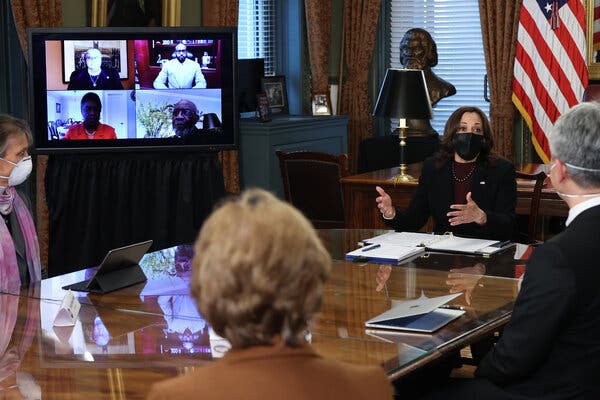
Millions of white evangelical adults in the U.S. do not intend to get vaccinated against Covid-19. Tenets of faith and mistrust of science play a role; so does politics.Stephanie Nana, an evangelical Christian in Edmond, Okla., refused to get a Covid-19 vaccine because she believed it contained “aborted cell tissue.”Nathan French, who leads a nondenominational ministry in Tacoma, Wash., said he received a divine message that God was the ultimate healer and deliverer: “The vaccine is not the savior.”Lauri Armstrong, a Bible-believing nutritionist outside of Dallas, said she did not need the vaccine because God designed the body to heal itself, if given the right nutrients. More than that, she said, “It would be God’s will if I am here or if I am not here.”The deeply held spiritual convictions or counterfactual arguments may vary. But across white evangelical America, reasons not to get vaccinated have spread as quickly as the virus that public health officials are hoping to overcome through herd immunity.The opposition is rooted in a mix of religious faith and a longstanding wariness of mainstream science, and it is fueled by broader cultural distrust of institutions and gravitation to online conspiracy theories. The sheer size of the community poses a major problem for the country’s ability to recover from a pandemic that has resulted in the deaths of half a million Americans. And evangelical ideas and instincts have a way of spreading, even internationally.There are about 41 million white evangelical adults in the U.S. About 45 percent said in late February that they would not get vaccinated against Covid-19, making them among the least likely demographic groups to do so, according to the Pew Research Center. “If we can’t get a significant number of white evangelicals to come around on this, the pandemic is going to last much longer than it needs to,” said Jamie Aten, founder and executive director of the Humanitarian Disaster Institute at Wheaton College, an evangelical institution in Illinois.As vaccines become more widely available, and as worrisome virus variants develop, the problem takes on new urgency. Significant numbers of Americans generally are resistant to getting vaccinated, but white evangelicals present unique challenges because of their complex web of moral, medical, and political objections. The challenge is further complicated by longstanding distrust between evangelicals and the scientific community.“Would I say that all public health agencies have the information that they need to address their questions and concerns? Probably not,” said Dr. Julie Morita, the executive vice president of the Robert Wood Johnson Foundation and a former Chicago public health commissioner.No clear data is available about vaccine hesitancy among evangelicals of other racial groups. But religious reasoning often spreads beyond white churches.Vice President Kamala Harris met with religious leaders recently, urging them to encourage their communities to take the Covid-19 vaccine.Chip Somodevilla/Getty ImagesMany high-profile conservative pastors and institutional leaders have endorsed the vaccines. Franklin Graham told his 9.6 million Facebook followers that Jesus would advocate for vaccination. Pastor Robert Jeffress commended it from an anti-abortion perspective on Fox News. (“We talk about life inside the womb being a gift from God. Well, life outside the womb is a gift from God, too.”) The president of the Southern Baptist Convention, J.D. Greear, tweeted a photo of himself receiving a shot.But other influential voices in the sprawling, trans-denominational movement, especially those who have gained their stature through media fame, have sown fears. Gene Bailey, the host of a prophecy-focused talk show on the Victory Channel, warned his audience in March that the government and “globalist entities” will “use bayonets and prisons to force a needle into your arm.” In a now-deleted TikTok post from an evangelical influencer’s account that has more than 900,000 followers, she dramatized being killed by authorities for refusing the vaccine.Dr. Simone Gold, a prominent Covid-19 skeptic who was charged with violent entry and disorderly conduct in the Jan. 6 Capitol siege, told an evangelical congregation in Florida that they were in danger of being “coerced into taking an experimental biological agent.”The evangelical radio host Eric Metaxas wrote “Don’t get the vaccine” in a tweet on March 28 that has since been deleted. “Pass it on,” he wrote.Some evangelicals believe that any Covid restrictions — including mask mandates and restrictions on in-person church worship — constitute oppression.And some have been energized by what they see as a battle between faith and fear, and freedom and persecution.“Fear is the motivating power behind all of this, and fear is the opposite of who God is,” said Teresa Beukers, who travels throughout California in a motor home. “I violently oppose fear.”Ms. Beukers foresees severe political and social consequences for resisting the vaccine, but she is determined to do so. She quit a job at Trader Joe’s when the company insisted that she wear a mask at work. Her son, she said, was kicked off his community college football team for refusing Covid testing protocols.“Go ahead and throw us in the lions’ den, go ahead and throw us in the furnace,” she said, referring to two biblical stories in which God’s people miraculously survive persecution after refusing to submit to temporal powers.Jesus, she added, broke ritual purity laws by interacting with lepers. “We can compare that to people who are unvaccinated,” she said. “If they get pushed out, they’ll need to live in their own colonies.”One widespread concern among evangelicals is the vaccines’ ties to abortion. In reality, the connection is remote: Some of the vaccines were developed and tested using cells derived from the fetal tissue of elective abortions that took place decades ago.The vaccines do not include fetal tissue, and no additional abortions are required to manufacture them. Still, the kernel of a connection has metastasized online into false rumors about human remains or fetal DNA being an ingredient in the vaccines.Some evangelicals see the vaccine as a redemptive outcome for the original aborted fetus.The Vatican has said that vaccines are “morally acceptable,” and Catholics in America are much less likely than white evangelicals to say they won’t get vaccinated. Pope Francis visited a vaccination site in the Vatican on Friday.Vatican MediaSome Catholic bishops have expressed concerns about the abortion link, too. But the Vatican has concluded the vaccines are “morally acceptable,” and has emphasized the immediate danger posed by the virus. Just 22 percent of Catholics in America say they will not get the vaccine, less than half the share of white evangelicals who say that.White evangelicals who do not plan to get vaccinated sometimes say they see no need, because they do not feel at risk. Rates of Covid-19 death have been about twice as high for Black, Hispanic, and Native Americans as for white Americans.White pastors have largely remained quiet. That’s in part because the wariness among white conservative Christians is not just medical, but also political. If white pastors encourage vaccination directly, said Dr. Aten, “there are people in the pews where you’ve just attacked their political party, and maybe their whole worldview.”Dr. Morita, of the Robert Wood Johnson Foundation, said the method to reach white evangelicals is similar to building vaccine confidence in other groups: Listen to their concerns and questions, and then provide information that they can understand from people they trust.But a public education campaign alone may not be enough.There has been a “sea change” over the past century in how evangelical Christians see science, a change rooted largely in the debates over evolution and the secularization of the academy, said Elaine Ecklund, professor of sociology and director of the Religion and Public Life Program at Rice University.There are two parts to the problem, she said: The scientific community has not been as friendly toward evangelicals, and the religious community has not encouraged followers to pursue careers in science.Distrust of scientists has become part of cultural identity, of what it means to be white and evangelical in America, she said.For slightly different reasons, the distrust is sometimes shared by Asian, Hispanic and Black Christians, who are skeptical that hospitals and medical professionals will be sensitive to their concerns, Dr. Ecklund said.“We are seeing some of the implications of the inequalities in science,” she said. “This is an enormous warning of the fact that we do not have a more diverse scientific work force, religiously and racially.”Among evangelicals, Pentecostal and charismatic Christians may be particularly wary of the vaccine, in part because their tradition historically emphasizes divine health and miraculous healing in ways that can rival traditional medicine, said Erica Ramirez, a scholar of Pentecostalism and director of applied research at Auburn Seminary. Charismatic churches also attract significant shares of Black and Hispanic Christians.Dr. Ramirez compares modern Pentecostalism to Gwyneth Paltrow’s Goop, with the brand’s emphasis on “wellness” and “energy” that infuriates some scientists: “It’s extra-medical,” she said. “It’s not anti-medical, but it decenters medicine.”The Centers for Disease Control and Prevention and Dr. Anthony Fauci are not going to be able to persuade evangelicals, according to Curtis Chang, a consulting professor at Duke Divinity School who is leading an outreach project to educate evangelicals about the vaccine.The project includes a series of short, shareable videos for pastors, answering questions like “How can Christians spot fake news on the vaccine?” and “Is the vaccine the Mark of the Beast?” The latter refers to an apocalyptic theory that the AntiChrist will force his sign onto everyone at the end of the world.These are questions that secular public health entities are not equipped to answer, he said. “The even deeper problem is, the white evangelicals aren’t even on their screen.”Mr. Chang said he recently spoke with a colleague in Uganda whose hospital had received 5,000 vaccine doses, but had only been able to administer about 400, because of the hesitancy of the heavily evangelical population.“How American evangelicals think, write, feel about issues quickly replicates throughout the entire world,” he said.At this critical moment, even pastors struggle to know how to reach their flocks. Joel Rainey, who leads Covenant Church in Shepherdstown, W.Va., said several colleagues were forced out of their churches after promoting health and vaccination guidelines.Politics has increasingly been shaping faith among white evangelicals, rather than the other way around, he said. Pastors’ influence on their churches is decreasing. “They get their people for one hour, and Sean Hannity gets them for the next 20,” he said.Mr. Rainey helped his own Southern Baptist congregation get ahead of false information by publicly interviewing medical experts — a retired colonel specializing in infectious disease, a church member who is a Walter Reed logistics management analyst, and a church elder who is a nurse for the Department of Veterans Affairs.On the worship stage, in front of the praise band’s drum set, he asked them “all of the questions that a follower of Jesus might have,” he said later.“It is necessary for pastors to instruct their people that we don’t always have to be adversaries with the culture around us,” he said. “We believe Jesus died for those people, so why in the world would we see them as adversaries?”

Read more →

Salmonella Outbreak Is Linked to Wild Birds and Feeders, C.D.C. Says

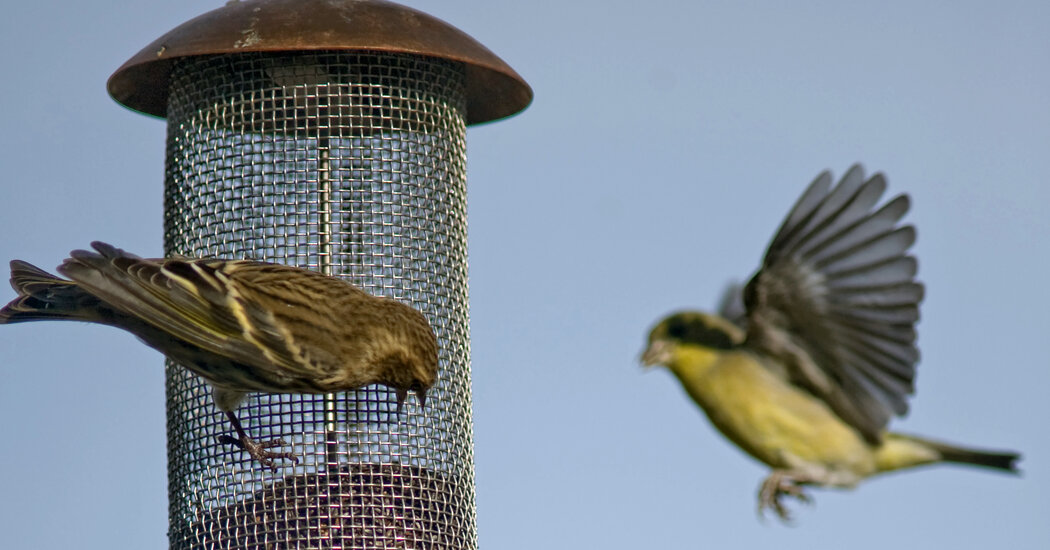
The Centers for Disease Control and Prevention said 19 people had been sickened in eight states.A salmonella outbreak linked to contact with wild songbirds and bird feeders has sickened 19 people across eight states, eight of whom have been hospitalized, federal health authorities said.The Centers for Disease Control and Prevention said it was investigating salmonella infections in California, Kentucky, Mississippi, New Hampshire, Oklahoma, Oregon, Tennessee and Washington State in people ranging in age from 2 months to 89 years old.Six cases were reported in Washington and five in Oregon. No deaths have been reported.Public health officials across the country interviewed 13 of the people who were infected and asked them about animals they had come in contact with a week before they became ill, the C.D.C. said. Nine said they owned a bird feeder, and two reported they had come into contact with a sick or dead bird. Ten people said they had pets that had access to or contact with wild birds, the agency said.To prevent further cases, the C.D.C. recommends cleaning bird feeders and bird baths once a week or when they are dirty. People should avoid feeding wild birds with their bare hands, and should wash their hands with soap and water after touching a bird feeder or bath, or after handling a bird.In California, where three human cases have been reported, the state’s Department of Fish and Wildlife warned of an outbreak in February, and reported that it had been “inundated with calls” from Californians who had discovered sick or dead finches at bird feeders.Andrea Jones, director of bird conservation for Audubon California, said the state had found that most of the birds affected by the outbreak were pine siskins, a finch species that spends the winter in California. Pine siskins congregated in California in large numbers this year, which allowed the outbreak to spread among the birds.“It can happen any year, but this has been a particularly bad year,” Ms. Jones said. “Pine siskins are not very good at social distancing.”Sick birds can often look weak or lethargic, or may appear to be struggling to breathe, Ms. Jones said. She added that most birds die within 24 hours of being infected by salmonella.Many pine siskins are now leaving California for Canada, Ms. Jones said, adding that she hoped the outbreak might be nearing an end.Salmonella bacteria can spread from birds to pets and to humans. People may experience diarrhea, fever and stomach cramps for anywhere from six hours to six days after infection, according to the C.D.C. Children, adults 65 and older, and people with weakened immune systems sometimes suffer worse cases of salmonella, though most people recover in a week or less without treatment.Because many people recover quickly and are not tested for salmonella, the C.D.C. said it was likely that the true number of cases resulting from the outbreak was much higher than the number of reported cases.About 1.35 million cases of salmonella are reported every year in the United States. Of those, about 26,500 require hospitalization and 420 result in death, according to the C.D.C.

Read more →

India Covid: Maharashtra state to see curfew and weekend lockdown

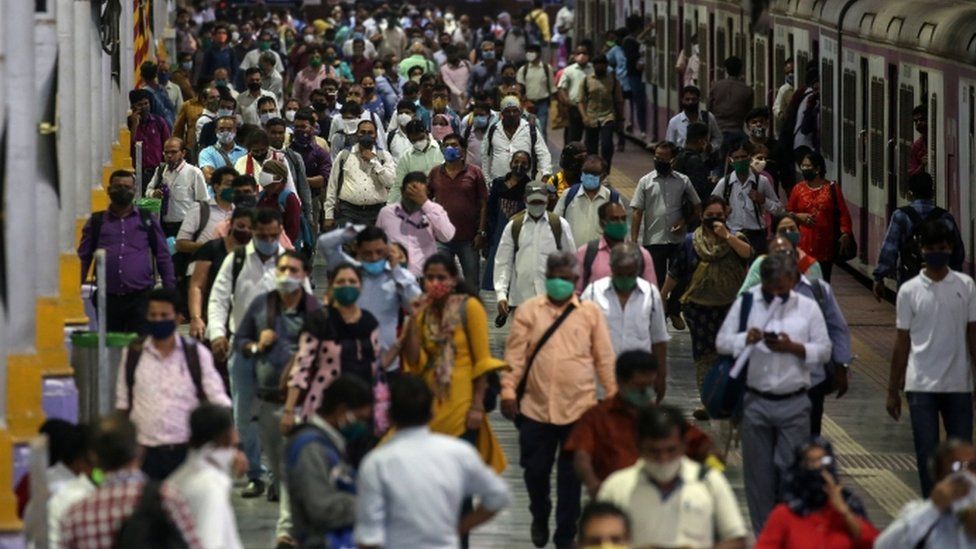
SharecloseShare pageCopy linkAbout sharingimage copyrightEPAThe Indian state of Maharashtra will see tighter restrictions from Monday following a sharp spike in Covid-19 infections.A night time curfew will be enforced and the state will be under a full lockdown on weekends.India saw its highest day of infections since mid-September on Sunday, with 93,249 new cases.More than half of those were in Maharashtra, which has India’s largest city Mumbai as its capital.Prime Minister Narendra Modi has asked a specialist teams to visit the state and investigate why there has been such a severe spike there.Some 165,000 people have died of Covid-19 in India, and there have been 12.5 million confirmed infections. This is Maharashtra’s second full lockdown and government officials had been warning the move was imminent for some time.What did Maharashtra’s leader say?In a televised address on Friday, Maharashtra’s Chief Minister Uddhav Thackeray said people were not following safety rules and some had caught Covid-19 after being vaccinated because they had stopped wearing masks.”People have become complacent. We are in a catch-22 situation – should we look at the economy or health?” Mr Thackeray said.”If this condition continues, I have told you already that in 15 days we will exhaust our [health] infrastructure,” he added.Pune city, which is about 160km (100 miles) east of Mumbai, had already imposed a curfew and closed religious places, hotels, bars, shopping malls and cinemas for a week.image copyrightEPAWhat are the new rules?Maharashtra is already under Covid restrictions that include a ban on public gatherings. But now, from Monday, there will be a night time curfew from 20:00 to 07:00 local time.On weekends, there will be a full lockdown starting at 20:00 on Fridays and going through till 07:00 on Mondays. Only essential businesses can operate during this time.Public transport will still run, but cinemas and playgrounds will be shut. Shops, bars and restaurants will be open only for take-away and parcel services only. Government office buildings have been told to operate at 50% capacity, with people to work from home if possible. These restrictions will last until 30 April, the government said.What about the rest of India?India has had the third highest number of cases after the US and Brazil. The situation seemed to be stabilising in January, with fewer than 15,000 daily infections. But cases began to spike again in March largely because of poor test-and-trace and lax safety protocols.Experts say India’s second wave is being fuelled by people being less cautious – and mixed messaging by the government.As the infections fell, a sense of complacency set in and after being cooped up in their homes for nearly a year, many Indians began attending big weddings and family functions and started visiting crowded marketplaces.Thousands have also participated in large election rallies in several states where regional elections are being held.What about vaccines?The country has launched the third phase of its coronavirus vaccination drive with those older than 45 eligible for the jab. In the first two phases, frontline workers and people above the age of 60 were vaccinated.India has the world’s biggest inoculation drive, and has so far administered more than 68 million doses. It wants to cover 250 million people by July, but experts say the vaccinations need to move faster to stop the spread.

Read more →

Use Your Newspaper to Make Flowers

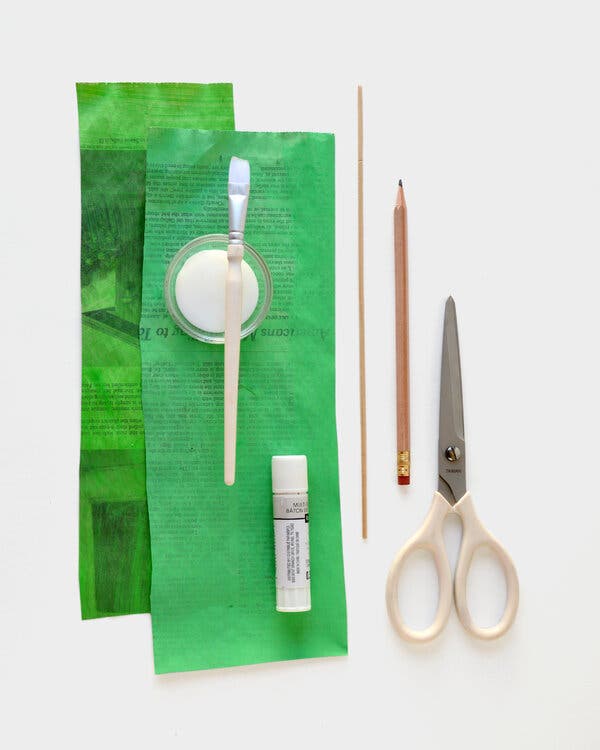
Colorful paper blooms are easy to make and perfect for a spring table top. “There are always flowers for those who want to see them,” Henri Matisse said. Even in this newspaper — just glue a skewer between two pieces of colored or painted newspaper and snip it into simple flower shapes.Group the flowers together for an everlasting and inexpensive centerpiece for your spring table, or place one at each place setting. Mini versions can be used as place cards; they’d make even a tiny gathering feel special. If you leave the bottom of the skewers undecorated, you can poke the flowers into a cake or cupcakes for an instant decoration. Or cheer up someone’s work-from-home situation with a potted paper bouquet; they’ll thank you a bunch.Jodi Levine for The New York TimesSuppliesNewspaper (find colorful spots or paint it)Acrylic craft paint and paintbrush (if you want to paint the newspaper)PencilScissorsWooden skewersWhite glueSmall bowl and a paintbrush (optional, for the glue)Glue stick (optional)Small flowerpots, vases, recycled bottles or jars.Fine gravel or sand (available in craft stores, optional)Make the flowers1. If you’d like to, paint a few sheets of newspaper.2. Cut two pieces of paper to the height and width of your planned flower, leaf and stem or just the flower head.Jodi Levine for The New York Times3. Brush or squeeze a thin strip of glue down the center of the paper, place your dowel on top and apply some more glue over it. Apply a think layer of glue over the rest of the newspaper and place the other piece on top. Gently press it down. (If you want to use as cake toppers, leave the end of your dowel bare.)Jodi Levine for The New York TimesJodi Levine for The New York Times4. Lightly pencil a design (you can use the ones here as a guide or make up your own) and cut out. Let Matisse’s flowers inspire you.Jodi Levine for The New York Times5. “Plant” the flowers in small flowerpots, vases or repurposed bottles or jars. Pour an inch or two of sand or fine gravel into the container to anchor the stems.

Read more →

Car Maintenance During the Pandemic

Many people may have deferred maintenance because their cars mostly sat around in the pandemic. But that creates its own ills.You may have put off going to the doctor, the dentist, getting hair cuts, abandoned your commute and reduced your driving to essential errands during the pandemic. Staying put has most likely made you safer, but you weren’t doing any favors for your car, especially if you were also putting off maintenance.Cars need regular use and upkeep to stay in shape, even if you are barely driving them.Make that: Especially if you’re barely driving them.That said, there is some car maintenance you can delay and some you cannot. The “can” list is shorter, so let’s start with that.Consider miles driven, not time. Maintenance obligations can be loosely divided into two categories: those based on miles driven and those based on time since the last service. One of the chores based on miles is tire rotation, and a car that has barely been used can relax the routine that’s intended to even out the wear on all four tires. Usually, after about 5,000 miles you would move the positions of the tires, like putting the right front tire on the right rear, though the pattern to follow can differ from car to car.Also, while tires deteriorate over time, the past year of diminished use won’t have much affect on that deterioration.You can also relax about the engine coolant and the air and cabin filters, which are all tied to usage. John Ibbotson, the shop supervisor for the auto fleet of Consumer Reports, said that some automakers don’t call for the system to be flushed and new coolant installed until 100,000 miles, or 10 years. He also said the filters should typically be “looked at every 15,000 miles and changed at 30,000.”The general maintenance guidance he relies on is the owner’s manual, but he cautions that the patterns of life in the pandemic have complicated matters. With people driving only short local trips, the typical family car has shifted from normal service to what automakers regard as severe duty. In other words, making those quick hops to the Starbucks may be functionally the equivalent of towing a trailer or pounding down dusty farm roads, as far as your engine’s oil is concerned.Short trips do not bring the engine up to operating temperature, which is necessary to rid the oil of moisture that accumulates in normal use. Nor does the engine coolant circulate and deliver anti-corrosion additives to vital spots. Longer drives also help make sure that vital components like gears and bearings maintain a coating of lubricant.The most important task: changing the oil. If you are not taking longer drives, then you really don’t want to delay changing your oil. It’s the most familiar maintenance task and perhaps the one that is most important to your car’s good health. On an older car, following the owner’s manual mileage recommendation for severe conditions will help to keep the lubricant and its blend of protective additives fresh (if you no longer have the manual, they are often available online and from the automaker). The systems built into many new cars that remind you of required service, like oil changes, take into account the length of trips and will recommend changes based on actual driving.Changing the oil is also the ideal time to look in on other maintenance tasks, including checks of all belts and hoses; while both suffer the effects of engine heat under the hood, they can also develop cracks while the car just sits.Add car batteries to the time list. They have a limited life that’s not based on miles driven. They often start to decline after three years and give up altogether after five to seven.Jill Trotta, a certified technician and vice president for marketing at RepairPal, a website that provides cost estimates and connects car owners with qualified mechanic shops, knows how to properly care for a car. Yet even she let a battery run down past the point where it could be revived with a charge, which is exactly what happened to her 2014 Hyundai Sonata Hybrid when it sat in the driveway for months without being driven during the pandemic.The solution: a low-power battery maintainer, which keeps the charge topped up between drives. Basic ones start at about $25. Keep in mind, too, that while battery replacement is an entirely straightforward swap on most cars, some electronics-intensive models make it more painful. BMWs going back nearly two decades require a registration and programming process, which means added expense and a possible visit to a dealer. It’s worth preventing a dead battery in the first place.Another maintenance task that should not be deferred is replacing the timing belt in engines that use them. The belt turns the camshafts that open the engine’s valves and can cause major engine damage if it fails. Typically good for 80,000 to 100,000 miles of service, the belt can degrade even while sitting, so stick to the automaker’s recommendation on years between renewal.Don’t forget the brakes. A telling sign of a car not being driven is a layer of rust on the brake discs. A light coating is no problem, though it may be noisy for a few blocks; it will be polished off by the first few presses of the brake pedal on a careful drive around the neighborhood.More critical are brake parts you can’t see. The hydraulic fluid that makes the system work absorbs water from the air, potentially reducing stopping power. The fluid can be tested for water, but if it’s visibly dirty have the system flushed and refilled with fluid that meets the specifications in the owner’s manual.Also look for corrosion that can keep the brake calipers, which squeeze the discs to stop the car, from working correctly. If your car doesn’t roll freely at low speeds when driven for the first time in awhile, have the brakes checked immediately — and ideally nearby.One downside to dormancy that doesn’t fall under normal maintenance routines: rodent occupation. Lift the hood to see whether mice or squirrels have taken up residence, a problem that may be more common than you’d think. Clear out any nesting materials or droppings before starting the engine, especially from areas near an exhaust system that will get hot.At the same time, knock off accumulations of dirt, leaves and bird droppings, which can damage the paint. Ms. Trotta suggested a gentle pass with a yard blower; in any case, don’t rub accumulated dirt with a cloth or a brush because the abrasion will leave scratches. You can also rinse the surface with plain water to remove as much as possible. Pay attention to the tracks where a sunroof or the power windows slide, clearing debris that could jam the glass.The yearlong hiatus in regular car use calls for a bit of special attention to the car’s mechanical and cosmetic needs, but for the most part it is not disastrous for every aspect of a car’s well-being. As Covid restrictions loosen around the country and with warmer weather, drivers will be putting their vehicles back into regular service, and there may be a crush at the local shop or dealership. Taking care of deferred maintenance soon may be a smart plan to avoid a wait for service.

Read more →

U.S. Taps Johnson & Johnson to Run Troubled Vaccine Plant

The extraordinary move came just days after officials learned the plant had ruined 15 million doses of Johnson & Johnson’s coronavirus vaccine.WASHINGTON — The Biden administration on Saturday put Johnson & Johnson in charge of a troubled Baltimore manufacturing plant that ruined 15 million doses of the Johnson & Johnson coronavirus vaccine and moved to stop the plant from making another vaccine by AstraZeneca, senior federal health officials said.The extraordinary move by the Department of Health and Human Services came just days after officials had learned that Emergent BioSolutions, a contract manufacturer that has been making both the Johnson & Johnson and the AstraZeneca vaccines, mixed up ingredients from the two, which led regulators to delay authorization of the plant’s production lines.By moving the AstraZeneca vaccine out, two senior federal health officials said, the plant can be solely devoted to the Johnson & Johnson single-dose vaccine and avoid future mishaps.The Department of Health and Human Services directed Johnson & Johnson to install a new leadership team to oversee all aspects of production and manufacturing at the Emergent Baltimore plant, the officials said. The company said in a statement that it was “assuming full responsibility” for the vaccine made at the Emergent plant.With President Biden making an aggressive push to have enough doses to cover every adult by the end of May, federal officials are worried that the mix-up will erode public confidence in Covid-19 vaccines. The AstraZeneca vaccine in particular has generated safety concerns; Germany, France and other European nations briefly suspended its use after reports of rare brain blood clots in some vaccine recipients.The ingredient mix-up, and Saturday’s move by the administration, is a significant setback and a public relations debacle for Emergent, a Maryland-based biotech company that has built a profitable business by teaming up with the federal government, primarily by selling its anthrax vaccines to the Strategic National Stockpile.A spokesman for Emergent declined to comment, except to say that the company would continue making AstraZeneca doses until it received a contract modification from the federal government.Unlike Johnson & Johnson, AstraZeneca does not yet have emergency authorization from the Food and Drug Administration for its vaccine. With three federally authorized vaccines (the other two are by Pfizer-BioNTech and Moderna), it is not clear whether the AstraZeneca vaccine, which has had a troubled history with regulators, could even be cleared in time to meet U.S. needs.However, one of the federal officials said the Department of Health and Human Services was discussing working with AstraZeneca to adapt its vaccine to combat new coronavirus variants. AstraZeneca said in a statement that it would work with the Biden administration to find a new site to manufacture its vaccine.So far, none of the Johnson & Johnson doses made by Emergent have been released by the F.D.A. for distribution. Officials have said it may take weeks to sort out whether other batches of vaccine were contaminated and for F.D.A. inspectors to determine whether the Emergent plant can be cleared to release any doses that it has made.The acting F.D.A. commissioner, Dr. Janet Woodcock, said in a statement on Saturday that the agency “takes its responsibility for helping to ensure the quality of manufacturing of vaccines and other medical products for use during this pandemic very seriously.”But she made it clear that the ultimate responsibility would rest with Johnson & Johnson, saying: “It is important to note that even when companies use contract manufacturing organizations, it is ultimately the responsibility of the company that holds the emergency use authorization to ensure that the quality standards of the FDA are met.”In another arrangement brokered by the Biden administration last month, Johnson & Johnson is now working with Merck, one of the world’s biggest vaccine manufacturers. Officials said Merck would help with management of the Baltimore plant.Emergent’s Baltimore plant is one of two that are federally designated as “Centers for Innovation in Advanced Development and Manufacturing” and were built with taxpayer support. Last June, the government paid Emergent $628 million to reserve space there as part of Operation Warp Speed, the Trump administration’s fast-track initiative to develop coronavirus vaccines.Johnson & Johnson and AstraZeneca both contracted with Emergent to use the space. Both vaccines are so-called live viral-vector vaccines, meaning they use a modified, harmless version of a different virus as a vector, or carrier, to deliver instructions to the body’s immune system. The Johnson & Johnson vaccine is administered in one dose, AstraZeneca’s in two doses.Experts in vaccine manufacturing said that in the past, the F.D.A. had a rule to prevent such mishaps by not allowing a plant to make two live viral vector vaccines, because of the potential for mix-ups and contamination.Last month, Mr. Biden canceled a visit to Emergent’s Baltimore plant, and his spokeswoman announced that the administration would conduct an audit of the Strategic National Stockpile, the nation’s emergency medical reserve. Both actions came after a New York Times investigation into how the company had gained outsize influence over the repository.

Read more →

Research reveals why redheads may have different pain thresholds

New research led by investigators at Massachusetts General Hospital (MGH) provides insights on why people with red hair exhibit altered sensitivity to certain kinds of pain. The findings are published in Science Advances.
In people with red hair (as in numerous other species of animals with red fur), the pigment-producing cells of the skin — called melanocytes — contain a variant form of the melanocortin 1 receptor. This receptor sits on the cell surface, and if it becomes activated by circulating hormones called melanocortins, it causes the melanocyte to switch from generating yellow/red melanin pigment to producing brown/black melanin pigment. Earlier work by David E. Fisher, MD, PhD, director of the Mass General Cancer Center’s Melanoma Program and director of MGH’s Cutaneous Biology Research Center, demonstrated that the inability of red-haired individuals to tan or darken their skin pigment is traced to inactive variants of this receptor.
To investigate the mechanisms behind different pain thresholds in red-haired individuals, Fisher and his colleagues studied a strain of red-haired mice that (as in humans) contains a variant that lacks melanocortin 1 receptor function and also exhibits higher pain thresholds.
The team found that loss of melanocortin 1 receptor function in the red-haired mice caused the animals’ melanocytes to secrete lower levels of a molecule called POMC (proopiomelanocortin) that is subsequently cut into different hormones including one that sensitizes to pain and one that blocks pain. The presence of these hormones maintains a balance between opioid receptors that inhibit pain and melanocortin 4 receptors that enhance perception of pain.
In red-haired mice (and therefore, possibly humans), having both hormones at low levels would seemingly cancel each other out. However, the body also produces additional, non-melanocyte-related factors that activate opioid receptors involved in blocking pain. Therefore, the net effect of lower levels of the melanocyte-related hormones is more opioid signals, which elevates the threshold for pain.
“These findings describe the mechanistic basis behind earlier evidence suggesting varied pain thresholds in different pigmentation backgrounds,” says Fisher. “Understanding this mechanism provides validation of this earlier evidence and a valuable recognition for medical personnel when caring for patients whose pain sensitivities may vary.”
Fisher adds that the results suggest new ways to manipulate the body’s natural processes that control pain perception — for example, by designing new medications that inhibit melanocortin 4 receptors involved in sensing pain.
“Our ongoing work is focused on elucidating how additional skin-derived signals regulate pain and opioid signaling,” adds co-lead author Lajos V. Kemény, MD, PhD, a research fellow in Dermatology at MGH. “Understanding these pathways in depth may lead to the identification of novel pain-modulating strategies.”
This work was supported by the National Institutes of Health, the Melanoma Research Alliance, the U.S.-Israel Binational Science Foundation, and the Dr. Miriam and Sheldon G. Adelson Medical Research Foundation.
Story Source:
Materials provided by Massachusetts General Hospital. Note: Content may be edited for style and length.

Read more →