Health benefits of breastfeeding, for mother: Lactation and visceral, pericardial fat

As demonstrated by multiple studies over the years, women who breastfeed have a lower risk for developing cardiovascular disease and diabetes when compared to those who don’t or can’t. However, the mechanisms by which these risks are reduced for lactating women are still not fully understood.
Duke Appiah, Ph.D., an assistant professor of public health at the Texas Tech University Health Sciences Center and director of the university’s master’s program in public health, said the presence of excess fat, specifically visceral and pericardial fat could help explain this finding. Using that hypothesis, Appiah and a team of researchers recently completed a study titled, “The Association of Lactation Duration with Visceral and Pericardial Fat Volumes in Parous Women: The CARDIA Study.” The Journal of Clinical Endocrinology & Metabolism published the results in its February issue.
The Appiah team included Cora E. Lewis, M.D., and James M. Shikany (University of Alabama at Birmingham); David R. Jacobs, Jr., Ph.D., and Myron Gross, Ph.D., (University of Minnesota); Jeff Carr, M.D., (Vanderbilt University Medical Center); and Charles P. Quesenberry, Jr., Ph.D., Stephen Sidney, M.D., and senior research scientist Erica P. Gunderson, Ph.D., (Kaiser Permanente Northern California). The National Institute of Diabetes and Digestive and Kidney Diseases provided funding to Gunderson, the study’s senior author, for creating the pregnancy-related derived variables, and for the analysis of lactation and the development of cardiometabolic diseases in Coronary Artery Risk Development in Young Adults (CARDIA) study women.
Visceral fat, often referred to as active fat, potentially can increase the risk of developing dangerous health issues such as cardiovascular disease, heart attacks, Type 2 diabetes, stroke, breast and colorectal cancer and Alzheimer’s disease. Though it can build up in the arteries, visceral fat typically is stored within the abdominal cavity near critical organs such as the stomach, liver and intestines.
Pericardial fat, a deposit of fatty tissue located on the outside of the heart, also may influence certain cardiovascular conditions.
“We know these two organ-related fats contribute to diabetes as well as cardiovascular disease, so we wanted to see how breastfeeding influences these types of fat,” Appiah explained. “If breastfeeding does affect these fats, then it means it could provide a physiologic mechanism by which we can understand how breastfeeding actually affects these two main diseases. That was basically the motivation for this study.”
Because these fats are related to insulin production and other cardio metabolic factors, Appiah said weight change could influence the relationship between breastfeeding and these fats. For instance, the visceral fat that builds up around the abdomen tends to also include adipokines, which are cytokines produced by fatty tissue. Adipokines also secrete hormones, which influence the insulin sensitivity of the muscles. When the amount of visceral fat increases, so too does the competition for insulin binding sites, which increases the risk of developing insulin resistance or glucose intolerance.

Read more →

Vaccine Slots Go Unused in Mississippi and Other States

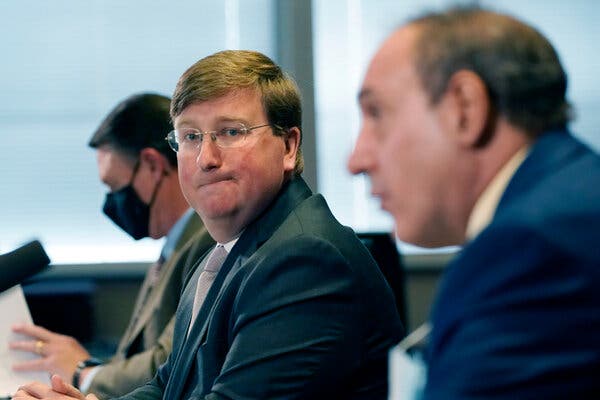
The good news: There are more shots available. The challenge is getting people to take them.When it comes to getting the coronavirus vaccine, Mississippi residents have an abundance of options. On Thursday, there were more than 73,000 slots to be had on the state’s scheduling website, up from 68,000 on Tuesday.In some ways, the growing glut of appointments in Mississippi is something to celebrate: It reflects the mounting supplies that have prompted states across the country to open up eligibility to anyone over 16.But public health experts say the pileup of unclaimed appointments in Mississippi exposes something more worrisome: the large number of people who are reluctant to get inoculated.“It’s time to do the heavy lifting needed to overcome the hesitancy we’re encountering,” said Dr. Obie McNair, an internal medicine practitioner in Jackson, the state capital, whose office has a plentiful supply of vaccines but not enough takers.Though access remains a problem in rural Mississippi, experts say that the state — one of the first to open eligibility to all adults three weeks ago — may be a harbinger of what much of the country will confront in the coming weeks, as increasing supplies enable most Americans who want the vaccine to easily make appointments.The hesitancy has national implications. Experts say between 70 percent to 90 percent of all Americans must be vaccinated for the country to reach herd immunity, the point at which the virus can no longer spread through the population.When it comes to rates of vaccination, Mississippi still has a way to go, with just a quarter of all residents having received at least one dose compared to the nationwide average of 33 percent, according to state data. Other southern states, among them Tennessee, Arkansas, Alabama and Georgia, have similarly low rates of vaccination.A closer look at Mississippi’s demographics explains why hesitancy may be especially pronounced.The state reliably votes Republican, a group that remains highly skeptical of the coronavirus vaccine. Nearly half of all Republican men and 40 percent of Republicans over all have said they do not plan to get vaccinated, according to several recent surveys. Those figures have barely budged in the months since vaccines first became available. By contrast, just 4 percent of Democrats have said they will not get the vaccine.Another factor in the state’s low vaccination rate may be Mississippi’s large Black community, which comprises 38 percent of the state’s population but accounts for 31 percent of the doses administered, according to state data. Vaccine hesitancy remains somewhat high among African-Americans, though the doubts and distrust — tied largely to past government malfeasance like the notorious Tuskegee syphilis experiments — have markedly declined in recent months.According to a survey by the Kaiser Family Foundation released last week, about 55 percent of Black adults said they had been vaccinated or planned to be soon, up 14 percentage points from February, a rate that approaches those of Hispanics, at 61 percent, and whites, at 64 percent.Gov. Tate Reeves of Mississippi during a Covid briefing in February. “I feel much better waking up every day knowing that I have been vaccinated,” Governor Reeves said on Tuesday.Rogelio V. Solis/Associated PressA number of other heavily Republican states are also finding themselves with surfeits of doses. On Thursday, officials in Oklahoma, which has delivered at least one dose to 34 percent of its residents, announced they would open up eligibility to out-of-state residents, and in recent weeks, Republican governors in Ohio and Georgia voiced concern about the lackluster vaccine demand among their residents.Tim Callaghan, an assistant professor at the Texas A&M University School of Public Health and an expert on vaccine skepticism, said that more research was needed to divine the reasons behind Mississippi’s slackening vaccine demand but that states with large rural populations, Republican voters and African-Americans were likely to be the first to confront the problem. “If you’re looking to see vaccine hesitancy to emerge, it’s going to be in red states like Mississippi,” he said.Mississippi officials are well aware of the challenge. On Tuesday, Gov. Tate Reeves held a news conference with a panel of medical experts who sought to dispel some of the misinformation surrounding the vaccines. They tried to explain the vaccine development process, rebutted claims that the vaccine can cause miscarriages and recounted their own personal experiences after getting the shot.“I had about 18 hours of turbulence,” Governor Reeves said, describing the mild, flulike symptoms he had felt after his second injection. “But I was able to continue and move on and work, and I feel much better waking up every day knowing that I have been vaccinated.”Access is still a challenge in swaths of rural Mississippi, especially among African-Americans who live far from the drive-through vaccination sites in urban areas that account for roughly half the doses administered by the state. The scheduling system has also proved frustrating for the poor and for older people, who often lack internet access to book appointments or the transportation to get them to distant vaccination sites.“We’ve got to take the vaccines to the people, to pop-up locations that don’t require internet or registration in advance,” said Pam Chatman, the founder of Boss Lady Workforce Transportation, a system of minivans that has been ferrying residents in the Mississippi Delta to mass vaccination locations.Demand among African-Americans was still robust, she said, noting long lines that formed this week outside a tent in Indianola, a small city in the Delta, where the single-dose Johnson & Johnson vaccine was being offered. (The tents offering the Pfizer and Moderna vaccines, which require two doses, were nearly empty.)But hesitancy is rife. Dr. Vernon Rayford, an internal medicine doctor in Tupelo, said he had been frustrated by patients who offered up a variety of reasons for rejecting the vaccine. They claim it will give them Covid-19 or render them infertile, and they worry about unknown repercussions that might emerge decades down the road. “I’ve heard some really wacky theories,” he said.A drive-through vaccination site on the campus of Delta State University in Cleveland, Miss., last month.Rory Doyle for The New York TimesDr. Rayford, who sees patients of all races, said he had discerned subtle differences in the skepticism: African-Americans voice mistrust of the health care system, while whites express a more amorphous distrust of government. “It’s like that line from ‘Anna Karenina,’” he said. “‘All happy families are alike; each unhappy family is unhappy in its own way.’”Dr. Brian Castrucci, president of the de Beaumont Foundation, which focuses on public health, has been working on ways to allay such fears. Dr. Castrucci, an epidemiologist, is especially worried about young conservatives, ages 18 to 34; he cited a recent survey that found that 55 percent of college-educated Republican women under age 49 would not get vaccinated.“Its polls like these that keep me awake at night,” he said.The biggest obstacles to greater vaccine acceptance, he said, are the misinformation that flourishes on social media and the mixed messaging from Republican governors that leave people confused.“By relaxing Covid restrictions, elected leaders in states like Florida, Mississippi, Texas and Georgia are pushing narratives about coronavirus that are working against a narrative that promotes the urgency of vaccinations,” he said. “And unfortunately, our vaccine campaigns are being undone late at night by Facebook and Twitter and Instagram.”Until now, Mississippi health officials have been focusing much of their vaccine hesitancy efforts on African-American and Hispanic residents through partnerships with churches and health clinics. Governor Reeves, a Republican, has so far declined to single out skepticism among white conservatives in the state, but health officials said they were planning to address the problem through Facebook and Zoom meetings with local organizations.Public health experts say what’s needed are well-crafted messages delivered by doctors, religious leaders and other figures who are trusted in a particular community. Dr. Thomas Friedan, a former director of the Centers for Disease Control and Prevention who took part in a focus group with vaccine-hesitant Trump voters that was organized last month by the de Beaumont Foundation, said participants wanted their fears acknowledged, and they craved factual information without being lectured or belittled. “There isn’t one right way to communicate about vaccines, but you need multiple messages with multiple messengers,” said Dr. Friedan, who leads the health advocacy group Resolve to Save Lives. “And people don’t want to hear from politicians.”

Read more →

Even 'safe' ambient carbon monoxide levels may harm health, study finds

Data collected from 337 cities across 18 countries show that even slight increases in ambient carbon monoxide levels from automobiles and other sources are associated with increased mortality.
A scientific team led by Yale School of Public Health Assistant Professor Kai Chen analyzed data, including a total of 40 million deaths from 1979 to 2016, and ran it through a statistical model. The research, published today in The Lancet Planetary Health, also found that even short-term exposure to ambient carbon monoxide (CO) — at levels below the current air quality guidelines and considered safe — had an association with increased mortality.
Overall, a 1 mg/m³ increase in the average CO concentration of the previous day was associated with a 0.91% increase in daily total mortality, the study found. This suggests considerable public health benefits could be achieved by reducing ambient CO concentrations through stricter control of traffic emissions and other measures.
Chen and colleagues also discovered that the exposure-response curve was steeper at daily CO levels lower than 1 mg/m³, indicating greater risk of mortality per increment in CO exposure, and this persisted at daily concentrations as low as 0.6 mg/m³ or less. The findings reveal that there is no evidence for a threshold value below which exposure to ambient CO can be considered “safe.”
The U.S. National Ambient Air Quality Standard for ambient CO (approximately 7 mg/m³ for the daily average) was established in 1971 and has not been revisited for the past five decades. The same air quality guideline for CO has been applied in other regions such as Europe, whereas a lower value of 4 mg/m³ was established as China’s air quality standard.
The study’s findings strongly suggest the need to revisit global and national air quality guidelines for CO and, in addition to single-pollutant standards, policies should also be expanded to address traffic-related air pollution mixtures.
“These findings have significant public health implications,” Chen said. “Millions and millions of people live in environments with elevated CO levels and in environments where the CO levels are within the current guidelines considered ‘safe range.'”
The international study is believed to be the largest epidemiological investigation on mortality and short-term CO exposure. Professor Michelle Bell of the Yale School of the Environment is a co-author of the paper.
Chen collaborated with 37 other scientists from the Multi-Country Multi-City (MCC) Collaborative Research Network. The senior authors of this paper are Alexandra Schneider of the Helmholtz Zentrum München in Munich, Germany, and Antonio Gasparrini of the London School of Hygiene & Tropical Medicine.
Story Source:
Materials provided by Yale University. Original written by Michael Greenwood. Note: Content may be edited for style and length.

Read more →

Brazil at high risk of dengue outbreaks after droughts because of temporary water storage

Dengue risk is exacerbated in highly populated areas of Brazil after extreme drought because of improvised water containers housing mosquitoes, suggests a new study in Lancet Planetary Health.
The research was led by the London School of Hygiene & Tropical Medicine’s (LSHTM) Centre on Climate Change & Planetary Health and Centre for the Mathematical Modelling of Infectious Diseases. Using advanced statistical modelling techniques, the team predicted the timing and intensity of dengue risk in Brazil from extreme weather patterns.
The risk of dengue was high in urban areas three to five months after extreme drought. Extremely wet conditions increased dengue risk in the same month and up to three months later. In rural areas, dengue risk was more readily associated with very wet conditions.
Dengue fever is caused by a virus carried by mosquitoes and is considered one of the top ten threats to global health. Brazil has the greatest number of dengue cases in the world, reporting more than two million cases of dengue in 2019 alone.
Increasing levels of severe droughts and flooding episodes due to climate change has led to interruptions in water supply networks in Brazil. The improvised water storage containers used to combat this have become breeding grounds for mosquitoes.
Dr Rachel Lowe from LSHTM who led the study, said: “The dengue situation in Brazil is extremely concerning. Our work highlights that risk is not only related to extreme weather, but also linked to water management systems and human behaviour in densely populated urban areas.”
In Brazil, large dengue outbreaks are typically observed after wet and warm periods and most interventions are targeted at these times. No studies have previously determined exact timeframes for dengue outbreaks following extreme weather events like droughts and floods across a large and diverse geographical area, although this work confirms initial findings from Barbados.
In this new study, the team combined dengue case data in 558 regions of Brazil between January 2001 and 2019, with information on droughts and wet conditions to assess the dengue risk differences in urban and rural areas.
The results suggest dengue interventions should be timed appropriately in poorly serviced urban areas and not only implemented during the wet and warm season.
In the short term, these include eliminating breeding sites around the home to prevent additional mosquito larval habitats during drought periods. During wet periods, outdoor water storage containers should be well covered and maintained, and discarded waste should be cleared to avoid collecting water.
Dr Lowe said: “It’s imperative that governments invest in local infrastructure to ensure permanent water supply and promote better environmental hygiene in areas prone to epidemics of mosquito-borne diseases.”
The study carries some limitations as the dengue data was obtained from the passive surveillance system, where only a fraction of cases are laboratory confirmed and mild or asymptomatic cases are not accounted for.
Story Source:
Materials provided by London School of Hygiene & Tropical Medicine. Note: Content may be edited for style and length.

Read more →

Sunlight linked with lower COVID-19 deaths, study shows

Sunnier areas are associated with fewer deaths from Covid-19, an observational study suggests.
Increased exposure to the sun’s rays — specifically UVA — could act as a simple public health intervention if further research establishes it causes a reduction in mortality rates, experts say.
Researchers from the University of Edinburgh compared all recorded deaths from Covid-19 in the continental US from January to April 2020 with UV levels for 2,474 US counties for the same time period.
The study found that people living in areas with the highest level of exposure to UVA rays — which makes up 95 per cent of the sun’s UV light — had a lower risk of dying from Covid-19 compared with those with lower levels. The analysis was repeated in England and Italy with the same results.
The researchers took into account factors known to be associated with increased exposure to the virus and risk of death such as age, ethnicity, socioeconomic status, population density, air pollution, temperature and levels of infection in local areas.
The observed reduction in risk of death from Covid-19 could not be explained by higher levels of vitamin D, the experts said. Only areas, with insufficient levels of UVB to produce significant vitamin D in the body, were included in the study.
One explanation for the lower number of deaths, which the researchers are following up, is that sunlight exposure causes the skin to release nitric oxide. This may reduce the ability of SARS Coronavirus2 — the cause of Covid-19 — to replicate, as has been found in some lab studies.
Previous research from the same group has shown that increased sunlight exposure is linked to improved cardiovascular health, with lower blood pressure and fewer heart attacks. As heart disease is a known risk factor in dying from Covid-19, this could also explain the latest findings.
The team say due to the observational nature of the study it is not possible to establish cause and effect. However, it may lead to interventions that could be tested as potential treatments.
The paper has been published in the British Journal of Dermatology, an official publication of the British Association of Dermatologists.
Dr Richard Weller, corresponding author, consultant dermatologist and Reader at the University of Edinburgh, said: “There is still so much we don’t understand about Covid-19, which has resulted in so many deaths worldwide. These early results open up sunlight exposure as one way of potentially reducing the risk of death.”
Professor Chris Dibben, Chair in Health Geography at the University of Edinburgh and Co-author said: “The relationship between Covid-19 mortality, season and latitude has been quite striking, here we offer an alternative explanation for this phenomenon.”
Story Source:
Materials provided by University of Edinburgh. Note: Content may be edited for style and length.

Read more →

Leisure physical activity is linked with health benefits but work activity is not

The first large study showing that leisure time physical activity and occupational physical activity have opposite, and independent, associations with cardiovascular disease risk and longevity is published today in European Heart Journal, a journal of the European Society of Cardiology (ESC).
“We adjusted for multiple factors in our analysis, indicating that the relationships were not explained by lifestyle, health conditions or socioeconomic status,” said study author Professor Andreas Holtermann of the National Research Centre for the Working Environment, Copenhagen, Denmark.
The World Health Organization (WHO) recommends physical activity during both recreation and work to improve health.* Previous studies have suggested that occupational activity is related to an increased risk for heart disease and mortality but have been too small to fully explain whether this was due to the manual work or because employees had unhealthy lifestyles or low socioeconomic status (e.g. low level of education).
This study included 104,046 women and men aged 20-100 years from the Copenhagen General Population Study with baseline measurements in 2003-2014. Participants completed questionnaires about activity during leisure and employment and were categorised as low, moderate, high, or very high activity for each.
During a median follow-up of 10 years, there were 9,846 (9.5%) deaths from all causes and 7,913 (7.6%) major adverse cardiovascular events (MACE, defined as fatal and nonfatal myocardial infarction, fatal and non-fatal stroke, and other coronary death).
Compared to low leisure time physical activity, after adjustment for age, sex, lifestyle, health, and education, moderate, high, and very high activity were associated with 26%, 41%, and 40% reduced risks of early death, respectively. In contrast, compared to low work activity, high and very high activity were associated with 13% and 27% increased risks of death, respectively.

Read more →

Lockdown easing: What to watch for when you’re out and about

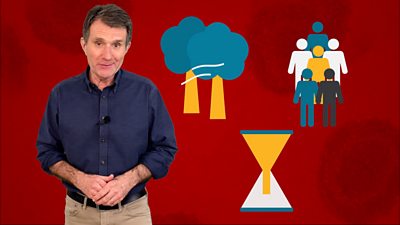
From 12 April people in England will be able to visit shops, gyms and hairdressers, as well as the outdoor spaces of pubs and restaurants.So with the next stages of lockdown easing on the horizon, how can you keep yourself and others safe from transmitting coronavirus in these new locations?The BBC’s science editor David Shukman explains the risks and what to look out for.Producers: Aisha Doherty and Kate StephensGraphics: Mel Lou

Read more →

'I was told my BMI wasn't low enough to get help'

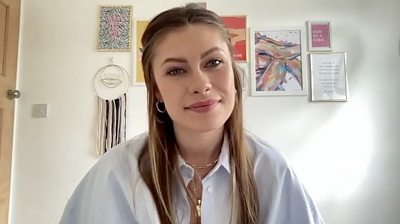
Victoria Spence, an influencer and life coach from Manchester, told the BBC she fell into a “deep, dark hole” about her body image as a teenager, leading to her developing an eating disorder. But when her parents tried to seek help, her doctor told her that her Body Mass Index (BMI) wasn’t low enough for treatment.A report released by the women and equalities committee has called for the BMI to be scrapped altogether. Victoria, who is now 26, shares her experiences with her disorder, and her path to recovery on social media, with the BBC.

Read more →

COVID-19 causes 'unexpected' cellular response in the lungs, research finds

New insights into the immune response to SARS-CoV-2 infections could bring better treatments for COVID-19 cases.
An international team of researchers unexpectedly found that a biochemical pathway, known as the immune complement system, is triggered in lung cells by the virus, which might explain why the disease is so difficult to treat. The research is published this week in the journal Science Immunology.
The researchers propose that the pairing of antiviral drugs with drugs that inhibit this process may be more effective. Using an in vitro model using human lung cells, they found that the antiviral drug Remdesivir, in combination with the drug Ruxolitinib, inhibited this complement response.
This is despite recent evidence that trials of using Ruxolitinib alone to treat COVID-19 have not been promising.
To identify possible drug targets, Majid Kazemian, assistant professor in the departments of computer science and biochemistry at Purdue University, said the research team examined more than 1,600 previously FDA-approved drugs with known targets.
“We looked at the genes that are up-regulated by COVID-19 but down-regulated by specific drugs, and Ruxolitinib was the top drug with that property,” he said.

Read more →

Need to Dust Off Your Social Skills?

After a year of virtual gathering, getting back to real-life relationships can be intimidating. These eight simple exercises can help.As we move through the spring of The Great Vaccination, many of us are feeling cautious optimism, and also its flip side: creeping dread.Maybe you have a sense of ambivalence about how to interact with others again. If you used to work in an office, you might be worried about returning to work — but eager to see people again. Or you find yourself having to confront a neighbor about a longstanding problem — but you’re out of practice with conflict resolution. (I’m not sure I remember how to talk to another human anymore, let alone one I disagree with.)Whatever the specifics, “there will be new forms of social anxiety, said Dacher Keltner, a professor of psychology and the director of the Social Interaction Lab at the University of California, Berkeley.“People are really anxious about being out in restaurants with friends, or about dancing with a big sweaty group of people — or even about sharing a yoga mat,” he said. “It’s always good to remember individual differences — there’s a lot of variability. But there will be a lasting societal legacy around intimacy, the noise that comes with returning to school, the complexity of the playground and of work.”Dr. Keltner has studied human behavior and the biological and evolutionary underpinnings of emotions for decades, with a focus on “pro-social” states — behavior that strengthens connections between individuals — that are especially good for society.“We’re hyper-social mammals — it’s our most signature strength,” said Dr. Keltner, a co-founder of the Greater Good Science Center who was also a scientific consultant on emotions for the Pixar film “Inside Out.” “It’s what sets us apart from other primates: We help, we laugh, we collaborate, we assist.”Lately, we’ve been living our lives siloed away online, missing many of the essential face-to-face experiences that are key to human interaction. It’s notable that Dr. Vivek Murthy, the newly reappointed U.S. Surgeon General, has talked not only about the physical and economic toll of the pandemic, but also of “the social recession.”Before Covid, this kind of post-isolation anxiety was most often suffered by people who re-enter the civilian world after prison, wartime deployment, humanitarian aid work or remote expeditions. The challenge now is that so many more of us will be experiencing some aspect of this all at once, and coming back to social situations with others who likely have their own fears too. It is stalled social development, on a societal level.Debra Kaysen, a clinical psychologist and a professor of psychiatry and behavioral sciences at Stanford University, said that coming back to so-called “civilian life” can be disorienting, surreal and difficult — and not just for combat veterans. Her clinical and research work focuses on anxiety disorders and trauma, and she has worked on developing coping strategies for health care workers dealing with mental health concerns during the pandemic.Now, everyone is trying to navigate conflicting threat levels in a way that used to be specific to those populations, she said. Cues that used to be neutral or positive, like being around other people (I love my friends and family!) are now associated with threat (my friends and family might infect me with Covid!). And we are confronting the challenge of how to turn off that alarm. “What’s a true alarm and what’s a false alarm has gotten more confusing for all of us,” Dr. Kaysen said.So how do we relearn how to be together?Give yourself permission to set small, achievable goals. And accept that other people are going to have different responses than you — the friend or family member who wants to eat inside the restaurant when you don’t, for example, or who is ready to get on a plane and take a vacation.Accept that certain activities may feel tough for awhile. Driving an hour to a meeting. Flying a red-eye to a conference. Attending a family reunion, say, or four pandemic-postponed weddings in one month.All of this can prompt you to ask, of your family or your boss or even yourself: “Is it really worth the time?” and “Now that I know things can be different, do I want to go back to my old life?”Recovering doesn’t mean you go back to the way you were before, Dr. Kaysen said, using kintsugi, the Japanese technique of repairing broken pottery with gold, as an analogy for coming out of hard times with awareness of the change, and stronger than before. “It’s that you create a new normal, one that’s functional and beautiful — and different.”Dr. Keltner agreed that we may need to “re-educate ourselves” — “like, how do we hug again?” Your timing might be off for a hug, or a joke or even a compliment. “How do you look someone in the eye so that it’s not intrusive? How do you compliment someone? You might not have done it for a year.”Rather than be overwhelmed by everything at once — for example, going to a party where you have to adjust to greeting acquaintances, eating with others and attempting to make small talk — all at the same time — why not take things step by step? This moment can be an opportunity.8 Exercises to Strengthen Your Social MusclesHere are eight small, science-based exercises Dr. Keltner recommends to help ease back into your community. Go at your own pace.Share food with someone.Eating a meal together boosts mood and is a potent antidote for loneliness — aiming for in-person interaction around the ritual of eating is a great goal, even if you don’t meet it every single day. An outdoor picnic or a distanced backyard happy hour is a great and safe option for reconnecting with friends and family.Tell someone a joke in person.You may be out of practice and have to work on your timing. But making eye contact and laughing together is essential to feeling connected to someone else — even if the joke falls flat, being silly together will feel really good.Ask someone what they’re listening to or reading right now.Music and literature can be a community-building gift. Listen to music together; exchange books and have an in-person discussion afterward. This is a social exercise, but also one that will give you a much-needed hit of novelty along with the insight.Reach out to someone you’ve lost touch with.Make a phone call, send a meaningful text, write an email. It’s time to start rebuilding the larger social infrastructure outside our immediate circles.Strike up a conversation with a stranger.Pick someone with whom you have passing contact: a fellow dog-walker, the cashier at a grocery store, a delivery person on your doorstep. Make eye contact; talk to each of them as a person rather than as a function. It’s so easy to ignore the human behind a mask. Make the effort to ask something outside the normal transaction — what’s changed since the last time you saw each other, what they’re looking forward to.Move with someone.Dance, walk, run, swim, bike — or even do the dishes and fold the laundry together. Physical synchronicity is one of the most important ways we have to connect with someone else.Sit quietly with someone …and remember how to comfortably be, without talking, in companionable silence, with someone else. Let the other person know it’s OK to not always fill the air. Nonverbal communication is important to practice — and it’s a way to deepen your relationship.Make a date for the future.Think of something fun to do with someone you love — it could be a summer beach weekend, or maybe a ski trip next winter. Having something to look forward to is essential for well-being. Practice optimism, in anticipation of normalcy. Plan with hope.Bonnie Tsui’s books include “Why We Swim” and “The Uncertain Sea.”

Read more →