Don’t Mistake Silent Endurance for Resilience

In powering through discomfort, I became inured to it — until I figured out how to acknowledge what I actually wanted.This article is part of a series on resilience in troubled times — what we can learn about it from history and personal experiences.“You are miserable,” my boss said, as I murmured in faint protest. “Every day you come in here with that grumpy face, and you make me look at it.” Despite the harsh words, her tone was laced with love and concern. And she was right: The job was not a fit.I was a talent agent at a huge Hollywood agency in my 20s, representing emerging comedy actors. My role was to make my clients’ dreams come true. I loved that part — spotting talent, and getting them started on their journeys to fame and fortune — and I’m certain they would tell you now that I was good at it. But that was the only part that worked for me.I didn’t enjoy the stuff that was supposed to be fun. One partner noticed I was spending too little on my expenses, instead of schmoozing. After a movie premiere, I got a talking-to for going straight to my seat instead of walking the red carpet with the cast, a ritual that made me want to evaporate, every time.“There are parts of the job you clearly find icky,” my boss continued, as she watched me curl into a nauseated ball on her love seat. “But you have to think about whether you can tolerate them, in order to enjoy the parts you like.”Mental health professionals like to say that we’re all floating around the world like little rubber bands: We encounter a challenge, which makes us stretch, grow and bounce back. That’s how resilience is meant to work.But that all assumes that hard times end. What if there’s always something else? What if you go through a year as relentless as this last one has been for so many of us: illness, death, home-schooling, job losses, systems crumbling left and right? An entire year of hobbling around with two flat tires but only one spare, praying for an uneventful day or two, until the next tire blows?What happens is that you get used to it — something with which I am all too familiar. Tolerating things I didn’t enjoy was, for a long time, my superpower, one I had cultivated after an eventful childhood. By many metrics my upbringing was blissful: boundless love, laughter, globe-trotting adventures. But I also know change and trauma, having moved over 30 times over three decades, across a childhood punctuated by dramatic loss, including violent conflict in my homeland, Kashmir, and the death of my beloved grandfather. My little rubber band eventually settled, taut and brittle, seemingly forever. In powering through the discomfort of constant change, I became inured to it.Resilience without any waning period, turned into endurance, and I became adept at snuffing out my own vulnerability and discomfort before I even felt it. I grew into someone who could live anywhere, befriend anyone, be anyone, do anything — the harder, the better.And it was these exact qualities that garnered praise. “You don’t have to worry about her,” people told my parents, and everyone swelled with pride. If no one understood me, I’d learn a new language. If my accent was a barrier, then — poof! — all of a sudden, I sounded American. If my bank balance was negative $900 one month, I’d figure out how to reverse it.I chased the high of conquering things that seemed impossible, which led me to the entertainment industry. Cracking the codes to its impenetrable world made me think I was winning, then thriving, until those conversations with my boss began to shatter that perception. I realized I had a dream job — it just wasn’t mine.When she suggested that I could be happier, that I could envision the right life for me and go get it, my mind was blank. I had been ignoring my feelings in favor of crossing off the next goal, through college, law school, a prestigious job. My itinerant childhood wired me to pursue stability above all, but what were my dreams? “Don’t you want to write some books, maybe have a couple kids?” she said, casually, and I froze. It sounded perfect. But the idea of actively seeking happiness was terrifying. What if I failed?I had spent so long buffeted by the waves of external events that once they went quiet I didn’t know what to do. Technically, a lifetime of endurance had convinced that me I was so tough that I could handle anything. But I didn’t want to. So for the first time, I allowed myself to say so. I didn’t know if there was a professional pursuit that might make me happier, but that one was worth seeking.I knew only that my true love was reading, and writers. I knew words on a page made me happy, and I went looking for more of that feeling. The joy I felt discussing ideas, helping mold those ideas into a script, then onscreen, became my new pursuit. It suddenly felt so silly, so luxurious, not to be in pure survival mode — to have made the space to think about what was good for me.I got into producing, and had a baby. But soon I felt that old dissatisfaction creep in again, the one that I was making other people’s dreams come true but not my own. And this time I trusted my feelings enough not to ignore them. This wasn’t the kind of challenge I was meant to power through; it was one that called for looking clearly within myself. The pleasure I derived from work had successfully chipped away at the hard shell of my endurance, and let happiness into the cracks, shining a light on the malaise nudging its way out. But still, I couldn’t admit what I wanted.So I spent some time flailing about, groaning, wishing out loud that the world — someone, anyone — would tell me what to do next. After months of this charade, my husband, a professional writer, steered me into listing five people whose careers I admired. That was easy. “They’re all writers,” he said. “Do you think that means anything?”Reading brought me such transcendent joy, who was I to think I might bring that same joy to other people? It seemed insane, at the time, like deciding to be God. I just couldn’t. “Of course you could,” he said. And the new me, the one who was learning that life could be celebrated rather than just tolerated, decided to try.So I wrote and wrote, thinking: if it’s bad, no one will ever see it; if it’s good, it might change my life. I started with a lot of disjointed, maudlin blog entries. As they became less terrible, I pitched and wrote an advice column for people wanting to break into entertainment. I wrote a short film, funded by my last producing paycheck, and shot it in our home. That got me an agent, and sold my first TV show, and kicked off a screenwriting career. Last year, during the pandemic, I wrote some essays. Those essays allowed me to sell the book I’m writing now.Ever an immigrant, it’s still difficult for me to say out loud that my dreams are taking shape, without my old self disassociating. “Are you insane? If you talk about it, it’ll all crumble away!” the disassociated me screams, even now. She’s maddening, but I ignore her. I have finally figured out what is good for me: to sit in a sunny room, by myself, typing these words. No pushy colleagues. No schmoozing. No stiff upper lip, while I wait for a happier time that might never come.And I’m still tough; this last year has reminded me of that. But my rubber band hasn’t snapped or frayed. I know it’s not stuck, and this won’t last forever. I have some other settings now: content, delighted, disappointed, anxious. One might even call them feelings. Feelings I’m marinating in as I write this book. If it works, it might change my life. If it doesn’t? Well, I’ll bounce back.Priyanka Mattoo is a Los Angeles-based writer and filmmaker. She is working on “Sixteen Kitchens,” a memoir-in-essays from Knopf.

Read more →
Muchos niños con síndrome inflamatorio grave tuvieron covid, pero no lo sabían

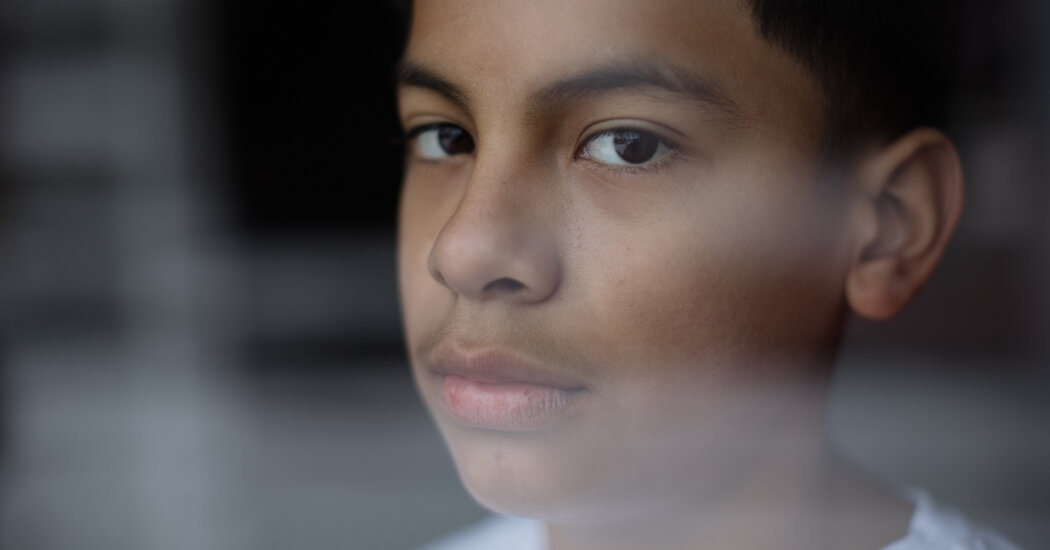
El síndrome MIS-C puede afectar a los menores semanas después de infectarse con el coronavirus. Los expertos, tras publicarse el mayor estudio realizado en Estados Unidos sobre la afección, recomiendan a los pediatras estar atentos.Muchos niños y adolescentes que desarrollaron el misterioso síndrome inflamatorio que puede manifestarse varias semanas después de contraer el coronavirus nunca tuvieron los síntomas clásicos de COVID-19 al momento de su infección, según el estudio de casos más grande hasta ahora en Estados Unidos.El estudio, dirigido por investigadores de los Centros para el Control y la Prevención de Enfermedades (CDC, por su sigla en inglés), encontró que en más de 1000 casos en los que se disponía de información sobre si se habían enfermado por su COVID-19 inicial, el 75 por ciento de los pacientes no experimentaron tales síntomas. Sin embargo, de dos a cinco semanas después, se enfermaron lo suficiente como para ser hospitalizados por la afección, llamada síndrome inflamatorio multisistémico pediátrico (MIS-C, por su sigla en inglés), que puede afectar diversos órganos, especialmente el corazón.El estudio, publicado el 6 de abril en JAMA Pediatrics, afirmó que “se cree que la mayoría de las enfermedades MIS-C son el resultado de casos leves o asintomáticos de COVID-19” seguidos de una respuesta hiperinflamatoria que parece ocurrir cuando los cuerpos de los pacientes han producido su nivel máximo de anticuerpos contra el virus. Los expertos aún no saben por qué algunos jóvenes, y una cantidad menor de adultos, responden de esta manera.“Eso significa que los pediatras de atención primaria deben tener un alto índice de sospecha de esto porque la covid es muy frecuente en la sociedad y los niños a menudo tienen una enfermedad asintomática en su infección inicial de covid”, afirmó Jennifer Blumenthal, intensivista pediátrica y especialista en enfermedades infecciosas pediátricas del Hospital para Niños de Boston, quien no estuvo involucrada en el estudio.Los investigadores evaluaron 1733 de los 2090 casos del síndrome en personas de 20 años o menos que habían sido reportados a los CDC hasta enero.Los resultados muestran que, aunque el síndrome es poco común, puede ser grave. Los datos de los CDC solo incluyeron pacientes que fueron hospitalizados. Más del 90 por ciento de estas personas jóvenes experimentaron síntomas que involucraron al menos cuatro sistemas de órganos y el 58 por ciento necesitó tratamiento en unidades de cuidados intensivos.Muchos experimentaron problemas cardiacos importantes: más de la mitad desarrolló baja presión arterial, el 37 por ciento desarrolló choque cardiogénico y el 31 por ciento experimentó una disfunción cardiaca relacionada con la incapacidad del corazón para bombear de forma adecuada. El estudio afirmó que un porcentaje significativamente mayor de pacientes que no habían tenido síntomas de COVID-19 experimentaron estos problemas cardiacos, en comparación con aquellos que sí tuvieron síntomas iniciales de coronavirus. Un porcentaje mayor de pacientes que al principio fueron asintomáticos también terminaron en unidades de cuidados intensivos (UCI).“Incluso la gran mayoría de los niños con casos graves de MIS-C que estuvieron en la UCI, no tuvieron una enfermedad previa que pudieran reconocer”, afirmó Roberta DeBiasi, jefa del departamento de enfermedades infecciosas del Children’s National Hospital en Washington D. C., quien no participó en la investigación.El estudio proporcionó la imagen demográfica y geográfica más detallada del síndrome hasta la fecha. Alrededor del 34 por ciento de los pacientes eran negros y el 37 por ciento eran hispanos, lo que refleja la forma en que el coronavirus ha afectado desproporcionadamente a los miembros de esas comunidades. A medida que avanzaba la pandemia, escribieron los autores, aumentó la proporción de pacientes de raza blanca, que representaban el 20 por ciento de todos los casos. Las personas de origen asiático representaban poco más del uno por ciento de los pacientes.En general, casi el 58 por ciento de los pacientes eran hombres, pero la proporción no era la misma en todas las edades. En el grupo más joven —recién nacidos hasta los 4 años— el número de niños y niñas era prácticamente igual, y la proporción entre hombres y mujeres aumentaba en los grupos de mayor edad hasta que la proporción llegaba a más de dos en el grupo de 18 a 20 años.La gran mayoría de los pacientes (casi el 86 por ciento) eran menores de 15 años. El estudio reveló que los menores de 5 años tuvieron el menor riesgo de desarrollar complicaciones cardiacas graves y fueron menos propensos a necesitar cuidados intensivos. Los pacientes de 10 años o más tuvieron una probabilidad mucho mayor de desarrollar problemas como choque cardiogénico, presión arterial baja y miocarditis (inflamación del músculo cardiaco).“Creo que es parecido a lo que vimos con la covid, donde los niños mayores parecían tener enfermedades más graves”, dijo DeBiasi. “Y eso se debe a que lo que en realidad enferma a las personas de la covid es su aspecto inflamatorio, así que quizás estos niños mayores, por diversas razones, produjeron más inflamación en la covid inicial o en el MIS-C”.Aun así, un número significativo de los pacientes más jóvenes desarrollaron problemas cardiacos. En el grupo entre recién nacidos hasta niños de 4 años, el 36 por ciento tuvo baja presión arterial, 25 por ciento tuvo choque cardiogénico y el 44 por ciento recibió tratamiento en la UCI.Pacientes de todas las edades en el estudio experimentaron casi la misma incidencia de algunos de los problemas cardiacos menos comunes relacionados con el síndrome, como aneurismas coronarios y acumulación de líquido. Los niños de 14 años o menos fueron más propensos a tener sarpullido y enrojecimiento de los ojos, mientras que los mayores de 14 tuvieron mayores probabilidades de desarrollar dolor en el pecho, dificultad para respirar y tos. Cerca de dos tercios de todos los pacientes se vieron afectados por dolores abdominales y vómito.Se registraron 24 muertes, repartidas en todos los grupos de edad. No hubo información en el estudio sobre si los pacientes tenían afecciones médicas subyacentes, pero los médicos e investigadores informaron que las personas jóvenes con MIS-C por lo general estuvieron previamente sanas y tenían muchas más probabilidades de estar sanas que el número relativamente pequeño de jóvenes que padecieron enfermedades graves de las infecciones iniciales de covid.De los 1075 pacientes de los que se tenía información sobre la enfermedad de covid inicial, solo 265 mostraron síntomas en ese momento. Eran más propensos a ser mayores: su edad promedio fue de 11 años, mientras que la edad promedio de aquellos con infecciones de covid asintomáticas fue de 8. Sin embargo, eso podría deberse a que “los niños más pequeños no pueden expresar sus preocupaciones con la misma eficiencia”, aseguró Blumenthal, quien coescribió una editorial sobre el estudio.“En realidad no sabemos si en efecto hay menos sintomatología en la población muy joven”, concluyó.Tampoco están claras las razones que subyacen al hallazgo del estudio de que en la primera oleada de MIS-C, del 1 de marzo al 1 de julio de 2020, los jóvenes eran más propensos a algunas de las complicaciones cardíacas más graves. DeBiasi dijo que eso no coincidía con la experiencia de su hospital, donde “los niños estaban más enfermos en la segunda ola”.El estudio documentó dos oleadas de casos de MIS-C que siguieron a los aumentos de los casos generales de coronavirus durante un mes o más. “El tercer pico más reciente de la pandemia de COVID-19 parece estar conduciendo a otro pico de MIS-C que quizá implique a comunidades urbanas y rurales”, escribieron los autores.El estudio descubrió que la mayoría de los estados en los que la tasa de casos de MIS-C por población era más alta se encontraban en el noreste, donde se produjo el primer aumento de casos, y en el sur. Por el contrario, la mayoría de los estados con altas tasas de niños con COVID-19 por población, pero con bajas tasas de MIS-C, se encontraban en el Medio Oeste y el Oeste. Aunque la concentración de casos se extendió de las grandes ciudades a los pueblos más pequeños con el tiempo, no fue tan pronunciada como las tendencias generales de la pandemia, dijeron los autores.Blumenthal dijo que ese patrón geográfico podría reflejar que la “comprensión de las complicaciones de la enfermedad” no había alcanzado su prevalencia en las distintas regiones o que muchos estados con tasas más bajas de MIS-C tienen poblaciones menos diversas étnicamente. “También podría tratarse de algo relacionado con la propia covid, aunque no lo sabemos”, dijo. “En este momento, no sabemos nada sobre cómo las variantes afectan necesariamente a los niños”.El estudio representó solo los criterios más estrictos sobre MIS-C, al excluir unos 350 casos notificados que cumplían la definición del síndrome de los CDC pero tenían una prueba de anticuerpos negativa o presentaban principalmente síntomas respiratorios. DeBiasi dijo que también hay muchos casos probables de MIS-C que no se comunican a los CDC porque no cumplen todos los criterios oficiales.“Estos probables niños con MIS-C, en la vida real, son un montón de niños”, dijo. Además, aunque hasta ahora se ha centrado en los casos graves, “hay todo un grupo de niños que en realidad pueden tener MIS-C leve”.Si una comunidad ha experimentado un aumento reciente de coronavirus, entonces “solo porque el niño diga: ‘Nunca he tenido covid o mis padres nunca lo han tenido’, eso no significa que el niño que tienes delante no tenga MIS-C”, dijo DeBiasi. “Si tu ciudad tiene covid, prepárate”.Pam Belluck es una reportera de ciencia y salud cuyos galardones incluyen un Premio Pulitzer compartido en 2015 y el premio Nellie Bly a la mejor historia de primera plana. Es autora de Island Practice, un libro sobre un doctor peculiar. @PamBelluck

Read more →

Covid-19: G7 nations 'should finance global vaccine scheme' – Brown

SharecloseShare pageCopy linkAbout sharingimage copyrightGetty ImagesThe G7 group of wealthy nations must lead a “Herculean mobilisation” to push for global mass vaccination against Covid, former PM Gordon Brown has said.Writing in the Guardian, Mr Brown said £22bn was needed to ensure yearly vaccinations for lower income countries until Covid no longer claims lives.The next G7 summit is due to take place in the UK in June.The UK government said millions of doses had been sent to developing countries under the Covax scheme.The Covax programme, run by the World Health Organization (WHO) and other international groups, aims to ensure vaccines are shared fairly among all nations, rich and poor.The scheme is expected to provide enough jabs to cover more than a quarter of the developing world by the end of this year, but less than 1% of the population of sub-Saharan Africa has been immunised so far, Mr Brown said.”Immunising the west but only a fraction of the developing world is already fuelling allegations of ‘vaccine apartheid’, and will leave Covid-19 spreading, mutating and threatening the lives and livelihoods of us all for years to come,” he wrote.The G7 is made up of the UK, Canada, France, Germany, Italy, Japan, the US and the European Union.The scheme to share vaccines with other countriesG7 pledge billions for Covax vaccine schemeUK pledges surplus Covid vaccines to poorer nationsMr Brown said there was an urgent need for greater action and warned against “unpredictable funding” and “erratic patterns of giving”.”We need to spend now to save lives, and we need to spend tomorrow to carry on vaccinating each year until the disease no longer claims lives,” the former Labour leader said.Deliveries of vaccine supplies under the Covax programme started in February, but there have been criticisms that it has not moved quickly enough.So far, more than 38 million doses have been delivered to around 100 countries under the scheme.The WHO has criticised the “shocking imbalance” in the distribution of coronavirus vaccines between wealthier and poorer nations.Mr Brown said if G7 members commit to funding 60% of the vaccination fund, other wealthy countries will likely follow.The money needed is a “fraction of the trillions” the pandemic is costing, Mr Brown added.He said that if wealthy nations could mobilise the same moral force and urgency that inspired Live Aid in the 1980s and Make Poverty History in 2005, “we can end our reliance on the begging bowl” and establish global systems to deal with the pandemic.However, international aid commitments have been cut in the last year as economies struggle to recover from the impact of the pandemic.The UK government has come under fire for its decision to reduce foreign aid from 0.7% of national income to 0.5% – a move that would save about £4bn a year.A government spokesperson said: “We recognise this is a global crisis requiring global solutions, which is why the UK has been a leading donor to the Covax procurement pool for vaccines. “Millions of doses have been sent to developing countries through the Covax scheme already. With our G7 partners, we will intensify our cooperation on the health response to Covid-19, including the acceleration of global vaccine development and deployment.”COVID VACCINE: When can you get it?NEW VARIANTS: How worrying are they?FACE MASKS: When do I need to wear one?TESTING: How do I get a virus test?GLOBAL TRACKER: Where are the virus hotspots?

Read more →

Chinese official says local vaccines 'don't have high protection rates'

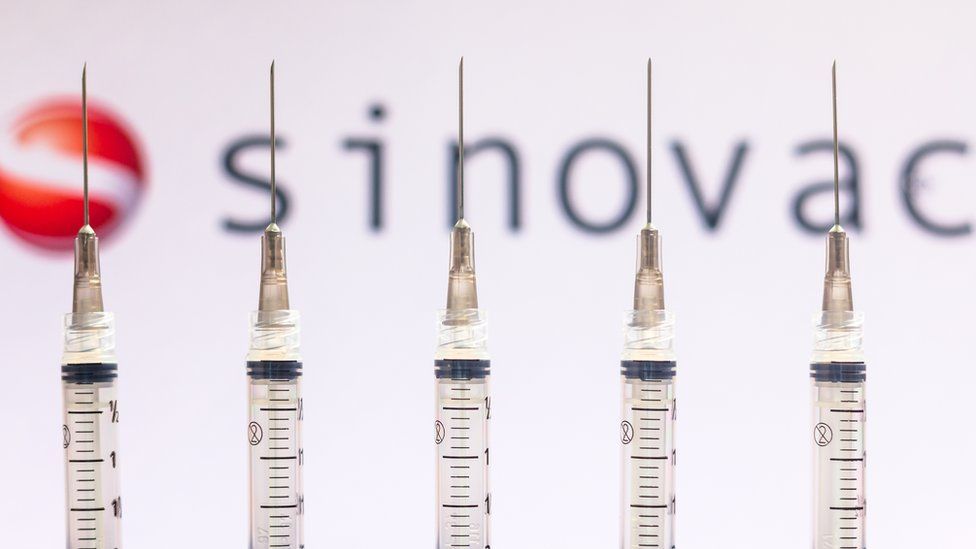
SharecloseShare pageCopy linkAbout sharingimage copyrightGetty ImagesChina’s top disease control official has said the efficacy of the country’s Covid vaccines is low, in a rare admission of weakness. In a press conference, Gao Fu added that China was considering mixing vaccines as a way of boosting efficacy. China has developed four different vaccines approved for public use, though some trials abroad had suggested efficacy as low as 50%. Mr Gao later said his comments had been misinterpreted. More than 100 million people in China have received at least one shot of the vaccine. Beijing insists the jabs are effective and said it will grant visas only to foreigners with a Chinese shot.What did Mr Gao say? Gao Fu, head of the Chinese Centres for Disease Control and Prevention, on Saturday said at a conference the current vaccines “don’t have very high rates of protection”.He suggested that the China was considering mixing Covid-19 vaccines, as a way of boosting efficacy. Mr Gao explained that steps to “optimise” the vaccine process could include changing the number of doses and the length of time. He also suggested combining different vaccines for the immunisation process. But he later appeared to backtrack on his comments, telling state media Global Times that “protection rates of all vaccines in the world are sometimes high, and sometimes low”. “How to improve their efficacy is a question that needs to be considered by scientists around the world,” he told the paper. He added that his earlier admission that Chinese vaccines had a low protection rate were a “complete misunderstanding”. Mr Gao’s original and later comments have been largely unreported by Chinese media. His original comments however, attracted some criticism on social media site Weibo, with commenters suggesting that he should “stop talking”. What do we know about Chinese vaccines?With little data released internationally, the effectiveness of the various Chinese vaccines has long been uncertain. China’s Sinovac vaccine for instance has shown in trials in Brazil to be only 50.4% effective, barely over the 50% threshold needed for regulatory approval by the World Health Organisation. What do we know about China’s Covid-19 vaccines?Covid-19: The disinformation tactics used by ChinaCoronavirus – what’s gone wrong in Brazil? Interim results from late-stage trials in Turkey and Indonesia however, have suggested the Sinovac shot to be between 91% and 65% effective. Western vaccines like the ones by BioNTech/Pfizer, Moderna or AstraZeneca all have an efficiency rate of around 90% or higher. How are they different from other vaccines? China’s vaccines though differ significantly from some vaccines, especially those developed by Pfizer and Moderna. Developed in a more traditional way, they are so-called inactivated vaccines which means they use killed viral particles to expose the immune system to the virus without risking a serious disease response.By comparison, the BioNtech/Pfizer and Moderna vaccines are mRNA vaccines. This means part of the coronavirus’ genetic code is injected into the body, training the immune system how to respond.The UK’s AstraZeneca vaccine is yet another type of vaccine where a version of a common cold virus from chimpanzees is modified to contain genetic material shared by the coronavirus. Once injected, it teaches the immune system how to fight the real virus.One significant advantage of the Chinese vaccines is that it can be stored in standard refrigerators at 2-8 degrees Celsius. Moderna’s vaccine needs to be stored at -20C and Pfizer’s vaccine at -70C.China is offering its vaccines around the world and has already shipped millions to countries from Indonesia, Turkey to Paraguay and Brazil.

Read more →

Personalized cancer vaccine deemed safe, shows potential benefit against cancer

A personalized cancer vaccine developed with the help of a Mount Sinai computational platform raised no safety concerns and showed potential benefit in patients with different cancers, including lung and bladder, that have a high risk of recurrence, according to results from an investigator-initiated phase I clinical trial presented during the virtual American Association for Cancer Research (AACR) Annual Meeting 2021.
“While immunotherapy has revolutionized the treatment of cancer, the vast majority of patients do not experience a significant clinical response with such treatments,” said study author Thomas Marron, MD, PhD, Assistant Director for Early Phase and Immunotherapy Trials at The Tisch Cancer Institute and Assistant Professor of Medicine (Hematology and Medical Oncology) at the Icahn School of Medicine at Mount Sinai. “Cancer vaccines, which typically combine tumor-specific targets that the immune system can learn to recognize and attack to prevent recurrence of cancer. The vaccine also contains an adjuvant that primes the immune system to maximize the efficacy.”
To generate the personalized cancer vaccine, Dr. Marron and colleagues sequenced each patient’s tumor and germline DNA and tumor RNA. They also identified the patient’s tumor-specific target to help predict whether the patient’s immune system would recognize the vaccine’s targets.
The Mount Sinai computational pipeline, called OpenVax, allows the researchers to identify and prioritize immunogenic targets to synthesize and incorporate into the vaccine.
Following any standard cancer treatment such as surgery for solid tumors or bone marrow transplant for multiple myeloma, patients received 10 doses of the personalized vaccine over a six-month period. The vaccine was given with the immunostimulant, or adjuvant, poly-ICLC, which is “a synthetic, stabilized, double-stranded RNA capable of activating multiple innate immune receptors, making it the optimal adjuvant for inducing immune responses against tumor neoantigens,” said study author Nina Bhardwaj, MD, PhD, Director of the Immunotherapy Program and the Ward-Coleman Chair in Cancer Research at The Tisch Cancer Institute at Mount Sinai.
“Most experimental personalized cancer vaccines are administered in the metastatic setting, but prior research indicates that immunotherapies tend to be more effective in patients who have less cancer spread,” said Dr. Bhardwaj. “We have therefore developed a neoantigen vaccine that is administered after standard-of-care adjuvant therapy, such as surgery in solid tumors and bone marrow transplant in multiple myeloma, when patients have minimal — typically microscopic — residual disease. Our results demonstrate that the OpenVax pipeline is a viable approach to generate a safe, personalized cancer vaccine, which could potentially be used to treat a range of tumor types.”
Before the vaccine, the trial participants statistically had a high chance of disease recurrence. Thirteen patients received the Mount Sinai team’s vaccine: 10 had solid tumor diagnoses and 3 had multiple myeloma.
After a mean follow-up of 880 days, four patients still had no evidence of cancer, four were receiving subsequent lines of therapy, four had died, and one chose not to continue the trial. The vaccine was well tolerated, with roughly one-third of patients developing minor injection-site reactions.
A phase 1 trial’s primary goal is to determine the safety of an experimental treatment, which was achieved in this trial. Researchers also saw early potential benefits of the vaccine after blood tests of one of the patients showed an immune response from the vaccine, and two other patients had robust response to immunotherapy afterward, results that are normal after being exposed to a cancer vaccine.

Read more →

New CAR T approach minimizes resistance, helps avoid relapse in non-Hodgkin's B-cell lymphoma

Early results from a new, pioneering chimeric antigen receptor (CAR) T cell immunotherapy trial led by researchers at the UCLA Jonsson Comprehensive Cancer Center found using a bilateral attack instead of the conventional single-target approach helps minimizes treatment resistance, resulting in long-lasting remission for people with non-Hodgkin’s B-cell lymphoma that has come back or has not responded to treatment.
The new approach, which will be presented at the American Association for Cancer Research Annual Meeting during one of the clinical oral plenary sessions, achieves a more robust defense and helps avoid relapse by simultaneously recognizing two targets — CD19 and CD20 — that are expressed on B-cell lymphoma.
In the small trial, four out of the five patients enrolled demonstrated a complete metabolic response, with minimal toxicity. While the median duration of the response, progression-free survival and overall survival endpoints have not yet been reached, the results are very promising.
“These responses are overall very impressive,” said lead author Sanaz Ghafouri, MD, a hematology/oncology fellow at the David Geffen School of Medicine at UCLA. “We are hopeful that dual targeting CD19/CD20 CARs in naïve memory T-cells will provide patients with relapsed or refractory aggressive B-cell lymphomas, that are otherwise chemotherapy-refractory, a chance at a possible cure or at the very least a lasting long-term remission.”
Patients diagnosed with relapsed or refractory B-cell lymphoma tend to have poor outcomes with second-line therapies. While CAR T cell therapy has been a game-changer for many people with this disease, recurrence is still a common phenomenon — approximately 50% of patients relapse by six months.
“One of the reasons CAR T cell therapy can stop working in patients is because the cancer cells escape from therapy by losing the antigen CD19, which is what the CAR T cells are engineered to target,” said Sarah Larson, MD, assistant professor of hematology/oncology at the David Geffen School of Medicine at UCLA and the principal investigator on the trial. “One way to keep the CAR T cells working is to have more than one antigen to target. So by using both CD19 and CD20, the thought is that it will be more effective and prevent the loss of the antigen, which is known as antigen escape, one of the common mechanisms of resistance.”
The patients enrolled in the trial all had measurable disease after either undergoing two or more lines of therapy for primary mediastinal B-cell lymphoma, or three or more lines of therapy for mantle cell lymphoma or follicular lymphoma. All patients had CD19/CD20 positive B-cell malignancy on tissue biopsies prior to the CAR T therapy.

Read more →

Immune-stimulating drug before surgery shows promise in early-stage pancreatic cancer

Giving early-stage pancreatic cancer patients a CD40 immune-stimulating drug helped jumpstart a T cell attack to the notoriously stubborn tumor microenvironment before surgery and other treatments, according to a new study from researchers in the Abramson Cancer Center (ACC) at the University of Pennsylvania. Changing the microenvironment from so-called T cell “poor” to T cell “rich” with a CD40 agonist earlier could help slow eventual progression of the disease and prevent cancer from spreading in more patients.
The data — which included 16 patients treated with the CD40 agonist selicrelumab — was presented today by Katelyn T. Byrne, PhD, an instructor of Medicine in the division of Hematology-Oncology in the Perelman School of Medicine at the University of Pennsylvania, during a plenary session at the American Association for Cancer Research annual meeting.
“Many patients with early-stage disease undergo surgery and adjuvant chemotherapy. But it’s often not enough to slow or stop the cancer,” Byrne said. “Our data supports the idea that you can do interventions up front to activate a targeted immune response at the tumor site — which was unheard of five years ago for pancreatic cancer — even before you take it out.”
The purpose of CD40 agonists is to help “push the gas” on the immune system both by activating antigen-presenting cells, such as dendritic cells, to “prime” T cells and by enhancing immune-independent destruction of the tumor site. The therapies have mostly been investigated in patients with metastatic pancreatic cancer patients in combination with other therapies, such as chemotherapy or other immunotherapies. This is the first time the drug has been shown to drive an immune response in early-stage patients both at the tumor site and systemically — which mirrors what researchers found in their mouse studies.
The phase 1b clinical trial was conducted at four sites, including the ACC, Fred Hutchinson Cancer Research Center at the University of Washington, Case Western Reserve University, and Johns Hopkins University.
Sixteen patients were treated with selicrelumab before surgery. Of those patients, 15 underwent surgery and received adjuvant chemotherapy and a CD40 agonist. Data collected from those patients’ tumors and responses were compared to data from controls (patients who did not receive the CD40 agonist before surgery) treated at Oregon Health and Science University and Dana Farber Cancer Institute.
Multiplex imaging of immune responses revealed major differences between the two groups. Eighty-two percent of tumors in patients who received the CD40 agonist before surgery were T-cell enriched, compared to 37 percent of untreated tumors and 23 percent chemotherapy or chemoradiation-treated tumors. Selicrelumab tumors also had less tumor-associated fibrosis (bundles of tissue that prevent T cells and traditional therapies from penetrating tumors), and antigen-presenting cells known as dendritic cells were more mature.
In the treatment group, disease-free survival was 13.8 months and median overall survival was 23.4 months, with eight patients alive at a median of 20 months after surgery.
“This is a first step in building a backbone for immunotherapy interventions in pancreatic cancer,” Byrne said.
Based on these findings, researchers are now investigating how other therapies combined with CD40 could help strengthen the immune response even further in pancreatic cancer patients before surgery.
“We’re starting to turn the tide,” said Robert H. Vonderheide, MD, DPhil, director of the ACC and senior author. “This latest study adds to growing evidence that therapies such as CD40 before surgery can trigger an immune response in patients, which is the biggest hurdle we’ve faced. We’re excited to see how the next-generation of CD40 trials will take us even closer to better treatments.”

Read more →

My Family’s Global Vaccine Journey

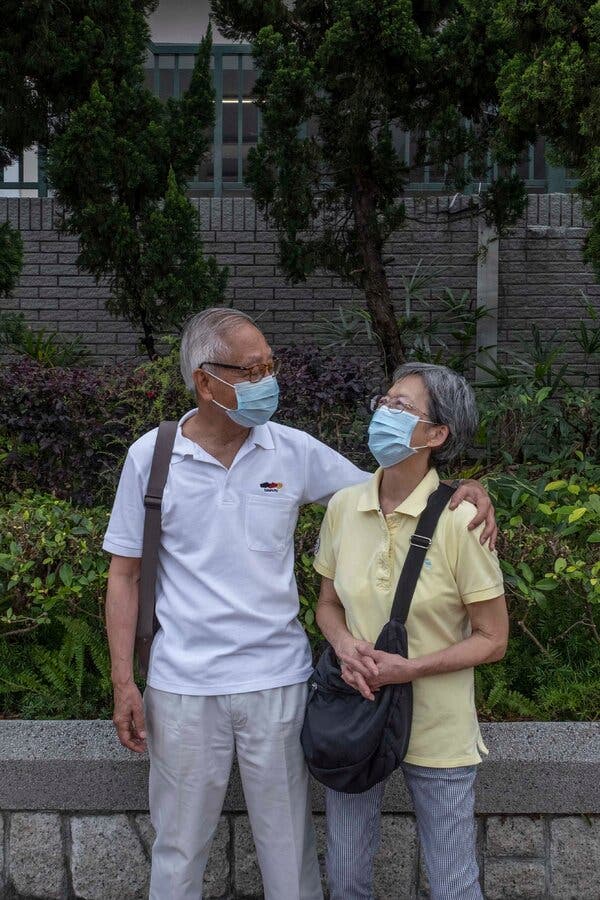
In early February, my sister posted a video in our family’s WhatsApp group.It was a seven-minute CNN report on Malawi, a country in East Africa that is one of the world’s poorest. Coronavirus vaccines were nowhere to be found in Malawi, the report said, because richer countries were hogging the supplies. The video focused on Queen Elizabeth Central Hospital in Blantyre, Malawi’s second-largest city, showing the strain the facility was under as it battled the virus. The hospital’s workers were tending to infected patients but had little prospect of getting vaccinated soon.My sister Pui-Ying, a pediatrician, was one of those unprotected workers.“Sorry to see this,” I texted back, lamely.Unwritten was a question: Would Pui-Ying, a frontline doctor who would have been vaccinated against Covid-19 months ago if she worked in the United States, be the last of my family to be inoculated?For more than a year, the pandemic has divided families around the world, with relatives unable to travel to see one another without fearing for their health, waiting out quarantines and navigating red tape. But even as vaccines become available, the hopes for reunions have been tempered by the higgledy-piggledy nature of the rollouts.Many families are at the mercy of a global game of vaccine geopolitics, as wealthier countries struggle to balance immunizing their own citizens against providing supplies to others. Some nations have no doses. Where there are supplies, there are also vaccine misinformation, technological hurdles and personal doubts about the efficacy and safety of vaccines.My family, spread across three continents, has been a microcosm of these forces. Our parents live in Hong Kong; Pui-Ying in Blantyre; and another sister, Pui Ling, and I in the San Francisco Bay Area. We are separated by many time zones and thousands of miles.My parents have worried about the safety of the vaccines, their anxiety fueled by a combination of media reports and their political views and health histories. Pui Ling and I have grumbled about our chaotic local vaccine situations, knowing that we would soon get our chance — even as Pui-Ying, who works in a two-room Covid ward for children, wondered if she would get any shot at all.Dr. Kate O’Brien, director of immunizations and vaccines at the World Health Organization, said that what my family faced was the result of a “very discoordinated and incoherent set of approaches, where every country was making decisions for their own context.” Many families — including her own — were grappling with the same inequities, she said.Once countries procure vaccines, they generally give priority access to the highest-risk groups, including health care workers and seniors. If that were the case with my family, Pui-Ying would be at the front of the line, along with Dad and Mom, who are in their mid-70s. Pui Ling, who works at a foundation, and I, a New York Times editor, would be at the back of the queue.That was not how it turned out.Hong KongAs Britain and the United States began administering vaccines in December, Mom and Dad surprised us. Maybe, they said during a WhatsApp video call, they wouldn’t get vaccinated. What if the shots were unsafe?I was shocked. The coronavirus had made it impossible for us to see one another in person. Hong Kong, a densely packed city of 7.5 million, had instituted strict travel and quarantine rules. In the United States, the pandemic was out of control. Vaccines held the key to freeing us from a year of stifling restrictions.And it wasn’t like my parents to fall for anti-vaccine conspiracy theories. What was I missing?They explained that their concerns were rooted in Mom’s medical history. She had once had a severe allergic reaction to medication (something that they hadn’t deemed important enough to tell us at the time). And they were closely following Chinese and Western media reports about people suffering health problems after getting vaccinated, even if it was unclear whether those were coincidences or actual reactions to the shots.I called Benjamin Cowling, the head of epidemiology and biostatistics at Hong Kong University. Vaccine hesitancy was widespread in Hong Kong, he said. In a January survey, 50 percent of respondents said they intended to get vaccinated, compared with 89 percent in China and 75 percent in the United States.The low numbers in part reflected Hong Kong’s success at containing the virus, Dr. Cowling said. Roughly one-tenth of 1 percent of the city’s population had received a Covid diagnosis. With the risk of infection seemingly small, people were in no hurry to be inoculated.Pui-Wing Tam’s parents in Hong Kong. They initially had concerns about getting vaccinated.Lam Yik Fei for The New York TimesThat didn’t stop us from urging Mom and Dad to get the vaccines. Pui-Ying, who carries the voice of authority as a doctor, told them that she might be able to visit Hong Kong this summer and would prefer them to be alive.Our parents’ thinking evolved. It helped when an 80-year-old uncle in Tallahassee, Fla., was vaccinated in January. He was the first in our extended family to be inoculated, and the news sparked much excitement on a WhatsApp thread among my aunts, uncles and parents.“It would be safer to get it” than not to, Dad concluded.Then came another curveball. Mom and Dad announced that they were willing to get only vaccines made in China. At least four Chinese biopharmaceutical companies, such as Sinovac and Sinopharm, had developed Covid vaccines, joining a field that also included Britain and Sweden’s AstraZeneca, Russia’s Gamaleya Research Institute and America’s Johnson & Johnson, Moderna and Pfizer, the last of which had teamed up with the German company BioNTech.The wrinkle was that Sinovac’s two-shot vaccine had an efficacy rate of about 50 percent, according to clinical trials. That was substantially lower than the European and American vaccines, in particular the shots from Pfizer-BioNTech and Moderna. Those prevented about 90 percent of infections, according to the Centers for Disease Control and Prevention.Yet Dad was firm. Years of a deteriorating relationship between China and the United States, including a trade war, had made him skeptical of American superpower. A proponent of a strong, united China, he was proud of the country’s rise in recent decades. “I’m patriotic,” he said about the vaccine choice.China and other countries have nurtured such vaccine patriotism. Last month, Beijing promised expedited visa processing to foreigners inoculated with Chinese-made vaccines. Britain has also wrapped the Union Jack around the AstraZeneca vaccine, which was developed with researchers at Oxford University, said Claire Wardle, the U.S. director of First Draft, a nonprofit focused on global misinformation.My sisters and I were simply relieved that Dad and Mom would take a vaccine. Get whatever you can, we told them, because any vaccine was better than none.Ultimately, the matter of which one they could get was dictated not by nationalism but by supply. In late February, Hong Kong got its first vaccine shipments: one million doses of Sinovac. (Hong Kong would later receive 585,000 doses of the BioNTech vaccine via a Chinese company, Fosun.)On Feb. 22, Mom texted that she and Dad had booked a March 11 appointment to get their first shots, followed by second doses in April. A day later, she reported that Dad hadn’t pressed the button to confirm the appointment on the online booking system and had lost the slots.The next week, they texted again: They had walked to a private clinic that was dispensing Sinovac shots. After a short wait, they received the vaccine. On April 2, they told us that they had gotten their second dose of Sinovac and were feeling fine. Mom groused that even though they had an appointment, they “still need to wait for half an hour.”Our responses were more enthusiastic.“Great news,” I wrote.“Yay!” Pui-Ying texted, followed by celebratory emojis.“Congrats!” Pui Ling said.Blantyre, MalawiPui-Ying had moved with her family to Malawi in 2016 to work as a doctor and conduct clinical research on children’s health. Resources at the Queen Elizabeth Central Hospital, where she works, were limited. When Madonna’s charity helped finance the construction of a new children’s wing at the hospital, which opened in 2017, it was big news.Staffing was tight even before the coronavirus, Pui-Ying said. When the pandemic came, the hospital decided on a one-week-on, one-week-off routine to reduce staff exposure to Covid-19 while ensuring that enough medical professionals would be working at all times. Masks, gloves and other protective equipment were scarce.In pediatrics, Pui-Ying and her colleagues set up a “respiratory zone” for children with Covid-19. It was essentially a two-room ward, with about a dozen beds in the main room. The second room, which was an isolation unit, had space for four children.For a while, Malawi kept the coronavirus under control. But in December, the country was crushed by a second wave of Covid-19, which may have been supercharged by a South African variant.Staffing was tight and protective equipment scarce at Pui-Ying’s hospital, she said.Thoko Chikondi for The New York TimesPositivity rates for Covid-19 soared at one point to 40 percent, said Dr. Queen Dube, who was head of pediatrics at Queen Elizabeth Central Hospital and recently was appointed chief of health services at Malawi’s Ministry of Health. (By comparison, the peak positivity rate in the United States was around 22 percent last April, according to Johns Hopkins University.)The number of adult Covid patients at Pui-Ying’s hospital tripled to 106; it had to open two additional wards, Dr. Dube said.“I don’t remember in my career such a ravaging disease,” Dr. Dube said. “We lost colleagues. We lost close friends.”Fortunately, Pui-Ying only glimpsed the worst. The isolation room for children never had more than three patients, she said.Britain, the United States and other wealthy countries began ramping up campaigns to immunize their populations — something that was possible because they had spent billions of dollars last year placing advance orders for hundreds of millions of doses. Malawi did not have a single dose of a vaccine. The CNN report about the country’s lack of vaccines, which aired on Feb. 8, was forwarded throughout the medical community there.“I don’t think we knew what to expect with vaccines,” Pui-Ying said after she posted the video in our family WhatsApp group. “We just knew we wouldn’t be able to afford them.”In early March, after an application from Malawi’s government, the vaccine-sharing initiative Covax sent 360,000 doses of the AstraZeneca vaccine. When the shipment arrived at the airport in Malawi’s capital, Lilongwe, health workers there were photographed flashing celebratory V-signs.The bad news was that the shipment covered less than 2 percent of the population.Dr. Dube said she hoped for 960,000 more doses soon. The goal was to be able to vaccinate 60 percent of the country by the end of next year. By contrast, the United States is inoculating more than three million people a day, and all adults who want a vaccine will be able to get one by this summer.In the meantime, what doses there were had been earmarked for high-risk groups. Pui-Ying, who was eligible, said she was elated. Based on what she had read in the media, she hoped she would get a shot within days.San FranciscoAs Pui-Ying waited to hear about a vaccine, the situation in California brightened.The rollouts of the Moderna and Pfizer-BioNTech vaccines, which the U.S. Food and Drug Administration authorized for emergency use in December, were rocky. Federal, state and local officials had underestimated the challenges of a mass-vaccination campaign. Supplies were tight, yet thawed vaccines sometimes had to be discarded.Slowly, though, the situation improved. In February, as segments of the general population became eligible for vaccines, ballparks and conference centers — such as the Coliseum stadium in Oakland and the giant Moscone Center in San Francisco — were transformed into efficient vaccination hubs. Most important, supplies were becoming abundant.Pui-Wing, right, and Pui Ling Tam in Emeryville, Calif. By April, more than 18.4 million doses had been given in the state.Cayce Clifford for The New York TimesAs of April 1, more than 18.4 million vaccine doses had been administered in California, up from 3.5 million two months earlier. Gov. Gavin Newsom declared that everyone 16 and older would be eligible for the vaccines on April 15.Even with the occasional hiccup, California’s situation mirrored the country’s, said Dr. Bob Wachter, chairman of the department of medicine at the University of California, San Francisco. He called it a “true triumph of science and policy.” The United States has commitments from manufacturers for enough doses to cover 400 million people, about 70 million more than its total population.Even so, Covid-19 continues to spread. In early March, my husband’s aunt and uncle, both in their 70s and living in Queens, N.Y., died from Covid-19. The disease has killed more than 550,000 Americans.As more vaccines became available in California, colleagues and friends urged one another to make appointments or seek leftovers, sending spreadsheets of various inoculation sites. I signed up for a slot.On the evening of March 10, I got one of the last Pfizer-BioNTech shots of the day at a Walgreens. A bored pharmacist injected me with the vaccine in a screened-off area of the dimly lit drugstore. It was strangely anticlimactic. But after a year of lockdowns, it was also a great relief.I texted the good news to Mom and Dad, using many exclamation marks. They were pleased and immediately quizzed me on whether I felt any side effects. (I didn’t, apart from a slightly sore shoulder.) I called Pui Ling and prodded her to try to get a shot. She said she would wait, knowing her turn would come before long.Pui-Ying receiving the first shot of the AstraZeneca vaccine last month in Malawi.via Pui-Ying TamA few days later, Mom forwarded a photo to our family WhatsApp group. It was of Pui-Ying, mask on and with a sleeve of her T-shirt pushed up. She was getting an AstraZeneca shot outside Queen Elizabeth Central Hospital. Malawi had started vaccinating people on March 11, when a live broadcast showed top officials being immunized. Pui-Ying got hers five days later.I had gotten the vaccine six days before my sister, the frontline doctor.In a phone call, I mentioned to Pui-Ying that it looked like she was smiling underneath her mask when she got the vaccine. “I was!” she said.I asked when her second dose was.“May,” she said.I got mine on Wednesday.

Read more →

Daydreaming Can Be Good for You

Far from a waste of time, daydreaming might be one of the best things you can do with your free time.Like many people, Namita Kulkarni has felt trapped during the pandemic. When this travel blogger’s typically intrepid life suddenly became stuck in place, she sought her next adventure in her imagination.“As a child, I fancied being lost in a forest,” Ms. Kulkarni said. “Wilderness expands one’s sense of possibilities, so things tend to get pretty fantastical in the forests I imagine.” While her head is in the clouds, her imaginary feet enjoy magical waterfalls, fields of yellow flowers or cozy bathtubs that overlook lush valleys.She’s not alone. Adults spend as much as 47 percent of their waking lives letting their minds wander, according to one Harvard study that tracked participants with an app. Other studies say that percentage varies wildly, depending how you classify it.However, none of these studies paint staring off into space in a positive light. For decades, psychologists have equated daydreaming with a failure of cognitive control, focusing on how it stunts abilities like task processing, reading comprehension and memory. Yet, Jerome Singer, a former professor at Pennsylvania State University and the father of daydreaming research, hypothesized that daydreaming can have a positive effect. If not, why would our minds be so prone to wander?Unlike the psychologists who have portrayed daydreaming as wholly wasteful, Dr. Singer said some daydreaming was advantageous and some counterproductive. To him, negative daydreams came in two forms: painful, obsessive fantasies, and an undisciplined inability to concentrate.But he also proposed some playful, creative reveries, called positive constructive daydreaming, could be beneficial. Whereas the negative daydreams indicate a loss of control, people purposefully jump into the playful kind.This idea was revolutionary when Dr. Singer proposed it 70 years ago. A few psychologists continued his research in positive daydreaming, but most viewed it as a harmful distraction from typical thought patterns. Even the Harvard app study found daydreamers were less happy. So most psychologists have used daydreaming over the years as a barometer for a patient’s mental state rather than as a productive tool to change it. Now, a growing body of research and evidence from clinical therapy suggest we can use purposeful, playful daydreaming to improve our overall well-being.Harder Than It LooksNew research shows that daydreaming can inspire happiness if you purposefully engage with meaningful topics, such as pleasant memories of loved ones or imagined scenes of triumph in the face of all odds.In a recent study published in the journal Emotion, researchers tested how much pleasure people derived from thinking. Participants left to their own devices were more likely to gravitate toward worrying or neutral topics like work or school, and they were left with negative or neutral feelings after the session.When given a framework that guided them to imagine something positive, like a fantasy of having superpowers or the memory of their first kiss, they were 50 percent more likely to feel positive after the session.Why couldn’t they do that on their own? Erin Westgate, a psychology professor at the University of Florida and the study’s lead author, said that positive daydreaming is a heavier cognitive lift. So, our brains move toward effortless mind wandering, even when the results are negative.Using your imagination “seems like it should be easy,” Dr. Westgate said. When you daydream, you’re acting as the “screenwriter, director, audience and performer in a whole mental drama going on in your head. That’s incredibly cognitively demanding.”And it’s not always good. Some studies suggest too much daydreaming can be bad for your mental health. Maladaptive daydreaming, when people flee into daydreams to escape events or feelings of distress, can be a symptom of post-traumatic stress disorder and other psychiatric conditions. The more trauma survivors delve into their waking dream worlds, the worse their condition can become.But learning how to control your imagination correctly is worth the hassle.The Healing ImaginationAs a trauma therapist, Abigail Nathanson guides her patients in visualization and a storytelling technique called imagery rescripting that can help them understand and cope with traumatic memories.Dr. Nathanson starts by telling patients that imagining themselves in more tranquil settings, especially ones of nature, can be an effective anxiety intervention.Dr. Nathanson often prompts patients to take this technique further by engaging with metaphors and visual symbolism. If her patients feel stuck, they might create a scene where they’re standing behind a brick wall that represents their impasse. She helps them interpret the symbol and can also use it as a tool. “I will say: ‘What are you wearing in front of the brick wall? What is underneath your feet? What is around you? What do you see? What do you smell?’” she said.When purposefully engaging with your daydreams, the more senses you can call into action, the more real you can make the scene feel in your mind.Dr. Nathanson then prods them to take action, “actively engaging in their spontaneous metaphor,” as she puts it. They could climb over the wall, knock it down or do whatever suits their imagination.Although overcoming past trauma isn’t as easy as knocking down an imaginary wall, that action can have real, tangible effects. While reveling in the moment of success might actually de-motivate us from reaching future goals, visualizing the actions you take along the way can be powerful. Screening this movie in your head will make you more likely to follow through, and because you’ve imagined these scenarios before, you’ll be calm as they play out in real life.How to DaydreamAthletes like rugby players, golfers and martial artists who deliberately daydream about their techniques, using imagery and narrative, have found it can improve their performance. Studies of surgeons and musicians have found similar results. Yet, some have trouble engaging with their imaginative creative sides.As Dr. Westgate’s study showed, volitional daydreaming is especially hard without inspiration. Cognitive flexibility and creativity peak in childhood and decline with age. That creativity is still there, but it might need prompting. So, when T.M. Robinson-Mosley, a consulting psychologist for the National Basketball Association, counsels players on how to harness the power of their daydreams, she first helps them break down their mental blocks and brainstorms ideas to focus on.To help players lose their inhibitions, Dr. Robinson-Mosley starts them off by free writing, drawing or using whatever medium suits them. This “allows them to reconnect to some of the kind of creativity that we really enjoy as children,” she said.To do this yourself, set aside a few minutes every day for daydreaming. Start each session with brainstorming exercises. Pick the medium that feels most effortless and enjoyable, whether it’s writing, drawing, playing an instrument or something else, and use the task as inspiration to plumb your subconscious for ideas.Pick one idea to focus on as you daydream. You should also record a goal for the session. Your goal might be to enjoy your thoughts for a few minutes. You could use the time to process something that’s making you anxious, or to envision the steps you’ll take toward achieving a goal. The more details you can use, the better.Dr. Robinson-Mosley likens meaningful daydreaming to the practice of shadowboxing: “Before you even get in the ring to face an actual opponent, you will spend thousands of hours shadowboxing, a form of visualization that’s designed for you to simulate a boxing match in your mind before you ever glove up.”Using daydreaming as mental rehearsal can do more than just hone job performance. Research has shown that imagining scenarios as visual scenes can provide a boost in mood to people suffering from major depression. Dwelling on personally meaningful but imaginary scenes, like the ones in Dr. Westgate’s study, can increase creativity and spur inspiration.Your high school English teacher might have called you a space cadet, but in reality, even the briefest mental vacations can restore a sense of well-being. Sometimes it pays off to have your head in the clouds.

Read more →

Social Media Etiquette Review

Despite your best efforts, you may cause someone pain with that Tweet or Facebook post. Here’s a refresher on social media best practices, along with advice for some pandemic-only dilemmas.In an ideal world, your followers would think every photo, video or thought you post on social media is like a little gift to them. In reality, it’s hard to predict how posts on Instagram, Facebook and other social media will land, especially during the pandemic. After so much loss and isolation over the past year, people are on edge. That vaccine selfie may feel joyous and hopeful to you, but it could be a digital slap in the face to someone who hasn’t received a vaccine shot or who has suffered a grave loss.“Someone could be experiencing loss in such a way that there’s no way someone else won’t post something that compounds their grief,” said Catherine Newman, who has written the Modern Manners etiquette column for Real Simple magazine for 10 years. “That’s how grief is.”Still, it’s hard not to overthink things — and to worry that despite your best efforts, you may cause someone pain. Some social media experts say you should review your sharing practices periodically, so here’s a refresher on social media etiquette, along with advice for some pandemic-only situations. Ask why are you posting.First, identify your motivations. Are you sharing that picture of the exquisite cake you baked because you want praise, or do you want people to feel bad that what they made themselves wasn’t as good? If it is to receive affirmation, that’s OK. But if you find yourself trying to get all your needs met by social media likes, it might be time to think about what else is missing in your life.Second, focus on your friends. If you tried to consider every possible person who might be hurt by a post — your seemingly unobjectionable photo of tulips could very well remind a follower of someone they have lost — you might never post anything on social media. But absolutely think about your inner circle carefully.Ms. Newman, for one, hasn’t posted about her own post-vaccination visits with family because so many in her immediate friend group have lost a parent in the past year. If you’re in a similar situation and you still want to post your vaccine selfie or the first time you’ve hugged your father in a year, consider acknowledging your own good fortune.“I still appreciate it when people say, ‘We’re so lucky and there’s been so much loss and I’m sorry if you’re experiencing loss,’” said Ms. Newman, whose best friend died of cancer five years ago.Before you hit “share,” read your words in multiple tones of voice, as different people can interpret the text differently, suggested Diane Gottsman, an etiquette expert and the founder of the Protocol School of Texas, a San Antonio company specializing in corporate etiquette training. If there’s any doubt, add a cue, such as an emoticon, about your tone.Don’t go low, go high.If you want to post something negative, keep in mind that what you say or share often says more about you. Disagree (respectfully), but avoid sweeping generalizations about entire groups of people — or about one business based on your interaction with a single employee.Additionally, remember that any message you share, even with close family members, will be amplified to your entire online community. (The tension may also be amplified around vaccines, health measures and the stress of a not-normal year.) If you are replying to your sister online about something, that doesn’t mean you can speak to her as harshly as you might privately. Ms. Gottsman advises taking a heated family debate offline.“Don’t start a family feud on social media,” Ms. Gottsman said. “It can affect the next family holiday.”If you are soliciting donations for a particular cause or charity, or asking for money to pay someone’s rent or medical bills with a GoFundMe campaign, recognize that the financial situations of many people have changed this past year and there may be many other appeals compared to times past. Skip shaming phrases, like “How can you not help this person?” Instead, Ms. Gottsman said, use ones like “If your heart moves you, I’m sharing this.”Consider your audience.Think less vigilance is needed, because your text group is small or your settings have been changed to private? Think again. When Heidi Cruz, the wife of Senator Ted Cruz of Texas, shared her family’s plans to flee a devastating winter storm in Texas for a vacation in Mexico, she texted only a small group of neighbors and friends. Screenshots of the messages ended up with journalists. Elaine Swann, an etiquette expert and founder of the School of Protocol in Carlsbad, Calif., points out that it wasn’t just one person who shared the chat with The New York Times; there were others who confirmed it.“Even if you think it’s just your inner circle, there’s always somebody there who isn’t 100 percent on your team,” she said. “That’s the person who takes the screenshot before you delete whatever it is.”Ban body-size talk.Posting about food and fitness may be even more tempting than usual, given that a lot of people have changed what they eat and how much they exercise during the pandemic. But confine your commentary to how these lifestyle changes make you feel, not how they make you look. Among other things, not all people have had the luxury of more time to exercise during the pandemic — or if they did, they might not have had the energy to do so.Dr. Lindsay Kite is a founder of Beauty Redefined, a nonprofit that promotes body image resilience, and an author of “More Than a Body.” She noted that your “before” photo — talking about how fat you look — may be someone else’s “after.”If you really want affirmation and accountability for your fitness goals, avoid the sports-bra selfie and posts about body measurements. Instead, Dr. Kite suggested posting a picture of yourself in a blood pressure cuff, or a less body-focused snapshot of you jogging to your favorite coffee shop.“Loving your body and improving your health doesn’t always lead to a more ideal-looking body,” she said.Acknowledge your mistakes.There may be situations in which a post doesn’t land as you had intended. Maybe you shared a photo of a masked-up pandemic wedding, but followers pointed out that attending still involved travel. Or you posted a video of your family’s Easter egg hunt, because all the adults participating had been lucky enough to be vaccinated.Ask yourself how many people reacted negatively. If only one follower is unhappy, it may just be that one person is raw.“We have a genre in my family we call ‘hurting your own feelings,’” Ms. Newman said. “Where you’re looking for something to hang some pain on and you find it.”You don’t have to own the person’s grief, but you do have to take responsibility for yourself and apologize. You can keep it simple, Ms. Newman said: I see your pain. I’m so sorry.If you post something that is hurtful to a wider audience — you inadvertently said something offensive or you didn’t consider all the issues — it should absolutely be deleted if it’s causing people pain.If it’s not, consider keeping the post up, Ms. Newman said, because deleting it erases the post from public view but does not address the hurt it caused. On Facebook, she suggested an “edited to add” with your heartfelt apology. This should not include the words “but” or “if,” as in, “I apologize if you were offended.” These words don’t acknowledge the hurt person’s truth and their situation, or your role in hurting them.“If you accidentally step on someone’s foot, you don’t say, ‘I’m sorry if I stepped on your foot,’” Ms. Swann said. “You did it. It’s not a question.”Your apology should also include a thoughtful plan about how you’ll do things differently in the future, which can be calibrated based on how grievous the offense. For lesser instances, Ms. Gottsman said, a sentence like “I’ll think twice before I post,” may be enough.These are words all of us could live by.

Read more →