Parkinson's disease: Mike Tindall regrets not pushing his dad

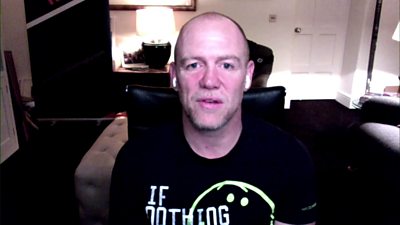
Former England rugby star Mike Tindall has told BBC Breakfast he regretted not pushing his dad more when he was diagnosed with Parkinson’s disease.”I didn’t really understand the process of how it deteriorated and how it could end up at that point”, he said.Read more: Queen mourned husband Philip with bravery – Tindall

Read more →

Shake-Up at Covid Vaccine Manufacturer That Tossed Millions of Doses

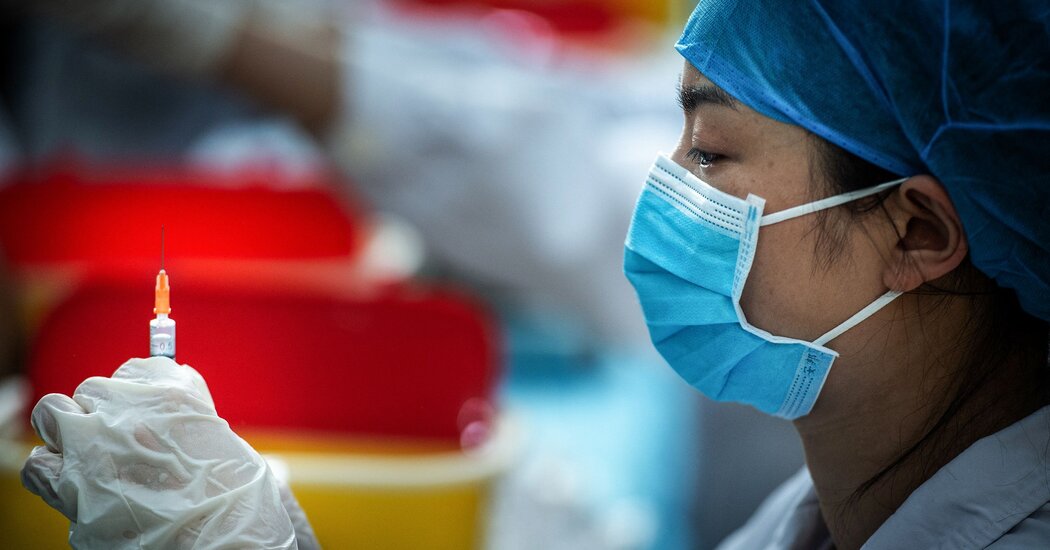
Emergent BioSolutions’ C.E.O. announced several executive changes but vigorously defended the company, which is on track for record revenues.WASHINGTON — Executives of Emergent BioSolutions, the Covid-19 vaccine manufacturer that was forced to discard up to 15 million doses because of possible contamination, reported a shake-up in leadership on Thursday and offered the most fulsome defense yet of the company’s performance.While announcing the high-level personnel changes and taking responsibility for the ruined doses, executives nonetheless forecast record revenues this year of nearly $2 billion.Robert Kramer, the chief executive, speaking on a call with investors, said that one senior vice president overseeing manufacturing would depart the company while another executive would go on leave. A third official, Mary Oates, who recently joined Emergent after a long tenure at Pfizer, is now leading the company’s response to a recent federal inspection that found serious flaws at the Baltimore facility that produced the vaccines.The call on Thursday came at a tumultuous time for Emergent, a once-obscure federal contractor that has built a lucrative business selling biodefense products to the government. Production at the Baltimore plant was suspended this month after the discovery that workers had potentially contaminated millions of doses of the Johnson & Johnson vaccine.Addressing these setbacks, Mr. Kramer offered a vigorous defense of the company on Thursday.He took “full responsibility” for the manufacturing problems, acknowledging that the “loss of a batch for a viral contamination is extremely serious, and we treated it as such,” but he also said that Emergent had taken on a “herculean task” in a crisis.Robert Kramer, Emergent’s chief executive, defended the company, saying it had taken on a “herculean task” in a crisis.Joe Andrucyk/Office of Governor Larry Hogan“We were in a situation this time last year where we readily raised our hand, we stepped forward, we ran at this opportunity and the pandemic in a way that few if any other organizations did,” Mr. Kramer said. “I’m proud of the fact that we have stepped up and stepped into this in an aggressive way.”He said the company would submit a response to the Food and Drug Administration in coming days and hoped to “get back into production as quickly as possible.”Despite the manufacturing troubles, Emergent’s chief financial officer, Richard Lindahl, said on the call that the company “delivered strong financial performance” and “significant revenue growth and corresponding profitability” during the first quarter of 2021.The company revised its financial projections, saying it expected a delay in revenue from Covid-19 vaccines, primarily because of the government-requested halt in production.But Emergent still expected to bring in up to $875 million from its manufacturing contracts this year, much of that from Covid-19 vaccine deals. That would amount to nearly half of what the company projects as a record-high annual revenue approaching $2 billion.Last year, Emergent struck deals with the federal government, Johnson & Johnson and AstraZeneca worth up to $1.5 billion, and the company has reported receiving hundreds of millions of dollars under those contracts — even though it has not produced a single dose yet deemed usable by United States regulators.Even as problems mounted at its facility — documented in a series of confidential audits previously reported by The New York Times — the company’s stock price soared. Throughout 2020, Emergent’s founder and chairman, Fuad El-Hibri, cashed in shares and options worth over $42 million, more than he had redeemed in the previous five years combined, a Times investigation found. Mr. Kramer boasted in February that 2020 was “the strongest year in our 22-year history.”This month, shareholders sued Emergent, alleging that executives had misled investors by touting the company’s ability to manufacture Covid-19 vaccines at the Baltimore plant. The manufacturing problems in Baltimore go beyond the loss of the Johnson & Johnson doses. The Times reported this month that Emergent also had to discard millions of AstraZeneca doses for fear of possible contamination.So far, no coronavirus vaccines manufactured by Emergent have been put into the arms of Americans. But the Biden administration recently authorized the release of four million AstraZeneca doses to Mexico and Canada. Officials in both countries said the vaccines were administered there only after testing confirmed their safety, and they assured their citizens that the doses were not affected by quality concerns at Emergent.Earlier this week, with pressure mounting to address the pandemic — including a humanitarian crisis in India — the Biden administration said it also intended to offer other countries access to up to 60 million doses of the AstraZeneca vaccine manufactured by Emergent in Baltimore. But officials said the doses would not be released until regulators determine they are safe.The Baltimore plant is one of two federally designated sites that were supposed to be ready to manufacture vaccines or therapeutics in a public health emergency. In June 2020, the Trump administration awarded Emergent a $628 million contract, mostly to reserve space in Baltimore to produce coronavirus vaccines.In Washington, Emergent is known for its aggressive lobbying and government connections spanning both Democratic and Republican administrations. The company’s board is stocked with former federal officials, and its ranks of lobbyists include former members of Congress.“We’ve been at this for 22 years as a company,” Mr. Kramer said on Thursday’s call, adding that the firm’s relationships with government agencies, including the Biomedical Advanced Research and Development Agency, known as BARDA, which issued the $628 million contract, “remain intact and strong.”In June 2020, shortly after the Trump administration awarded the contract to Emergent, a top official from Operation Warp Speed, the government’s fast-track vaccine initiative, warned that the company lacked enough trained staff and had a record of problems with quality control.A copy of the official’s assessment, obtained by The Times, cited “key risks” in relying on Emergent to handle the production of vaccines developed by both Johnson & Johnson and AstraZeneca at the same plant in Baltimore.Cross-contamination is a “well-known risk” when making two vaccines using live viruses, Mr. Kramer said on Thursday, but the decision to produce both in Baltimore was the government’s. There were layers of safeguards in place, he said, though Emergent believes that they “did not function as anticipated” and that the AstraZeneca virus probably contaminated the Johnson & Johnson batch.“It’s easy to go back and second-guess these decisions that were made in the early stages of the pandemic,” he said. “At the time, no one knew how fast we can get into a clinically viable vaccine, and which candidates would be most successful.”

Read more →

Covid: Brazil passes 400,000 deaths amid slow vaccination

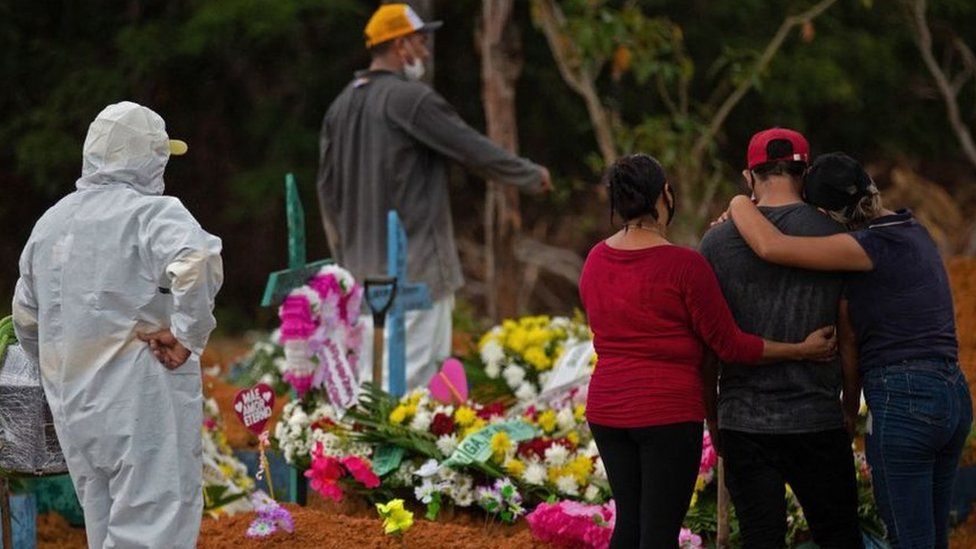
SharecloseShare pageCopy linkAbout sharingimage copyrightGetty ImagesThe number of deaths related to Covid-19 has passed 400,000 in Brazil, the second-highest in the world, as the country continues to struggle with its vaccination programme.There were 3,001 deaths in 24 hours, after a peak of more than 4,000 was reached at the start of April.The 14-day average of deaths and cases remains high but has seen a slight fall.Congress has opened an inquiry into the government’s handling of the pandemic.President Jair Bolsonaro, who has frequently spoken out against lockdowns, masks and defended unproved drugs as treatment, is facing widespread criticism and his support has plummeted.The outbreak has been fuelled by more transmissible variants of the virus and a lack of co-ordinated national measures. The situation has improved in many areas, including where the health system was on the brink of collapse, after states and cities imposed restrictions, but they are already being eased.Why are so many babies dying of Covid-19 in Brazil? Hunger hits Brazil’s slums amid Covid surgeCovid – what’s gone wrong in Brazil? The rate of occupancy of intensive care unit beds remains at or above 90% in more than a third of the states, according to the health institute Fiocruz, which said the scenario remained “critical”.”[There’s] a tendency of a slight fall but not yet of containment of the epidemic,” the institute said in a report (in Portuguese), warning that the daily number of deaths is likely to remain high.Brazil recorded 100,000 deaths in just 37 days, between March and April, which were the worst months in the country. Only the US has a higher death toll.Since the start of the pandemic, Brazil has had more than 14.5 million cases.Meanwhile, some cities have had to temporarily halt their vaccination programmes amid a shortage of doses. About 13% of the population of 212 million has received at least one dose, according to the Our World in Data tracker.Bolsonaro’s support shrinks as death toll growsBy Mark Lowen, BBC News, São PauloIt is a horrific toll that Brazil may not have reached if vaccines had been bought more quickly and lockdowns imposed. But President Bolsonaro has been reluctant to act – and Brazil is now mourning more than 400,000 dead. Only around 13% of Brazilians have received one vaccine dose and 6% both shots: slow procurement is one of the issues a senate inquiry will now examine, since the government turned down offers of tens of millions of shots from Pfizer last year. The parliamentary commission could recommend the president’s impeachment or even criminal charges.Mr Bolsonaro has been bullish as ever, threatening to send in the army to stop states locking down. And his supporters claim the government could not have purchased vaccine doses sooner, since it was waiting for approval from Brazil’s health regulator.The pandemic has fed Brazil’s deep political polarisation. Mr Bolsonaro is playing to his conservative support base – but polls show it is shrinking as Brazil continues to count its dead.On Tuesday, a Senate commission started an official inquiry into the Bolsonaro government’s response to Covid-19. They have the power to demand documents and call on witnesses to testify, and the findings can be submitted to authorities with the ability to prosecute.The commission will investigate a number of actions, including slow vaccine procurement by the president, his repeated statements downplaying the severity of the virus, and the promotion of scientifically unproven drugs such as hydroxychloroquine.It will also analyse whether the government was negligent in the oxygen crisis in Amazonas state, which was ravaged by a more infectious variant earlier this year, and if indigenous communities in the Amazon were left without assistance, in what critics have described as possible genocide.The inquiry could add to calls for impeachment of the president, though analysts say that is unlikely to happen. But the proceedings and possible revelations can cause serious damage to President Bolsonaro, who is almost certain to run for re-election next year, when his main rival could be former leftist President Luiz Inácio Lula da Silva.President Bolsonaro said he was “not worried” by the inquiry. Since the start of the pandemic, he has opposed any lockdown measures arguing that the damage to the economy would be worse than the effects of the virus itself, a position shared by many of his supporters.In a separate development, the Russian developer of the Sputnik V vaccine has said it will sue Brazil’s health regulator Anvisa for defamation in a row over the product.Anvisa has denied state requests to approve the vaccine for import, and raised concerns about the make up of Sputnik V. At a press conference on Thursday, officials from the regulator condemned the Russian developer’s “grave accusation”.

Read more →

Does It Matter If I Skip My Second Dose of Covid Vaccine?

Your second dose of vaccine gives you more extra protection than you might think. Here’s why you should still get it, even if it’s later than planned.Millions of people have missed their second dose of Covid-19 vaccine. But does it really matter?Yes. Public health officials say that if you’re getting a two-dose vaccine, you should complete both doses for the strongest protection against Covid-19, especially with new variants circulating the globe. From a practical standpoint, missing the second shot could create problems down the road if workplaces, college campuses, airlines and border patrol agents require proof of full vaccination.But many people aren’t getting the message that the second dose matters. More than five million people, or nearly 8 percent of those who got a first shot of the Pfizer or Moderna vaccines, have missed their second doses, according to the most recent data from the Centers for Disease Control and Prevention.The reasons people are missing their second shots vary. Some people say they are worried about side effects, which have widely been reported to be worse after the second dose. Others say second shot appointments have been canceled, and it’s been hard to reschedule. But new research also shows that many people are just confused and wrongly think one shot is enough.Researchers from Cornell University and Boston Children’s Hospital surveyed a representative sample of more than 1,000 Americans in February, and found that 20 percent believed they were strongly protected after just one dose of a two-dose vaccine. (Another 36 percent said they weren’t sure how protected they were.) And among those respondents who had already received at least one shot, 15 percent didn’t remember being told to come back for a second dose. About half didn’t remember anyone telling them that protection was strongest after the second dose, according to the report, published in The New England Journal of Medicine.“Our survey exposed the fact that there is still a lot of confusion about the timing of protection when it comes to getting vaccinated,” said John Brownstein, an epidemiologist and chief innovation officer at Boston Children’s Hospital and a co-author on the research.Adding to the confusion is the fact that some countries are delaying second doses so they can get more people vaccinated more quickly or because they have limited supply of vaccine. Both the Pfizer and Moderna vaccines are what’s known as mRNA vaccines and require two shots, ideally spaced three or four weeks apart. But in some countries, including Britain and Canada, second shots have been delayed by as long as three or four months. While that strategy has worked for countries facing distribution problems or vaccine shortages, Dr. Anthony S. Fauci, the director of the National Institute of Allergy and Infectious Diseases, has repeatedly resisted calls to adopt a one-dose strategy in the United States.The C.D.C. recently reported that a study of health care and emergency workers at high risk for exposure to the coronavirus found a single dose of Pfizer’s or Moderna’s Covid-19 vaccine was 80 percent effective at preventing Covid-19. After the second dose, the vaccines were about 90 percent effective.But vaccine experts say those numbers can mislead people into thinking there’s very little benefit from the second dose, and fail to capture some of the important changes that happen inside the body after a person is fully vaccinated with both doses.“The second dose of mRNA vaccines induces a level of virus neutralizing antibodies about 10-fold greater than the first dose,” said Dr. Paul Offit, a professor at the University of Pennsylvania and a member of the Food and Drug Administration’s vaccine advisory panel. “Also, the second dose induces cellular immunity, which predicts not only longer protection, but better protection against variant strains.”It’s also not clear how long first-dose protection lasts without the boost from a second dose, Dr. Fauci said during a White House press briefing in April.“We have been concerned, and still are, that when you look at the level of protection after one dose, you can say it’s 80 percent, but it’s a somewhat tenuous 80 percent,” Dr. Fauci said. He said there’s concern that more-contagious variants that continue to spread around the globe could partially-evade vaccine-induced antibodies after just one dose. “You’re in a tenuous zone if you don’t have the full impact” of two doses, he said.Although breakthrough infections after vaccination are rare, they do happen. A recent study of 250 people in Israel who were infected after they were partially vaccinated with the Pfizer vaccine — between two weeks after the first dose and one week after the second dose — showed that they were disproportionally infected by B.1.1.7, the variant first identified in Britain. The same study found that in a group of 149 people infected after the second dose of vaccine, eight infections with B.1.351 (the variant first identified in South Africa) occurred between days seven and 13 following the second dose. No breakthrough infections with the South Africa variant were seen 14 days after the second dose. Although it was a small sample, the finding suggested that full vaccination offers more protection against the variants, said Adi Stern, the study’s senior author, a professor at the Shmunis School of Biomedicine and Cancer Research, Tel Aviv University.Another study showing the benefits of full vaccination looked at a group of 91,134 patients who had previously been seen by doctors in the Houston Methodist Hospital system and followed them between December and April. Most were not vaccinated, but 4.5 percent were partially immunized and 25.4 percent were fully immunized. There were 225 deaths from Covid-19 in the group, and 219 (97 percent) were among the unvaccinated. But five deaths (2.2 percent) occurred among the partially immunized. Only one person (0.004 percent) died in the fully immunized group. In that study, full vaccination was 96 protective against hospitalization and 98.7 percent protective against dying from Covid-19. But the partially vaccinated were only 77 percent protected from hospitalization and 64 percent protected from fatal Covid-19.The study’s senior author, Saad B. Omer, director of the Yale Institute for Global Health, said he began the research with a “neutral” view about the benefits of two doses versus a single dose. But he’s now convinced the benefits of a second dose are meaningful.“Given the data from our study and other evidence, it does not make sense for people to skip their second dose,” Dr. Omer said. “When it comes to prevention of deaths through vaccines, the glass is 64 percent full, but wouldn’t you rather have it nearly 100 percent full for such a drastic and irreversible outcome as death?”Beyond the obvious health risks, skipping the second dose also could make your life more complicated if you want to travel or visit facilities that require proof of vaccination. “You will not be considered fully vaccinated,” Dr. Brownstein said. “It may have implications for getting back to normal again. If your vaccine passport or card doesn’t show a complete status, you may not be able to do certain things. You may not be able to get on a plane.”For people who have missed their second dose of the Pfizer or Moderna vaccines, here are answers to some common questions.Is it ever too late to get my second dose? No. If you skipped your dose for any reason, you don’t have to start all over again with another two-dose regimen. The C.D.C. has said that if supplies are low or appointments aren’t available, patients may extend the interval between doses up to six weeks. In Britain, the second dose has been delayed up to three months. Whatever the timing, doctors advise you to get your second dose, even if more time than recommended has passed since your first dose.Where should I go to get my second dose? First, try going back to your original provider — just don’t forget to take the vaccine card you were given after your first dose. At many sites, you can just walk in with your card and receive your second dose if it’s the same location as your first dose. Some state websites specifically allow you to schedule a new second dose appointment. Many CVS and Walgreens sites are also offering second doses to people who got their first shots elsewhere. In fact, stand-alone second doses represented about a quarter of the overall second doses CVS administered last week and 14 percent of those administered in April, said T.J. Crawford, a spokesman for the chain. Just call ahead to make sure they are offering the same vaccine you got the first time.I’m a college student who got my shot on campus. Can I get a second shot in a different state? Pharmacies participating in a federal vaccine distribution program now are setting aside any residency requirements for vaccine recipients. This will allow college students who got their first shot on campus to get their second dose at home.Do people who have tested positive for Covid-19 still need a second shot? Yes. Even if you’ve had Covid-19, you still will get stronger immunity from vaccination. A person’s immune response to a natural infection is highly variable. Some people may produce few antibodies, and natural antibodies seem to be less resistant to variants compared to stronger vaccine-generated antibodies. While it’s not clear how much extra benefit a recovered Covid patient gets from two doses, versus a single dose, you need a second dose to provide proof of full vaccination, should you need it for travel or for work. People who have had Covid-19 in the past are advised to wait about 90 days after infection before getting vaccinated. If you get Covid-19 after your first dose, you may need to adjust your vaccination schedule until you are fully recovered and have approval from your doctor for getting the second shot.What if I’m avoiding the second dose because I’m worried the side effects will be worse? Side effects like fatigue, headache, muscle aches and fever are more common after the second dose of both the Pfizer and Moderna vaccines. But while side effects can be unpleasant, they are manageable, short-lived and a sign that your body is building a strong immune response.Should I get the second shot if I had a severe reaction to the first dose? There are rare cases in which forgoing the second shot is medically advised. The C.D.C. recommends that people skip their second dose if they have a severe allergic reaction after their first shot. The guidance is the same for a milder allergic reaction that develops within four hours, such as hives, wheezing or swelling, even if it doesn’t require emergency care. For most other side effects, though, the agency recommends getting the second dose, unless a doctor or vaccination provider advises otherwise. If you think you had a severe or unusual reaction to your first shot, consult with a physician. You should also check with your doctor if you experience a worrying side effect or side effects that don’t seem to be going away after a few days.Rebecca Robbins

Read more →

The bus helping increase Covid vaccine uptake

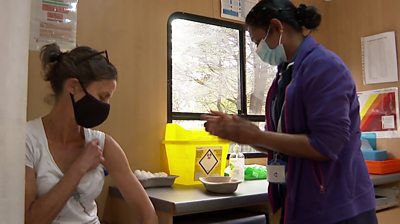
Residents in the borough of Brent in London are being offered an alternative to visiting a vaccine centre – a vaccine bus. The aim is to reach areas where jab uptake is relatively low, offering a potentially more convenient route to getting the vaccine. It might also allow health teams to help alleviate vaccine hesitancy or worries. Appointments are walk-in and are open to over 40s who live in the area. The BBC spoke to some of those who used the bus to get immunised.

Read more →

Treatment found to improve cognitive function in patients with fragile X syndrome

An experimental treatment produced improvements in cognitive function and language in patients with fragile X syndrome, according to study results published on April 29 in Nature Medicine. Fragile X syndrome (known as FXS for short) is the most common known genetic cause of autism and the most common cause of inherited intellectual disability.
“These results offer hope for patients with fragile X syndrome and their families,” said Elizabeth Berry-Kravis, MD, PhD, a pediatric neurologist at Rush University Medical Center and principal investigator of the study. “The majority of clinical outcome measures were in favor of the drug. These measures included performance-based assessments, biomarkers, and parent and physician-rated scales, which in combination, suggest a meaningful impact on the global FXS disease process.”
The study was a phase two clinical trial to assess the safety and efficacy of a drug known as BPN14770 in 30 men with between the ages of 18 and 41 years who have fragile X syndrome. BPN1477 inhibits the activity of an enzyme known as phosphodiesterase-4D (PDE4D), which controls the availability in the brain of cyclic adenosine monophosphate (cAMP), a molecule that is critically involved in memory formation. By inhibiting PDE4D, the drug increases the levels of cAMP in the brain. “It’s exciting that we have a drug that potentially addresses a core biochemical deficit in FXS, a deficiency of cAMP, that has been documented in patients, and which I discovered during my pediatric neurology fellowship 30 years ago,” Berry-Kravis said.
Participants in the study received daily oral doses of BPN14770 twice a day or a placebo for 12 weeks. Parents, caregivers and physician raters were kept unaware of whether the participants received the treatment or the placebo.
The study evaluated the participants using a version of the National Institutes of Health (NIH) Toolbox Cognitive Battery (a cognitive measure) that, in work performed in collaboration with Dr. David Hessl at the UC Davis MIND Institute, was modified to be effective in assessing people with intellectual disabilities. In addition, the study included scales on which parents’ rated improvements from the drug.
“This is the first time that the NIH Toolbox has been able to be used to demonstrate a cognitive change in a trial in people with intellectual disabilities,” Berry-Kravis said. “In just three months, we saw improvement specifically in the verbal subtests of the NIH Toolbox, coupled with parent rating of improvements, particularly in language.”
Cognitive assessments using the NIH Toolbox revealed significant benefit in oral reading recognition, picture vocabulary and the cognition crystallized composite score. Parent/caregiver ratings revealed benefit that was judged to be clinically significant in language and daily functioning.
After 12 weeks of treatment in the study, patients crossed over and took placebo if they had been taking drug, and drug if they had been taking placebo for another 12 weeks. The benefit of BPN14770 was found to persist up to 12 weeks after the crossover from drug to placebo. BPN14770 was very well tolerated, with few adverse events.
In laboratory studies, BPN14770 promoted the maturation of connections between neurons, (which is impaired in patients with fragile X syndrome). BPN14770 is being developed by Tetra Therapeutics for the treatment of fragile X syndrome. The drug’s mechanism of action also may have potential to improve cognitive and memory function in Alzheimer’s disease and other dementias, learning/developmental disabilities and schizophrenia. At this time, however, the U.S. Food and Drug Administration only has approved BPN14770 for investigational use, and it will be important to do larger controlled studies in fragile X syndrome to confirm the cognitive benefit of the drug.
Story Source:
Materials provided by Rush University Medical Center. Original written by Nancy Difiore. Note: Content may be edited for style and length.

Read more →

New atlas of genetic function maps complexities of immune system and immune diseases

Researchers in Japan have compiled a first-of-its-kind genetic database for autoimmune and autoinflammatory diseases. This resource will allow experts to more deeply understand how immune disorders develop and plan future drug discovery projects. Scientists also hope this atlas of immune-related genome data may eventually be applied to investigations of infectious diseases like COVID-19.
“To understand diseases, a deep comprehension of the function of genetic variants is essential. With this data set, we can connect the data about changes to DNA sequence associated with a disease to genes and cell types that are important for disease pathogenesis,” said University of Tokyo Project Research Associate Mineto Ota, M.D., Ph.D., a clinical rheumatologist and expert in functional genomics. Ota is lead author of the study recently published in Cell. The project was completed with collaborators at RIKEN research institution and Chugai Pharmaceutical Co., Ltd.
Many prior research projects have compared the full genome sequences of patients with medical diagnoses to those of healthy people. Any DNA sequence variants identified in these genomewide association studies are then considered “associated” with the disease.
Many variants identified in association studies are not located in genes, the basic units of heredity, but rather in portions of DNA that regulate the “on” or “off” expression of genes. Most of the human genome is not genes, but this regulatory DNA. Experts might know that a portion of DNA is involved in gene regulation, but not understand exactly how or what it does or even what genes it regulates.
To uncover the function of regulatory DNA, a different type of genome study called expression quantitative trait loci (eQTL) analysis attempts to connect differences in DNA sequence to differences in gene expression. With eQTL data, researchers can make more informed guesses about the purpose of regulatory DNA sequences, how variants in the regulatory sequence might affect expression of the genes it regulates and how those differences in gene expression cause disease.
Other immune-focused eQTL studies have been performed, but prior research efforts included only healthy volunteers and examined a limited number of cell types.

Read more →

How diet controls RNA maturation

Particularly sensitive to chemical modifications, messenger RNAs (mRNAs) are molecules responsible for transmitting the information encoded in our genome, allowing for the synthesis of proteins, which are necessary for the functioning of our cells. Two teams from the University of Geneva (UNIGE), Switzerland, in collaboration with the Norwegian University of Science and Technology (NTNU), have focused on a specific type of chemical modification — called methylation — of mRNA molecules in the small worm Caenorhabditis elegans. They found that methylation on a particular sequence of an mRNA leads to its degradation and that this control mechanism depends on the worm’s diet. These findings are to be read in the journal Cell.
Several steps take place before a DNA-encoded gene produces the corresponding protein. One of the two strands of DNA is first transcribed into RNA, which then undergoes several processes, including splicing, before being translated into a protein. This process removes unnecessary non-coding sequences (introns) from the gene, leaving only the protein-coding sequences (exons). This mature form of RNA is called messenger RNA (mRNA).
A “post-it” to block protein synthesis
In addition to these processes, RNA — but also DNA molecules — can undergo a chemical modification: methylation. This consists in adding a methyl group (CH3) which allows to modify the fate of these molecules without altering their sequence. Deposited on the RNA or DNA in very specific places like “post-its,” methyl groups indicate to the cell that a particular fate must be given to these molecules. Methylation of RNA is essential: mice without RNA methylation die at an early embryonic stage.
Two neighboring teams at the UNIGE, one working on RNA regulation and the other specializing in DNA organisation in the worm C. elegans, have studied the role of methylation in controlling gene expression. The laboratories of Ramesh Pillai and Florian Steiner, professors in the Department of Molecular Biology at the UNIGE Faculty of Science, have shown for the first time that methylation at the end of the intron of a particular gene blocks the splicing machinery. The intron cannot be removed and the protein is not produced.
Fine regulation to ensure a fair balance
This gene, whose mRNA is modified by methylation, encodes for the enzyme that produces the methyl donor. “It is therefore a self-regulating mechanism since the gene involved in producing a key factor required for methylation is itself regulated by methylation!,” explains Mateusz Mendel, a researcher in the Department of Molecular Biology at the UNIGE Faculty of Science, and the first author of this study.
Moreover, this modification is dependent on the quantity of nutrients received by the worms. “When nutrients are abundant, the mRNA is methylated, gene splicing is blocked, and the level of methyl donors decreases, which limits the number of possible methylation reactions. On the other hand, when there are few nutrients, there is no methylation of the particular RNA of this gene, so splicing is not blocked and the synthesis of methyl donors increases,” reports Kamila Delaney, a researcher in the Department of Molecular Biology at the UNIGE Faculty of Science. Elements present in the food provide the raw materials required for producing the methyl donor, so methylation-dependent splicing inhibition puts a brake on its production under conditions of a rich diet. “Aberrant methylation reactions — too much or too little — are the cause of many diseases. The cell has set up this very sophisticated regulatory system to ensure a fair balance of methylations in the cell,” summarizes Mateusz Mendel.
Methylation of mRNAs at these specific sequences was discovered in the 1970s by scientists, including Ueli Schibler, a former professor at the UNIGE, before being forgotten. It took 40 years before researchers rediscovered its importance in gene regulation in 2012. With this study, scientists from the Department of Molecular Biology highlight the crucial role of methylation in the control of splicing and in the response to environmental changes.
Story Source:
Materials provided by Université de Genève. Note: Content may be edited for style and length.

Read more →

How meningitis-causing bacteria may sense fever to avoid immune killing

Researchers at Karolinska Institutet in Sweden have discovered a mechanism through which meningitis-causing bacteria can evade our immune system. In laboratory tests, they found that Streptococcus pneumoniae and Haemophilus influenzae respond to increasing temperatures by producing safeguards that keep them from getting killed. This may prime their defenses against our immune system and increase their chances of survival, the researchers say. The findings are published in the journal PLoS Pathogens.
“This discovery helps to increase our understanding of the mechanisms these bacteria use to evade our normal immune defenses,” says co-corresponding author Edmund Loh, researcher in the Department of Microbiology, Tumor and Cell Biology at Karolinska Institutet. “It could be an important piece of the puzzle in examining what turns this usually harmless bacterium into a lethal killer.”
Meningitis is an inflammation of the membranes surrounding the brain and the spinal cord. It can be caused by viruses, bacteria, fungi and parasites.
Bacterial meningitis is one of the most severe types and a major cause of death and disability in children worldwide. Several kinds of bacteria can cause the infection, including the respiratory pathogens Streptococcus pneumoniae and Haemophilus influenzae, which can be attributed to some 200,000 meningitis-caused deaths annually.
These two bacteria often reside in the nose and throat of healthy people without making them ill. In some cases they spread into the bloodstream and cause invasive diseases, but the reasons for this remain largely unknown.
In this study, the researchers set out to investigate the connection between temperature changes and survival of these bacteria in a laboratory setting. The experiments were prompted by another recent finding that linked the temperature sensing abilities of the bacterium N. meningitidis to invasive meningococcal disease.
One of the signs of an infection is elevated temperatures and fever, which typically boost our immune system’s ability to fight illness. In this study, however, the researchers found that both S. pneumoniae and H. influenzae activated stronger immune protections when challenged with higher temperatures.
They did so through mechanisms involving four specific so-called RNA thermosensors (RNATs), which are temperature-sensitive non-coding RNA molecules. These RNATs helped boost the production of bigger protective capsules and immune modulatory Factor H binding proteins, both of which help shield these bacteria from immune system attacks.
“Our results indicate that these temperature sensing RNATs create an additional layer of protection that helps the bacteria colonize their normal habitat in the nose and throat,” says the paper’s first author Hannes Eichner, PhD student at the same department. “Interestingly, we saw that these RNATs do not possess any sequence similarity, but all retain the same thermosensing ability, which indicates that these RNATs have evolved independently to sense the same temperature cue in the nasopharynx to avoid immune killing.”
More research is needed to understand exactly what triggers these pathogens to breach from the mucous membrane into the bloodstream and further into the brain. Future studies encompassing in vivo infection model are warranted to characterize the role of these RNATs during colonization and invasion, the researchers say.
The work was supported by grants from the Knut and Alice Wallenberg Foundation, the Swedish Foundation for Strategic Research, the Swedish Research Council, the Stockholm County Council and Karolinska Institutet.
Story Source:
Materials provided by Karolinska Institutet. Note: Content may be edited for style and length.

Read more →