Horseradish flea beetle: Protected with the weapons of its food plant

When horseradish flea beetles feed on their host plants, they take up not only nutrients but also mustard oil glucosides, the characteristic defense compounds of horseradish and other brassicaceous plants. Using these mustard oil glucosides, the beetles turn themselves into a “mustard oil bomb” and so deter predators. A team of researchers from the Max Planck Institute for Chemical Ecology in Jena, Germany, has now been able to demonstrate how the beetle regulates the accumulation of mustard oil glucosides in its body. The beetles have special transporters in the excretory system that prevent the excretion of mustard oil glucosides. This mechanism enables the horseradish flea beetle to accumulate high amounts of the plant toxins in its body, which it uses for its own defense.
Sequestration: Well armed with the weapons of others
Many animals use chemical defense compounds to deter predators. These defense compounds are either produced by the animal itself or by symbionts of the animal, or they are acquired from the diet. The ability to acquire defense compounds from the diet is particularly widespread in insects that feed on toxic plants. One example is the horseradish flea beetle (Phyllotreta armoraciae), which can sequester mustard oil glucosides, also known as glucosinolates, in its body.
“The horseradish flea beetle belongs to an economically important group of insects, because several Phyllotreta species are crop pests. This beetle, which can accumulate vast amounts of host plant glucosinolates, regulates the levels and composition of glucosinolates in the body at least partially by excretion. This suggested that Phyllotreta armoraciae possesses very efficient transport and storage mechanisms, which we wanted to uncover,” says first author Zhi-Ling Yang, explaining the goal of the new study.
The team led by Franziska Beran, head of the Sequestration and Detoxification in Insects Research Group at the Max Planck Institute, has already been able to demonstrate how the horseradish flea beetle effectively uses glucosinolates from its host plant to defend itself against a predatory ladybug.
Special transporters for plant toxins in the excretory system of the beetles
Although it has long been known that horseradish flea beetles and related species can accumulate glucosinolates, how the beetle absorb and store high amounts of these substances in the body was unknown. The research team’s goal, therefore, was to identify glucosinolate transporters in this insect. “The search for these transporters was literally like looking for a needle in a haystack,” recalls Beran, “We found 1401 putative membrane transporters in the gut and excretory system of this beetle. Narrowing down our search to transporters that are specific for the horseradish flea beetle helped us to identify a group of glucosinolate-specific transporters.”
These glucosinolate transporters are located in the excretory system, the so-called Malpighian tubules. The function of the Malpighian tubules in insects is similar to the function of the kidneys in vertebrates. The scientists determined the function of the identified transporters by using RNA interference, an approach in which the expression of a gene of interest is reduced in order to determine its function in the organism: “We silenced the expression of several transporter genes that are localized in the Malpighian tubules and found that the beetles excreted more glucosinolates than a control group of beetles with normal gene expression. Because of the higher excretion rate, the levels of defense compounds in the beetle body went down. Our study is the first to identify transporters in the Malpighian tubules that enable an insect to accumulate plant defense compounds,” Yang summarizes.
With their study, the researchers show that sequestration is a complex process and much more than just the uptake of plant metabolites into the animal’s body. The sequestering insect must adapt its entire physiology to use plant defense compounds for its own defense. These adaptations are driven by challenges in its environment: predators, parasites, and pathogens. “Sequestration is probably one of the most complex adaptations that herbivorous insects have evolved. It most certainly also contributes to the evolutionary success of insects that specialize in certain host plants, such as the horseradish flea beetle,” says Beran.
Beran’s team now wants to identify other transporters involved in sequestration. The scientists also want to know which natural enemies of the horseradish flea beetle the glucosinolates are providing protection from. Increased knowledge of how the horseradish flea beetle sequesters toxins and the effects on its ecological interactions with other organisms in the environment, will improve understanding of this pest and may lead eventually to better strategies for its control.
Story Source:
Materials provided by Max Planck Institute for Chemical Ecology. Note: Content may be edited for style and length.

Read more →

A comprehensive map of the SARS-CoV-2 genome

In early 2020, a few months after the Covid-19 pandemic began, scientists were able to sequence the full genome of the virus that causes the infection, SARS-CoV-2. While many of its genes were already known at that point, the full complement of protein-coding genes was unresolved.
Now, after performing an extensive comparative genomics study, MIT researchers have generated what they describe as the most accurate and complete gene annotation of the SARS-CoV-2 genome. In their study, which appears today in Nature Communications, they confirmed several protein-coding genes and found that a few others that had been suggested as genes do not code for any proteins.
“We were able to use this powerful comparative genomics approach for evolutionary signatures to discover the true functional protein-coding content of this enormously important genome,” says Manolis Kellis, who is the senior author of the study and a professor of computer science in MIT’s Computer Science and Artificial Intelligence Laboratory (CSAIL) as well as a member of the Broad Institute of MIT and Harvard.
The research team also analyzed nearly 2,000 mutations that have arisen in different SARS-CoV-2 isolates since it began infecting humans, allowing them to rate how important those mutations may be in changing the virus’ ability to evade the immune system or become more infectious.
Comparative genomics
The SARS-CoV-2 genome consists of nearly 30,000 RNA bases. Scientists have identified several regions known to encode protein-coding genes, based on their similarity to protein-coding genes found in related viruses. A few other regions were suspected to encode proteins, but they had not been definitively classified as protein-coding genes.

Read more →

Boosting body heat production: A new approach for treating obesity

A receptor that helps conserve energy when food is scarce may be the key to a safer approach to treating diet-induced obesity, research led by the Garvan Institute of Medical Research has revealed.
In a study using experimental models and fat tissue biopsies from obese individuals, the team revealed that blocking a specific receptor of the molecule neuropeptide Y (NPY), which helps our body regulate its heat production, could increase fat metabolism and prevent weight gain.
“The Y1 receptor acts as a ‘brake’ for heat generation in the body. In our study, we found that blocking this receptor in fat tissues transformed the ‘energy-storing’ fat into ‘energy-burning’ fat, which switched on heat production and reduced weight gain,” says Dr Yan-Chuan Shi, Leader of the Neuroendocrinology Group at Garvan and co-senior author of the paper published in Nature Communications.
“Most of the current medications used to treat obesity target the brain to suppress appetite and can have severe side effects that limit their use. Our study reveals an alternative approach that targets the fat tissues directly, which may potentially be a safer way to prevent and treat obesity.”
Y1 receptor linked to obesity
Obesity and overweight are major public health issues, which in Australia are estimated to affect two thirds of all adults. The condition can lead to severe medical complications, including diabetes, cardiovascular disease and some cancers, and while lifestyle changes are essential to weight loss, medication is a crucial adjunct treatment option for some.

Read more →

New genetic copycatchers detect efficient and precise CRISPR editing in a living organism

Researchers at the University of California San Diego have laid the groundwork for a potential new type of gene therapy using novel CRISPR-based techniques.
Working in fruit flies and human cells, research led by UC San Diego Postdoctoral Scholar Zhiqian Li in Division of Biological Sciences Professor Ethan Bier’s laboratory demonstrates that new DNA repair mechanisms could be designed to address the effects of debilitating diseases and damaged cell conditions.
The scientists developed a novel genetic sensor called a “CopyCatcher,” which capitalizes on CRISPR-based gene drive technology, to detect instances in which a genetic element is copied precisely from one chromosome to another throughout cells in the body of a fruit fly.
Details are explained in the journal Nature Communications.
Gene-drive technology is being developed to copy and distribute desired traits in reproductive cells of the body (sperm and eggs), which allows these traits to be spread throughout populations — potentially preventing transmission of insect-vectored diseases such as malaria and fortifying agricultural crops. For human health applications, next-generation CopyCatcher systems will measure how often such perfect copying might take place in different cells of the human body. As this system detects a very high rate of copying in fruit flies, similar success in human cells would allow scientists to make desired precise genome edits throughout the body, and particularly in cells that rely on the function of that gene for normal health.
“These studies provide a clear proof of principle for a new type of gene therapy in which one copy of a mutated gene could be repaired from a partially intact second copy of the gene,” said Bier, senior author of the Nature Communications study and science director for the Tata Institute for Genetics and Society-UC San Diego. “The need for such a design occurs in genetic situations with patients with inherited genetic disorders, if their parents were carriers for two different mutations in the same gene.”
Bier says the strategy of fixing a mutated gene in its normal context within the genome differs greatly from current gene therapy strategies in which a surrogate copy of a gene is placed at a different site in the genome and acts as a crude “patch.”

Read more →

Sex cells in parasites are doing their own thing

Researchers at the University of Bristol have discovered how microbes responsible for human African sleeping sickness produce sex cells.
In these single-celled parasites, known as trypanosomes, each reproductive cell splits off in turn from the parental germline cell, which is responsible for passing on genes. Conventional germline cells divide twice to produce all four sex cells — or gametes — simultaneously. In humans four sperms are produced from a single germline cell. So, these strange parasite cells are doing their own thing rather than sticking to the biology rulebook.
Trypanosome cell biology has already revealed several curious features. They have two unique intracellular structures — the kinetoplast, a network of circular DNA and the glycosome, a membrane-enclosed organelle that contains the glycolytic enzymes. They don’t follow the central dogma that DNA is faithfully transcribed into RNA, but will go back and edit some of the RNA transcripts after they’ve been made.
Professor Wendy Gibson of the University of Bristol’s School of Biological Sciences led the study. She said “We’ve got used to trypanosomes doing things their own way, but of course what we think of as normal cell biology is based on very few so-called model organisms like yeast and mice. There’s a whole world of weird and wonderful single-celled organisms — protozoa — out there that we don’t know much about! Trypanosomes have got more attention because they’re such important pathogens — both of humans and their livestock.”
Biologists think that sexual reproduction evolved very early on, after the first complex cells appeared a couple of billion years ago. The sex cells are produced by a special form of cell division called meiosis that reduces the number of chromosomes by half, so that gametes have only one complete set of chromosomes instead of two. The chromosome sets from two gametes combine during sexual reproduction, producing new combinations of genes in the offspring. In the case of disease-causing microbes like the trypanosome, sex can potentially lead to a lot of harmful genes being combined in one strain. Thus, research on sexual reproduction helps scientists understand how new strains of disease-causing microbes arise and how characteristics such as drug resistance get spread between different strains.
Story Source:
Materials provided by University of Bristol. Note: Content may be edited for style and length.

Read more →

Dunbar’s Number Debunked: You Can Have More Than 150 Friends

A new study questions that figure, known as Dunbar’s number. The Oxford professor for whom it is named, Robin Dunbar, dismissed the new findings as “absolutely bonkers.”LONDON — Just how many friends can one person have?In a 1993 study, Robin Dunbar, a British anthropologist, theorized that humans could have no more than about 150 meaningful relationships, a measure that became known as Dunbar’s number.But researchers at Stockholm University published a paper last week calling that number into question, finding that people could have far more friends if they put in the effort.“We can learn thousands of digits of pi, and if we engage with lots of people, then we will become better at having relationships with lots of people,” said Johan Lind, an author of the study and an associate professor at Stockholm University. The paper was published in the journal Biology Letters.In his original research, Dr. Dunbar studied monkeys and apes and determined that the size of the neocortex, the part of the brain responsible for conscious thought, correlated with the size of the groups they lived among. The neocortex in humans is even larger, so he extrapolated that their ideal group size was, on average, 150.In the new study, Dr. Lind said he and his team used updated data sets and statistical methods and found that the size of the neocortex did not limit the number of connections people could maintain. Dunbar’s number, he said, “has been criticized for quite a long time.” Dr. Lind’s team found that no maximum number of friendships could be established with any precision.In an interview, Dr. Dunbar, a professor of evolutionary psychology at Oxford University, defended his research. The new analysis, he said, “is bonkers, absolutely bonkers,” adding that the Stockholm University researchers conducted a flawed statistical analysis and misunderstood both the nuances of his analyses and of human connections. “I marvel at their apparent failure to understand relationships.”Dr. Dunbar defines meaningful relationships as those people you know well enough to greet without feeling awkward if you ran into them in an airport lounge. That number typically ranges from 100 to 250, with the average around 150, he said.At birth, it starts at one or two. Friendships peak in the late teens and early 20s. By their 30s, people tend to have about 150 connections, and that number remains flat until people reach their late 60s and early 70s, when their number of connections, Dr. Dunbar said, “starts to plummet.” “If you live long enough, it gets back to one or two.”In his book “How Many Friends Does One Person Need,” Dr. Dunbar pointed to historical and modern-day examples to back up his research. Around 6000 B.C., the size of Neolithic villages from the Middle East was 120 to 150 people, judging by the number of dwellings. In 1086, the average size of most English villages recorded in the Domesday Book was 160 people. In modern armies, fighting units contain an average of 130 to 150 people, he said.In 2007, when the Swedish tax agency was restructuring, a strategist for the agency proposed that each of the new offices have about 100 to 150 employees, citing Dr. Dunbar’s research. Employees, already unhappy with the restructuring, got wind of the plan and complained about being compared to monkeys. (Dunbar’s number did not, in the end, play any role in the agency’s restructuring, according to three officials involved with the plans.)While it may be comforting to think that there is an optimal number of people with whom we should surround ourselves, in reality there is not one rule that applies to all of us, said Louise Barrett, a psychology professor at the University of Lethbridge in Canada. “Human life is really complicated,” she said.Dr. Barrett, a biological anthropologist who was not involved in the new study and who previously studied under Dr. Dunbar, said the analysis looked robust. “We need to rethink and adjust our interpretation and hypotheses in light of this new data,” she said.The debate over relationships comes as people are rethinking which friendships they want to recultivate after the pandemic shrank social circles and as businesses are designing post-pandemic work spaces.The British academic and anthropologist Robin Dunbar has said people can maintain about 150 meaningful relationships.Colin McPherson/Corbis, via Getty ImagesDr. Dunbar posited his theory decades ago, in the early days of the internet and long before social media sites changed how people communicate. “This number would make sense if we still relied on a Rolodex and talking to people, but that’s not the world we live in,” said Angela Lee, a professor at Columbia Business School.Networking tools like LinkedIn have made it possible to increase the number of connections we can maintain, and this is important because research shows that people on the outer edge of our networks are often the ones who end up being the most helpful for career advancement or generating creative ideas, she said.Dr. Dunbar contended that his theory is still viable, even in today’s hyper-connected world, since the quality of connections on social networks is often low. “These are not personalized relationships,” he said.What will the pandemic mean for rebuilding meaningful connections, whether at work or in our social lives? It is probably too early to say, but Dr. Dunbar predicted that the biggest effects on networks would be on older people. “Their friendship circles were already declining and this will push them further down that slope,” he said.Dr. Dunbar said that, while he tries not to analyze himself, he guessed he had about 150 friends.“It’s fairly blatantly obvious to most people when they sit down and think about it that that’s how their social network is organized,” he said. Dunbar’s number, he said, is not going anywhere.

Read more →

To Vaccinate Younger Teens, States and Cities Look to Schools, Camps, Even Beaches

The F.D.A.’s authorization of Pfizer’s Covid shot for 12- to 15-year-olds is a milestone in battling the coronavirus, but actually getting them vaccinated involves new challenges.Abby Goodnough and Hundreds of high school seniors rode in bus caravans recently to a mass vaccination site outside Hartford, Conn., where they got Covid-19 shots as a D.J. played Lady Gaga and a selfie backdrop awaited.Now, the race is on to get to their younger siblings — and all the nation’s nearly 17 million 12- to 15-year-olds, after the Food and Drug Administration authorized the Pfizer-BioNTech vaccine for their age group.The F.D.A.’s decision, announced Monday afternoon, presents a bright new opportunity in the push for broad immunity against the coronavirus in the United States, but the challenges are more daunting than for immunizing older, more independent teenagers.A recent survey by the Kaiser Family Foundation’s Vaccine Monitor found that many parents — even those who eagerly got their own Covid shots — are reluctant to vaccinate pubescent children. Yet doing so will be critical for further reducing transmission of the virus, smoothly reopening middle and high schools and regaining some sense of national normalcy.“The game changes when you go down as young as 12 years old,” said Nathan Quesnel, the superintendent of schools in East Hartford, adding, “You need to have a different level of sensitivity.”States, counties and school districts around the country are trying to figure out the most reassuring and expedient ways to reach younger adolescents as well as their parents, whose consent is usually required by state law. They are making plans to offer vaccines not only in schools, but also at pediatricians’ offices, day camps, parks and even beaches.Children’s Minnesota, a Minneapolis-based hospital system where the main Covid vaccination site has offered stress balls, colored lights and images of playful dolphins projected on the ceiling, is planning to provide shots beginning later this week in at least a dozen middle schools and a Y.W.C.A.In Columbus, Ohio, public health nurses will drive a mobile vaccination unit around neighborhoods “just like you would an ice cream truck,” said Dr. Mysheika Roberts, the city health commissioner. In Connecticut, Community Health Center, a statewide primary care provider that vaccinated the busloads of high school seniors, is aiming to reach younger adolescents by offering shots at amusement parks, beaches and camps, among other locales.“You’re going to Dollar General?” said Yvette Highsmith-Francis, a vice president of Community Health Center. “Guess what? We’re in the parking lot.”But with the school year ending soon, many health officials are racing against the academic clock to schedule both recommended doses, seeing schools as the best place to reach many students at once.A vial of the Pfizer vaccine at the Denver School of Science and Technology Green Valley Ranch this month.Kevin Mohatt for The New York Times“We have a very finite amount of time,” said Dr. Anne Zink, the chief medical officer for Alaska. “In Alaska, kids go to the wind as soon as summer hits, so our opportunity to get them is now.”A number of places are revving up vaccination efforts in schools. In Colorado, Denver Health will expand clinics it operates in six public schools to middle school students. For the last few weeks, it has provided 150 to 400 vaccines every Saturday and Sunday, reaching not just high school juniors and seniors but sometimes their parents and older siblings, too.“It’s been really successful because we are doing it in their communities, where the kids are familiar,” said Dr. Sonja O’Leary, the medical director for Denver Health’s school-based health centers.Other states believe pediatricians’ and family doctors’ offices will be the best places to catch teenagers — and children as young as infants as companies plan eventually to seek authorization for the shots to be given to the youngest children. Until recently, few doctors had vaccines on hand for patients. But in recent weeks, the Centers for Disease Control and Prevention has made a major push to enroll pediatricians to give the shots.The thinking is that pediatricians are in the best position to field questions from parents and children. Not only are they experienced in giving routine childhood vaccinations, but they are also often a household’s most trusted source of health information.President Biden announced plans last week to ship doses of the Pfizer vaccine directly to pediatricians’ offices, and he said that about 20,000 pharmacy sites were also ready to administer the vaccine to younger adolescents.There are also practical issues. Staggering Covid shots around the routine vaccines required for school in September — which many children are behind on because of the pandemic — will be complicated. According to the C.D.C., no vaccines can be given two weeks before and after a Covid vaccine.Pediatricians are used to talking to nervous parents about vaccines, but they concede that the Covid shot poses unique persuasion challenges. To help these conversations, the American Academy of Pediatrics has posted answers to frequently asked questions and has been holding virtual training workshops.Pediatricians say they have been getting vaccine questions for months.From left, Garrett Bates, his sons Christopher Bates and Preston Janac; Precious Wright, his partner; and his daughter Tyshawnie Bates, of Hollywood, Fla.Octavio Jones for The New York TimesMany parents and teenagers have been stirred by false information coursing across the internet about the shots’ impact on fertility and menstrual cycles, said Dr. Hina Talib, an adolescent medicine specialist at Children’s Hospital at Montefiore Medical Center in the Bronx, who posts on Instagram as @teenhealthdoc.“With hormones floating around during puberty, parents ask if it’s dangerous for their child to be given a vaccine during that time,” Dr. Talib said. The questions reflect the parents’ thoughtfulness, she said, and need to be addressed respectfully.Dr. Talib, whose patients are often Black or Latino and recent immigrants, said that many hear vaccine resistance at home. “We have to validate parental anxiety and mistrust of medicine and be very open to listening to what their experiences have been,” she said.Garrett Bates and Precious Wright, who live in Hollywood, Fla., have tentatively decided to get themselves vaccinated, but they are holding off on their four children, ages 12 through 19, just now.It has been a tough year: Two of the children attended school in person, two were remote. Yet, even though vaccination offers the possibility that all their children will have a more engaged, carefree life, Ms. Wright wants to see how others their age fare first.“From what I know, you take the vaccine and some people feel sick and it lasts a couple of hours or a day,” she said. “My immune system is stronger than the kids’. I don’t know if they could shake off those effects as quickly as mine.”For some teenagers, anxious about bringing the virus home to vulnerable relatives, the vaccine represents liberation — from those worries as well as constraints on seeing friends.“The kids have ‘shot envy,’” Dr. Talib said.Dr. Nicole Baldwin, a pediatrician in Cincinnati whose health-related TikTok videos now feature one for the Pfizer vaccine, said she was surprised by how excited many of her teenaged patients were about the vaccine. “I’ll ask, ‘Have your friends gotten it?’ And they’re saying, ‘Yes!’”But she also has patients, including those with high-risk medical conditions that make them vulnerable to Covid, who are not getting it. “Their parents say no,” she said.When parent and child are at odds about the vaccine, the pediatrician has a tricky path to walk. And when divorced parents disagree over whether their child should get the vaccine, those discussions become even more difficult.Not all teenagers long for the vaccine. Many hate getting shots. Others say that because young people often get milder cases of Covid, why risk a new vaccine?Patsy Stinchfield, a nurse practitioner who oversees vaccination for Children’s Minnesota, has stark evidence that some cases in young people can be serious. Not only have more children with Covid been admitted to the hospital recently, but its intensive care unit also has Covid patients who are 13, 15, 16 and 17 years old.The F.D.A.’s new authorization means all those patients would be eligible for the shots, she noted. “If you can prevent your child ending up in the I.C.U. with a safe vaccine, why wouldn’t you ?” she said.Mr. Quesnel, the East Hartford, Conn., superintendent, said the most powerful message for reaching older adolescents would probably appeal just as much to younger ones. Rather than focusing on the fact that the shot will protect them, he said, they seize on the idea that it will keep them from having to quarantine if they are exposed.“They’re not so afraid of the health care dangers from Covid but the social losses that come along with it,” he said, adding that 60 percent of his district’s seniors, or about 300 students, got their first dose at a mass vaccination site run by Community Health Center on April 26. “Some of our greatest leverage right now is that social component — ‘You won’t be quarantined.’”Michael Jackson of North Port, Fla., can’t wait for his 14-year-old son, Devin, to get the vaccine. During the past year, he said, his son’s beloved Little League games went on hiatus and the family had to suspend their regular Sunday suppers with grandparents And Devin, an eighth grader, had to quarantine three times after being exposed to Covid.Other parents have challenged Mr. Jackson about his plans to get Devin vaccinated. “They say to me, ‘How can you put that in your body?’” he said, adding, “And meanwhile they’re eating a Big Mac and drinking a can of soda?”Michael Jackson, left, of North Port, Fla., is eager for his 14-year-old son, Devin, to get vaccinated.Octavio Jones for The New York TimesBefore any younger adolescents can receive the shots, the C.D.C.’s vaccine advisory committee will meet in the coming days to review the clinical trial data and make recommendations for the vaccine’s use in the 12-to-15 age group.Within months, eligibility for the vaccines is expected to expand to even younger children. Pfizer expects to seek emergency authorization in September to administer its vaccine to children between the ages of 2 and 11. Moderna’s clinical trial results for its vaccine in 12- to 17-year-olds are expected in the next few weeks, and those from a trial of its vaccine in children 6 months to 12 years old in the second half of this year.All 50 states require certain vaccines for children who attend school, but those mandates apply only to vaccines that have been fully approved by the F.D.A., a status the Covid shots have not yet achieved. And even when the F.D.A. approves the vaccines, any state-legislated mandates would most likely allow students to opt out for medical, religious and sometimes even philosophical reasons, as they do for other childhood shots.In Columbus, Dr. Roberts already has a good sense of the challenge ahead. Her department worked with the local children’s hospital to offer vaccinations to older teenagers at high schools over the last month, hoping to reach up to 6,000 of them.“We only got about 600,” she said, noting that parental fears about infertility were the most common reason for refusing the shots. Now she and her staff are considering offering incentives like free meals and grocery store gift cards to parents, and perhaps prizes for children as well.“We’re committed to getting this population vaccinated,” she said, “so we’re going to look at anything and everything.”

Read more →

New Drugs Could Help Treat Obesity. Could They End the Stigma, Too?

Obesity has stalked Marleen Greenleaf, 58, all of her life. Like most people with obesity, she tried diet after diet. But the weight always came back.With that, she has suffered a lifetime of scorn and stigma. Jeering comments from strangers when she walked down the street. Family members who told her, when she trained for a half-marathon, “I don’t think it’s good for you.”Then, in 2018, Ms. Greenleaf, an administrator at a charter school in Washington, D.C., participated in a clinical trial for semaglutide, which is a new type of obesity drug, known as incretins.Over the course of the 68-week study, Ms. Greenleaf slowly lost 40 pounds.Until then, she had always believed that she could control her weight if she really tried.“I thought I just needed more motivation,” she said. But when she took semaglutide, she said that “immediately, the urge to eat just dissipated.”Incretins appear to elicit significant weight loss in most patients, enough to make a real medical and aesthetic difference. But experts hope that the drugs also do something else: change how society feels about people with obesity, and how people with obesity feel about themselves.If these new drugs allow obesity to be treated like a chronic disease — with medications that must be taken for a lifetime — the thought is that doctors, patients and the public might understand that obesity is truly a medical condition.“We all believe this drug will change the way we see obesity being treated,” said Dr. Caroline Apovian, an obesity specialist at Brigham and Women’s Hospital. (Dr. Apovian, like most leading obesity researchers, consults for several drug companies. She is on the advisory board of Novo Nordisk, the maker of semaglutide, and is paid for attending advisory board meetings.)Decades of studies have repeatedly showed that there are powerful biological controls over individual body weights. Identical twins reared apart had nearly identical body weights. Adopted children ended up with body mass indexes like those of their biological parents, not those of their adoptive parents. Metabolism slows as people lose weight, forcing them to regain it.And yet, obesity “is like having a mark on your forehead,” said Dr. Scott Kahan, chair of the clinical committee for The Obesity Society, a scientific membership organization.People with obesity are more likely to be passed over for jobs, be paid less than others with the same abilities and training, and be treated poorly by doctors, who spend less time with them and offer fewer preventive services.But people with obesity haven’t had many places to turn for help. The current obesity drugs lead to an average weight loss of only 5 percent to 10 percent. And because some of these drugs are approved only for limited time frames, the lost pounds almost always come back when the intervention ceases.According to these studies, incretins seem to be different. Unlike other weight-loss drugs, they are naturally occurring hormones that affect systems central to obesity. The drugs slow stomach emptying, regulate insulin and decrease appetite, with mostly mild to moderate short-term gastrointestinal side effects.The drugs will not banish obesity or make people truly thin. But people who take them can look and feel very different. For some, the medications lead to weight loss approaching that of bariatric surgery.If incretins pass the approval process, they might help convince the most important constituency of all — doctors — that obesity is a chronic disease and that it can be treated, said Dr. Robert F. Kushner, an obesity researcher and clinician at Northwestern University. One reason many doctors don’t help patients with obesity is that they don’t know how, Dr. Kushner said. Diets and exercise, the usual nostrums, almost always provide short-term weight loss, at best.Dr. Robert F. Kushner, an obesity researcher and clinician at Northwestern University. “I tell them this is a chronic ongoing medical problem, just like diabetes,” he said.Taylor Glascock for The New York TimesThe incretin taken by Ms. Greenleaf, semaglutide, made by Novo Nordisk, is before the Food and Drug Administration, with a decision expected in June. On average it elicited a 15 percent weight loss, but a third of those who took it lost 20 percent or more of their body weight in the study, similar to the amount lost with lap-band bariatric surgery.Eli Lilly has a similar drug, tirzepatide, which combines two incretins. The company is testing it against semaglutide and hopes that it will be even more powerful.Dr. Louis J. Aronne, an obesity specialist at Cornell Medical School, said that the combination of semaglutide and another experimental Novo Nordisk drug, cagrilintide, could produce as much as a 25 percent weight loss in a year, an amount like that achieved with sleeve gastrectomy, a popular form of bariatric surgery.Although more than a half-dozen new hormonal drugs are being tested, Dr. Kushner said, only with long-term use can researchers learn if the new drugs control the many medical consequences of obesity, like diabetes and high blood pressure.There is also the larger riddle of biological destiny: Are the body’s multiple and redundant systems to maintain body weight so powerful that they will exert control in the end, diminishing the effectiveness of the drugs?Like other obesity specialists, Dr. Rudolph L. Leibel, a researcher at Columbia University who conducted many of the pivotal studies showing obesity is a disease, deplores society’s bias against his patients. But he has his doubts that perceptions will change with new treatments.“My guess is that bias will persist and might even be exacerbated by the availability of ‘an easy way out,’” he said.Dr. Kushner is more hopeful and points to the example of statins, which lower cholesterol and became available in the late 1980s. Until then, doctors could only suggest that patients with high cholesterol cut back on eggs and red meat.Doctors “embraced statins,” Dr. Kushner said, because they could at last treat this condition. More powerful incretins, he added, could have the same effect on the medical profession.He is unsure, though, whether patients will accept the disease label. They’ve been conditioned, he said, to believe that their weight is their own fault; all they have to do is eat healthier and exercise more.When talking with patients, he doesn’t spend 20 minutes trying to convince them that they have a disease. In fact, he deliberately avoids using the word “disease” and instead says “condition” or “problem.”“I tell them this is a chronic ongoing medical problem, just like diabetes,” he said.Members of the general public pose a different challenge, Dr. Kushner said. With them, he said, “we may need to use a term like ‘disease.’”He likens the situation to that of alcoholism or drug addiction, which was once thought to be indicative of a weak will or a moral failing. Researchers have successfully changed the conversation; many people now know that those who abuse alcohol or drugs have a disease and need treatment.As for Ms. Greenleaf, she wants to take semaglutide again. The pounds crept back when the trial ended.Obesity, she now realizes, “is not your fault.”

Read more →

Is It Covid or the Flu? New Combo Tests Can Find Out.

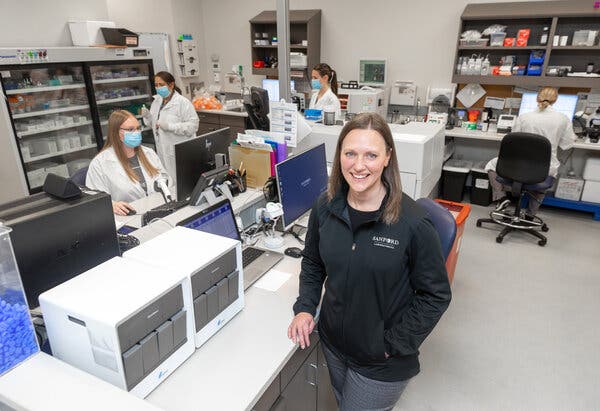
New tests for respiratory illnesses can look for more than 20 pathogens at a time.In January, a man in his 60s with heart disease and diabetes went to a South Dakota hospital with a cough and fever, worried he had Covid. A nurse swabbed the inside of his nose, and the sample went into a small device resembling an inkjet-printer cartridge, which was then placed into a machine about the size of a printer.This so-called quad test, now available at thousands of hospitals and clinics around the country, could detect not only the coronavirus, but two types of influenza and the respiratory syncytial virus, or R.S.V. A little more than a half-hour later, Dr. Blake Gustafson had the patient’s result: He had the flu.“I remember giving myself a fist bump like, ‘Yes! It’s not Covid. It’s the flu,’” said Dr. Gustafson, chief of emergency medicine of the Sanford USD Medical Center in Sioux Falls, S.D. He relayed the news to the patient and his wife, happily adding that there was a treatment he could offer right away, Tamiflu. “The relief in their eyes above their masks was very satisfying,” Dr. Gustafson said.The patient’s situation was somewhat unusual this past winter given that the United States, like many other countries, witnessed a shocking absence of a flu season. But as the country begins to reopen, doctors say that flu and other pathogens might make a comeback this autumn. What’s more, even as a growing number of people get vaccinated against Covid, there are still some 40,000 new infections every day in the United States, and a significant number of people who may be resistant to taking the vaccines.The Sanford Health system, which includes 46 hospitals and 1,400 physicians in South Dakota, carries out 600 to 800 tests for the coronavirus a day in its clinics using antigen tests, which detect proteins made by the virus. But according to Rochelle Odenbrett, the senior executive director of laboratories, the organization is now in the process of replacing all of those tests with the quad tests used in its emergency settings.Unlike the antigen tests, the quad test looks for a virus’s genetic material using a polymerase chain reaction, or P.C.R. for short. The P.C.R.-based method is far more accurate than the antigen approach, Ms. Odenbrett says. She notes that P.C.R. sequencing of patient samples used to be more cumbersome and relied on multistep procedures across different laboratory rooms. “It’s just amazing how the technology has evolved,” she said.Rochelle Odenbrett, senior executive director of laboratories at Sanford Health. “It’s just amazing how the technology has evolved,” she said.Sanford HealthThe quad test used by the Sanford system is made by the California-based company Cepheid, which received emergency authorization from the Food and Drug Administration in late September.Although last year’s flu season was nonexistent, Dr. Geoffrey Baird of the University of Washington in Seattle said that a confluence of factors might precipitate its return in the fall: children returning to school buildings, declining use of masks and perhaps a lack of recent immune system exposure to the flu. If more people get sick in the fall, he added, they will want to know if it is flu or the coronavirus.“We in the laboratory are preparing for another big boom in testing,” said Dr. Baird, whose team has run more than two million coronavirus tests since the beginning of the pandemic. “Even if people are vaccinated, they’re going to wonder, ‘Am I the breakthrough case?’”In addition to Cepheid, other companies have developed tests that look for influenza and the coronavirus at the same time, including Roche, which has received emergency use authorization for a test that looks for the coronavirus, influenza A and influenza B at once.In recent years various hospitals have developed in-house versions of these combination tests as well, some of which look for more than a dozen different respiratory pathogens simultaneously using P.C.R. technology. Those “multiplex” tests are especially helpful in diagnosing illnesses in people with weak immune systems because they allow doctors to swiftly discern what pathogen is making a person sick before it is too late to start the right treatments.A French company, bioMérieux, sells a P.C.R. test that looks for the coronavirus as well as 21 other viruses and bacteria simultaneously. And Roche recently bought a company that sells a machine that can screen for more than 20 pathogens in one go.Testing for multiple pathogens does not always lead to a simple treatment, however. Co-infections, in which a person is infected with multiple viruses simultaneously, are more common than doctors expected, and sometimes the multiplex tests might detect a viral infection but miss a bacterial one, said Dr. Daniel Griffin, chief of infectious diseases at ProHealth New York. A patient could carry the influenza virus but also test positive for a bacterium such as pneumococcus, for example.“We initially thought that every time we identified a virus, we would just be able stop all antibiotics and just treat the virus if effective antiviral therapy was available,” Dr. Griffin said. “We now know that we often need to continue antibiotics,” he explained, because sometimes the multiplex tests are not sensitive enough to rule out a bacterial culprit.Doctors and test developers are still grappling with how many pathogens to test patients for in different settings. “A burning question at every company is what panel is best — is it one, two, four, 20?” said Dr. Mark Miller, chief medical officer at bioMérieux. Relatively young and healthy adults might just need a quad test to know if they should start on Tamiflu for influenza, for example, but patients with underlying chronic diseases who are very sick might benefit from receiving the test for 22 different pathogens so that doctors can decide whether they need to be admitted to a hospital.Before the pandemic, people were not always as curious to know the exact pathogen causing respiratory symptoms, according to Dr. Alexandra Valsamakis, head of clinical development and medical affairs at Roche Diagnostics Solutions.“I think there was always this perception of ‘Oh, whatever it is, it’s not going to kill us,’” Dr. Valsamakis said. But the terrible toll of Covid-19 has changed that. “There’s this need to actually know what’s there, more than there ever was before.”

Read more →

What Are Puberty Blockers?

Recent conservative legislation has targeted a class of drugs used to treat transgender adolescents. But what do these drugs actually do?When Sebastian Liafsha came out as transgender in middle school, his mother, Heather, jumped into research mode.Ms. Liafsha, a registered nurse in Lexington, S.C., put together a three-inch-thick binder packed with printouts of various laws, medical guidelines, pharmaceutical records and more. It was there that she would record the dates and details of Sebastian’s puberty blocker injections every three months for two and a half years, starting at age 14.As a child who had never truly understood himself to be a girl, female puberty felt like an obstacle on Mr. Liafsha’s journey to manhood.For Mr. Liafsha, now 19, puberty blockers not only paused the development of unwanted secondary sexual characteristics like breasts and a menstrual cycle, they gave him and his family time to continue his social transition (the process of presenting and living as the desired gender) and prepare for any future medical interventions.“Before he started his transition, there were just a few months where puberty hit him, and he was off the wall,” Ms. Liafsha recalled. “He became really depressed.”Puberty blockers helped to increase Sebastian’s confidence and happiness as an adolescent, which Ms. Liafsha likes to illustrate by pointing to her son’s life in the theater. In middle school, she said, he had always hidden in the ensemble, but by 10th grade — after two years on puberty blockers — he had flourished into a leading man.Lately, puberty blockers have become a subject of debate in state legislatures, as lawmakers across the country introduce bills to limit health care options for transgender youth. Legislators in Arkansas already passed such a law, although Gov. Asa Hutchinson vetoed it last month. Arkansas conservatives argued that “the risks of gender transition procedures far outweigh any benefit at this stage of clinical study on these procedures.” But medical experts say that’s not the case.Among the significant benefits of puberty blockers are a reduction in suicidal tendencies, which are often high in transgender adolescents, and a reduced need for expensive gender-affirming operations as adults. But while puberty blockers are commonly referred to as “fully reversible,” more research is needed to fully understand the impact they may have on certain patients’ fertility. There is also little known about the drugs’ lasting effects on brain development and bone mineral density.Transgender youth have been the focus of new laws in states including Mississippi and Idaho, and pending in many others, designed to restrict their participation in sports — but this debate is largely separate from the discussion of puberty blockers.Because the use of puberty blockers in transgender kids is still relatively new, the information is developing.Here is a roundup of what experts know so far.What are puberty blockers?Puberty blockers are medications that suppress puberty by halting the production of estrogen or testosterone. They can stop transgender kids from experiencing the effects of puberty that may not align with their gender identities. Medically, the class of medications are called gonadotropin-releasing hormone agonists, or GnRH agonists. They are approved by the Food and Drug Administration to treat precocious puberty — puberty occurring at an unusually early age — so when they are prescribed to treat transgender youth, it’s considered an off-label use.“Off-label,” the American Academy of Pediatrics noted in a 2014 statement, “does not imply an improper, illegal, contraindicated or investigational use” — it merely refers to the process of F.D.A. approval.Ms. Liafsha recorded details about Sebastian’s puberty blockers in her binder, including date and time of injection, site of injection on the body, dosage and type of needle used.Leslie Ryann McKellar for The New York TimesThe medications may be given as shots in a doctor’s office every one, three or six months, or as an implant which lasts for about a year. Dr. Jessica Kremen, a pediatric endocrinologist for Boston Children’s Hospital’s Gender Multispecialty Service, noted that patients and families may prefer the convenience of the implants or six-month shots.“It depends a lot on what is obtainable through a patient’s insurance,” Dr. Kremen said. Insurance companies are reluctant to cover off-label drug treatments, and implants can run up to approximately $45,000 per implant out of pocket, while shots cost can cost thousands of dollars per dose.“That often determines which form we ended up using,” Dr. Kremen said. “But they all work well, as long as you administer them on time.”How do they work?Typically, in puberty, gonadotropin-releasing hormone helps to produce follicle-stimulating hormone (FSH) and luteinizing hormone (L.H.). In people assigned female at birth, these hormones prompt the ovaries to make estrogen, which promotes processes like breast growth and menstruation. In people assigned male at birth, they prompt the testes to make testosterone, which promotes processes like facial hair growth and a deepening of the voice.Puberty blockers disrupt the production of FSH and L.H., therefore blocking the production of estrogen or testosterone. As a result, transgender adolescents do not continue to develop unwanted secondary sexual characteristics — transgender boys do not develop breasts and transgender girls do not develop facial hair, for example.Puberty blockers do not stop an early stage in sexual maturation called adrenarche, which can cause acne, the growth of underarm and pubic hair and body odor.Who can get puberty blockers?Although parents might think they should start puberty blockers very young, so that a child never has to experience any physical changes associated with the unwanted gender, experts say it’s better to wait at least until the early stages of puberty have started. Dr. Stephen Rosenthal, medical director of the child and adolescent gender center for U.C.S.F. Benioff Children’s Hospitals, was a co-author of the Endocrine Society’s 2017 guidelines for transgender health care. He recommended starting puberty blockers when breast budding or the enlargement of the testes has begun, at the earliest.That’s because Dr. Rosenthal does not recommend puberty blockers for prolonged use outside of the normal window of puberty. They restrict the functioning of the gonads, which may lead to adverse health effects. The longer blockers are used past the typical start of puberty — generally age 14, at the latest — the greater the possible risk.When blockers are initiated in the early stages of puberty, Dr. Rosenthal typically suggests that his patients stop using them by age 14. At that point, patients, with their families and their doctors, can determine whether to introduce hormones that help them develop according to their gender identity or resume puberty in the gender assigned at birth.Dr. Rosenthal further recommended that before starting blockers, children be evaluated by a mental health professional and determined to have gender dysphoria. He said families should also undergo a thorough process of informed consent, during which they are educated about the potential effects of blocking puberty — including adverse ones.The World Professional Association for Transgender Health’s guidelines for medical care suggest that “before any physical interventions are considered for adolescents, extensive exploration of psychological, family and social issues should be undertaken.” Professionals emphasized mental health care as an integral part of the process.What are the benefits?Treatment with puberty blockers may improve the mental health of transgender adolescents, who are at high risk for suicide. A 2020 study found lower odds of lifetime suicidal ideation in transgender adults who wanted to take puberty blockers and were able to access this treatment. Another recent study showed similarly positive effects: transgender adolescents receiving puberty blockers had less “emotional and behavioral problems” than transgender adolescents recently referred to care, and also reported rates of self-harm and suicidality similar to those of their non-transgender peers. A 2020 study of 50 transgender adolescents indicated that puberty blockers and gender-affirming hormone treatments, or both, could positively impact quality of life and decrease depression and suicidal ideation. A 2014 study found that 55 young transgender adults who used puberty blockers, took gender-affirming hormones and had gender confirmation surgeries were able to “resolve” their gender dysphoria and showed overall well-being “in many respects comparable to peers.”When Mr. Liafsha was an adolescent, puberty blockers helped to increase his confidence. After years in his school’s ensemble theater casts, he became a leading man.Leslie Ryann McKellar for The New York TimesBecause puberty blockers halt the development of secondary sexual characteristics, transgender adolescents who take them before gender-affirming hormones may also be able to avoid future gender-affirming procedures. For instance, transgender men who don’t develop breasts wouldn’t have reason to have mastectomies, while transgender women who don’t develop masculine facial features might no longer choose to have facial feminization surgery.What are the risks?Puberty blockers are largely considered safe for short-term use in transgender adolescents, with known side effects including hot flashes, fatigue and mood swings. But doctors do not yet know how the drugs could affect factors like bone mineral density, brain development and fertility in transgender patients.The Endocrine Society recommends lab work be done regularly to measure height and weight, bone health and hormone and vitamin levels while adolescents are taking puberty blockers.A handful of studies have underscored low bone mineral density as a potential issue, though a 2020 study posited that low bone mineral density may instead be a pre-existing condition in transgender youth. Treatment with gender-affirming hormones may theoretically reverse this effect, according to Endocrine Society guidelines.The impact of puberty blockers on brain development is similarly hazy. The Endocrine Society guidelines point to two studies: A small one published in 2015 showed that the drugs did not seem to impact executive functioning (cognitive processes including self-control and working memory), while a 2017 study of rams treated with GnRH agonists suggested chronic use could harm long-term spatial memory. (Of course, rams are not humans.)The effects of puberty blockers are often referred to as “fully reversible,” including in both the Endocrine Society and WPATH guidelines, because of evidence showing that girls treated for precocious puberty were still able to undergo normal puberty and have children later in life.While much of the data gleaned from precocious puberty treatments are applicable to transgender patients, Dr. Kremen said, “you’re asking a different question for precocious puberty than you are for a transgender child” when it comes to fertility. Halting puberty at its onset and then later starting gender-affirming hormones — a typical course for some transgender adolescents — may affect the ability to have children, she said. The Endocrine Society advises clinicians to counsel patients on “options for fertility preservation prior to initiating puberty suppression in adolescents.”It is also worth noting that Lupron, one of the drugs widely used as a puberty blocker, has been reported to have long-term adverse effects in women who used it to treat precocious puberty. Women have reported issues including depression, bone thinning and chronic pain.Puberty blockers may also impact future gender-affirming surgeries for transgender women. A recent study showed that transgender women who began puberty blockers at the start of puberty were 84 times more likely to require abdominal surgery if they wanted to pursue gender-affirming surgery. Because tissue from the penis and testes is used to construct a neovagina, and puberty blockers prevent the growth of those organs, material from the colon or omentum may need to be used.An in-depth conversation detailing puberty blocker treatment and all its potential effects is an essential part of any transgender adolescent’s care. Specialists are eager for more research, but for now, they say the apparent benefits outweigh the hypothetical risks.“Medications are rarely without side effects,” Dr. Kremen said. “That is usually not enough of a reason to allow a child, who is telling you that they’re extremely distressed by the pubertal changes that they’re seeing, to continue going through puberty.”“Knowing what we do know, these medications have enormous benefits for the population that we care for,” she added.

Read more →