Good, but Not Great: Taking Stock of a Big Ten University’s Covid Plan
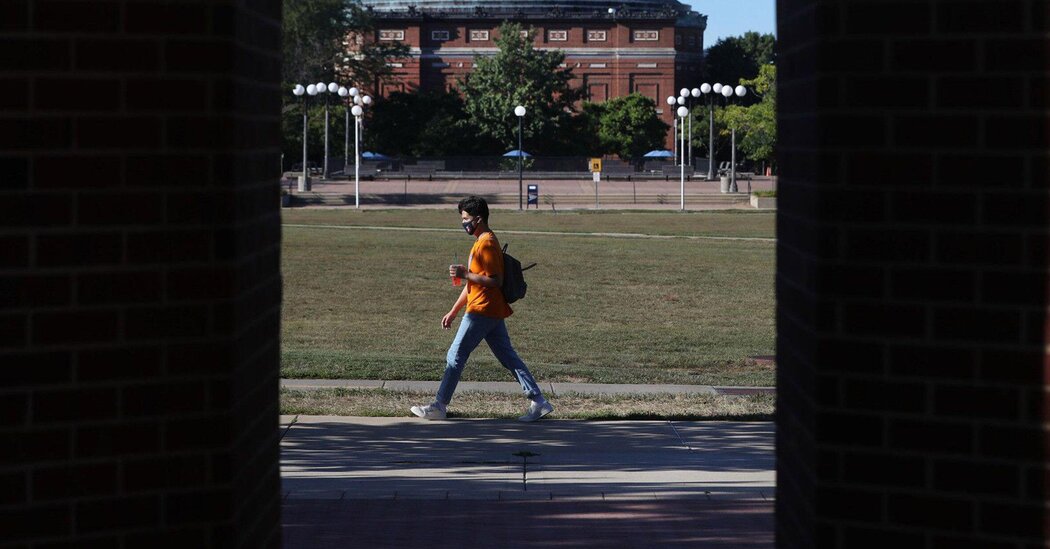
The University of Illinois says an aggressive testing program prevented deaths on and off campus during the last academic year. Now the university is contending with the Delta variant.This week is the start of a new academic year at the University of Illinois at Urbana-Champaign.After a year and a half disrupted by a pandemic, most classes will be in classrooms again, with students and professors breathing the same air. And most people will be vaccinated.The campus last week “was just really just really thriving with excitement,” said Robert J. Jones, the university’s chancellor. “Particularly among the students that did the whole year remote last year.”During that year, the university implemented an ambitious experiment in virus surveillance. It included testing, two to three times a week, of tens of thousands of students, faculty members and staff members — everyone who came to campus — in the hopes of keeping the coronavirus in check. It served as a model for other educational institutions, and some carried out similar programs.“We still know of no hospitalizations or deaths caused by spread on our campus,” said Martin D. Burke, a chemistry professor who led the university’s testing strategy. This month, ahead of this year’s return to campus, a paper by Illinois researchers is calling the Covid testing program a major success not just for the university but also the surrounding community, lowering the number of deaths from the disease.But university officials acknowledge that there were missteps and that lessons were learned. They are also grappling with the uncertainty arising from the Delta variant and how much testing and other measures will be needed.“Our hope, and our desire, is that we can end this semester, and this academic year, the way that we started, by bringing everybody back to campus with some minimal restrictions,” Dr. Jones said. “I’m very optimistic about this academic year.”Back on CampusLike many colleges, the University of Illinois shut down its campus in the spring of 2020. Officials soon started exploring whether they could bring back students in the fall.Scientists at the university developed a quick, reliable test that used saliva instead of uncomfortable nose swabs and set up a laboratory to churn out thousands of results a day.Other researchers developed a detailed computer model that indicated that twice-a-week testing of the entire university community would detect cases before the virus had spread to others.About 25,000 undergraduate students returned to campus in the fall last year. And the plan went awry almost immediatelySome students, as expected, carried the coronavirus to Champaign and Urbana, the bordering towns that are home to the campus. University officials thought that the first round of tests would identify those cases, those students would isolate themselves and infections would dwindle within a couple of weeks.Instead, the numbers surged.The computer models had assumed that students who tested positive would isolate themselves in their dorms or their off-campus housing. The researchers had not taken into account that a few infected undergraduates would continue partying, creating superspreader events.Collecting a saliva sample for coronavirus testing at the University of Illinois at Urbana-Champaign in July.Brian Cassella/Chicago Tribune, via TNS, via Alamy Live NewsThe campus was locked down, and all students were told to stay in their rooms except for essential activities, which included attending class. That ended the surge, but university administrators were mocked for not having taken into account that some students would not do what they were told.After that, the rate of Covid cases rose and fell but remained largely under control.There were more than 4,300 cases at the university in the fall semester, about three-quarters of them among undergraduates. The comprehensive testing identified many who were asymptomatic and could have spread the virus to others. The testing also revealed hot spots, and certain students were asked to undergo testing three times a week.The students went home for Thanksgiving, as had been planned, and the last part of the fall semester was taught remotely.The results were good enough that university officials decided to bring students back in January.At the beginning of the spring semester, the return of students was spread over two weeks to limit infection. And spring break was canceled and replaced by three Wednesdays off during the semester to discourage travel away from campus.The number of coronavirus infections again bumped upward as students arrived.During the spring semester, there were close to 2,000 coronavirus cases, about half as many as during the fall.Daniel J. Simons, a psychology professor who has been a critic of how his university handled the pandemic, is still not sure that the risks were worth it. “That’s a judgment call of whether it was appropriate to open or not,” he said.Over the course of the academic year, more than 5,000 undergraduates contracted Covid-19. Yet none died, or even became dangerously ill from Covid, university officials say.“We were able to keep those numbers very much under control,” Dr. Burke said. “It’s not just the total numbers that creep up over the course of a whole year. It’s avoiding those exponential outbreaks.”Even some critics, like Dr. Simons, agreed.“It could have been absolute disaster,” he said. “And it turned out not to have been.”Carl T. Bergstrom, an infectious-disease expert at the University of Washington who had praised Illinois’s plan last year, said of the final tally, “It’s good, but it’s not great.”He added, “It underscores how difficult control is in that kind of environment.”In some college towns, coronavirus outbreaks among students spilled over into the wider community. Not only did that not occur in Champaign and Urbana, university officials say, but an analysis by Dr. Burke and other scientists argues that the university’s efforts benefited people beyond campus. They reported the finding in a paper that has not yet been accepted for publication in a peer-reviewed journal.The analysis calculated the number of deaths expected for counties that are home to universities in the Big Ten athletic conference between July 6 and Dec. 23 last year, largely based on federal data but making adjustments for the social and economic makeup of the communities. For 11 of those counties, the number of Covid deaths almost matched total deaths projected by the scientists’ analysis. (Data was not available for two Big Ten universities: the University of Nebraska and the University of Maryland.)For the University of Illinois, the number of deaths in Champaign County was significantly lower than expected, the researchers said, by 14.6 percent.The Big Ten universities all imposed similar requirements for social distancing and masks, so the researchers argue that the comprehensive testing program at Illinois “uniquely resulted in a protective effect for the communities in Champaign County.”Alex Perkins, a professor of biological sciences at Notre Dame, praised the paper overall as “incredibly impressive” but said the mortality analysis was not “particularly convincing or conclusive.”A detailed analysis, Dr. Perkins said, would need to take into account the history of how the pandemic had played out in each community as well as nearby areas. “While it is an intriguing result,” he said, “I think it would take quite a lot of additional analysis to see how well that conclusion holds up.”The lessons that the University of Illinois learned have also served as a model for other institutions and communities. The university helped set up laboratories and testing programs at other universities, community colleges, public school districts, the Illinois General Assembly and private companies.Dr. Burke said he was most excited about the program in the Baltimore City public schools, where high school students are being tested weekly, one of the few school systems in the country that will employ comprehensive testing.“So I think it made a huge impact, not just here,” he said.And Illinois wasn’t the only university that implemented frequent, comprehensive testing, although it was quite likely the largest with such a diverse student population. Still, Cornell in Ithaca, N.Y., and Northeastern in Boston tried a similar approach and fared even better, with lower infection rates than Illinois’s throughout the fall.“In the end, we beat our optimistic model,” Martha E. Pollack, Cornell’s president, said earlier this year.New Academic Year, New ChallengesFor the fall, the university is requiring students, faculty members and staff members to be vaccinated. But the requirement offers a permissive loophole. It applies only to those “who are able to do so” with no requirement to explain why one might not be able to do so.Dr. Jones expects that the vast majority have complied.“We expect them to be north of 85 percent, definitely, may even be 90,” he said.Those who do not provide proof of vaccination will undergo frequent testing again — every other day for undergraduates, twice a week for graduate students and faculty and staff members. Those who do not comply are locked out of university buildings.Because of the Delta variant, masks are required indoors, even for the vaccinated.Dr. Jones said university officials had also learned from last year’s missteps, particularly a failure to focus on human dynamics and behavior.“You’ve got to always calculate that,” he said.Cornell and Northeastern have imposed similar requirements and restrictions. Dr. Pollack of Cornell said 94 percent of people at Cornell, including 97 percent of students and 99 percent of faculty members, were fully vaccinated.The Illinois campus is also planning for a resurgence of existing variants, or a more virulent one. The university has canceled reservations made at its on-campus hotel so that the rooms can be used to isolate and quarantine students if needed. The testing program can be ramped up again.“We’re still taking some of the same precautions, just to be on the safe side,” Dr. Jones said. “If the data and if the science says something different, we will turn on a dime. Absolutely.”

Read more →
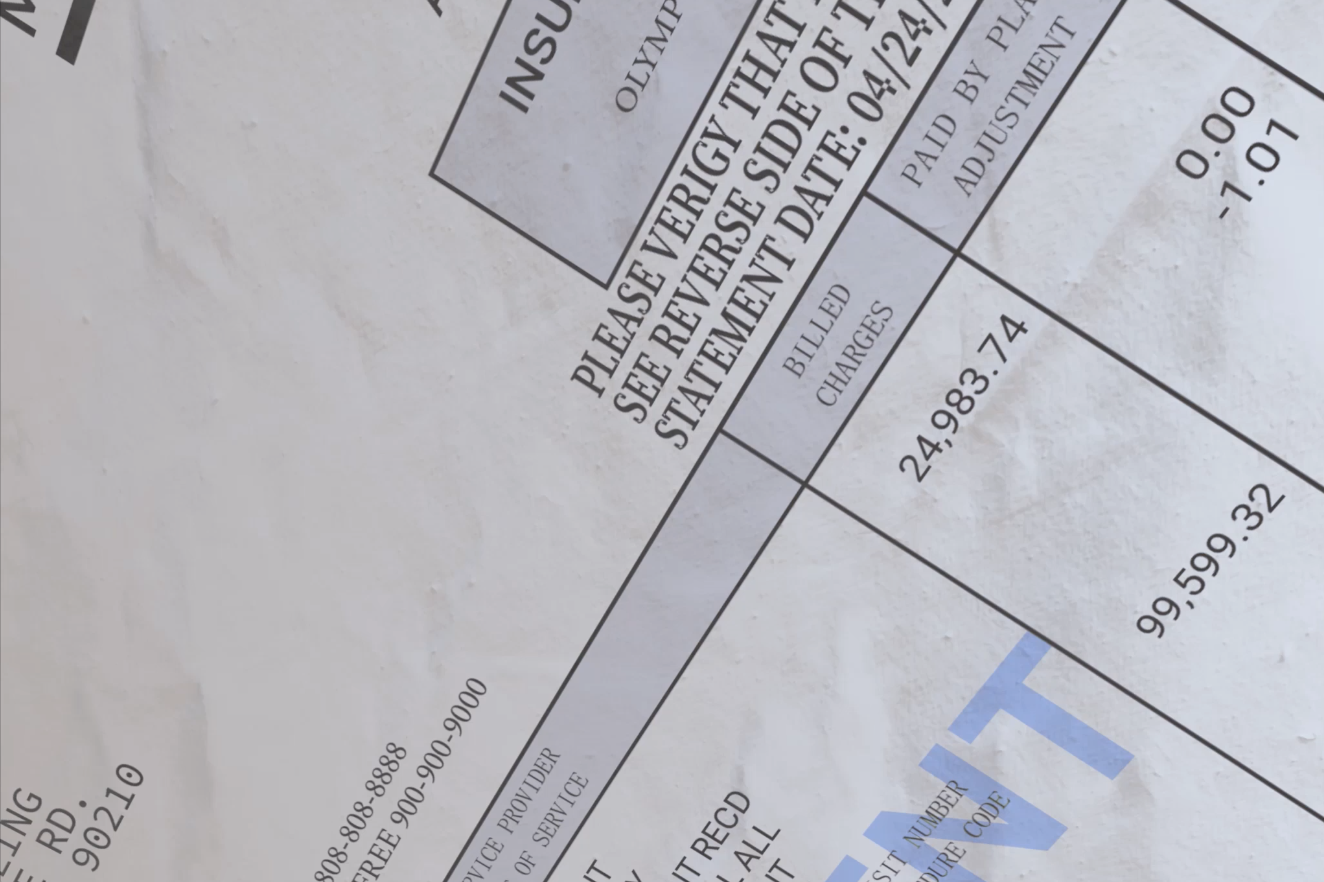
Do you have a medical bill we should investigate? Share it with us.

Readers’ bills can help us understand the high costs of our health care system.Scott GelberThe New York Times is looking into the high costs of American health care and the wide price variation that patients face from one hospital or doctor’s office to another.And we need your help. Medical bills help us see the prices that hospitals and insurers have long kept secret. If you have a medical bill that surprised you — maybe because of a high price, or an unexpected charge — we’d love to review it. A reporter may follow up to learn more.

Read more →

A Rush of News: Behind The New York Times's Live Coverage

When readers need information immediately, teams of journalists collaborate to tell a single unfolding story.Times Insider explains who we are and what we do, and delivers behind-the-scenes insights into how our journalism comes together.When the Taliban’s takeover of Afghanistan began accelerating with stunning speed, The New York Times quickly shifted into live coverage mode: Reporters and editors posted developments as they happened on the collapse of Kandahar, the disintegration of the Afghan military, the global response to the U.S. government’s actions and more, all packaged together.The live coverage format, which allows journalists to share the news as they learn it, has become a familiar one at The Times for reporting big events. So far this year, the newsroom has published more than 800 live stories, each consisting of a series of dispatches and updates that together can amount to thousands of words. On a typical day, The Times publishes four live packages — on the coronavirus, politics, business news and extreme weather — but there have been days with as many as eight.In the middle of it all is the Live team, a unit of about a dozen reporters and editors that was formed at the beginning of the year to collaborate with desks across the newsroom in creating and executing breaking news coverage.The Times has outgrown its role as a New York-centric print newspaper, Marc Lacey, an assistant managing editor who leads the Live team, said. It is now a global digital news organization that also produces podcasts, videos and newsletters along with a newspaper — the investment in the Live team is just the latest step in its continuous evolution, he added.“I want people all over the world to think about us when a big story breaks,” he said. “Whether it’s in Times Square or Tiananmen Square or somewhere in between.”Front-page news events — wildfires, the earthquake in Haiti, the resignation of Gov. Andrew M. Cuomo — are obvious candidates for live coverage. But The Times has offered live coverage of the Grammy Awards, the National Spelling Bee, the Olympics, even Meghan Markle and Prince Harry’s interview with Oprah Winfrey.“Anything people want to know information about immediately is a good fit,” Traci Carl, one of two deputy editors on the Live team, said.Live stories are anchored by beat reporters who are experts on their subject matter, and the Live team works as a group of consultants to other departments. Its journalists will offer ideas, troubleshoot problems, assist in reporting and editing, and at times create or manage a live story. “We act as a support system for desks,” Ms. Carl said. “We help them get a team in place and advise on the best approaches, but we don’t want to run their coverage.”While The Times’s Express desk, another unit of reporters and editors, initially responds to many breaking news stories, the Live team, working with other departments, focuses on setting up live coverage. Express reporters are frequently critical in contributing to live coverage as other desks like International and National dispatch correspondents to the scene.The Times mainly uses two types of live formats. A fast-moving blog, in which the latest information appears at the top, allows for short comments by reporters interspersed with concise reported items, a format used for the Derek Chauvin trial and the Emmy Awards. Briefings, which have an index of their entries at the top, “are more of a synthesis of a big story, a little higher altitude,” Mr. Lacey said.“A blog is like a fire hose of news,” Melissa Hoppert, a deputy editor for the Live team, said. “A briefing is a curated experience with takeaways at the top: Here’s what you need to know if you read only one thing on the subject all day.”The Times has experimented with live blogs for about a decade, and it turned to live coverage to report on momentous events like the terrorist attacks in Paris in 2015. The Times published its first daily coronavirus briefing on Jan. 23, 2020, and has not stopped since, making it the organization’s longest running 24-hour live briefing.The reader demand for live coverage, especially the coronavirus briefing, which recently surpassed 900 million page views, led The Times to create the Live team.Producing the daily live briefings requires collaboration among dozens of editors, reporters and researchers around the world: The coronavirus briefing, for instance, is a 24-hour relay involving multiple time zones and three hubs in Seoul, South Korea; London; and New York.The editors overseeing the briefings stay in constant contact through video conferences as well as email, multiple encrypted apps, internal chat groups and Google Docs.“It’s intense,” Ms. Hoppert said of working a briefing shift during a fast-breaking news event. “You’re essentially figuring out what’s going on at the same time readers are.”

Read more →

Barbara Kannapell, Activist Who Empowered Deaf People, Dies at 83

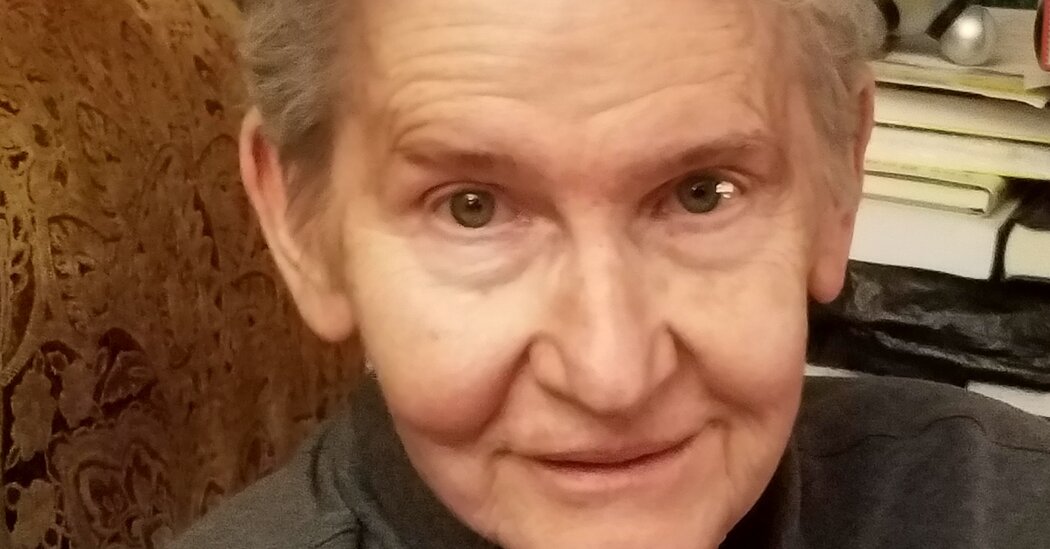
She gave them a sense of identity and culture and helped legitimize American Sign Language, which she considered her native language.Barbara Kannapell, a world-renowned deaf activist who made it her life’s work to empower deaf and hard-of-hearing people with a sense of identity and an appreciation for their own distinct culture, and who advanced the idea that American Sign Language was a legitimate, foundational language, died on Aug. 11 in Washington. She was 83. The cause was complications of hip surgery, her wife, Mary Eileen Paul, said.As the daughter of deaf parents who was born deaf herself, Dr. Kannapell grew up in a supportive home environment, with American Sign Language an integral part of her development. A.S.L. is one of more than 300 signed languages in the world, with its own grammar and syntax, and it has given millions of deaf people in the United States a fully accessible language from their earliest days.Although Dr. Kannapell was comfortable with A.S.L., her hearing paternal grandmother insisted she attend a so-called oral school, in which children are not allowed to sign and are forced to try to speak.Throughout her early schooling, Dr. Kannapell felt the sting of what is now known as audism — rejection of people who are deaf. At one school, she wrote in a 2011 open letter, the principal tried to make her say “United States.” When she was unable to do so, the principal slapped her face. At another, students who could speak were rewarded.The oral approach, which emphasizes speech, lip-reading and the use of residual hearing, is still practiced today and has vigorous defenders. But Dr. Kannapell wrote that for her, oralism was destructive and made her feel like a failure. It “has contributed,” she added, “to self-hate and struggles with identity for generations of deaf people.”Still, she always had a strong sense of self, and with encouragement from her family, she forged ahead. Despite her early challenges — or perhaps because of them — she was determined to help deaf people shape a positive self-identity and celebrate their achievements.She considered A.S.L. her native language, and it provided the linguistic foundation for her to become proficient in English — which made her realize, she said, that she was bilingual. She is credited with taking the existing concept of bilingualism and applying it to the deaf experience — a breakthrough that recognized and elevated the value of A.S.L. and empowered its users.“Once I learned that A.S.L. is my native language,” she told The Washington Post in 1988, “I developed a strong sense of identity as a deaf person and a more positive self-image.”She was the first deaf person at Georgetown University to earn a Ph.D. in sociolinguistics (the study of a society’s effect on language), and she became a popular consultant, educator and leader in the deaf world. She conducted workshops on power and oppression and lectured across the United States, Central America, South America and Europe on the bilingual education of deaf people.She was a natural community leader. She was a founder of Deafpride Inc., a nonprofit advocacy organization, in 1972, and served as its president until 1985. The organization was dedicated to deaf consciousness-raising but also helped provide deaf people in the Washington area with access to programs, interpreting services and A.S.L. classes.As someone who had struggled with sobriety (at her death she had been sober for 50 years), she also helped establish an all-deaf group within Alcoholics Anonymous.Dr. Kannapell “was years, if not decades, ahead of her time in every way,” said Roberta J. Cordano, the president of Gallaudet, the only liberal arts university devoted to deaf people.Mary Eileen Paul“Dr. Barbara Kannapell was years, if not decades, ahead of her time in every way,” Roberta J. Cordano, president of Gallaudet University, the world’s only liberal arts university devoted to deaf people, said in a statement.“At a time when sign language was significantly doubted, devalued and undermined as important for learning and language development,” Ms. Cordano added, “she was one of the first to research and posit the importance of American Sign Language for all deaf children and adults.”Ms. Cordano noted that Dr. Kannapell “was also proudly ‘out’ and a strong advocate for the L.G.B.T.Q.I.A.+ deaf community, and a strong ally and leader in our community for removing barriers for Black deaf people” — especially in the realms of education and employment, as well as access to services.Barbara Marie Kannapell was born on Sept. 14, 1937, in Louisville, Ky. Her father, Robert Harry Kannapell, went into the printing trade, as did many deaf people, and became a linotype operator for The Louisville Courier-Journal. Her mother, Eleanor (Houston) Kannapell, was a homemaker.Both her parents attended Gallaudet, and Barbara, known as Kanny, followed in their footsteps, earning her bachelor’s degree in deaf education in 1961. She received a master’s degree in educational technology from the Catholic University of America in Washington in 1970. For her dissertation at Georgetown, where she earned her doctoral degree in 1985, she researched the attitudes of 200 Gallaudet students and found that 62 percent of them considered themselves bilingual in A.S.L. and English.After graduating from Gallaudet, she began a four-decade affiliation with the university, starting as a research assistant in 1962. Her last appointment there was as an adjunct professor, from 1987 to 2003. She also taught at the Community College of Baltimore County, where she started as an adjunct in 1997 and retired as an associate professor in 2014.She met Ms. Paul, who was a writer and editor and a consultant on women’s leadership (she is now retired), at a gay bar in Washington in 1971, Ms. Paul said in an interview. The bar had telephones at the tables so people could call other tables. Ms. Paul, who hears, was with a friend who called Dr. Kannapell’s table, but all the people there were deaf and couldn’t hear the phone. So Ms. Paul and her friend went over and introduced themselves in person.“I ran to the library the next day and looked up everything I could find about deaf people,” Ms. Paul said. She then met Dr. Kannapell for lunch, where they communicated in writing.Their relationship blossomed. When same-sex marriage was still illegal, they held a commitment ceremony; they married in the District of Columbia in 2013. Ms. Paul is Dr. Kannapell’s only immediate survivor.Among Dr. Kannapell’s many interests, she had a fascination with the experiences of deaf Americans during World War II. Over the decades, she amassed a rich store of data, including interviews with deaf people who had worked in wartime factories and material she received from deaf people and their descendants. She published an early summation of her research, “Forgotten Americans: Deaf War Plant Workers in World War II,” in the magazine of the National Association of the Deaf in 2002.Ms. Paul and various colleagues are planning to finish her project and publish it in the near future.

Read more →

Antibody protects against broad range of COVID-19 virus variants

The virus that causes COVID-19 today is not the same as the one that first sickened people way back in December 2019. Many of the variants circulating now are partially resistant to some of the antibody-based therapeutics that were developed based on the original virus. As the pandemic continues, more variants inevitably will arise, and the problem of resistance will only grow.
Researchers at Washington University School of Medicine in St. Louis have identified an antibody that is highly protective at low doses against a wide range of viral variants. Moreover, the antibody attaches to a part of the virus that differs little across the variants, meaning that it is unlikely for resistance to arise at this spot. The findings, available online in the journal Immunity, could be a step toward developing new antibody-based therapies that are less likely to lose their potency as the virus mutates.
“Current antibodies may work against some but not all variants,” said senior author Michael S. Diamond, MD, PhD, the Herbert S. Gasser Professor of Medicine. “The virus will likely continue to evolve over time and space. Having broadly neutralizing, effective antibodies that work individually and can be paired to make new combinations will likely prevent resistance.”
SARS-CoV-2, the virus that causes COVID-19, uses a protein called spike to attach to and invade cells in the body’s respiratory tract. Antibodies that prevent spike from attaching to cells neutralize the virus and prevent disease. Many variants have acquired mutations in their spike genes that allow them to evade some antibodies generated against the original strain, undermining the effectiveness of antibody-based therapeutics.
To find neutralizing antibodies that work against a wide range of variants, the researchers began by immunizing mice with a key part of the spike protein known as the receptor-binding domain. Then, they extracted antibody-producing cells and obtained 43 antibodies from them that recognize the receptor-binding domain. Along with Diamond, the research team included co-first authors Laura VanBlargan, PhD, a staff scientist; Lucas J. Adams, an MD/PhD student; and Zhuoming Liu, PhD, a staff scientist; as well as co-author Daved Fremont, PhD, a professor of pathology & immunology, of biochemistry & molecular biophysics and of molecular microbiology.
The researchers screened the 43 antibodies by measuring how well they prevented the original variant of SARS-CoV-2 from infecting cells in a dish. Nine of the most potent neutralizing antibodies were then tested in mice to see whether they could protect animals infected with the original SARS-CoV-2 from disease. Multiple antibodies passed both tests, with varying degrees of potency.
The researchers selected the two antibodies that were most effective at protecting mice from disease and tested them against a panel of viral variants. The panel comprised viruses with spike proteins representing all four variants of concern (alpha, beta, gamma and delta), two variants of interest (kappa and iota), and several unnamed variants that are being monitored as potential threats. One antibody, SARS2-38, easily neutralized all the variants. Moreover, a humanized version of SARS2-38 protected mice against disease caused by two variants: kappa and a virus containing the spike protein from the beta variant. The beta variant is notoriously resistant to antibodies, so its inability to resist SARS2-38 is particularly remarkable, the researchers noted.
Further experiments pinpointed the precise spot on the spike protein recognized by the antibody, and identified two mutations at that spot that could, in principle, prevent the antibody from working. These mutations are vanishingly rare in the real world, however. The researchers searched a database of nearly 800,000 SARS-CoV-2 sequences and found escape mutations in only 0.04% of them.
“This antibody is both highly neutralizing (meaning it works very well at low concentrations) and broadly neutralizing (meaning it works against all variants),” said Diamond, who is also a professor of molecular microbiology and of pathology & immunology. “That’s an unusual and very desirable combination for an antibody. Also, it binds to a unique spot on the spike protein that isn’t targeted by other antibodies under development. That’s great for combination therapy. We could start thinking about combining this antibody with another one that binds somewhere else to create a combination therapy that would be very difficult for the virus to resist.”
Story Source:
Materials provided by Washington University School of Medicine. Original written by Tamara Bhandari. Note: Content may be edited for style and length.

Read more →

Researchers develop novel strategy for tuberculosis vaccine

Innovators at Purdue University and Houston Methodist Research Institute have created a novel strategy for developing an effective vaccine for a widespread form of tuberculosis.
Mycobacterium tuberculosis (Mtb) is a leading cause of death worldwide, leading to over 1.5 million fatalities annually. Approximately one-third of the global population is infected with the latent form of Mtb. Bacillus Calmette-Guérin (BCG) is widely used as a vaccine against tuberculosis but has a variable protection against neonatal and adult pulmonary TB. That protection can, however, range from zero to 80% among infants. Children are routinely vaccinated, yet Mtb dissemination into brain and tuberculosis meningitis continues to occur.
Purdue and Houston Methodist researchers have created this novel TB vaccine formulation by incorporating autophagy-mediated antigen presentation, which initiates an enhanced T cell response. Chinnaswamy Jagannath, professor of pathology and genomic medicine at the Houston Methodist Research Institute, which is an affiliate of Weill Cornell Medical College, showed that the novel formulation improves the development of tuberculosis-specific immune responses. Jagannath collaborates with Dr. Suresh Mittal, Distinguished Professor of Virology in Purdue’s College of Veterinary Medicine.
“Our vaccine approach is equally effective without or with prior vaccination with BCG,” Mittal said.
“It is vital since the majority of people in Mtb-endemic countries are already immunized with BCG,” Jagannath said.
Mittal’s lab studies delivery platforms for vaccines, and Jagannath’s lab used the nasal delivery route for this TB vaccine development.
“The great thing about this work with TB is that it can translate to other infectious diseases and possibly cancer immunotherapy,” Mittal said.
The innovators have worked with the Purdue Research Foundation Office of Technology Commercialization to patent their technology. The innovators and OTC are looking for partners to continue developing it. The next step for the vaccine formulation is to conduct a vaccine efficacy study in a nonhuman primate model. Mittal said the successful completion of the study will form the basis for a human trial, though no human trial is currently planned.
Story Source:
Materials provided by Purdue University. Note: Content may be edited for style and length.

Read more →

PULSAR-integrated radiotherapy with immunotherapy for improved tumor control

Artificial intelligence, along with a $71-million expansion of Radiation Oncology services, is allowing UT Southwestern Medical Center cancer physicians to pioneer a new PULSAR radiation-therapy strategy that improves tumor control compared with traditional daily therapy.
Personalized Ultra-Fractionated Stereotactic Adaptive Radiotherapy, or PULSAR — detailed in the International Journal of Radiation Oncology, Biology, Physics — achieved better tumor control by giving α-PD-L1 therapy during or after radiation, and spacing fractions 10 days apart rather than traditional daily fractions.
In the PULSAR paradigm, patients receive only a few large dose “pulses,” delivered with sophisticated, image-guided precision, at least a week, perhaps even months, apart. These “split treatments” are a radical break from the daily, long-course, conventional radiation treatments lasting six to nine weeks. They are less toxic and give oncologists time to fine-tune treatment after the new machines’ imaging shows the tumor’s changed shape, size, position, and its reaction to radiation.
“We unexpectedly found in these experiments that the time split between large, focused doses of radiotherapy will predict whether a certain class of immunotherapy drugs will work,” said Robert Timmerman, M.D., Professor of Radiation Oncology and Neurological Surgery, and member of the Harold C. Simmons Comprehensive Cancer Center at UT Southwestern. “If they are 10 days apart, the drug therapy helps a lot for this model. If they are one to four days, it doesn’t help. Yet many of the clinical trials that are being done right now with radiotherapy and immunotherapy are using radiation schedules a day apart or every other day apart — perhaps the exact wrong timing.”
By allowing more time to assess changes for meaningful adaptation of an individual patient’s course, the PULSAR paradigm fulfills the promise of personalized cancer care. Instead of marching through a course of stand-alone, daily radiotherapy without interruption, PULSAR can be spaced out to more thoughtfully integrate with surgery and drug therapy.
“Using artificial intelligence, the team can replan cancer treatment in 30 minutes instead of the typical five to seven days,” said Dr. Timmerman, Vice Chair and Medical Director of Radiation Oncology who holds the Effie Marie Cain Distinguished Chair in Cancer Therapy Research. “The equipment and expertise under one roof should break new ground in fighting cancer.”
Collaborating on the PULSAR project are faculty from the departments of Radiation Oncology, Immunology, Pathology, and Neurological Surgery, and members of UT Southwestern’s Peter O’Donnell Jr. Brain Institute and Simmons Cancer Center — one of 51 designated comprehensive cancer centers in the U.S. by the National Cancer Institute, a member of the elite 30-member National Comprehensive Cancer Network, with its cancer program nationally ranked among the top 25 by U.S. News & World Report.

Read more →

‘Nursing Is in Crisis’: Staff Shortages Put Patients at Risk

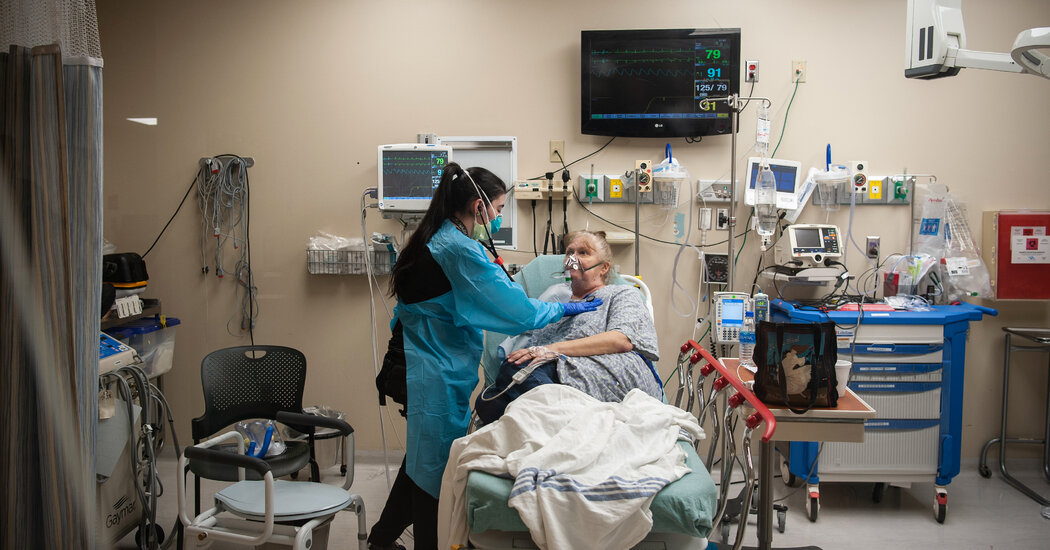
“When hospitals are understaffed, people die,” one expert warned as the U.S. health systems reach a breaking point in the face of the Delta variant.Cyndy O’Brien, an emergency room nurse at Ocean Springs Hospital on the Gulf Coast of Mississippi, could not believe her eyes as she arrived for work. There were people sprawled out in their cars gasping for air as three ambulances with gravely ill patients idled in the parking lot. Just inside the front doors, a crush of anxious people jostled to get the attention of an overwhelmed triage nurse.“It’s like a war zone,” said Ms. O’Brien, who is the patient care coordinator at Singing River, a small health system near the Alabama border that includes Ocean Springs. “We are just barraged with patients and have nowhere to put them.”The bottleneck, however, has little to do with a lack of space. Nearly 30 percent of Singing River’s 500 beds are empty. With 169 unfilled nursing positions, administrators must keep the beds empty.Nursing shortages have long vexed hospitals. But in the year and half since its ferocious debut in the United States, the coronavirus pandemic has stretched the nation’s nurses as never before, testing their skills and stamina as desperately ill patients with a poorly understood malady flooded emergency rooms. They remained steadfast amid a calamitous shortage of personal protective equipment; spurred by a sense of duty, they flocked from across the country to the newest hot zones, sometimes working as volunteers. More than 1,200 of them have died from the virus.Now, as the highly contagious Delta variant pummels the United States, bedside nurses, the workhorse of a well-oiled hospital, are depleted and traumatized, their ranks thinned by early retirements or career shifts that traded the emergency room for less stressful nursing jobs at schools, summer camps and private doctor’s offices.“We’re exhausted, both physically and emotionally,” Ms. O’Brien said, choking back tears.Cyndy O’Brien, an emergency room nurse at Ocean Springs Hospital. “We are just barraged with patients and have nowhere to put them,” she said.Rory Doyle for The New York TimesA Covid patient under treatment at Ocean Springs Hospital, part of the Singing River nonprofit health system, which has 169 unfilled nursing positions.Rory Doyle for The New York TimesLike hospital leaders across much of the South, Lee Bond, the chief executive of Singing River, has been struggling to stanch the loss of nurses over the past year. Burnout and the lure of financially flush health systems have hobbled hospitals during the worst public health crisis in living memory.With just over a third of Mississippi residents fully vaccinated, Mr. Bond is terrified things will worsen in the coming weeks as schools reopen and Gov. Tate Reeves doubles down on his refusal to reinstate mask mandates. “Our nurses are at their wits’ end,” Mr. Bond said. “They are tired, overburdened, and they feel like forgotten soldiers.”Across the country, the shortages are complicating efforts to treat hospitalized coronavirus patients, leading to longer emergency room waiting times and rushed or inadequate care as health workers struggle to treat to patients who often require exacting, round-the-clock attention, according to interviews with hospital executives, state health officials and medical workers who have spent the past 17 months in the trenches.The staffing shortages have a hospital-wide domino effect. When hospitals lack nurses to treat those who need less intensive care, emergency rooms and I.C.U.s are unable to move out patients, creating a traffic jam that limits their ability to admit new ones. One in five I.C.U.s are at least 95 percent capacity, according to an analysis by The New York Times, a level experts say makes it difficult to maintain standards of care for the very sick.“When hospitals are understaffed, people die,” said Patrica Pittman, director of the Health Workforce Research Center at George Washington University.Oregon’s governor has ordered 1,500 National Guard troops to help tapped-out hospital staff. Officials in a Florida county where hospitals are over capacity are urging residents “to consider other options” before calling 911. And a Houston man with six gunshot wounds had to wait a week before Harris Health, one of the country’s largest hospital systems, could fit him in for surgery to repair a shattered shoulder.“If it’s a broken ankle that needs a pin, it’s going to have to wait. Our nurses are working so hard, but they can only do so much,” said Maureen Padilla, who oversees nursing at Harris Health. The system has 400 openings for bedside nurses, including 17 that became vacant in the last three weeks.In Mississippi, where coronavirus cases have doubled over the past two weeks, health officials are warning that the state’s hospital system is on the verge of collapse. The state has 2,000 fewer registered nurses than it did at the beginning of the year, according to the Mississippi Hospital Association. With neighboring states also in crisis and unable to take patient transfers, the University of Mississippi Medical Center in Jackson, the only Level 1 trauma unit in the state, has been setting up beds inside a parking garage.“You want to be there in someone’s moment of need, but when you are in disaster mode and trying to keep your finger on the leak in the dike, you can’t give every patient the care they deserve,” said Dr. LouAnn Woodward, the medical center’s top executive. With staffing shortfalls plaguing hospitals coast to coast, bidding wars have pushed salaries for travel nurses to stratospheric levels, depleting staff at hospitals that can’t afford to compete. Many are in states flooded with coronavirus patients.Workers sanitized a Covid field clinic in the parking garage of the University of Mississippi Medical Center. Rory Doyle for The New York TimesDr. LouAnn Woodward, the top executive at the University of Mississippi Medical Center. “When you are in disaster mode and trying to keep your finger on the leak in the dike, you can’t give every patient the care they deserve,” she said.Rory Doyle for The New York TimesTexas Emergency Hospital, a small health system near Houston that employs 150 nurses and has 50 unfilled shifts each week, has been losing experienced nurses to recruiters who offer $20,000 signing bonuses and $140-an-hour wages. Texas Emergency, by contrast, pays its nurses $43 an hour with a $2 stipend for those on the night shift. “That’s ridiculous money, which gives you a sense of how desperate everyone is,” said Patti Foster, the chief operations officer of the system, which runs two emergency rooms in Cleveland, Texas, that are over capacity.Ms. Foster sighed when asked whether the hospital offered signing bonuses. The best she can do is pass out goody bags filled with gum, bottled water and a letter of appreciation that includes online resources for those overwhelmed by the stress of the past few weeks.Business has never been better for travel nurse recruiters. Aya Healthcare, one of the country’s biggest nurse recruitment agencies, has been booking 3,500 registered nurses a week, double its prepandemic levels, but it still has more than 40,000 unfilled jobs listed on its website, said April Hansen, the company’s president of work force solutions. “We’re barely making a dent in what’s needed out there,” she said.There were more than three million nurses in the United States in 2019, according to the Bureau of Labor Statistics, which estimates 176,000 annual openings for registered nurses across the country in the next few years. But those projections were issued before the pandemic.Peter Buerhaus, an expert on the economics of the nursing work force at Montana State University, is especially rattled by two data points: A third of the nation’s nurses were born during the baby boom years, with 640,000 nearing retirement; and the demographic bulge of aging boomers needing intensive medical care will only increase the demand for hospital nurses. “I’m raising the yellow flag because a sudden withdrawal of so many experienced nurses would be disastrous for hospitals,” he said.Many experts fear the exodus will accelerate as the pandemic drags on and burnout intensifies. Multiple surveys suggest that nurses are feeling increasingly embattled: the unrelenting workloads, the moral injury caused by their inability to provide quality care, and dismay as emergency rooms fill with unvaccinated patients, some of whom brim with hostility stoked by misinformation. Nurses, too, are angry — that so many Americans have refused to get vaccinated. “They feel betrayed and disrespected,” Professor Buerhaus said.Oxygen tanks being delivered to the emergency room at the University of Mississippi Medical Center.Rory Doyle for The New York TimesPatti Foster, left, chief operations officer at Texas Emergency Hospital, and Cassie Kavanaugh, the chief nursing officer for the hospital’s network. “I don’t know how much more we can take,” Ms. Kavanaugh said.Michael Starghill Jr. for The New York TimesIncreasing the nation’s nursing workforce is no easy task. The United States is producing about 170,000 nurses a year, but 80,000 qualified applicants were rejected in 2019 because of a lack of teaching staff, according to the American Association of Colleges of Nursing.“We can’t graduate nurses fast enough, but even when they do graduate, they are often not prepared to provide the level of care that’s most needed right now,” said Dr. Katie Boston-Leary, director of nursing programs at the American Nurses Association. Newly minted nurses, she added, require on-the-job education from more seasoned ones, placing additional strains on hospital resources.Some of the proposed remedies include federal policies that can stabilize the profession, including financial assistance to help nursing schools hire more instructors and staffing-ratio mandates that limit the number of patients under a nurse’s care.“This simplistic notion that the labor market will just produce the number of nurses we need just isn’t true for health care,” said Professor Pittman of George Washington University. “Nursing is in crisis, and maybe the pandemic is the straw that will break the camel’s back.”The crisis is on full display at Texas Emergency Hospital, which has been treating patients in hallways and tapping administrators to run specimens to the lab. In recent days, 90 percent of those admitted to the hospital have tested positive for the coronavirus. Short on ventilators, and with hospitals in Houston no longer able to take their most critically ill patients, officials have been contemplating the unthinkable: how to ration care.On Friday, Cassie Kavanaugh, the chief nursing officer for the hospital’s network, was dealing with additional challenges: Ten nurses were out sick with Covid. She had no luck renting ventilators or other breathing machines for her Covid patients. Many of the new arrivals are in their 30s and 40s and far sicker than those she saw during previous surges. “This is a whole different ballgame,” she said.Ms. Kavanaugh, too, was running on fumes, having worked 60 hours as a staff nurse over the previous week on top of her administrative duties. She was also emotionally wrought after seeing co-workers and relatives admitted to her hospital. And her anguish only mounted after she stopped at the grocery store: Almost no one, she said, was wearing masks.“I don’t know how much more we can take,” she said. “But one thing that hit me hard today is a realization: If things keep going the way they are, we’re going to lose people for sure, and as a nurse, that’s almost too much to bear.”

Read more →

Sport 'very important' in living with dementia

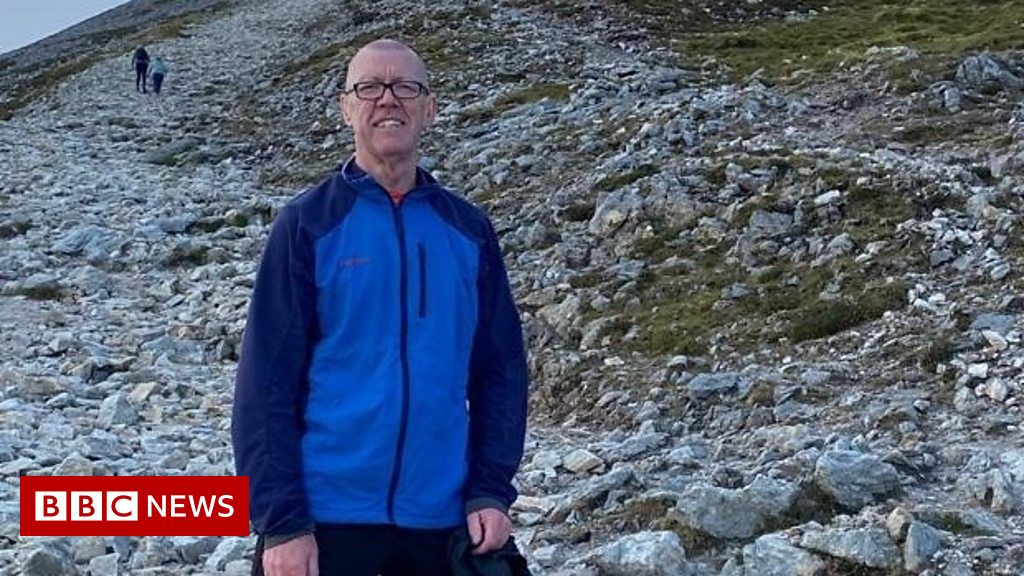
A County Armagh man who is living with dementia has said sport is a “very important” part of his life.Gerard Doran, 62, who has played and coached GAA in Lurgan, said the physical and mental benefits from being involved with the sport and hillwalking has helped him feel as if he is “achieving something”.”Sport is quite incredible to me, in terms of friendship, in terms of feelings, in terms of achievement and it’s not just physical, the mental abilities and the mental benefits are quite incredible,” he told BBC News NI.”Meeting my friends and talking about all those times, all those years, is still a very important part of my life.”

Read more →

The West End star who worked as carer during lockdown

As theatres reopen, actors like Stephen Beckett have been swapping their lockdown jobs for their place on the stage once more. His first thoughts when the lockdown first shut down his show were ‘I’m an actor, what can I do’. Then, he worked with a care agency, looking after elderly people. Beckett plays one of the dads in the long running musical Mamma Mia, which is now re-opening in the West End.

Read more →