Good sleep-time recovery is associated with a healthier diet and lower alcohol consumption

Good sleep-time recovery is associated with a health-promoting diet and health-promoting eating habits, as well as with lower consumption of alcohol, according to a new study investigating psychological and physiological well-being among working-age Finnish adults.
The association of physiological recovery with nutrition has been studied only scarcely. Published in Journal of Occupational Medicine and Toxicology, a new study now investigates whether physiological recovery during sleep relates to eating behaviour and diet quality.
The study population consisted of 252 psychologically distressed adults with overweight, who participated in a lifestyle intervention study in three Finnish cities. Their recovery was measured on the basis of sleep-time heart rate variability recorded on three consecutive nights. Heart rate variability was used to measure both parasympathetic and sympathetic activation of the autonomic nervous system, and their relation, i.e., the balance between stress and recovery. The parasympathetic nervous system plays a key role in recovery, during which heart rate is decreased and heart rate variability is high.
The study participants’ eating behaviour was measured using four different questionnaires, and their diet quality and alcohol consumption was quantified using two different questionnaires and a 48-hour dietary recall. The aim was to explore the association between physiological recovery, diet quality, alcohol consumption and different aspects of eating behaviour, such as eating according to hunger and satiety cues. The present results are from the data collected at baseline before the lifestyle intervention.
According to the study, higher sleep-time parasympathetic activity, which is indicative of better physiological recovery, associates with more health-promoting diet quality and lower alcohol consumption, and possibly also with eating habits, especially factors affecting our decision to eat. Especially participants with a good stress balance reported better overall diet quality, higher fibre intake, stronger dietary self-control and lower alcohol consumption than those with a poorer stress balance.
However, the researchers point out that the cross-sectional study design allows no causality conclusions. In other words, it cannot be concluded from the results if better recovery leads to a healthier diet or if a healthy diet supports better recovery.
Story Source:
Materials provided by University of Eastern Finland. Note: Content may be edited for style and length.

Read more →

New information on the early stages of dementia with Lewy bodies

Results obtained in a study recently completed at the University of Helsinki and Helsinki University Hospital reinforce the notion that dementia with Lewy bodies can be pathologically classified into two different disease types.
Dementia with Lewy bodies is the second most common neurodegenerative disease after Alzheimer’s disease, and it affects millions of people globally. This type of progressive memory disorder has features associated with both Alzheimer’s disease and Parkinson’s disease.
At the tissue level, accumulations known as Lewy bodies that contain the alpha-synuclein protein, are found in the limbic system of the brain, in the cerebral cortex and the brainstem.
Two years ago, researchers at the University of Helsinki and Helsinki University Hospital demonstrated that pathological changes of dementia with Lewy bodies occur in two different forms. In the more common form of the disease, changes progress upwards from the brainstem, while those associated with the other disease type originate in the amygdala.
Now, the researchers have advanced their investigations further.
“We continued our studies, focusing on the olfactory bulb in the brain. The olfactory bulb is considered one of the first brain regions where alpha-synuclein accumulations relating to dementia with Lewy bodies occur,” says Liisa Myllykangas, a neuropathologist and clinical instructor.
In the follow-up study, the researchers utilised a unique Finnish population-based neuropathological dataset (N=291). Alpha-synuclein accumulations in the olfactory bulb have not previously been investigated in non-selected population datasets.
Based on the results, two patterns of accumulations can be identified in the olfactory bulb, with differences seen in their anatomical location and severity.
“Comparing the findings with the two types of dementia with Lewy bodies defined in our prior study, we noted that the different alpha-synuclein accumulation patterns in the olfactory bulb have a strong association with these two disease types,” Myllykangas says.
The results support the view that the first changes caused by dementia with Lewy bodies take place in the olfactory bulb in persons whose disease progresses to the amygdala and the rest of the limbic system at an early stage. In contrast, the onset of the other disease type occurs in the brainstem, spreading later to the olfactory bulb. The findings reinforce the notion that dementia with Lewy bodies can be classified into two different disease types.
The new findings were recently published in the Acta Neuropathologica journal.
Story Source:
Materials provided by University of Helsinki. Note: Content may be edited for style and length.

Read more →

Impaired immune response may cause bone resorption in patients with genetic disorder

Researchers at Hiroshima University have discovered the mechanism underlying multifocal osteomyelitis in MSMD patients with poor response to IFN-γ. IFN-γ plays an inhibitory role in osteoclast formation. Impaired response to IFN-γ in MSMD patients leads to excessive osteoclast proliferation and, by inference, increases bone resorption in infected foci, which may underlie multifocal osteomyelitis.
About a quarter of the world’s population is infected with tuberculosis bacteria, according to the World Health Organization, but only about 5 to 10% of those infected will develop symptoms. These pathogens are mycobacteria, which are everywhere, including in chlorine-treated tap water. Most people who encounter mycobacteria will never even know, but, for a few immunocompromised groups, the ubiquitous organisms can cause painful, difficult-to-treat conditions. One such group has Mendelian susceptibility to mycobacterial disease (MSMD), a rare genetic condition discovered in 1996 that results from a range of mutations involved in the body’s immune response. Only about 400 people — mostly children — in the world have been diagnosed, likely due to the clouded understanding of the disorder and the infections that can result from mycobacterial susceptibility.
“Multifocal osteomyelitis — bone infection at multiple points — is among the representative manifestations of MSMD,” said Satoshi Okada, professor in the Department of Pediatrics, Hiroshima University’s Graduate School of Biomedical and Health Sciences. “However, it is unclear why patients with MSMD frequently develop multifocal osteomyelitis, chronic inflammatory bone diseases.”
Now, a team led by Okada has revealed a molecular underpinning of the chronic bone infection in patients with MSMD. According to Okada, this finding could lead to better understanding the full immune response and reactions that leads to multifocal osteomyelitis in patients with MSMD. They published their results on June 24 in The Journal of Allergy and Clinical Immunology.
“The frequency of multifocal osteomyelitis is especially high in patients with MSMD due to an impaired response to a cell signal called interferon gamma (IFN-γ),” said first author Miyuki Tsumura, research fellow in the Department of Pediatrics, Hiroshima University’s Graduate School of Biomedical and Health Sciences. “We initiated this study to investigate the possibility that IFN-γ signaling may play a role in the pathogenesis of multifocal osteomyelitis.”
She noted that analysis of lesions of osteomyelitis suggest enhanced numbers of osteoclasts, the cells responsible for resorbing old bone cells during growth and repair. IFN-γ can prevent osteoclast production, so the researchers said the enhanced numbers of osteoclasts may suggest an impaired response to IFN-γ.

Read more →

Zoning policies that boost affordable housing: Good for the heart?

Inclusionary zoning policies that increase the supply of affordable housing may be good for the heart. So says a first-of-a-kind study published today by researchers at the George Washington University. The study notes that such zoning programs were associated with lower rates of heart disease.
“Many cities around the country are facing a severe shortage of affordable housing,” Antwan Jones, lead author of the study and an associate professor of sociology at GW, said. “Our study suggests that inclusionary zoning programs can help not just boost the supply of safe, affordable housing, but may also reduce the risk of heart disease.”
Jones and his colleagues relied on data from the 500 Cities Project, as well as zoning and demographic information, to find out if there were links at the municipal level between so-called inclusionary zoning policies and coronary heart disease.
More than 880 cities and counties across 25 states have adopted inclusionary zoning policies or programs that give developers incentives (like a tax break, exemptions from selected regulations and other financial inducements) in return for setting aside a share of new housing units for low- to moderate-income families.
The study found that jurisdictions with inclusionary zoning policies had fewer residents with high blood pressure and higher cholesterol compared to communities without these programs. People living in cities with such zoning policies also were less likely to be taking medication to lower their blood pressure and less likely to have already developed coronary heart disease, which kills more than 365,000 people in the United States each year.
The observational study demonstrates that inclusionary zoning policies are associated with better markers of cardiovascular health and lower rates of heart disease. Jones adds that the links persisted even after the team controlled for factors linked to heart disease including poverty, health insurance and smoking rates.
“Stable, affordable housing in healthy communities can reduce stress and increase access to fresh produce, parks, jobs, safe streets and other amenities that help people stay healthy,” Gregory Squires, a co-author of the paper and professor of sociology and public policy at GW, said.
Mandatory inclusionary zoning programs in which developers were required to prioritize rentals or set aside a larger share of affordable housing units had the biggest impact on markers of heart health, Squires added.
More research needs to be done to learn more about the links between inclusionary zoning and cardiovascular health, the authors said. However, the GW researchers say that this study suggests that inclusionary zoning programs can address some of the complex health challenges faced by struggling families in cities across the U.S.
The study, “Ecological Associations between Inclusionary Zoning Policies and Cardiovascular Disease: Risk Prevalence: An Observational Study,” was published September 8, 2021 in the peer-reviewed journal Circulation.
Story Source:
Materials provided by George Washington University. Note: Content may be edited for style and length.

Read more →

Joseph Kramer, the ‘Country Doctor’ of Avenue D, Dies at 96

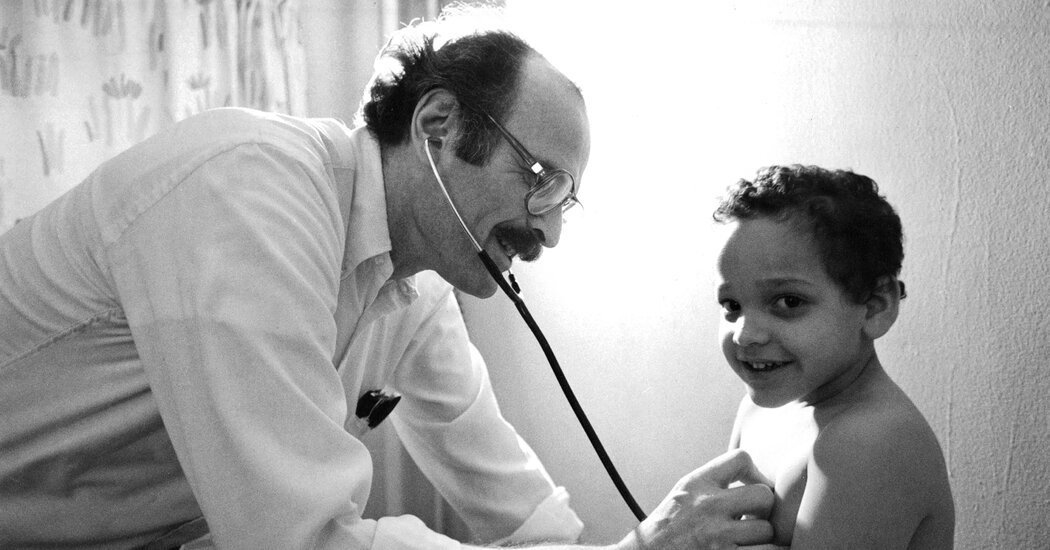
Shunning the New Jersey suburbs in 1969, he set up a pay-what-you-can practice on the blighted Lower East Side and for three decades was a hero to the poor.Joseph Kramer, who tended to the afflictions of the poor as the self-described “country doctor” of Manhattan’s Lower East Side for nearly three decades, a period, beginning in 1969, when the neighborhood was infamous for urban squalor, died on Aug. 30 at his home in Leonia, N.J. He was 96.The death was confirmed by his daughter, Leslie Kramer.In the early 1960s, Dr. Kramer was working as a pediatrician in New Jersey’s prosperous suburbs in Bergen County and seemingly on his way to fulfilling the dreams of his youth — a red Porsche and a getaway in the Bahamas. Yet he began to find work increasingly unfulfilling.“It wasn’t that exciting; nobody was that sick,” he told The Bergen Record in 1990. “Doctors outnumbered diseases. Mothers would call up if their babies had a temperature of 98.9, or they’d ask what color vegetables to serve.” He felt, he later recalled, like “an expensive babysitter.”One night he got a hysterical call and rushed to a patient’s house, only to discover that the crisis had little to do with medicine. He returned home, called his partner and gave away his share of their practice.Dr. Kramer soon began working on the Lower East Side, where he had been born, and in the Williamsburg section of Brooklyn, where he had grown up. He set up his own Lower East Side practice, on Avenue D, in 1969, at one point early on offering his services to a woman with a stroller at a fruit stand. He wound up diagnosing her baby with club foot.Dr. Kramer in his office, where he treated 40 patients on an average day, including prostitutes, priests, bookies and Puerto Rican abuelas. Ken HeymanWhile his roster of patients grew, the neighborhood changed: Flower children and welfare-rights activists gave way to crack dealers and prostitutes. In the parlance of many New Yorkers, Alphabet City’s Avenue A stood for “Aware,” Avenue B for “Beware,” Avenue C for “Caution” and Avenue D — the last street before the East River — for “Death.”“The hippies ended up going to law school or working on Wall Street,” Dr. Kramer told The Bergen Record. “I’m still here.”He saw children with herpes of the brain, active tuberculosis lesions or wounds from being pricked in the park by discarded hypodermic needles. He evolved from a pediatrician into a general practitioner, treating prostitutes, priests, bookies, Puerto Rican abuelas and more.His office was in a converted ground floor apartment in the Jacob Riis housing project, where the living room served as a waiting room for crying babies alongside strung out drug addicts. He would see 40 patients on an average day. Many arrived with relatives who had their own medical problems. A fridge held the medicine. Kitchen cabinets stored medical files.He often accompanied patients to the pharmacy across the street and paid for their medicine, knowing they could not afford the drugs he prescribed. When one man with scoliosis lost his unemployment checks, Dr. Kramer paid for his treatments for three months.In 1983, a profile of him in New York magazine by Bernard Lefkowitz and a segment about Dr. Kramer on “60 Minutes” prompted a wave of news coverage depicting him as a lonely Sisyphus fighting urban decay. “On Avenue D, disease is not an isolated phenomenon,” Mr. Lefkowitz wrote. “It’s part of the social pathology of the neighborhood.”Twice while the “60 Minutes” correspondent Harry Reasoner interviewed Dr. Kramer on the street, someone came along and interrupted them. “There wouldn’t be no neighborhood without him,” one patient said.The New York Times described Dr. Kramer running a “pay-what-you-can-afford solo practice,” noting that he was the only private doctor in the 10009 ZIP code with hospital privileges.Dr. Kramer in 1996, the year he closed his practice. “It wasn’t the rise of AIDS, the spread of TB, the resurgence of measles,” The Associated Press wrote in explaining his quitting. “It wasn’t his 71 years, and it wasn’t the money. It was the paperwork.”Chester Higgins Jr./The New York TimesFrom under a bristling mustache he spoke in a Jewish street patois — hard-boiled sarcasm, loud cursing and, among friends, banter bordering on insult. Standing next to the children he cared for, Dr. Kramer, a broad-chested 6-foot-5, seemed a giant.Nicknames captured his intensity and good will. To a fellow doctor, he was “the Last Angry Man”; to a longtime patient, he was “the Guardian Angel of Avenue D”; and to the cartoonist Stan Mack, who depicted Dr. Kramer several times in Real Life Funnies, his weekly comic column for The Village Voice, he was “Dr. Quixote.”Joseph Isaac Kramer was born on Dec. 7, 1924. His parents, Selig and Frieda (Reiner) Kramer, ran Kramer’s Bake Shop in Williamsburg. Joe would pitch in as a cashier — resentfully. Sent out to run the occasional errand, he took breaks to do what he really wanted — play stickball.He earned a diploma at Boys High School in Brooklyn, graduated with a Bachelor of Science degree in 1949 from the University of Kentucky, then left for Europe to find an affordable medical school that would accept Jews. He graduated from the University of Mainz, in Germany, around 1960. In 1963, he married Joan Glassman shortly after they had been introduced by friends.Dr. Kramer’s Lower East Side practice lacked a nurse, leaving him to devote hours each day, and every weekend, to filling out forms. In one instance, he requested $19 from Medicaid after spending 10 hours helping a suicidal young patient and got only $11. Continually enraged by what he saw as the stinginess and inaccessibility of the American medical system, he developed severe hypertension.He quit the practice in 1996, occasioning a final wave of attention from the news media. “It wasn’t the rise of AIDS, the spread of TB, the resurgence of measles,” The Associated Press wrote in explaining his departure. “It wasn’t his 71 years, and it wasn’t the money. It was the paperwork.”In addition to his daughter, he is survived by his wife; a son, Adam; and two grandchildren.Every August, Dr. Kramer attended a reunion of Lower East Side old-timers at East River Park. In a phone interview, Tamara Smith, a patient of his when she was a little girl, recalled hundreds of people swarming around Dr. Kramer as he entered the park for one such gathering — confirmation of his legacy as a “country doctor” who had treated generations of families.“He couldn’t even get off the ramp to get into the park,” Ms. Smith said. “He was every child in the ’hood’s doctor. I don’t know how he managed that, but he saw every one of us.”

Read more →

The Trial of Theranos’s Elizabeth Holmes Opens

A jury will decide whether Ms. Holmes, who founded Theranos and hawked a mission of revolutionizing health care, lied to investors about her company’s technology.SAN JOSE, Calif. — The defendant, wearing a gray suit, sat quietly at a table surrounded by lawyers, her expression hidden behind a blue medical mask. Occasionally, she looked around. Her boyfriend and family members sat, also masked, in the packed gallery of Courtroom 4.A low roaring undercurrent of clacking laptop keyboards began as Robert Leach, an assistant U.S. attorney, declared that the defendant had lied and cheated to get money.“That’s a crime on Main Street and it’s a crime in Silicon Valley,” he said.So began the trial on Wednesday of Elizabeth Holmes, who dropped out of Stanford University to create the blood testing start-up Theranos at age 19, built it to a $9 billion valuation and herself into the world’s youngest self-made female billionaire — only to flame out in disgrace after Theranos’s technology was revealed to have problems.In 2018, Ms. Holmes and Ramesh Balwani, her onetime business and romantic partner, were indicted with 12 counts of wire fraud and conspiracy to commit wire fraud. According to federal prosecutors, Ms. Holmes and Mr. Balwani misrepresented the capabilities of Theranos’s technology and the company’s business performance to investors. Both have pleaded not guilty.Ms. Holmes’s trial, in federal court in San Jose, Calif., began just a month after she gave birth to a son, but more than three years after Theranos was dissolved and six years after The Wall Street Journal first exposed problems with the start-up’s blood tests. It was expected to last 13 weeks and potentially feature as witnesses high-profile ex-board members and investors such as former Secretary of State Henry Kissinger and the media mogul Rupert Murdoch.If convicted, Ms. Holmes, 37, faces up to 20 years in prison. Mr. Balwani’s trial is slated to start in January.Part media spectacle, part modern business parable, the case was the culmination of a decade of Silicon Valley excess, where a seemingly endless fount of capital for money-losing start-ups created immense wealth for their founders and investors and led to an environment where some were willing to look the other way when companies stretched the truth.

Read more →

Covax Cuts Its 2021 Forecast for Available Doses by Quarter

The United Nations-backed program to vaccinate the world against the coronavirus slashed its forecast for doses available in 2021 by roughly a quarter on Wednesday, another setback for an effort that has been hampered by production problems, export bans and vaccine hoarding by wealthy nations.Shortly after the forecast was released, the World Health Organization asked wealthy countries to hold off on administering booster shots for healthy patients until at least the end of the year as a way of enabling every country to vaccinate at least 40 percent of their populations. The organization had previously called for a booster shot moratorium until the end of September.“I will not stay silent when the companies and countries that control the global supply of vaccines think the world’s poor should be satisfied with leftovers,” Dr. Tedros Adhanom Ghebreyesus, the W.H.O.’s director general, told reporters on Wednesday.In its latest projection, the global immunization program, known as Covax, said that it expected to have a total of 1.4 billion doses available by the end of 2021. In June, the program had said that it expected to have access to 1.9 billion doses this year. Experts have said 11 billion are needed to slow the spread of the virus.Covax blamed uncertainty around when vaccine exports would resume from a major manufacturing site in India, along with problems scaling up production of the AstraZeneca and Johnson & Johnson vaccines and a delay in the clearance of the Novavax shot.“Covax is making strenuous efforts to address and mitigate these risks,” the program said, citing negotiations with the Indian government, whose decision to halt vaccine exports this spring rattled the program, as well as efforts to convince manufacturers to stop prioritizing individual countries over Covax.The program was beset by difficulties last year as rich nations became rivals in a vaccine-buying race, paying premiums to secure their own shots while slow-walking financial pledges that Covax needed to sign deals. More recently, it has also struggled with the financing needed to get doses into people’s arms, even as the Biden administration pledged hundreds of millions of doses. Last week, the White House, which is under pressure to do more to address the pandemic, said it would invest $2.7 billion to ramp up domestic production of critical vaccine components as part of President Biden’s push to make the United States the “arsenal of vaccines for the world.”Asked about the W.H.O.’s push to extend a moratorium on booster doses, Jen Psaki, the White House press secretary, reiterated on Wednesday that the Biden administration saw picking boosters over donating vaccines as “a false choice.” “Our view is we can do both,” Ms. Psaki said, adding that the United States had already donated or shared about 140 million doses with more than 90 countries, more than all other nations combined, and planned to donate hundreds of millions more.Dr. Tedros said on Wednesday that some vaccine makers and wealthy nations were using distribution problems as an excuse not to make deliveries. But health officials and people involved in Covax have said that those very delivery delays are contributing to distribution problems by making it impossible for poorer countries to plan their inoculation campaigns.So far, Covax has delivered 245 million doses — most free to poorer nations, with the rest to countries like Canada that paid their own way. In January, the program had planned to have at least 785 million doses available by now.Worldwide, 81 percent of shots that have been administered have been in high- and upper-middle-income countries, according to the Our World in Data project at the University of Oxford. Only 0.4 percent of doses have been administered in low-income countries. At a meeting this week with wealthy nations’ health ministers, Dr. Tedros said that he asked them, among other things, to divert their short-term vaccine deliveries to Covax and to fulfill their dose donation pledges by the end of September.

Read more →

Boris Johnson on need to address NHS wait times

Prime Minister Boris Johnson has spoken to the BBC about the need to address NHS wait times, saying backlogs “need to be cleared as fast as possible”.Speaking to the BBC’s Health Editor Hugh Pym, the PM said around 9m NHS treatments could be funded by proposed government investment, but did not give details of targets.Mr Johnson also urged people, particularly younger age groups, to get vaccinated as against coronavirus.His comments come after plans were announced of a new tax for health and social care in England.The proposal will see a 1.25% rise to National insurance contributions from April 2022, with a separate tax on earnings arriving in 2023.The government estimate the increase will raise £12bn per year for health and social care in England, with Scotland Wales and Northern Ireland receiving an extra £2.2bn for their services.

Read more →

New study on COVID-19 vaccinations in the largest US cities finds stark inequities

In a study of the 9 largest U.S. cities, researchers at Columbia University Mailman School of Public Health found stark racial, ethnic, and socioeconomic inequities in COVID-19 vaccination rates across neighborhoods. The study showed that high vaccination neighborhoods had more white residents, fewer people of color, higher incomes, and lower poverty rates. These high vaccination neighborhoods also had lower historical COVID-19 death rates, showing that lifesaving vaccines have been slow to reach the areas that were hardest-hit by the pandemic. The findings are published online in JAMA Health Forum.
The researchers analyzed inequities in vaccination in the 9 largest U.S. cities covering a total population of 40.8 million people: New York, Los Angeles, Chicago, Houston, Phoenix, Philadelphia, San Antonio, San Diego, and Dallas.
Using data on COVID-19 vaccination and death rates from state and local health authorities, the researchers sorted neighborhoods into four groups in order of vaccination rate, which they defined as the fraction of adults with at least one dose. Neighborhoods in the lowest vaccination group had less than half the vaccination rate of those in the highest group (28 percent vs. 60 percent).
To assess inequities, the researchers then linked these neighborhoods with sociodemographic data from the American Community Survey. Racial disparities were particularly large: in the lowest vaccination neighborhoods, 25 percent of the population was Black and 52 percent was white, while in the highest vaccination neighborhoods just 6 percent of the population was Black and 70 percent was white. There were also large disparities by income: the average low-vaccination neighborhood had half the median income and over twice the poverty rate of the average high-vaccination neighborhood.
The researchers then studied whether vaccinations were going to people in hard-hit areas as measured by historical Covid-19 death rates. “The 209 neighborhoods with the highest death rates accounted for half of historical Covid-19 deaths, but they went on to receive only 26 percent of vaccinations,” said Adam Sacarny, PhD, assistant professor of Health Policy and Management at Columbia Mailman School of Public Health. “That finding is particularly concerning because it shows that the places that have borne the greatest burden of Covid-19 are not getting vaccinated at the same rate to prevent future harms from the pandemic.”
To explain these findings, the researchers note that these inequities have occurred in a context of underinvestment in public health, especially in marginalized communities. “They reflect inequities in health care access that predate the pandemic,” said Jamie Daw, PhD, assistant professor of Health Policy and Management at Columbia Public Health. “They are also hard to separate from the medical racism that underlies the legitimate mistrust in the medical system felt by many people of color.”
“Our findings show that cities have an opportunity and urgent need to address vaccination inequities,” said Sacarny.
Story Source:
Materials provided by Columbia University’s Mailman School of Public Health. Note: Content may be edited for style and length.

Read more →

He Had Chest Pain and Dangerously Low Blood Pressure. What Was Wrong?

Could a wayward breath mint have caused his symptoms?The young woman was awakened by the screams of her 39-year-old husband. “Please make it stop!” he shouted, leaping from the bed. “It hurts!” He paced back and forth across the room, arms crossed over his chest as if to protect himself. Two days earlier, he had inhaled a breath mint when his wife startled him. He felt it move slowly down his throat as he swallowed repeatedly. His chest had hurt ever since. But not like this.The man squirmed miserably throughout the short drive to the emergency room at Westerly Hospital, near the Rhode Island and Connecticut border. No position was comfortable. Everything hurt. Even breathing was hard. Although the doctors in the E.R. immediately determined that the young man wasn’t having a heart attack, it was clear something was very wrong. His blood pressure was so low that it was hard to measure. A normal blood pressure may be 120/80. On arrival, his was 63/32. With a pressure this low, blood couldn’t get everywhere it was needed — a condition known as shock. His lips, hands and feet had a dusky hue from this lack of well-​oxygenated blood. He was given intravenous fluids to bring up his pressure, and when that didn’t work, he was started on medications for it. Three hours later, he was on two of these medicines and his fourth liter of fluid. Despite that, his pressure remained in the 70s. He had to be put on a breathing machine to help him keep up with his body’s demand for more oxygen.The most common cause of shock is infection. But this man, as sick as he was, had no signs of infection. The medical team started him on antibiotics anyway. Could the painful mint have torn his esophagus? Up to 50 percent of patients with that injury will die. A CT scan showed no evidence of perforation or of fluid in his chest. What else could this be? There was no sign of a clot keeping blood from entering the lungs, another cause of deadly low blood pressure. An ultrasound of the heart showed that he had some fluid in the sac called the pericardium, which contains and protects the heart, but not enough to interfere with how well it was beating. He was tested for Covid and for recreational drugs — both negative.The doctors in the small community hospital began to worry that they wouldn’t figure out what was going on with this young man in time to save his life. They reached out to Yale New Haven Hospital an hour and a half away, which was better equipped to handle tough cases. Dr. Laura Glick, a resident finishing her second year of training at Yale New Haven, heard about this pending transfer and looked him up in the electronic medical record shared by the two hospitals. The patient was getting a CT of his abdomen and pelvis. Could there be a hidden infection there? As she read through his chart, an event note popped up. The patient’s heart had stopped while he was in the scanner. Was he going to die before he even got to Yale?His rapid deterioration — from a previously healthy young man who had walked into the E.R. complaining of severe pain a few hours earlier to someone who had “coded” while being scanned — was terrifying. More notes appeared. CPR was started, and after about seven minutes, the man’s heart began to beat on its own. More notes: He was awake. He was able to answer yes-or-no questions, though the breathing tube kept him from speaking. He was loaded into the transport helicopter and flown to Yale New Haven.Photo illustration by Ina JangThree PossibilitiesGlick estimated she had 20 minutes, maybe a little more, to figure out how to save this dying man. She reached out to the I.C.U. specialist in training, Dr. Stella Savarimuthu. There are only a few things that can kill you this fast, Glick acknowledged, and at Westerly they’d done a good job of ruling out most of them. She listed other possibilities she was considering. One: If the man had a perforated esophagus, he would need to go to the operating room, so she would alert surgery. Two: Maybe he didn’t have enough cortisol, one of the “fight or flight” hormones, which could cause persistent and dangerously low blood pressure. They would need to check that right away. Three: The only abnormality seen at Westerly was the small amount of fluid around his heart. In medicine, when it really matters, the rule is “Trust but verify.” With a patient this sick, things can change rapidly. When he arrived, she would have cardiologists ready to examine his heart.A couple of hours later, Glick stood watching the ultrasound monitor. The pixelated gray-and-white image of the patient’s rapidly beating heart muscle was surrounded by an unnatural black halo, indicating the presence of excess fluid in the pericardial sac. The pump was hard at work, but there wasn’t enough room for blood to even enter his heart. No wonder his blood pressure was so low.The patient was moved to the O.R., and a cardiologist inserted a thick needle into the fluid-filled sac. Just under a cup of pale yellow liquid poured out. On the screen, the halo shrank until it disappeared. His doctors would still need to figure out why he had this fluid in the first place, but now that it was gone, his blood pressure should return to normal.Back in the I.C.U., Glick followed the patient closely. Hours passed, then days, and though his blood pressure was better, it remained too low. Why? Glick sent test tube after test tube to the lab, looking for signs of infection, inflammation, autoimmune disorders — everything she could think of. After the man’s near-death experience, Glick knew that many of his lab results would be abnormal. His liver was damaged, his kidneys, his heart. Her job was to identify which abnormalities were a result of his rapid deterioration and which were the cause.Aberrant results streamed in, but only one surprised the resident. The man’s thyroid wasn’t making its essential hormone. The thyroid is like the carburetor in an old internal-combustion engine. It tells the body when to rev up and when to slow down. Right now the man’s body needed to be fully revved up, but without this hormone, it couldn’t do it. Before giving the man replacement hormones, Savarimuthu reminded Glick they had to recheck his cortisol level. They had checked it when he arrived, and it was high — as expected, given the physiological stress he was under. But administering thyroid hormone to someone who is cortisol-deficient is like jump-starting a car that has no oil in the engine. You could ruin the whole machine. So Glick sent off a second cortisol-level test. This time, the level was undetectable. She checked again: undetectable.The Steroid TestA different test revealed the cause: His adrenal glands, where cortisol is made, weren’t working at all, just like his thyroid gland. She started the man on steroids — an artificial form of cortisol — along with thyroid hormone, and consulted the endocrine team. She then reviewed the records from Westerly, where she saw, buried deep in his chart, that he had been given steroids there. Because he wasn’t deficient when he arrived, and they hadn’t mentioned the steroids in their notes, Glick hadn’t administered them at Yale New Haven. She now turned to the medical literature to figure out just what might have caused these devastating twin hormone deficiencies.It didn’t take long to determine that he must have autoimmune polyglandular syndrome Type 2. In this rare disorder, the immune system suddenly and mistakenly starts to attack parts of the patient’s own body — in this case, the thyroid gland and the adrenal glands. Why this happens is not well understood. A few hours after getting both replacement hormones, the young man was well enough to begin tapering the medications sustaining his blood pressure. A couple of days later, he was well enough to leave the I.C.U. Ten days later, he was able to go home.Once the patient understood what he had and started to feel the benefit of the treatment, he realized he’d been sick long before that mint went down wrong. He will have to take these hormones for the rest of his life, but he feels better than he has for years. No one can be certain exactly when his glands were destroyed; it was probably long ago. “I’m not a guy who goes to the doctor,” he admitted. He thought he was just getting old: “You know what they say — after 30, it’s all downhill.” But not anymore. Not for him, anyway.Lisa Sanders, M.D., is a contributing writer for the magazine. Her latest book is “Diagnosis: Solving the Most Baffling Medical Mysteries.” If you have a solved case to share with Dr. Sanders, write her at Lisa.Sandersmd@gmail.com.

Read more →