Scientists identify new therapeutic target in ovarian cancer subtype with poor prognosis

Mutations in the ARID1A gene are present in more than 50% of ovarian clear cell carcinomas (OCCC), for which effective treatments are lacking. Scientists at The Wistar Institute discovered that loss of ARID1A function enhances a cellular stress response pathway that promotes survival of cancer cells, which become sensitive to pharmacological inhibition of this pathway. These findings were published online in Cancer Research, a journal of the American Association for Cancer Research, and point to a new therapeutic opportunity for this type of ovarian cancer for which new solutions are urgently needed.
Inactivating mutations in the ARID1A tumor suppressor gene are genetic drivers of OCCC, which does not respond to chemotherapy and carries the worst prognosis among all subtypes of ovarian cancer.
“The goal of our research is to uncover the molecular changes caused by ARID1A loss so that we can target them specifically to achieve effective therapies for this devastating disease,” said Rugang Zhang, Ph.D., deputy director of The Wistar Institute Cancer Center, professor and leader of the Immunology, Microenvironment & Metastasis Program, and lead author of the study. “In this study, we focused on a stress response mechanism that tumors resort to for survival and found a link that offers a therapeutic opportunity.”
The endoplasmic reticulum (ER) is a cellular structure that oversees protein production and harbors complex mechanisms to respond to the stress caused by accumulation of misfolded proteins. The ER stress response is frequently hyperactivated in cancer cells to favor their survival in stressful microenvironment conditions. Therefore, inhibition of this mechanism has been explored as a therapeutic approach for cancers with hyperactive ER stress response.
The IRE1a/XBP1 pathway is the major signaling pathway involved in the ER stress response. The protein Inositol-required enzyme alpha (IRE1a) senses ER stress and activates the transcription factor X-box binding protein 1 (XBP1), resulting in upregulation of genes that resolve the ER stress and promote cell survival.
Zhang and colleagues found that ARID1A inhibits the IRE1a/XBP1 pathway and, consequently, ARID1A loss in ovarian cancer causes an increased activation of the pathway, creating a dependence of cancer cells on upregulated IRE1a-XBP1. Indeed, treatment of ovarian cancer cells that do not express ARID1A with the selective IRE1? inhibitor B-I09 caused cell death as a result of unresolved ER stress.
“In some cases, the mechanisms cancer cells exploit to their advantage also make them vulnerable because they become dependent on certain pathways,” added Zhang. “If we can find ways to block those pathways, we may be able to use them as weak spots for killing cancer.”
Importantly, this observation was confirmed in vivo, as B-I09 treatment reduced tumor burden and improved survival in mouse models bearing ARID1A-inactivated ovarian tumors.
Therapeutic resistance enables cancer cells to escape the effects of single agent treatments, and combination strategies offer a solution for this major challenge. Therefore, researchers tested the combination of IRE1a inhibition with histone deacetylase 6 (HDAC6) inhibition, which is also effective against ARID1A-mutant cancers. Since HDAC6 regulates the degradation of misfolded proteins, the team hypothesized that the two treatments may act in synergy to suppress ARID1A-mutant cancers.
“Our findings suggest that pharmacological inhibition of the IRE1a/XBP1 pathway of the ER stress response, alone or in combination with HDAC6 inhibition, represents a potential therapeutic strategy for ARID1A-mutated cancers,” said Joseph Zundell, a pre-doctoral trainee in the Zhang lab and first author on the paper.
Story Source:
Materials provided by The Wistar Institute. Note: Content may be edited for style and length.
Read more →

Pfizer Vaccine Protection Wanes, C.D.C. Study Shows

The Centers for Disease Control and Prevention released data on Friday indicating that the level of protection against Covid hospitalizations afforded by the Pfizer-BioNTech vaccine dropped significantly in the four months after full inoculation.The data was released hours before a scientific advisory committee to the Food and Drug Administration recommended authorizing booster shots for recipients of the Pfizer coronavirus vaccine who are 65 or older or are at high risk of severe Covid-19, at least six months after the second shot.The new study found that from two weeks after recipients got their second dose — a point at which they are normally considered fully vaccinated — to four months later, the Pfizer vaccine was 91 percent effective in preventing hospitalization. Beyond 120 days, though, its effectiveness fell to 77 percent.The Moderna vaccine showed no comparable decrease in protection over the same time frame: It was 92 percent effective against hospitalizations four months after recipients’ vaccination, a level virtually identical to its 93 percent effectiveness before then.The study said that not enough participants had received the one-shot Johnson & Johnson vaccine to compare its performance. Overall, though, the Johnson & Johnson shot has been 71 percent effective in preventing hospitalizations.The C.D.C. study released on Friday supported some others that suggested the Pfizer vaccine may offer less protection from hospitalization over time. But the available data is far from unanimous. Other studies have shown that Pfizer’s effectiveness against hospitalization has remained above 90 percent, despite the spread of the Delta variant and the lengthening time since people received their second shots. Pfizer has said that data from Israel suggest a falling effectiveness against severe disease, though it appears that Israel and the United States define “severe disease” differently.The latest C.D.C. study was based on an analysis of roughly 3,700 adults hospitalized across the United States from March to August.People with compromised immune systems, who typically don’t respond as well to vaccines, were excluded from the study. Nevertheless, the vaccinated patients tended to be older people — the Pfizer cohort had a median age of 68 — and it was unclear whether vaccine effectiveness had changed much in younger age groups. Previous studies have shown lower levels of protection in older people.The authors of the study said that the gap in the performance of the Moderna and Pfizer vaccines could stem from higher doses of mRNA in the Moderna shots or the four-week space between doses of the Moderna vaccine. (Pfizer vaccines were given three weeks apart.) It’s also possible, they said, that other, unnoticed differences in the study participants receiving either shot could have also influenced the results.

Read more →

Extra Johnson & Johnson Shot Boosts Protection Against Covid

A second dose of Johnson & Johnson’s vaccine substantially increased its protection against Covid-19, the company announced Tuesday morning.In a clinical trial, researchers found that two doses of the vaccine delivered 94 percent efficacy against mild to severe Covid-19 in the United States, up from 74 percent conferred with a single shot, the company reported. And two shots showed 100 percent efficacy against severe disease, although that estimate had a wide range of uncertainty.The data, presented in a news release, has been submitted to the Food and Drug Administration, Johnson & Johnson said. Since the company received emergency authorization in February, 14.6 million people in the United States have received its one-shot vaccine.On Friday, an F.D.A. advisory committee recommended that the agency authorize Pfizer-BioNTech booster shots for recipients of the vaccine who are at least 65 or at high risk of Covid. That vaccine, like Moderna’s, offers high levels of initial protection after two doses, which then seem to diminish slightly over several months.By contrast, Johnson & Johnson’s vaccine has shown little sign of waning. Researchers released a study last week comparing 390,517 vaccinated people to 1,524,153 unvaccinated ones. Up to five months after vaccination, the effectiveness of the Johnson & Johnson vaccine against hospitalization remained steady at around 81 percent.As the pandemic has unfolded, people who received the Johnson & Johnson vaccine have waited for guidance about whether they’ll need a booster. The new clinical trial, which recruited 32,000 volunteers around the world, compared people who received one dose of Johnson & Johnson to those who received two doses eight weeks apart.The researchers found that the second shot lifted the level of antibodies in the blood of volunteers four times as high as the level produced by the first shot. That improvement translated into stronger protection.Many people got their Johnson & Johnson shot far more than eight weeks ago. Other research suggests that the extra time between doses could mean even better protection.In a separate study announced last month, Johnson & Johnson gave boosters to clinical trial volunteers six months after their first dose, and then measured their antibody levels.Initially, the researchers reported that the antibodies rose nine times as high as after the first dose. But in Tuesday’s news release, the company announced the level had continued to rise, reaching 12 times as high as the initial levels.Some preliminary studies suggest that higher levels of antibodies against the coronavirus produce higher levels of protection against Covid. If that’s true, then a second Johnson & Johnson shot given after a wait of several months may prove even more effective than after just eight weeks.

Read more →

Novel assay finds new mechanism underlying red blood cell aging

Red blood cells are the most abundant cell type in blood, carrying oxygen throughout the human body. In blood circulation, they repetitively encounter various levels of oxygen tension. Hypoxia, a low oxygen tension condition, is a very common micro-environmental factor in physiological processes of blood circulation and various pathological processes such as cancer, chronic inflammation, heart attacks and stroke. In addition, an interplay between poor cellular deformability and impaired oxygen delivery is found in various pathological processes such as sickle cell disease. Sickle red blood cells simultaneously undergo drastic mechanical deformation during the sickling and unsickling process.
The interactions between hypoxia and cell biomechanics and the underlying biochemical mechanisms of the accelerated damage in diseased red blood cells are well understood, however, the exact biomechanical consequences of hypoxia contributing to red blood cell degradation (aging) remains elusive.
Researchers from Florida Atlantic University’s College of Engineering and Computer Science, in collaboration with the Massachusetts Institute of Technology (MIT), sought to identify the role of hypoxia on red blood cell aging via the biomechanical pathways. In particular, they examined hypoxia-induced impairment of red blood cell deformability at the single cell level, compared the differences between non-cyclic hypoxia and cyclic hypoxia, and documented any cumulative effect vs. hypoxia cycles, such as aspects that have not been studied quantitatively. Red blood cell deformability is an important biomarker of its functionality.
For the study, published in the journal Lab on a Chip, researchers developed a multifaceted microfluidic in vitro assay to precisely control the gaseous environment while probing the mechanical performance of red blood cells, which can be used as a characterization tool for other cell types involved in oxygen-dependent biological processes. The assay holds promise for investigating hypoxic effects on the metastatic potential and relevant drug resistance of cancer cells. Cancer cells are more metastatic in a hypoxic tumor microenvironment and cancer cell stiffness has been shown to be an effective biomarker of their metastatic potential.
Findings from the study indicate an important biophysical mechanism underlying red blood cell aging in which the cyclic hypoxia challenge alone can lead to mechanical degradation of the red blood cell membrane. This process in combination with the deformation-induced mechanical fatigue represents two major fatigue loading conditions that circulating red blood cells experience.
“A unique feature of our system lies in that the cell deformability measurement can be made on multiple, individually tracked red blood cells under a well-controlled oxygen tension environment,” said Sarah Du, Ph.D., senior author, an associate professor in FAU’s Department of Ocean and Mechanical Engineering, and a member of FAU’s Institute for Human Health and Disease Intervention (I-HEALTH). “Our results showed that the deformability of red blood cells decreases under deoxygenation conditions by before-and-after mechanical characterization of individual cells in response to the switching of oxygen levels within a microfluidic device.”
Microfluidics serves as a miniaturized and efficient platform for gas diffusion by interfacing the gas and aqueous solution through flow or a gas-permeable membrane, which also is amenable to the control of the cellular gaseous microenvironment.
For the study, researchers subjected red blood cells to a well-controlled repeated hypoxia microenvironment while allowing simultaneous characterization of the cell mechanical properties. They integrated an electro-deformation technique into a microdiffusion chamber, which was easy to implement and flexible in simultaneous applications of cyclic hypoxia challenge and shear stresses on individual cells in suspension and under quasi-stationary conditions.
Measurements of biomarkers, such as oxidative damage, can provide additional information to establish quantitative relationships between the fatigue loading and the biological processes, allowing a better understanding of red blood cell failure and aging. The microfluidic assay also can be extended to study other types of biological cells for their mechanical performance and response to gaseous environments.
“The unique method developed by professor Du’s lab also can be a useful tool to predict the mechanical performance of natural and artificial red blood cells for transfusion purposes as well as to assess the efficacy of relevant reagents in extending the cellular lifespan in circulation,” said Stella Batalama, Ph.D., dean, College of Engineering and Computer Science. “This promising and cutting-edge assay has the potential to further extend to red blood cells in other blood diseases and other cell types.”
Study co-authors are Ming Dao, Ph.D., Department of Materials Science and Engineering, MIT; Yuhao Qiang, Ph.D., FAU College of Engineering and Computer Science and currently a postdoctoral researcher at MIT; and Jia Liu, Ph.D., FAU College of Engineering and Computer Science.
This research is based on the materials supported by the National Science Foundation.
Story Source:
Materials provided by Florida Atlantic University. Original written by Gisele Galoustian. Note: Content may be edited for style and length.

Read more →

Japanese Knotweed extract could cut cancer risk of processed meat

Bacon could be back on the menu of health-conscious diners thanks to an unlikely salvation: Japanese knotweed.
The fast-growing plant, feared by homeowners for its ability to invade gardens and buildings, contains a chemical which could take the place of the nitrite preservative in cured meats such as bacon and sausages.
Diets high in nitrite have been linked to a higher risk of colorectal cancers — leading scientists, including at the University of Reading, to look for alternatives.
The PHYTOME project has developed processed red meat that includes added natural substitutes which reduces the carcinogenic compound nitrite added to preserve meats. The range of sausages and hams had a mixture of plants and fruits added to them which included rosemary, green tea, and resveratrol — an extract taken from Japanese Knotweed.
As well as developing versions of cooked and dry cured red meats which replaced nitrite with these natural alternatives, the project also tested whether those substitutes would have an effect alongside normal nitrite levels found in processed red meats.
In a paper published in Molecular Nutrition and Food Research, the international team of scientists have tested the specially formulated products against conventionally processed red meat as well as white meat.

Read more →

Covid vaccine: India to resume vaccine exports from October

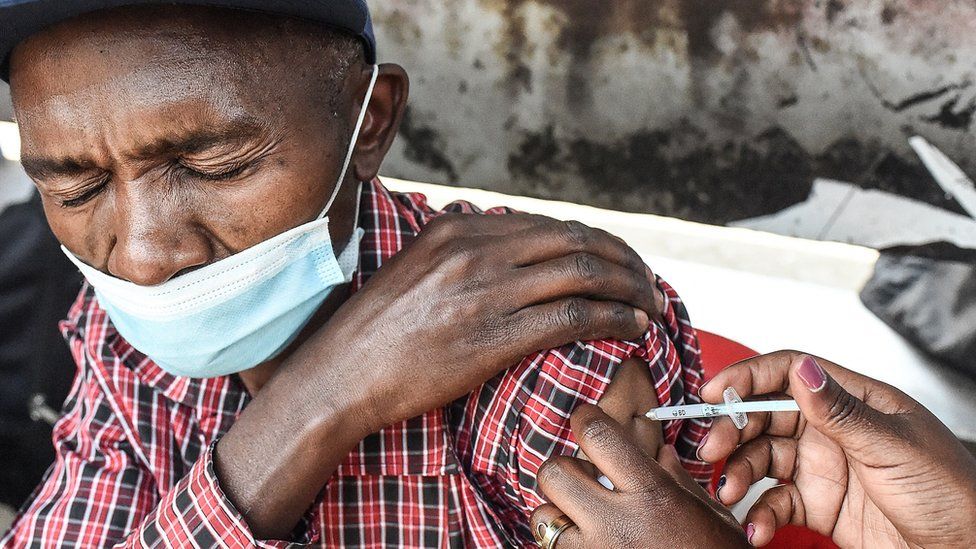
SharecloseShare pageCopy linkAbout sharingimage source, Getty ImagesIndia will resume Covid vaccine exports from October, Health Minister Mansukh Mandaviya has announced.The world’s largest vaccine producer had halted exports in April to cater to domestic demand as infections shot up.The announcement comes as Prime Minister Narendra Modi visits Washington on Tuesday for a summit of the Quad leaders – US, India, Japan and Australia.Officials say vaccines exports are likely to be discussed at the meeting.Mr Mandaviya said India’s vaccine manufacturers “are expected to produce more than 300 million doses” in October for the country’s own vaccination drive and that any surplus supplies would be sent to other countries in the global fight against Covid-19.”We will help the world, and through Covax we will also fulfil our responsibility,” he told reporters on Monday. Covax is a multilateral initiative which aims to provide access to Covid vaccines to all countries globally, led by the Global Vaccine Alliance (Gavi), the World Health Organisation (WHO) and Coalition for Epidemic Preparedness Innovations (CEPI).Mr Mandaviya said the government was expected to receive 260 million doses from domestic manufacturers this month. “The production will further increase. Biological E [a Covid vaccine developed in collaboration with US-based Dynavax and Baylor College of Medicine] and other manufacturers will also bring their vaccines to the market,” he added.How India’s vaccine drive went horribly wrongCovid vaccine: India gives 20 million jabs to mark PM Modi’s birthdayDoses to Covax from the Serum Institute of India – which makes the Covishield vaccine – are dedicated to supply 92 lower-income countries. “We welcome news reports that India is to resume exports of Covid-19 vaccines to the rest of the world. This could have an immense positive impact on both health security within India as well as globally,” a spokesperson for Gavi told the BBC.”Our priority right now is to engage with the government of India and Serum Institute of India to understand the impact this will have on our supply schedule, as we race to protect as many vulnerable people as we can from Covid-19.”India wants to vaccinate its adult population by the end of 2021. It has given more than 818 million doses of the three approved jabs since the beginning of the vaccination drive in January.On Friday, it administered a record-breaking 20 million doses – surpassing the country’s previous best daily tally of more than 13 million jabs on 27 August.So far, more than 609 million people – more than half of India’s eligible population – have received at least one dose. Only 21% of eligible adults are fully vaccinated. Most countries, especially those in the developing world, have struggled to get vaccines after India halted exports following a devastating second wave of infections in April and botched government orders for vaccines.Before the ban came into place, India had exported more than 60 million vaccine doses to 76 countries, with the majority being the Oxford-AstraZeneca jab, Covishield.

Read more →

How Specialty Pharmacies Cater to the Blind and Those With Impaired Vision

Listen to This ArticleTo hear more audio stories from publications like The New York Times, download Audm for iPhone or Android.During the pandemic, Curtis Chong has avoided the 2-½ hour journey to his grocery store pharmacy — including a round-trip bus ride — to pick up his prescription.Even though Mr. Chong, a retiree in Aurora, Colo., said he is readily identifiable as a blind person, because he uses a white cane for mobility, his pharmacist never suggested he could have his medications labeled in an accessible way.Through a Zoom meeting, Mr. Chong learned about Accessible Pharmacy Services, a start-up, that now delivers his medication with labels that convert text to speech. Mr. Chong said the new specialty pharmacy provided an array of products and assistance “so that the blind can identify their medications privately and independently.”Unlike most other pharmacies, Accessible Pharmacy does not cater to walk-in customers or, for that matter, people who can see. The company offers service to blind people and those with low vision, including assistance from those who can see and free home delivery for prescriptions, medical devices and over-the-counter medications.The pandemic has cast a spotlight on inequalities at pharmacies, where precautions and new programs have further limited access to health care for people with intellectual, developmental and physical disabilities.Critical services like drive-through coronavirus testing, vaccination and pharmacy pickup windows have failed in many instances because they were rolled out in ways that were inaccessible. How can a blind person drive through a pharmacy? Why isn’t walk-through an option?In addition, labeling and packaging have been a longstanding problem for older adults and for anyone who cannot read or understand the tiny type that appears on most prescription bottles and the accompanying pamphlets listing side effects and drug interactions.There is no national standard that specifically addresses accessible labeling or packaging, despite the potential needs of more than 85 million — approximately 1 in 4 — people in the United States who, according to the Census Bureau, have a disability, and more than 12 million people who have serious difficulty seeing.The Food and Drug Administration is responsible for regulating prescription drug labels, and under a 2012 law, required a U.S. agency to develop guidelines for accessible labels for those who are blind or visually impaired. In 2016, the Government Accountability Office found that blind and low-vision patients “continue to face barriers accessing drug label information, including identifying pharmacies that can provide accessible labels.”Curtis Chong, a retiree in Aurora, Colo. “It’s still like the Wild West for us in terms of reliably and consistently finding solutions at the national level,” he said.Benjamin Rasmussen for The New York TimesSome improvements have been made, and states have taken the lead on pharmacy oversight. A few, including Pennsylvania, Massachusetts, and Maine, are exploring legislation that would require pharmacies to provide prescription labels in Braille, large print, high-contrast and with audio. In 2018, Nevada passed a law requiring pharmacies to provide a prescription reader or to help patients obtain one, and Oregon passed a similar law in 2019.Nestled in a nondescript mini-mall, next to a Pizza Hut and a partially vacant building, Accessible Pharmacy operates in Fairless Hills, Penn. Concierge agents speak with each patient on the phone, coordinate refills and drug interaction questions with their doctors and consult resident pharmacists. A packaging and labeling menu for prescriptions includes Braille, large print, and audio — all free of charge.“We decided to create a company where accessibility and reduction of barriers would be our primary focus with an incredibly welcoming sense of hospitality,” said Alex Cohen, 45, company co-founder and professor of marketing at West Chester University outside of Philadelphia, and one-time general manager of a hotel. He became blind after being diagnosed with retinitis pigmentosa, a genetic degenerative disease, when he was 20.Accessible Pharmacy, which launched in May 2020, resulted from collaboration between Mr. Cohen, the chief marketing and accessibility officer, and Andy Burstein, the chief executive.“It’s still like the Wild West for us in terms of reliably and consistently finding solutions at the national level,” said Mr. Chong, 67. He gets his prescriptions from Accessible Pharmacy with ScripTalk. A tag is placed on the bottom of each pill container that is programmed to include medication information. It can be read aloud using the ScripTalk app on his iPhone or with a free-standing device. (En-Vision America, the manufacturer, said ScripTalk is available in 25 languages and is used by over 20,000 people.)Mr. Chong pays more for his medications because Accessible Pharmacy isn’t a preferred pharmacy with his Medicare plan, but said he is willing to pay extra so that his medication labels are tailored to his needs.He also said he found the websites of major drugstore chains problematic because of unlabeled graphics, requests for the prescription number and a “general lack of efficiency” when ordering refills.Accessible Pharmacy employees respond to video calls via Be My Eyes, a free app that provides assistance for blind and low-vision people using a network of sighted volunteers. Users requiring help with prescriptions or devices receive sighted assistance from the pharmacy. It can also set up and send out talking medical devices including blood pressure cuffs, thermometers, blood glucose meters and continuous glucose monitors and troubleshoot through the app, once patients have a device in hand.The pharmacy also fills orders using specialized equipment and can provide enhanced packaging with tactile differentiations for morning and night doses.Scott Jenca, the director of operations at Accessible Pharmacy Services in Fairless Hills, Pa., used the multi-dose packaging machine to dispense medication.Hannah Yoon for The New York TimesLynn Heitz, 63, a community training specialist for the blind who lives in Phoenixville, Pa., said she preferred the company’s disposable pill organizer so that she doesn’t have to figure out what’s in every bottle, and the pharmacy sends her the next month’s supply one week before she runs out. After she and her husband were diagnosed with Covid-19, the pharmacy sent an overnight package with prednisone and cough syrup that her doctor prescribed.This summer, the American Foundation for the Blind expanded its research on the effects of the pandemic to learn more about service interruptions as well as the short- and long-term issues encountered by those who are blind, deaf and blind or have low vision.In an Op-Ed last fall, Penny Rosenblum, the former director of research at the foundation, described one such obstacle: “‘Drive-thru’ and ‘curbside pickup’ discriminate,” she wrote. “This doesn’t work for those with vision loss. Communities must have alternative plans, be it porch delivery, walk-up or bike-thru.”DeAnna Quietwater Noriega, a writer and a full-time caregiver for her husband, Curtis, gets the couple’s prescriptions and any other pharmacy items they need hand-delivered to their front door by D&H Drugstore in Columbia, Mo. Ms. Noriega, 73, was born with glaucoma and has been blind since she was 8.“They know us by name and always treat us with respect and friendliness,” she said of her independent pharmacy. “They go the extra mile to be sure our medications are compatible with each other and argue on our behalf if our insurance company balks at the drug our doctors prescribed.”Ms. Noriega’s medications come with ScripTalk labels that she reads with her iPhone. Previously, she filled their prescriptions through Walmart. But the problem, she said, was the couple was never told when the refills had run out until they showed up at the pharmacy. “We were expected to read the very small print on the label,” she said.Many independent pharmacies offer personalized services including home delivery to meet customers’ needs. Major drugstore chains also offer home delivery in many places. Over the last several years, chain pharmacies have become somewhat more accessible, in part, because of lawsuits and negotiations led by advocacy organizations like the American Council of the Blind.But finding a pharmacy with a full menu of accessible solutions under one roof has been elusive. Last summer, CVS Health, which offers ScripTalk via its website, added a feature to its app called SpokenRx that can scan labels and read the prescription aloud, which the company said is now available in 10,000 stores.Walmart also provides ScripTalk in nearly 1,800 Walmart and Sam’s Clubs locations. And there have been other agreements reached with Walgreens to offer its Talking Pill Reminder free of charge. Eric Bridges, executive director of the council, said they have yet to engage with Amazon Pharmacy.Dr. Steven Erickson, a pharmacist and professor at the University of Michigan College of Pharmacy, teaches a class where guest speakers with various disabilities share their experiences with pharmacists so that students can demonstrate “disability cultural competence,” he said.“Without that education there is a greater risk of patients stopping the medicine, or not taking it as intended by their physician,” he said.Alex Cohen, a co-founder of Accessible Pharmacy. He said the company meets monthly with a packaging advisory committee of blind adults to help improve service.Hannah Yoon for The New York TimesGetting one-on-one time with a busy pharmacist can also be daunting, so people often settle for printed instructions. The small font size can be an impediment for people with low vision. In addition, those with cognitive issues or limited health literacy may have difficulty understanding the material. Lack of access can also affect deaf patients when the pharmacist doesn’t know sign language or when video relay service or a translator are not provided.Disposable pill organizers and sealed packets provide a “user-friendly” solution, Dr. Erickson said, but some large chains do not provide them. (CVS offers presorted packets that can be delivered to one’s home or pharmacy for pickup.) And refilling medications at the same time — so-called med-syncing — also helps patients by reducing trips to the pharmacy.“Both customized patient medication packaging and med-syncing are especially beneficial for people with disabilities who may face transportation barriers or difficulty manipulating traditional medication vials,” Dr. Erickson said.Mr. Cohen said the company meets monthly with a packaging advisory committee of blind adults. Customer feedback led to the addition of pet and guide-dog medications to the delivery menu and over-the-counter sundries like aspirin and toothpaste.What’s more, Dr. Erickson said it’s common for some people — especially those with intellectual and developmental disabilities — to have other medical conditions that require five or more prescriptions, a scenario known as polypharmacy.For a few years, Hayden Shock, 28, who is deaf and had a kidney transplant, took several drugs for his condition. During the pandemic, Mr. Shock, a program analyst for the General Services Administration, who lives in Arlington, Va., used either an app that provides speech-to-text, called LiveCaption, or pen and paper when he went to Walgreens.Masks posed another difficulty because they blocked the visual clues of pharmacy staff. (Safe’N’Clear makes an F.D.A.-approved mask with a window.) “I would not call myself a lip reader,” he said. “But I like to see people’s facial expression and lip movement when I communicate with them.”When his insurance changed to Inova Pharmacy Services, which is affiliated with the regional nonprofit health care provider, it delivered his prescriptions. Through his video phone number, which is connected to apps like Convo, Purple or Sorenson, he can talk to the pharmacy staff with the aid of a sign language interpreter.So far, Accessible Pharmacy has made inroads largely in the Northeast and mid-Atlantic regions of the country. Mr. Cohen said the company is licensed in 31 states and hopes to expand to all states.The pandemic, Mr. Cohen notes, has given pharmacies and retailers reasons to rethink their customer service, because many “overestimated the role technology could play in assuaging” the fears of people with disabilities. The assumption that these communities of people with differing needs are tech savvy is “perilous,” he added, noting that some people still only have a landline.“We always welcome a phone conversation,” Mr. Cohen said.

Read more →

Even the G-Spot is Named for a Man

Why do so many female body parts honor male scientists? “Pudendum” isn’t the only questionable term slinking around in the female pelvis. Pull out a map to this region and you face an array of unfamiliar landmarks: Alcock’s canal, the pouch of Douglas, Bartholin’s glands, the fallopian tubes. These are all body parts named in honor of the people thought to have “discovered” them. They are relics from a time when the female body was considered terra incognita for great minds of medicine to explore, stake out and claim.But such terms may be on their way out of medicine. Scientifically, anatomists frown on naming parts after people for several reasons. These terms are useless, offering little information about what any given body part actually does. They’re confusing: Surnames sometimes vie for the same part (for example, the bodies of Arantius are also known as the nodules of Morgagni), and some surnames adorn multiple parts (Gabriele Falloppio lays claim to a tube, a canal, a muscle and a valve, not to mention a flowering buckwheat plant). Finally, they give the unfortunate, off-putting impression that medicine (and the female pelvis) is still an old boys’ club.Such terms were officially banned from medicine in 1895. Unofficially, they are everywhere. A recent count found at least 700 in the human body, most of which take their names from men. (One of the few women on the body’s map is Raissa Nitabuch, a 19th-century Russian pathologist whose name is attached to a layer of the maturing placenta called the Nitabuch membrane.) They persist because they are memorable, recognizable and — for clinicians, at least — familiar. Here’s a guide to some of the better-known ones in the female pelvis, and what you can call them instead.

Read more →

Pioneering EEG test could dramatically increase early diagnosis of Alzheimer’s

A simple but revolutionary approach to early Alzheimer’s diagnosis is being pioneered by researchers through an initiative that could pave the way for improved outcomes for individuals who develop the disease in the future.
The innovative research, led by psychologists at the University of Bath and funded by the dementia charity BRACE, uses a new method to passively measure brain activity. It involves participants looking at a series of flashing images on a computer over two minutes, whilst their brain waves are measured using an EEG cap.
New research on this, published today in the journal BRAIN, shows that the technique is highly effective at picking up small, subtle changes in brain waves which occur when a person remembers an image. Crucially, the technique is completely passive, meaning the person doing the test doesn’t need to understand the task or respond, and may not even be aware of their memory response.
The team behind the ‘Fastball EEG’ technology says the approach is cheap, portable and relies on pre-existing technology already available in hospitals, making it easily scalable. They are now beginning to use Fastball EEG in a study of the earliest stages of Alzheimer’s disease in collaboration with the Research Institute for the Care of Older People (RICE) and the Bristol Brain Centre at Southmead Hospital.
Alzheimer’s is the underlying cause of approximately 60% of dementia, with an estimated prevalence rate in Europe and North America of 5-7% of the population. Estimates suggest the disease costs the UK economy around £26 billion a year, with costs expected to rise as an ageing population will see numbers increasing.
Alzheimer’s disease is currently diagnosed using a combination of subjective and objective reports of cognitive decline, often involving memory tests administered in a clinic. These tests are prone to various biases, including assessment anxiety, but also require verbal and written communication abilities which make them ineffective for certain people.

Read more →

Biden Pushes Global Plan to Battle Covid-19 as National Gaps Widen

The U.N.-backed vaccine program is so far behind schedule that not even 10 percent of the population in poor countries is fully vaccinated, experts say.WASHINGTON — Already grappling with divisions in his own country over vaccine mandates and questions about the ethics and efficacy of booster shots, President Biden is facing another front of discord: a split among world leaders over how to eradicate the coronavirus globally, as the highly infectious Delta variant leaves a trail of death in its wake.At a virtual summit on Wednesday, while the annual United Nations General Assembly meeting is underway, Mr. Biden will try to persuade other vaccine-producing countries to balance their domestic needs with a renewed focus on manufacturing and distributing doses to poor nations in desperate need of them.Covax, the United Nations-backed vaccine program, is so far behind schedule that not even 10 percent of the population in poor nations — and less than 4 percent of Africa’s population — is fully vaccinated, experts said. Millions of health care workers around the world have not had their shots.The push, which White House officials say seeks to inject urgency into vaccine diplomacy, will test Mr. Biden’s doctrine of furthering American interests by building global coalitions. Coming on the heels of the United States’ calamitous withdrawal from Afghanistan last month that drew condemnation from allies and adversaries alike, the effort to rally world leaders will be closely watched by public health experts and advocates who say Mr. Biden is not living up to his pledges to make the United States the “arsenal of vaccines” for the world.“This is one of the most moral questions of our time,” Representative Rosa DeLauro, Democrat of Connecticut, said last week. “We cannot let the moment pass. And the United States can recapture its leadership role by taking on what is one of the greatest humanitarian causes ever — and we need to bring this pandemic to an end.”The landscape is even more challenging now than when Covax was created in April 2020. Some nations in Asia have imposed tariffs and other trade restrictions on Covid-19 vaccines, slowing their delivery. India, home to the world’s largest vaccine maker, has banned coronavirus vaccine exports since April.At the same time, the Biden administration is preparing to offer booster shots to millions of already vaccinated Americans, despite criticism from World Health Organization officials and other experts who say the doses should go to low- and lower-middle-income countries first. On Friday, a Food and Drug Administration panel recommended Pfizer booster shots for those over 65 or at high risk of severe Covid-19, a broad and ill-defined category. The agency is expected to authorize the shots this week.Biden administration officials said they are determined to eliminate the disease both at home, including with booster shots, and abroad. “We do understand that this has not been spread around equally,” Erica Barks-Ruggles, the State Department’s senior adviser on international organizations, told reporters on Monday, previewing the U.N. meeting.Hours later, on a conference call with reporters Monday, the W.H.O.’s chief scientist, Dr. Soumya Swaminathan, disagreed.“It’s a myth when people say we can do both — unfortunately, that’s not true,” Dr. Swaminathan said, referring to Mr. Biden’s booster strategy. “At the moment, we are in a zero sum game.”She and other experts are calling for a coordinated global vaccination strategy in which doses would be distributed equitably around the globe, rather than each country tending to its own needs.Officials said Wednesday’s summit would be the largest gathering of heads of state to address the coronavirus crisis. It aims to encourage pharmaceutical makers, philanthropists and nongovernmental organizations to work together toward vaccinating 70 percent of the world’s population by the time the U.N. General Assembly meets in September 2022, according to a draft document the White House sent to the summit participants.“We also know this virus transcends borders,” Mr. Biden said on Sept. 9. “That’s why, even as we execute this plan at home, we need to continue fighting the virus overseas, continue to be the arsenal of vaccines.”“That’s American leadership on a global stage,” he said.Experts estimate that 11 billion doses are necessary to achieve widespread global immunity. The United States has pledged to donate more than 600 million — more than any other nation — and the Biden administration has taken steps to expand vaccine manufacturing in the United States, India and South Africa. In addition, the White House is in talks to buy another 500 million doses from Pfizer to donate overseas, but the deal is not final.The 27-nation European Union aims to export 700 million doses by the end of the year.The distribution of Covax vaccines is so far behind schedule that not even 10 percent of the population in poor nations is fully vaccinated.Brian Inganga/Associated PressBut as recently as July, only 37 percent of people in South America and 26 percent in Asia had received at least one vaccine shot, according to Rajiv J. Shah, the head of the U.S. Agency for International Development during the Obama administration. The figure stood at just 3 percent in Africa, Mr. Shah wrote in an essay published last month in Foreign Affairs.An estimate by the ONE Campaign, which fights extreme poverty and preventable disease, showed that the leading seven developed nations would together be sitting on a surplus of more than 600 million vaccine doses by the end of 2021. That is enough to give every adult in Africa one shot.Most doses that have been committed, however, will not be delivered to the needier nations, nor injected into arms, until next year. Given the sluggish distribution, said Dr. Kate O’Brien, the World Health Organization’s top vaccines expert, “we can see clearly from the data that’s coming out that we are very far” from vaccinating 70 percent of the world’s population by the middle of next year, as initially projected.The president is also under intense pressure from global health advocates who say donating doses is not enough and want him to scale up manufacturing capacity overseas.On Monday, activists staged a demonstration near the U.N. headquarters in New York calling on Mr. Biden to “end vaccine apartheid.” A coalition of nearly 60 human rights and other advocacy groups sent Mr. Biden a letter urging him to back a $25 billion investment that would produce eight billion doses within a year — and to ask Congress to include a specific line item for it in the $3.5 trillion “Build Back Better” budget legislation that lawmakers are now considering.“We cannot ‘donate’ our way to safety,” they wrote.That growing gap between the vaccine haves and the vaccine have-nots has led to a rift between wealthy countries and most of the rest of the world, one that has only deepened with the rampant spread of the Delta variant and potentially thousands of others that are on the rise. Several of the most virulent variants were first identified in lower-income countries, including South Africa and India — both of which have fully vaccinated only 13 percent of their populations.More than 100 low-income countries are banking on Mr. Biden to lean on the European Union and Group of 7 states at the summit on Wednesday to agree to waive intellectual property rights to vaccine production so that they can be shared with manufacturers in other, developing nations. Some of the leading coronavirus vaccines are produced in Europe — including Pfizer-BioNTech in Germany and AstraZeneca in England — and officials there have been accused of putting potential profits ahead of beating back the pandemic.The European Union again objected to a plan to waive the vaccine property rights at a closed-door World Trade Organization meeting last week in Geneva, according to a senior European diplomat familiar with the discussion.The Biden administration has supported a waiver, although not as forcefully as its advocates want.“The action by the U.S. is particularly important to shift things forward, and make people come around the table and discuss these issues,” said Zane Dangor, a special adviser to South Africa’s foreign minister. He said European Union officials “would like to kick this discussion further down the road.”“The more we delay in ensuring equitable access, the longer we wait, the longer the pandemic becomes,” Mr. Dangor said last week..css-1xzcza9{list-style-type:disc;padding-inline-start:1em;}.css-3btd0c{font-family:nyt-franklin,helvetica,arial,sans-serif;font-size:1rem;line-height:1.375rem;color:#333;margin-bottom:0.78125rem;}@media (min-width:740px){.css-3btd0c{font-size:1.0625rem;line-height:1.5rem;margin-bottom:0.9375rem;}}.css-3btd0c strong{font-weight:600;}.css-3btd0c em{font-style:italic;}.css-w739ur{margin:0 auto 5px;font-family:nyt-franklin,helvetica,arial,sans-serif;font-weight:700;font-size:1.125rem;line-height:1.3125rem;color:#121212;}#NYT_BELOW_MAIN_CONTENT_REGION .css-w739ur{font-family:nyt-cheltenham,georgia,’times new roman’,times,serif;font-weight:700;font-size:1.375rem;line-height:1.625rem;}@media (min-width:740px){#NYT_BELOW_MAIN_CONTENT_REGION .css-w739ur{font-size:1.6875rem;line-height:1.875rem;}}@media (min-width:740px){.css-w739ur{font-size:1.25rem;line-height:1.4375rem;}}.css-9s9ecg{margin-bottom:15px;}.css-16ed7iq{width:100%;display:-webkit-box;display:-webkit-flex;display:-ms-flexbox;display:flex;-webkit-align-items:center;-webkit-box-align:center;-ms-flex-align:center;align-items:center;-webkit-box-pack:center;-webkit-justify-content:center;-ms-flex-pack:center;justify-content:center;padding:10px 0;background-color:white;}.css-pmm6ed{display:-webkit-box;display:-webkit-flex;display:-ms-flexbox;display:flex;-webkit-align-items:center;-webkit-box-align:center;-ms-flex-align:center;align-items:center;}.css-pmm6ed > :not(:first-child){margin-left:5px;}.css-5gimkt{font-family:nyt-franklin,helvetica,arial,sans-serif;font-size:0.8125rem;font-weight:700;-webkit-letter-spacing:0.03em;-moz-letter-spacing:0.03em;-ms-letter-spacing:0.03em;letter-spacing:0.03em;text-transform:uppercase;color:#333;}.css-5gimkt:after{content:’Collapse’;}.css-rdoyk0{-webkit-transition:all 0.5s ease;transition:all 0.5s ease;-webkit-transform:rotate(180deg);-ms-transform:rotate(180deg);transform:rotate(180deg);}.css-eb027h{max-height:5000px;-webkit-transition:max-height 0.5s ease;transition:max-height 0.5s ease;}.css-6mllg9{-webkit-transition:all 0.5s ease;transition:all 0.5s ease;position:relative;opacity:0;}.css-6mllg9:before{content:”;background-image:linear-gradient(180deg,transparent,#ffffff);background-image:-webkit-linear-gradient(270deg,rgba(255,255,255,0),#ffffff);height:80px;width:100%;position:absolute;bottom:0px;pointer-events:none;}.css-uf1ume{display:-webkit-box;display:-webkit-flex;display:-ms-flexbox;display:flex;-webkit-box-pack:justify;-webkit-justify-content:space-between;-ms-flex-pack:justify;justify-content:space-between;}.css-wxi1cx{display:-webkit-box;display:-webkit-flex;display:-ms-flexbox;display:flex;-webkit-flex-direction:column;-ms-flex-direction:column;flex-direction:column;-webkit-align-self:flex-end;-ms-flex-item-align:end;align-self:flex-end;}.css-12vbvwq{background-color:white;border:1px solid #e2e2e2;width:calc(100% – 40px);max-width:600px;margin:1.5rem auto 1.9rem;padding:15px;box-sizing:border-box;}@media (min-width:740px){.css-12vbvwq{padding:20px;width:100%;}}.css-12vbvwq:focus{outline:1px solid #e2e2e2;}#NYT_BELOW_MAIN_CONTENT_REGION .css-12vbvwq{border:none;padding:10px 0 0;border-top:2px solid #121212;}.css-12vbvwq[data-truncated] .css-rdoyk0{-webkit-transform:rotate(0deg);-ms-transform:rotate(0deg);transform:rotate(0deg);}.css-12vbvwq[data-truncated] .css-eb027h{max-height:300px;overflow:hidden;-webkit-transition:none;transition:none;}.css-12vbvwq[data-truncated] .css-5gimkt:after{content:’See more’;}.css-12vbvwq[data-truncated] .css-6mllg9{opacity:1;}.css-qjk116{margin:0 auto;overflow:hidden;}.css-qjk116 strong{font-weight:700;}.css-qjk116 em{font-style:italic;}.css-qjk116 a{color:#326891;-webkit-text-decoration:underline;text-decoration:underline;text-underline-offset:1px;-webkit-text-decoration-thickness:1px;text-decoration-thickness:1px;-webkit-text-decoration-color:#326891;text-decoration-color:#326891;}.css-qjk116 a:visited{color:#326891;-webkit-text-decoration-color:#326891;text-decoration-color:#326891;}.css-qjk116 a:hover{-webkit-text-decoration:none;text-decoration:none;}Wealthy nations have argued that the waiver alone will not produce vaccines, given that most developing countries lack technologies or other capabilities to manufacture them.“Too much energy is being spent on an initiative that won’t provide immediate relief,” Gary Locke, the Commerce Department secretary and ambassador to China during the Obama administration, wrote on Sept. 8.He said the issue had become politicized: “But it won’t get shots into arms when people really need it — which is right now.”Health experts have blamed the ban on vaccine exports from India, imposed in April, for stunting the global supply. Two months later, the Serum Institute of India, the world’s largest vaccine maker, announced that it would divert its AstraZeneca vaccine production to domestic needs after a second wave of infections devastated India, reneging on hundreds of millions of doses that were designated for poor countries.Egypt started manufacturing China’s Sinovac vaccine with the aim of making one billion doses per year.Khaled Desouki/Agence France-Presse — Getty ImagesThe Biden administration has been pressuring Prime Minister Narendra Modi of India to drop the ban, and on Monday, as the annual U.N. meeting opened, India’s health minister announced that Covid-19 vaccine exports would resume in October.Mr. Modi, along with the leaders of Japan and Australia — members of the so-called Quad countries — will attend a meeting at the White House on Friday, two days after the president’s vaccine summit.Senior American and E.U. officials also met in Washington on Monday, to discuss what several officials described as continued efforts to increase vaccine manufacturing.That will be all the more necessary as the United States and other countries begin recommending booster shots; Israel is already offering them to anyone older than 30. The World Health Organization had asked wealthy countries to hold off on administering booster shots to healthy patients, until at least the end of the year, as a way of enabling other nations to vaccinate at least 40 percent of their populations.Dr. Anthony S. Fauci, the president’s top medical adviser for the coronavirus, said in an interview that the Biden administration was working on a far-reaching global response plan, but he would not offer specifics. Building additional vaccine manufacturing plants may be a reasonable step to prepare for the next pandemic, he said, but that cannot happen quickly enough to end this one.“We’re trying to figure out what is the best way to get a really fully impactful program going,” Dr. Fauci said. “We want to do more, but we’re trying to figure out what the proper and best approach is.”

Read more →