Newly identified group of nerve cells in the brain regulates bodyweight

Obesity is a global health problem that affects many people. In recent years, very promising anti-obesity drugs have been developed. Despite these successes, there are patients who do not respond to these drugs or suffer from side effects. Therefore, there is still an unmet need for therapies. Researchers have now discovered a small group of nerve cells in the hypothalamus of mouse brains that influence eating behavior and weight gain. This discovery could pave the way for the development of new targeted anti-obesity drugs.

Read more →

Nearly five million seized seahorses just ‘tip of the iceberg’ in global wildlife smuggling

Close to five million smuggled seahorses worth an estimated CAD$29 million were seized by authorities over a 10-year span, according to a new study that warns the scale of the trade is far larger than current data suggest. The study analyzed online seizure records from 2010 to 2021 and found smuggling incidents in 62 countries, with dried seahorses, widely used in traditional medicine, most commonly intercepted at airports in passenger baggage or shipped in sea cargo.

Read more →

Combination therapy with Rapamycin and Trametinib prolongs the life of mice

Researchers have discovered that the combination of the two cancer drugs Rapamycin and Trametinib significantly extends the lifespan of mice. This therapy shows greater effects than the individual drugs and offers not only a longer lifespan, but also health benefits in old age. The results suggest that this drug combination could be a promising strategy for combating age-related diseases and promoting longevity.

Read more →

Yeast can now produce human DNase1

The protein DNase1 is one of the oldest biological agents in history: It has been on the market since 1958 and is now used, among other things, to treat cystic fibrosis. However, it takes considerable effort to produce it in immortalized hamster cells. This process is also costly. It would be far more cost-effective to produce it with undemanding yeast cells.

Read more →

Kara Tointon has double mastectomy after gene test

Former EastEnders actress Kara Tointon has revealed she has undergone a double mastectomy following a gene test.The 41-year-old, also known for her work in dramas including The Teacher and Mr Selfridge, revealed that tests showed she carried the BRCA gene – which can put her at very high risk of cancer. Tointon, from Basildon in Essex, posted an Instagram video on Wednesday to raise awareness of the preventative measure she had taken.She said: “You may have heard of the BRCA genes 1 and 2 and as a carrier it means I am at a greater risk of both breast and ovarian cancer.”In 2018, the soap star said she was asked to take a genetics test when her mother Carol was undergoing treatment for ovarian cancer. She is working with gynaecological cancer charity the Eve Appeal, of which she is an ambassador.”There is a history of both cancers in my family on my mother’s side, but for various reasons, including generational trauma of which I’ll talk more about another time, we hadn’t looked into it until that point,” she said. “But it was put to us, we took the test, and it was confirmed that my mum and I both carried the gene.” Ms Tointon’s mother died in 2019.”Last year, having had my second son in 2021 and deciding that our family was complete, I underwent two preventative surgeries,” she said.”The first a double mastectomy and the second a two-part protector study, a trial.”They believe that ovarian cancer begins in the fallopian tubes so by removing them first, checking them out, you then remove the ovaries later, and closer to menopause,” she added. Hollywood star Angelina Jolie underwent a double mastectomy after she discovered she carried the BRCA1 gene, leading to greater awareness of the gene defect.Around one in 1,000 women across the UK have a BRCA1 variant, but most breast and ovarian cancers happen due to chance damage to genes.After several tests, including biopsies and MRIs, Tointon said: “I decided that this was the right decision for me and my family.”It wasn’t an easy decision, but one I’m very glad and lucky I made, and I can now, with hindsight, talk about it properly.”

Read more →

Cash to isolate ‘would have cut Covid deaths’

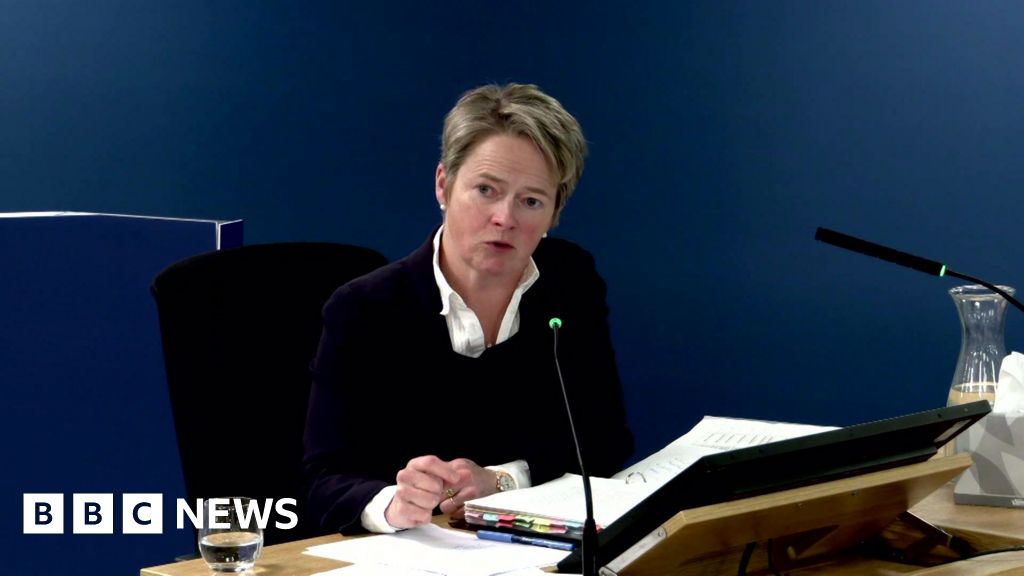
If the UK had spent more money helping people to self-isolate during the pandemic then fewer people would have been infected or died, the former head of NHS Test and Trace has said.Baroness Dido Harding, who was in charge of the programme in England, told the Covid inquiry she repeatedly argued to increase financial support, but was “frustrated” by the response of then chancellor, Rishi Sunak.”There was an intransigence that I think was very sad,” she said in her evidence.On 28 September 2020, the government did bring in a £500 self-isolation payment for low income workers on state benefits who were told to stay at home after being in contact with an infected person.A parallel scheme of discretionary payments was set up by some local authorities to support those outside the welfare system.In her evidence, Baroness Harding said the UK spent proportionally “much less than other developed countries enabling disadvantaged people to self-isolate”.”If we had allocated more of the NHS Test and Trace budget to isolation support, I strongly suspect that fewer would have died and infection rates would have been lower with all the benefits that would have brought,” she said in her witness statement.”It’s certainly the thing that I wished I had succeeded in persuading ministers to do,” she added in the hearing.”But I wasn’t the decision maker. The decision maker in this was the chancellor and at every opportunity, from June [2020] onwards, the chancellor rejected the proposals.”Last week, the inquiry was shown private diary entries written by the government’s then chief scientific adviser, Lord Patrick Vallance.He wrote at the time that it was the “instinct” of policy makers to use the “stick” of enforcement and fines to convince people to self-isolate, rather than the “carrot” of financial support favoured by the government’s science advisers.After one meeting, on 27 July 2020, he wrote: “Dido [Harding] pushed to get financial support for people to get tested in low socio-economic groups.”Rishi [Sunak] reacted strongly to that and said basically: ‘Just stop the social interactions.'”Baroness Harding, a former retail and telecoms executive who was appointed to lead the test and trace system in May 2020, said data in the first year of the pandemic suggested individuals were not being tested because they were “scared of the consequences of isolation”.”To be honest, it was intensely frustrating,” she told the inquiry, adding that she found reading messages from the time “quite distressing”.”We did try really hard to persuade ministers that [increased financial support] would be a good thing, not just for the individual wellbeing of those disadvantaged people, but also economically, as this was one of the ways you could have less economic harm for the country as a whole,” she added.She said she felt chancellor Rishi Sunak had rejected her arguments as a “point of principle” because he did not want to create what could be seen as a new welfare benefit.”I don’t think there was any amount of data and analysis that I could have put that would have changed his mind,” she said.”I think you can hear my frustration as I say it.”Rishi Sunak has not been called to give evidence to this three-week section of the Covid inquiry, which is looking at testing, contact tracing and isolation policies.But, last week, Dan York-Smith, a senior civil servant in the Treasury, said a number of economic measures were brought in to support workers, including extensions to statutory sick pay and the furlough scheme.He said the chancellor was particularly worried about creating “perverse intensives” which might have increased the risks of fraud, or meant some workers could be paid more to self-isolate than in wages.

Read more →

How ‘laughing gas’ became a deadly – but legal – American addiction

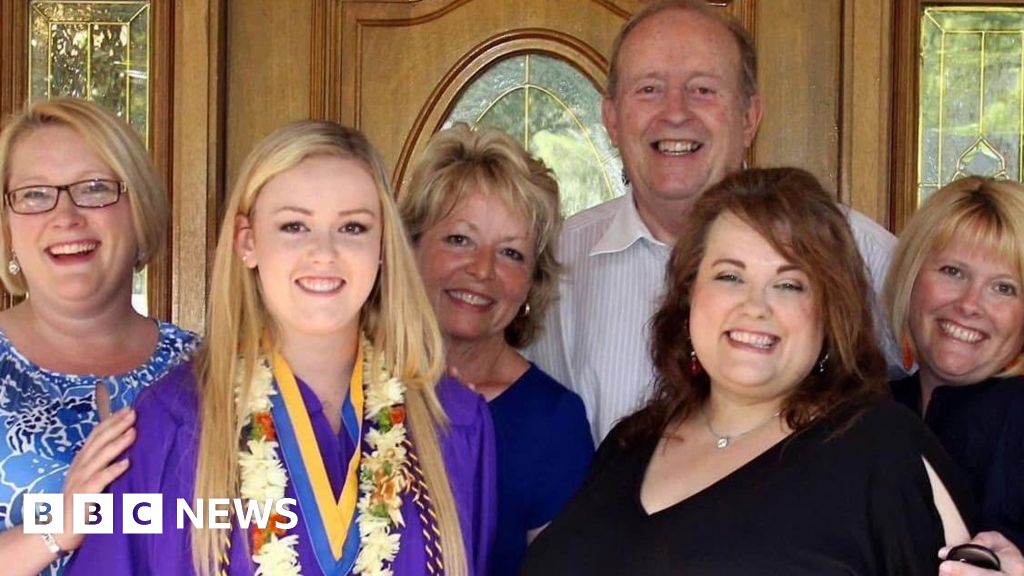
Nitrous oxide – known colloquially as “laughing gas” – has many uses, from a painkiller during dental procedures to a whipping agent for canned whipped cream.While its euphoric side effects have long been known, the rise of vaping has helped create a perfect delivery vehicle for the gas – and a perfect recipe for an addiction, experts warn.Meg Caldwell’s death wasn’t inevitable.The horseback rider from Florida had started using nitrous oxide recreationally in university eight years ago. But like many young people, she started to use more heavily during the pandemic.The youngest of four sisters, she was was “the light of our lives,” her sister Kathleen Dial told the BBC.But Ms Caldwell’s use continued to escalate, to the point that her addiction “started running her life”.She temporarily lost use of her legs after an overdose, which also rendered her incontinent. Still, she continued to use, buying it in local smoke shops, inhaling it in the car park and then heading straight back into the shop to buy more. She sometimes spent hundreds of dollars a day.She died last November, in one of those car parks just outside a vape shop.”She didn’t think that it would hurt her because she was buying it in the smoke shop, so she thought she was using this substance legally,” Ms Dial said.The progression of Ms Caldwell’s addiction – from youthful misuse to life-threatening compulsion – has become increasingly common. The Annual Report of America’s Poison Centers found there was a 58 % increase in reports of intentional exposure to nitrous oxide in the US between 2023-2024.In a worst-case scenario, inhalation of nitrous oxide can lead to hypoxia, where the brain does not get enough oxygen. This can result in death. Regular inhalation can also lead to a Vitamin B12 deficiency which can cause nerve damage, degradation of the spinal column and even paralysis. The number of deaths attributed to nitrous oxide poisonings rose by more than 110% between 2019 and 2023, according to the Centers for Disease Control and Prevention.Possession of nitrous oxide was criminalised in the UK in 2023 after misuse among young people increased during the pandemic. But while many states have also outlawed the recreational use of the product in the US, it is still legal to sell as a culinary product. Only Louisiana has totally banned the retail sale of the gas.Galaxy Gas, a major manufacturer, even offers recipes for dishes, including Chicken Satay with Peanut Chili Foam and Watermelon Gazpacho on their website. With flavours like Blue Raspberry or Strawberries and Cream, experts warn this loophole – as well as major changes in packaging and retail – has contributed to the rise in misuse.Until recently users would take single-use plain metal canisters weighing around 8g and inhale the gas using a balloon. But when usage spiked during the pandemic, nitrous oxide manufacturers began selling much larger canisters online – as large as 2kg – and, eventually, in shops selling electronic vapes and other smoking paraphernalia.Companies also began to package the gas in bright colourful canisters with designs featuring characters from computer games and television series.Pat Aussem, of the Partnership to End Addiction, believes these developments are behind increased misuse:”Even being called Galaxy Gas or Miami Magic is marketing,” she said. “If you have large canisters, then it means that more people can try it and use it and that can lead to a lot of peer pressure.”The BBC reached out for comment to both Galaxy Gas and Miami Magic but did not receive a response. Amazon, where the gas is sold online, has said they are aware of customers misusing nitrous oxide and that they are working to implement further safety measures. In a response to reporting from CBS News, the BBC’s news partner in the US, Galaxy Gas maintained that the gas was intended for culinary use and that they include a message on their sites warning against misuse.Concern about nitrous oxide misuse increased last year, after several videos of people using the product went viral online.On social media, videos of young people getting high on gas became a trend. A video uploaded in July 2024 by an Atlanta-based fast-food restaurant featured a young man inhaling Strawberries and Cream flavoured nitrous oxide saying “My name’s Lil T, man”, his voice made deeper by the gas. To date the clip has been viewed about 40 million times and spawned thousands of copies.Misuse also featured heavily in rap music videos and Twitch streaming. Guests tried it on the Joe Rogan Show and rappers including Ye (formerly Kanye West) spoke about abusing the substance publicly. Ye has since sued his dentist for “recklessly” supplying Ye with “dangerous amounts of nitrous oxide”.In response to the trend, TikTok blocked searches for “galaxy gas,” and redirected users to a message offering resources about substance use and addiction. Rapper SZA also alerted her social media followers about its harms and slammed it for “being MASS marketed to black children”.In March, the Food and Drug Administration (FDA) issued an official alert warning against inhaling the gas after it “observed an increase in reports of adverse events after inhalation of nitrous oxide products”. The FDA told the BBC that it “continues to actively track adverse events related to nitrous oxide misuse and will take appropriate actions to protect the public health”.But for some, these warnings came too late.In 2023, the family of a 25-year-old woman, Marissa Politte successfully sued Nitrous Distributor United Brands for $745m in damages after the radiology technician was killed by a driver high on nitrous oxide. The jury found the company responsible for selling the product in the knowledge that it would be misused.”Marissa Politte’s death shouldn’t have happened in the first place, but my God, it should be the last,” Johnny Simon, the Politte family’s lawyer, said at the time. In the years since there have been several fatal traffic accidents involving the gas both in the US and the UK.Meanwhile, Ms Caldwell’s family have launched a class action lawsuit against manufacturers and distributors of nitrous oxide, hoping to remove the product from retail sales across the US for good.”The people who administer nitrous oxide in a dentist office now have to go through hours and hours of training, she said. “It just is crazy to me that the drug can be purchased in a smoke shop to anyone who goes in.””Unfortunately, it’s become very obvious that the manufacturers and the owners of the smoke shops are not going to do the moral thing and take this off the shelves themselves,” Ms Dial said.

Read more →

Maternal Mental Health Has Declined, Study Says

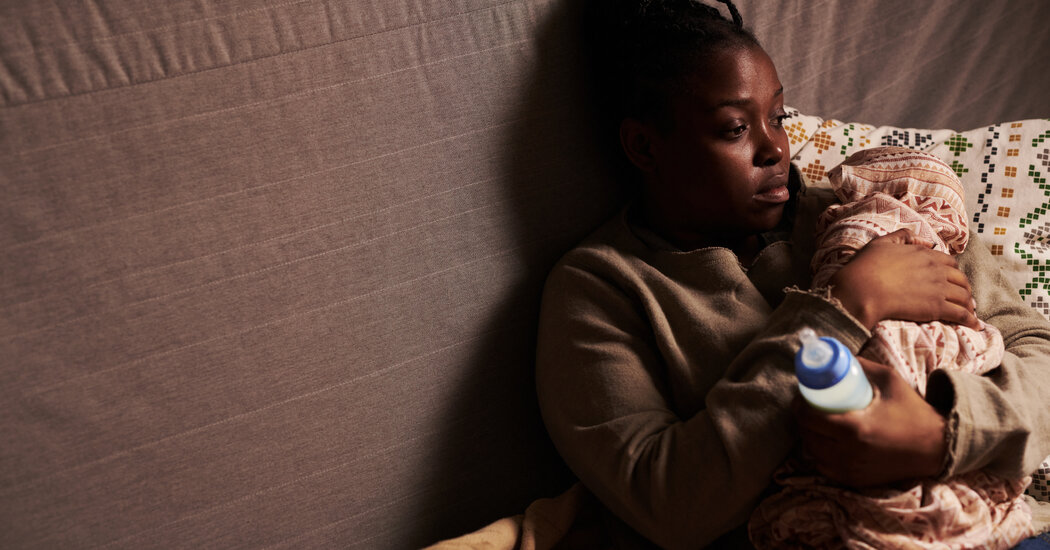
New research involving nearly 200,000 mothers found that one in 12 rated her mental health as fair or poor.The mental health of mothers in the United States declined significantly from 2016 to 2023, according to a large new study published in JAMA Internal Medicine on Tuesday.The percentage of mothers who rated their mental health as “excellent” dropped sharply during the study period. At the same time, the percentage of mothers who said their mental health was poor increased — particularly among those who were single parents, or whose children had Medicaid or were uninsured.The findings come at a fraught moment in the national conversation around parenting and declining birthrates. The Trump administration is said to be weighing strategies to persuade more Americans to get married and have children. But just last year, Dr. Vivek H. Murthy, who was then the surgeon general, warned about declining parental mental health in an advisory that described many who were raising children as “exhausted, burned out and perpetually behind.”The surgeon general’s report led the researchers behind the new study to begin analyzing data from nearly 200,000 mothers who participated in the National Survey of Children’s Health — an annual survey of households with children up to age 17. Researchers found that one in 20 mothers reported her mental health was poor or fair in 2016; by 2023 the ratio was about one in 12. In contrast, one in 22 fathers surveyed reported fair or poor mental health in 2023.There are limitations to the study, which was cross-sectional — meaning it looked at snapshots in time but did not follow the same women year over year. It also relied on self-reporting. Still, the findings are not surprising to experts in the field of maternal mental health, who have been observing the decline in emotional well-being for years.Dr. Tamar Gur, endowed director of the Soter Women’s Health Research Program at Ohio State University, said that if nothing else, the new findings would help reassure the mothers she treats that they are not the only ones struggling.We are having trouble retrieving the article content.Please enable JavaScript in your browser settings.Thank you for your patience while we verify access. If you are in Reader mode please exit and log into your Times account, or subscribe for all of The Times.Thank you for your patience while we verify access.Already a subscriber? Log in.Want all of The Times? Subscribe.

Read more →