Manslaughter case launched into Nottingham baby deaths

15 minutes agoShareSaveShareSavePA MediaA corporate manslaughter investigation has been opened into failings that led to hundreds of babies dying or being injured at maternity units in Nottingham.Nottinghamshire Police said they were examining whether maternity care provided by the Nottingham University Hospitals (NUH) NHS trust had been grossly negligent.The trust is at the centre of the largest maternity inquiry in the history of the NHS, with about 2,500 cases of neonatal deaths, stillbirths and injuries to mothers and babies being examined by independent midwife Donna Ockenden.The police investigation will centre on two maternity units overseen by the trust, which runs the Queen’s Medical Centre and Nottingham City Hospital.In a statement on the force’s website, Det Supt Matthew Croome, from the investigation team, said corporate manslaughter was a “serious criminal offence”.He said detectives were “looking to see if the overall responsibility lies with the organisation rather than specific individuals”.The police’s investigation into deaths and serious injuries related to NUH’s maternity care – called Operation Perth – has seen more than 200 family cases referred.The force said it expects about 2,500 to be submitted in total.

Read more →

Major study proves exercise improves cancer survival

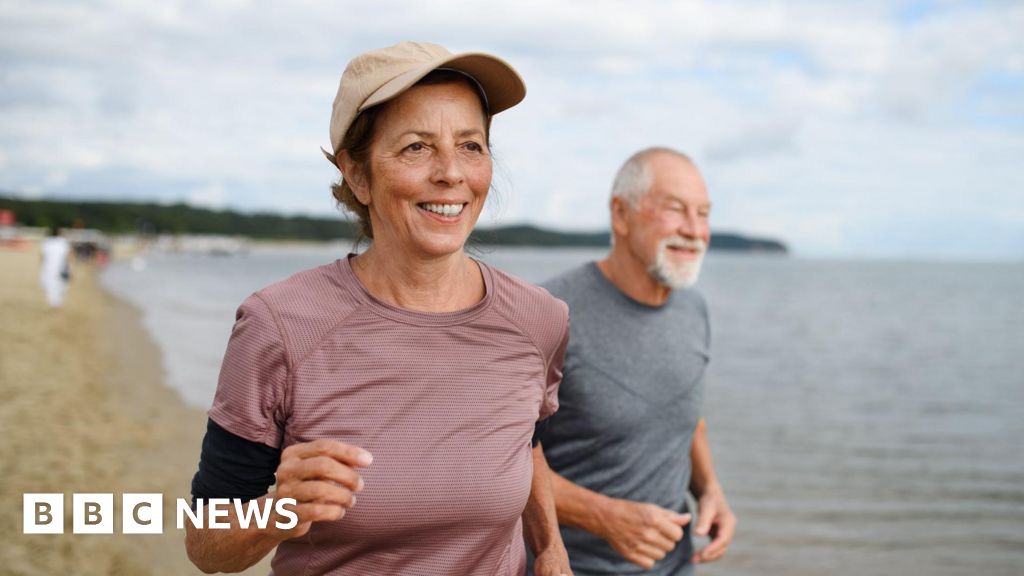
An exercise programme for colon cancer patients can cut the risk of dying by a third, a major international trial shows.The researchers said it was “not a large amount” of exercise and any type of workout from swimming to salsa classes counted.The results could change the way colon cancer is treated around the world.Scientists are already investigating whether similar exercise regimes could improve survival for people with other diseases, such as breast cancer.”It’s a bit of a mind-shift, thinking of treatment as something you do, not just something you take,” says researcher Prof Vicky Coyle from Queen’s University Belfast.In the trial, the three-year exercise programme started soon after chemotherapy.The aim was to get people doing at least double the amount of exercise set out in the guidelines for the general population.That could be three-to-four sessions of brisk walking a week, lasting 45-60 minutes, Prof Coyle says.People got weekly face-to-face coaching sessions for the first six months, which then dropped to once a month.The trial, involving 889 patients, put half on the exercise programme. The other half were given leaflets promoting a healthy lifestyle.The results, published in the New England Journal of Medicine, showed after five years:80% of people exercising remained cancer-freecompared with 74% in the other groupmeaning a 28% reduction in the risk of the cancer coming back, or a new one formingMeanwhile, eight years after the initial cancer treatment:10% of people on the exercise programme diedcompared with 17% in the group given only health advicemarking a 37% lower risk of deathExactly why exercise has this beneficial effect is unknown, but ideas include the impact on growth hormones, inflammation levels in the body and how the immune system functions – which patrols the body for cancer.Dr Joe Henson, from the University of Leicester, said the results were “exciting”.He added: “I saw first-hand that this reduced fatigue, lifted people’s mood and boosted their physical strength.”We know that physical activity regulates several key biological processes that could explain these results, and further research will help us uncover why exercise is having such a positive impact.”Colon cancer is the fourth most common cancer in the UK, with around 31,800 people diagnosed each year.Caroline Geraghty, from Cancer Research UK, said: “This trial has the potential to transform clinical practice, but only if health services have the necessary funding and staff to make it a reality for patients.”

Read more →

Fact Check: Trump and G.O.P.’s False Claims on Bill’s Medicaid Cuts and Deficit Hikes

President Trump has sought to assuage some lawmakers’ concerns over the bill’s price tag and cuts to Medicaid with inaccurate claims.As the Senate considers a domestic policy bill to enact the White House’s agenda, President Trump and his allies have sought to assuage some lawmakers’ concerns over its price tag and cuts to Medicaid with inaccurate claims.They have dismissed estimates of the effect of the “one big, beautiful bill” on the deficit as incorrect and described cuts to the health insurance program for poor Americans as simply trimming “waste, fraud and abuse.”Here’s a fact-check of some of their claims.What Was Said“We’re not doing any cutting of anything meaningful. The only thing we’re cutting is waste, fraud and abuse. With Medicaid, waste, fraud and abuse. There’s tremendous waste, fraud and abuse.” — Mr. Trump, in remarks to reporters on May 20False. The bill passed by the House will reduce federal spending on Medicaid by at least $600 billion over a decade and reduce enrollment by about 10.3 million people, according to a preliminary estimate from the Congressional Budget Office. But most of the changes to Medicaid have little to do with waste, fraud or abuse as defined by the Centers for Medicare and Medicaid Service.Edwin Park, a professor at Georgetown University whose research focuses on Medicaid and the Children’s Health Insurance Program, said that some provisions could qualify as cutting “waste, fraud and abuse,” like increasing assessments to make sure beneficiaries are not deceased.But most other provisions fit into several categories of cuts and restrictions, according to Professor Park, targeting Medicaid expansion, limiting states’ ability to finance Medicaid, imposing red tape on beneficiaries, rolling back protections against medical debt, forcing states to drop coverage, and limiting access to care and long-term care.We are having trouble retrieving the article content.Please enable JavaScript in your browser settings.Thank you for your patience while we verify access. If you are in Reader mode please exit and log into your Times account, or subscribe for all of The Times.Thank you for your patience while we verify access.Already a subscriber? Log in.Want all of The Times? Subscribe.

Read more →

Which Cooking Oil Is Best for the Planet?

A splash here, a splash there. You might not think your cooking oil matters much for the climate and the environment. But it does.Farming accounts for about a third of global carbon emissions. And, according to a major study published in 2022, nearly 20 percent of the planet’s total farmed land goes toward oil crops.But that doesn’t mean that all oils are bad. Some are much better than others. And, in some cases, they might even provide a net benefit in terms of planet-warming carbon.Here, in a nutshell, is what you should know.The global rankingsJust four crops make up more than 85 percent of the world’s edible oil: palm, soy, canola and sunflower.Peanut, coconut and olive oils are the next biggest. All the others, including corn, grapeseed and avocado, make up just a sliver of the global market.According to that study published in 2022, canola and sunflower oil are the two best bets for the climate, on average, around the world.We are having trouble retrieving the article content.Please enable JavaScript in your browser settings.Thank you for your patience while we verify access. If you are in Reader mode please exit and log into your Times account, or subscribe for all of The Times.Thank you for your patience while we verify access.Already a subscriber? Log in.Want all of The Times? Subscribe.

Read more →

Pharmacists warn drug shortage affecting cancer patients

47 minutes agoShareSaveShareSaveGetty ImagesPharmacists have warned that “one of the worst” examples of medicine shortages is affecting cancer patients.Creon, a pancreatic enzyme replacement therapy (Pert), helps digestion and is required by patients with pancreatic cancer, cystic fibrosis, and chronic pancreatitis. It is thought more than 61,000 patients in the UK need the medicine.Some patients are said to be “skipping meals” to ration their medication due to a shortage of it, according to the National Pharmacy Association (NPA).A Department of Health and Social Care spokesperson said there were “European-wide supply issues” and it was “working closely with industry and the NHS” to mitigate the impact on patients.Without the drug, patients lose weight and strength, which means their ability to cope with treatment such as chemotherapy is reduced.Some experts have predicted shortages continuing until next year.The Department of Health and Social Care has extended a serious shortage protocol for Creon which has already been in place for a year. This indicates concern about shortages of a medicine and allows pharmacists to give patients an alternative – though they argue other drugs are also in short supply.A spokesperson for the department said the “European-wide supply issues” were caused by manufacturing supply constraints.’Extra layer of stress’The National Pharmacy Association said more than three quarters of members covered in a recent survey felt the current arrangements for managing the shortages were inadequate. Some reported that patients were skipping meals and travelling long distances to get hold of the medication, according to the NPA.One said it was the “worst stock shortage” they had ever had to deal with.BBC News highlighted the issue in February after a woman got in touch saying it was impossible for her husband, who has pancreatic cancer, to digest his food without Creon. That month, leading pancreatic clinicians and charities wrote to the prime minister, saying the absence of Pert can have a “devastating impact on people’s lives”.They called for a national strategy to tackle the shortage.Alice from Birmingham was diagnosed with pancreatic cancer in 2023 and initially got 15 boxes of Creon capsules every month to help her tolerate chemotherapy. She can now get only six or seven and is having to skip snacks. The 64-year-old said the shortage had profoundly affected her mental health. She told the BBC: “Each day I’m trying to balance: what shall I eat, shall I have a more substantial meal, shall I take my supplements and that creates an extra layer of stress and worry whilst I’m trying to put my life together again after having this diagnosis.”‘Taking desperate measures’Alfie Bailey-Bearfield of Pancreatic Cancer UK said the charity had been raising concerns with the government and suppliers for more than a year and it was vital that officials intervened to try to boost supply.”Thousands of people affected by pancreatic cancer rely on taking Pert tablets every time they eat simply to digest their food and absorb nutrients – something most of us take for granted,” he said.”It’s totally unacceptable that they are still taking desperate measures which puts their health, wellbeing and their eligibility for treatment at risk,” he added.Dr Leyla Hannbeck, chief executive of the Independent Pharmacies Association said it was very difficult for her members to obtain supplies from the wholesaler.”The shortages with Creon has been ongoing for so long and it seems no effective attempts are being made by officials to make the process easier for pharmacies and patients and to put robust plans in place to prioritise the availability of this product,” she said.”Instead they continue prolonging the current processes.”A Department of Health and Social Care spokesperson said it knew “how frustrating and distressing” medicine supply issues can be for patients and clinicians caring for them.They added: “The European-wide supply issues with Creon are caused by a limited availability of raw ingredients and manufacturing capacity constraints.”We are working closely with industry and the NHS to mitigate the impact on patients and resolve the issues as quickly as possible.”More on this story

Read more →

Breast Cancer Patients Get Early Warning of Faltering Drugs With Blood Test

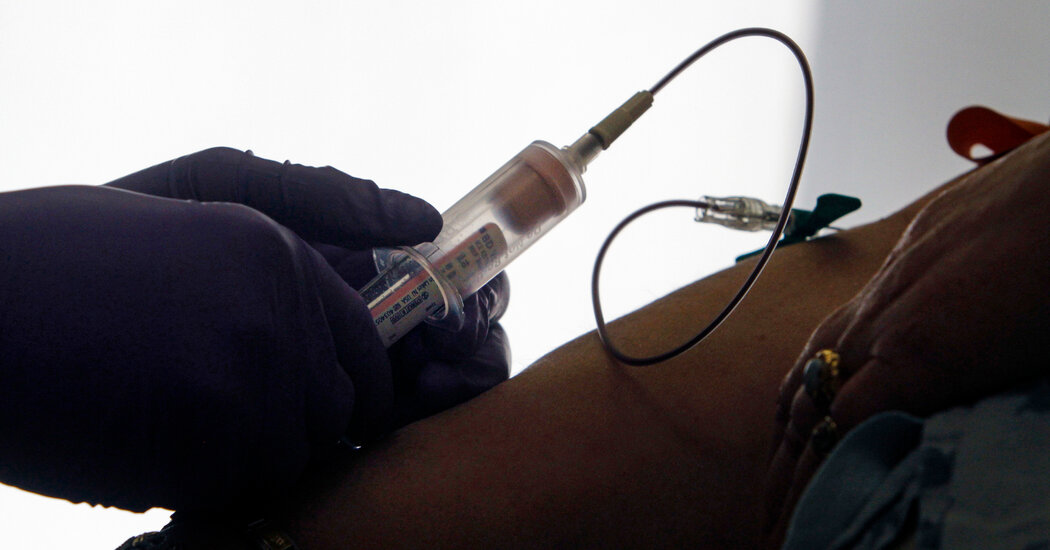
A study found that women could switch drugs without waiting for scans showing cancer progression, which improved their quality of life.Breast cancer patients whose tumors have spread to other parts of their bodies live from scan to scan. Is their treatment working? Or will they learn their cancer is growing again?But a new study sponsored by the drug company AstraZeneca showed that there is an alternative: Instead of waiting for a scan to show that a cancer is growing, it’s possible to find early signs that the cancer is resisting the drugs that were controlling it.To do that, researchers used a blood test to find mutations in cancer cells that let the tumors defy standard treatments. Early detection allowed patients to be switched to a different drug that overcomes the mutated cancer. The result was to keep the cancers in check longer, and allow patients to have more than an extra year without deteriorating quality of life.The study was reported Sunday at the annual meeting of the American Society of Clinical Oncology and published in The New England Journal of Medicine.Breast cancer specialists who were not associated with the study applauded the results, saying blood tests could transform the way they monitor patients.“This is a paradigm change,” said Dr. Mary Disis, professor of medicine and oncology at the University of Washington and the Fred Hutchinson Cancer Center.We are having trouble retrieving the article content.Please enable JavaScript in your browser settings.Thank you for your patience while we verify access. If you are in Reader mode please exit and log into your Times account, or subscribe for all of The Times.Thank you for your patience while we verify access.Already a subscriber? Log in.Want all of The Times? Subscribe.

Read more →

F.D.A. Warns of High Risk of Illness or Death in Update of Tomato Recall

The recall of tomatoes distributed in three southern states was upgraded to the most severe warning the agency issues.The Food and Drug Administration has updated an ongoing recall of tomatoes distributed in three states to its most severe warning, saying there is a higher probability that potential salmonella contamination could lead to “serious adverse health consequences or death.”It is unlikely that consumers will encounter any fresh tomatoes from the recalled batch, but the bacteria can survive for weeks in dry environments and months in wet ones, such as the freezer, according to the F.D.A.The tomatoes, which were sold in packages as small as a three-pack and as large as 25 pounds, were distributed between April 23 and 28 to Georgia, North Carolina and South Carolina under the name H&C Farms Label.They were first voluntarily recalled at the beginning of May for possible salmonella contamination. No illnesses were reported at the time, according to the F.D.A.The recall was updated on Wednesday to Class I, which the F.D.A. describes as “a situation in which there is a reasonable probability that the use of, or exposure to, a violative product will cause serious adverse health consequences or death.”The potential source of contamination was not immediately known. Williams Farms Repack, the South Carolina-based firm that distributed the tomatoes, did not immediately respond to a request for comment on Saturday. H&C Farms declined to comment on Saturday.Exposure to salmonella, a bacteria, can be deadly, especially in adults over 65, children under 5 and people with compromised immune systems, who have the highest risk of severe illness.But healthy people should also avoid eating the tomatoes.Exposure to salmonella, usually from contaminated foods, sickens more than one million people in the United States each year and it is responsible for more than 400 deaths annually.The infection caused by salmonella can trigger symptoms including fever, diarrhea and abdominal pain that may last for days.

Read more →

Do Patients Without a Terminal Illness Have the Right to Die?

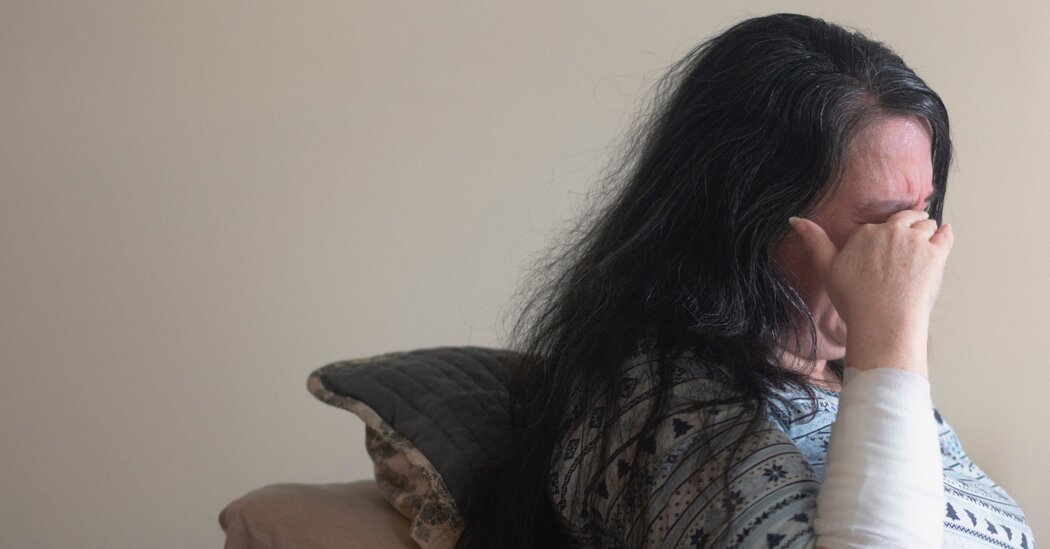
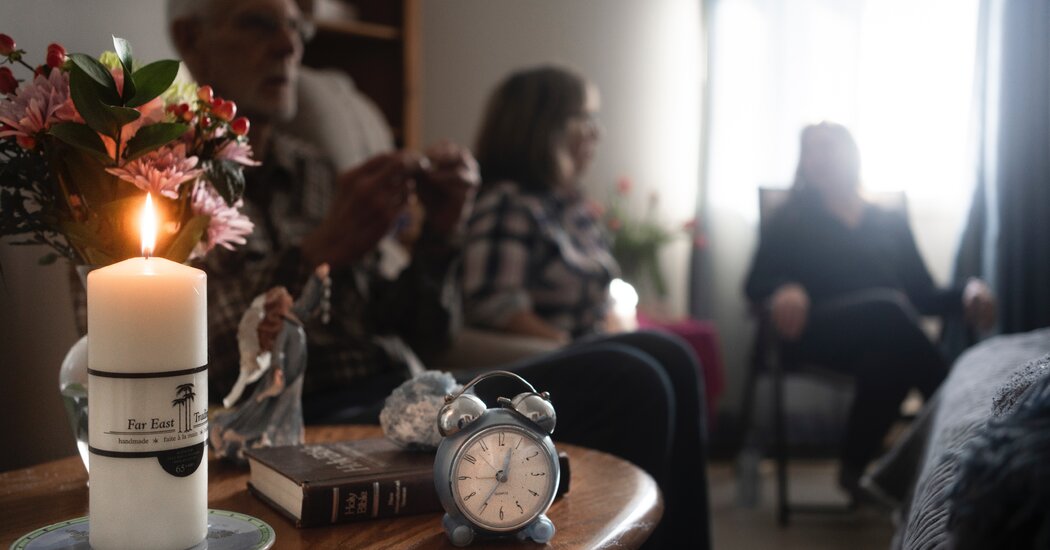
One of the doctors wanted to know why, despite everything, Paula Ritchie was still alive. “I’m just curious,” she said. “What has kept you from attempting suicide since August of 2023?”“I’m not very good at it,” Paula said. “Obviously.” Then she started to cry. She said that everything was getting worse. She said she didn’t want to suffer anymore. “This is a more dignified way to go than suicide.”Listen to this article, read by Gabra ZackmanPaula was lying in the big bed that she had pulled into the center of the living room, facing an old TV and a window that looked out on a row of garbage bins. The room’s brown linoleum floors were stained, and its walls were mostly unadorned. On a bookshelf, there was a small figurine of an angel, her arm raised in offering. At 52, Paula had a pale, unblemished face and a tangle of dark hair that fell around her waist. The day before the appointment, in January this year, she washed her hair for the first time in weeks, but then she was not able to lift herself out of the bathtub. When, after hours, she managed to get out, her pain and dizziness was so bad that she had to crawl across the floor.Dr. Matt Wonnacott sat in a folding chair at the foot of the bed. He was there as Paula’s “primary assessor”: one of two independent physicians, along with Dr. Elspeth MacEwan, a psychiatrist, who drove through the snow to Smiths Falls, Ontario, to evaluate Paula’s eligibility for Canada’s Medical Assistance in Dying (MAID) program — what critics call physician-assisted suicide.“You’re a difficult case,” Wonnacott admitted. Another clinician had already assessed Paula and determined that she was ineligible — but there was no limit to how many assessments a patient could undergo, and Paula had called the region’s MAID coordination service every day, sometimes every hour, demanding to be assessed again, until the nurse on the other line had practically begged Wonnacott and his colleagues to take Paula off her roster.We are having trouble retrieving the article content.Please enable JavaScript in your browser settings.Thank you for your patience while we verify access. If you are in Reader mode please exit and log into your Times account, or subscribe for all of The Times.Thank you for your patience while we verify access.Already a subscriber? Log in.Want all of The Times? Subscribe.

Read more →

Five Things to Know About MAID in Canada

Canada’s MAID law, which expanded the right to die to people without a terminal illness, raises ethical and medical dilemmas.In 2023, one out of 20 Canadians who died received a physician-assisted death, making Canada the No. 1 provider of medical assistance in dying (MAID) in the world, when measured in total figures. In one province, Quebec, there were more MAID deaths per capita than anywhere else. Canadians, by and large, have been supportive of this trend. A 2022 poll showed that a stunning 86 percent of Canadians supported MAID’s legalization.But in some corners, MAID has been the subject of a growing unease. While MAID in Canada was initially restricted to patients with terminal conditions — people whose natural deaths were “reasonably foreseeable” — the law was controversially amended in 2021 to include people who were suffering but who weren’t actually dying: patients who might have many years or even decades of life ahead of them. This new category includes people with chronic pain and physical disabilities.For The New York Times Magazine, I interviewed dozens of clinicians, ethicists, lawyers, advocates and patients about how MAID in Canada works. Here is what I learned:The criteria for MAID in Canada is among the broadest in the worldWhen Canada’s first MAID law, Bill C-14, passed in 2016, it had strict eligibility criteria: Patients needed to be over 18, eligible for Canadian health care and mentally competent to consent to death. They needed to have a “serious and incurable illness, disease or disability”; be in an “advanced state of irreversible decline in capability”; and have “enduring physical or psychological suffering” that was “intolerable.” Their natural deaths also had to be “reasonably foreseeable.” In other words, they had to be dying. Early MAID patients were often people in their 70s or 80s with terminal cancer.In 2021, the Canadian government passed Bill C-7, which removed the criteria that a patient’s death be “reasonably foreseeable.” Now Canadians who are chronically sick or disabled — with conditions ranging from quadriplegia to multiple sclerosis to blindness to early-stage Parkinson’s to chronic back pain — can receive assisted deaths from doctors or nurse practitioners. Within Canada, this newer kind of MAID is known as Track 2.Track 2 is controversial, even among MAID supportersSome clinicians who are involved with MAID objected to the legal expansion. They argue that it isn’t really “assistance in dying” if the patient isn’t dying.We are having trouble retrieving the article content.Please enable JavaScript in your browser settings.Thank you for your patience while we verify access. If you are in Reader mode please exit and log into your Times account, or subscribe for all of The Times.Thank you for your patience while we verify access.Already a subscriber? Log in.Want all of The Times? Subscribe.

Read more →