Why your diet might be making you sad—Especially if you’re a man

Following a low calorie diet is linked to a heightened risk of depressive symptoms, finds research published in the open access journal, BMJ Nutrition Prevention & Health.
Men and those who are overweight may be especially vulnerable to the effects of restrictive eating, the findings suggest.
A ‘healthy’ diet rich in minimally processed foods, fresh fruits and vegetables, whole grains, nuts, seeds, lean proteins and fish, is generally associated with a lower risk of depression, while an ‘unhealthy’ diet, dominated by ultra-processed foods, refined carbs, saturated fats, processed meats and sweets, is generally associated with a heightened risk, explain the researchers.
But people follow many different types of diet for health or medical reasons, including those that restrict calories or particular nutrients, and it’s not clear if these other dietary patterns might be associated with a risk of depressive symptoms, they add.
To explore this further, they drew on 28,525 adult respondents (14,329 women and 14,196 men) to the nationally representative US National Health and Nutrition Examination Survey (NHANES) for the years 2007-18, who had completed the Patient Health Questionnaire-9 (PHQ-9) for depressive symptom severity.
In all, 2508 people (just under 8%) reported depressive symptoms, and 7995 participants (29%) had a healthy weight; 9470 (33%) were overweight; and 11060 (38%) were obese.
Participants were asked if they were following any particular diet either to lose weight or for other health reasons, and if so, which of the 9 diet options set out in all 6 cycles of NHANES they were on.

Dietary patterns were categorised into 4 groups: (1) calorie-restrictive; (2) nutrient-restrictive (low in fat/cholesterol, sugar, salt, fibre, or carbs); (3) established dietary patterns (adapted for diabetes, for example); and (4) not on a diet.
Most participants (25,009, 87%) said they weren’t on any specific diet, while 2026 (8%) followed a calorie-restrictive diet, 859 (3%) a nutrient-restrictive diet, and 631 (2%) an established dietary pattern.
When stratified by sex, a greater proportion of men (12,772; 90%) than women (12,237; 85%) said they weren’t on a diet. Calorie restriction was most commonly reported by obese participants (1247;12%) and those who were overweight (594; 8%), while nutrient-restrictive and established dietary patterns were less commonly reported, with the highest proportion of established dietary pattern users among obese participants (359; 3%).
PHQ-9 scores were 0.29 points higher in those on calorie-restrictive diets than in those not on any specific diet.
The scores were higher among those who were overweight and following a calorie-restrictive diet: their PHQ-9 scores were 0.46 points higher, while a nutrient-restrictive diet was associated with a 0.61 point increase in PHQ-9 scores.
Calorie-restrictive diets were also associated with higher cognitive-affective symptom scores (measure of relationship between thoughts and feelings) while nutrient-restrictive diets were associated with higher somatic symptom scores (excessive distress and anxiety about physical symptoms).

These scores also varied by sex: a nutrient-restrictive diet was associated with higher cognitive-affective symptom scores in men than in women not on a diet, while all 3 types of diet were associated with higher somatic symptom scores in men.
And people living with obesity following an established dietary pattern had higher cognitive-affective and somatic symptom scores than those of a healthy weight not on a diet.
This is an observational study, and as such no firm conclusions can be drawn about causality. Respondents may not have accurately classified their diets either, say the researchers.
The findings also contradict those of previously published studies suggesting that low calorie diets improve depressive symptoms. But the researchers explain: “This discrepancy may arise because prior studies were primarily randomised controlled trials (RCTs) where participants adhered to carefully designed diets ensuring balanced nutrient intake.
“In contrast, real-life calorie-restricted diets and obesity often result in nutritional deficiencies (particularly in protein, essential vitamins/minerals) and induce physiological stress, which can exacerbate depressive symptomatology including cognitive-affective symptoms.” Another possible explanation might be a failure to lose weight or weight cycling — losing weight and then putting it back on, they suggest.
By way of an explanation for the observed gender discrepancies, the researchers point out that glucose and the fatty acid omega-3 are critical for brain health. “Diets low in carbohydrates (glucose) or fats (omega-3s) may theoretically worsen brain function and exacerbate cognitive-affective symptoms, especially in men with greater nutritional needs,” they suggest.
Professor Sumantra Ray, Chief Scientist and Executive Director of the NNEdPro Global Institute for Food, Nutrition and Health, which co-owns BMJ Nutrition Prevention & Health with BMJ Group, comments: “This study adds to the emerging evidence linking dietary patterns and mental health, raising important questions about whether restrictive diets which are low in nutrients considered beneficial for cognitive health, such as omega-3 fatty acids and vitamin B12, may precipitate depressive symptoms.
“But the effect sizes are small, with further statistical limitations limiting the generalisability of the findings. Further well designed studies that accurately capture dietary intake and minimise the impact of chance and confounding are needed to continue this important line of inquiry.”


Read more →

Largest-ever map of the universe reveals 10x more early galaxies than expected

In the name of open science, the multinational scientific collaboration COSMOS on Thursday released the data behind the largest map of the universe. Called the COSMOS-Web field, the project, built with data collected by the James Webb Space Telescope (JWST), consists of all the imaging and a catalog of nearly 800,000 galaxies spanning nearly all of cosmic time. And it’s been challenging existing notions of the infant universe.
“Our goal was to construct this deep field of space on a physical scale that far exceeded anything that had been done before,” said UC Santa Barbara physics professor Caitlin Casey, who co-leads the COSMOS-Web collaboration alongside Jeyhan Kartaltepe of the Rochester Institute of Technology. “If you had a printout of the Hubble Ultra Deep Field on a standard piece of paper,” she said, referring to the iconic view of nearly 10,000 galaxies released by NASA in 2004, “our image would be slightly larger than a 13-foot by 13-foot-wide mural, at the same depth. So it’s really strikingly large.”
The COSMOS-Web composite image reaches back about 13.5 billion years; according to NASA, the universe is about 13.8 billion years old, give or take one hundred million years. That covers about 98% of all cosmic time. The objective for the researchers was not just to see some of the most interesting galaxies at the beginning of time but also to see the wider view of cosmic environments that existed during the early universe, during the formation of the first stars, galaxies and black holes.
“The cosmos is organized in dense regions and voids,” Casey explained. “And we wanted to go beyond finding the most distant galaxies; we wanted to get that broader context of where they lived.”
A ‘big surprise’
And what a cosmic neighborhood it turned out to be. Before JWST turned on, Casey said, she and fellow astronomers made their best predictions about how many more galaxies the space telescope would be able to see, given its 6.5 meter (21 foot) diameter light-collecting primary mirror, about six times larger than Hubble’s 2.4 meter (7 foot, 10 in) diameter mirror. The best measurements from Hubble suggested that galaxies within the first 500 million years would be incredibly rare, she said.
“It makes sense — the Big Bang happens and things take time to gravitationally collapse and form, and for stars to turn on. There’s a timescale associated with that,” Casey explained. “And the big surprise is that with JWST, we see roughly 10 times more galaxies than expected at these incredible distances. We’re also seeing supermassive black holes that are not even visible with Hubble.” And they’re not just seeing more, they’re seeing different types of galaxies and black holes, she added.

‘Lots of unanswered questions’
While the COSMOS-Web images and catalog answer many questions astronomers have had about the early universe, they also spark more questions.
“Since the telescope turned on we’ve been wondering ‘Are these JWST datasets breaking the cosmological model? Because the universe was producing too much light too early; it had only about 400 million years to form something like a billion solar masses of stars. We just do not know how to make that happen,” Casey said. “So, lots of details to unpack, and lots of unanswered questions.”
In releasing the data to the public, the hope is that other astronomers from all over the world will use it to, among other things, further refine our understanding of how the early universe was populated and how everything evolved to the present day. The dataset may also provide clues to other outstanding mysteries of the cosmos, such as dark matter and physics of the early universe that may be different from what we know today.
“A big part of this project is the democratization of science and making tools and data from the best telescopes accessible to the broader community,” Casey said. The data was made public almost immediately after it was gathered, but only in its raw form, useful only to those with the specialized technical knowledge and the supercomputer access to process and interpret it. The COSMOS collaboration has worked tirelessly for the past two years to convert raw data into broadly usable images and catalogs. In creating these products and releasing them, the researchers hope that even undergraduate astronomers could dig into the material and learn something new.
“Because the best science is really done when everyone thinks about the same data set differently,” Casey said. “It’s not just for one group of people to figure out the mysteries.”
For the COSMOS collaboration, the exploration continues. They’ve headed back to the deep field to further map and study it.
“We have more data collection coming up,” she said. “We think we have identified the earliest galaxies in the image, but we need to verify that.” To do so, they’ll be using spectroscopy, which breaks up light from galaxies into a prism, to confirm the distance of these sources (more distant = older). “As a byproduct,” Casey added, “we’ll get to understand the interstellar chemistry in these systems through tracing nitrogen, carbon and oxygen. There’s a lot left to learn and we’re just beginning to scratch the surface.”
The COSMOS-Web image is available to browse interactively; the accompanying scientific papers have been submitted to the Astrophysical Journal and Astronomy & Astrophysics.

Read more →

We always joked dad looked nothing like his parents – then we found out why

2 days agoShareSaveShareSaveFamily photoMatthew’s dad had brown eyes and black hair. His grandparents had piercing blue eyes.There was a running joke in his family that “dad looked nothing like his parents”, the teacher from southern England says.It turned out there was a very good reason for this.Matthew’s father had been swapped at birth in hospital nearly 80 years ago. He died late last year before learning the truth of his family history.Matthew – not his real name – contacted the BBC after we reported on the case of Susan, who received compensation from an NHS trust after a home DNA test revealed she had been accidentally switched for another baby in the 1950s.BBC News is now aware of five cases of babies swapped by mistake in maternity wards from the late 1940s to the 1960s.Lawyers say they expect more people to come forward driven by the increase in cheap genetic testing.’The old joke might be true after all’During the pandemic, Matthew started looking for answers to niggling questions about his family history. He sent off a saliva sample in the post to be analysed.The genealogy company entered his record into its vast online database, allowing him to view other users whose DNA closely matched his own.”Half of the names I’d just never heard of,” he says. “I thought, ‘That’s weird’, and called my wife to tell her the old family joke might be true after all.”Matthew then asked his dad to submit his own DNA sample, which confirmed he was even more closely related to the same group of mysterious family members.Matthew started exchanging messages with two women who the site suggested were his father’s cousins. All were confused about how they could possibly be related.Working together, they eventually tracked down birth records from 1946, months after the end of World War Two.The documents showed that one day after his father was apparently born, another baby boy had been registered at the same hospital in east London.That boy had the same relatively unusual surname that appeared on the mystery branch of the family tree, a link later confirmed by birth certificates obtained by Matthew.It was a lightbulb moment.”I realised straight away what must have happened,” he says. “The only explanation that made sense was that both babies got muddled up in hospital.”Matthew and the two women managed to construct a brand new family tree based on all of his DNA matches.”I love a puzzle and I love understanding the past,” he says. “I’m quite obsessive anyway, so I got into trying to reverse engineer what had happened.”Hulton Archive/Getty ImagesAn era before wristbandsBefore World War Two, most babies in the UK were born at home, or in nursing homes, attended by midwives and the family doctor.That started to change as the country prepared for the launch of the NHS in 1948, and very gradually, more babies were delivered in hospital, where newborns were typically removed for periods to be cared for in nurseries.”The baby would be taken away between feeds so that the mother could rest, and the baby could be watched by either a nursery nurse or midwife,” says Terri Coates, a retired lecturer in midwifery, and former clinical adviser on BBC series Call The Midwife.”It may sound paternalistic, but midwives believed they were looking after mums and babies incredibly well.”It was common for new mothers to be kept in hospital for between five and seven days, far longer than today.To identify newborns in the nursery, a card would be tied to the end of the cot with the baby’s name, mother’s name, the date and time of birth, and the baby’s weight.”Where cots rather than babies were labelled, accidents could easily happen”, says Ms Coates, who trained as a nurse herself in the 1970s and a midwife in 1981.”If there were two or more members of staff in the nursery feeding babies, for example, a baby could easily be put down in the wrong cot.”By 1956, hospital births were becoming more common, and midwifery textbooks were recommending that a “wrist name-tape” or “string of lettered china beads” should be attached directly to the newborn.A decade later, by the mid-1960s, it was rare for babies to be removed from the delivery room without being individually labelled.Textbook for Midwives, 1956Stories of babies being accidentally switched in hospital were very rare at the time, though more are now coming to light thanks to the boom in genetic testing and ancestry websites.The day after Jan Daly was born at a hospital in north London in 1951, her mother immediately complained that the baby she had been given was not hers.”She was really stressed and crying, but the nurses assured her she was wrong and the doctor was called in to try to calm her,” Jan says.The staff only backed down when her mum told them she’d had a fast, unassisted delivery, and pointed out the clear forceps marks on the baby’s head”I feel for the other mother who had been happily feeding me for two days and then had to give up one baby for another,” she says.”There was never any apology, it was just ‘one of those silly errors’, but the trauma affected my mother for a long time.”Hulton Archive/Getty ImagesNever finding outMatthew’s father, an insurance agent from the Home Counties, was a keen amateur cyclist who spent his life following the local racing scene.He lived alone in retirement and over the last decade his health had been deteriorating. Matthew thought long and hard about telling him the truth about his family history but, in the end, decided against it. “I just felt my dad doesn’t need this,” he says. “He had lived 78 years in a type of ignorance, so it didn’t feel right to share it with him.”Matthew’s father died last year without ever knowing he’d been celebrating his birthday a day early for the past eight decades.Since then, Matthew has driven to the West Country to meet his dad’s genetic first cousin and her daughter for coffee.They all got on well, he says, sharing old photos and “filling in missing bits of family history”.But Matthew has decided not to contact the man his father must have been swapped with as a baby, or his children – in part because they have not taken DNA tests themselves.”If you do a test by sending your saliva off, then there’s an implicit understanding that you might find something that’s a bit of a surprise,” Matthew says.”Whereas with people who haven’t, I’m still not sure if it’s the right thing to reach out to them – I just don’t think it’s right to drop that bombshell.”

Read more →

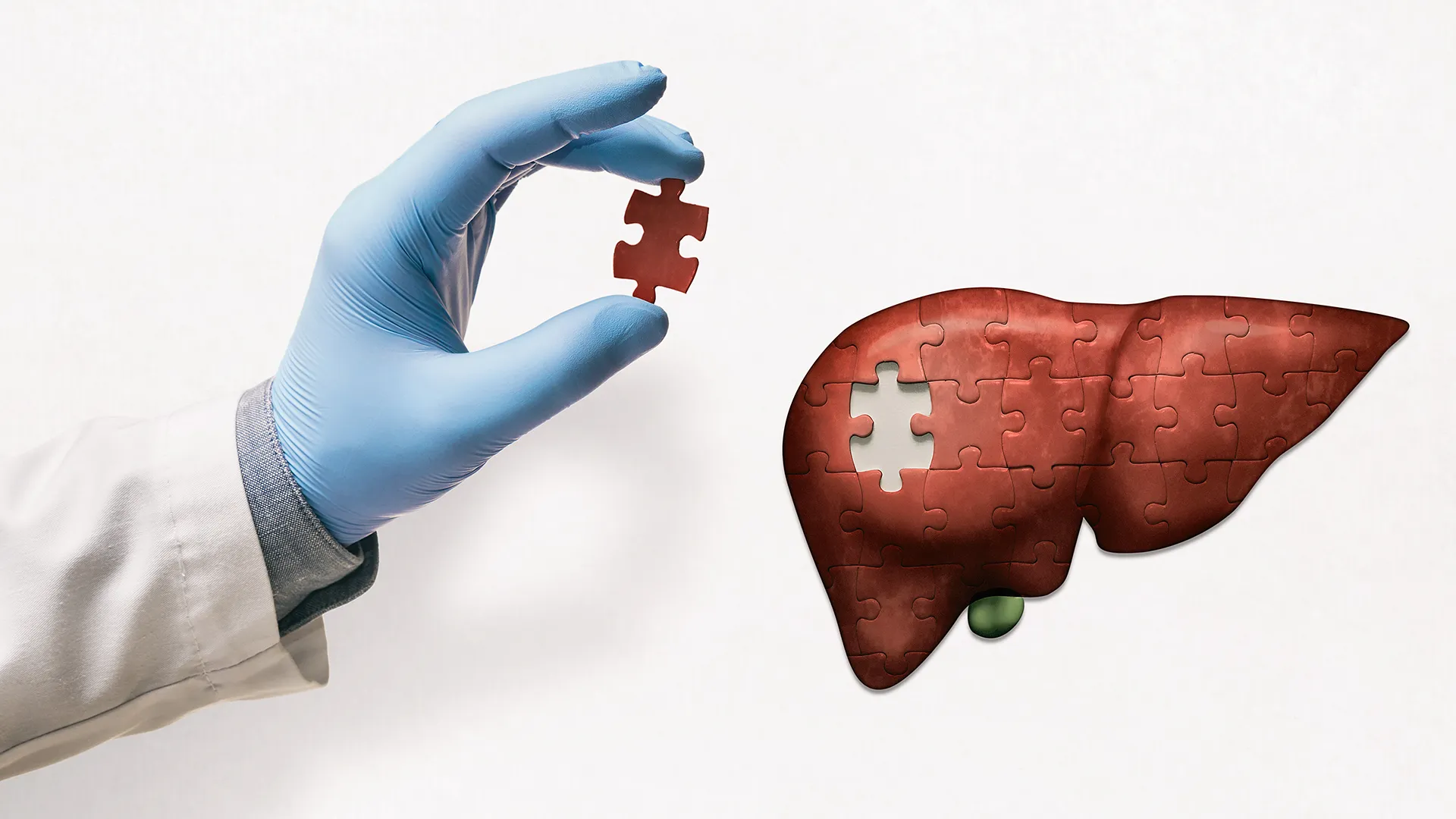
Clinical trial finds diabetes pill reduces liver scarring

The sodium glucose cotransporter 2 (SGLT-2) inhibitor drug dapagliflozin, widely used to treat type 2 diabetes, also shows improvements for patients with progressive liver disease, finds a clinical trial from China published on June 4 by The BMJ.
The results show that treatment with dapagliflozin improved metabolic dysfunction-associated steatohepatitis (MASH) — a condition where excess fat accumulates in the liver, leading to inflammation — and liver fibrosis (a build up of scar tissue) compared with placebo.
MASH affects more than 5% of adults, more than 30% of individuals with diabetes or obesity, and can progress to cirrhosis in up to 25% of individuals.
Several studies have reported that SGLT-2 inhibitors can improve liver fat content, liver enzymes, and liver stiffness, but no trial has been carried out among patients with MASH.
To address this, researchers enrolled 154 adults (average age 35; 85% men) diagnosed with MASH after a liver biopsy at six medical centers in China from November 2018 to March 2023.
Almost half (45%) had type 2 diabetes, and almost all had liver fibrosis (33% stage 1, 45% stage 2, 19% stage 3).
After an initial screening biopsy, participants were randomly assigned to receive 10 mg of dapagliflozin or matching placebo once daily for 48 weeks and attended health education sessions twice a year.

Various factors including body weight, blood pressure, blood glucose, liver enzymes, physical activity, diet, insulin, and lipids were also assessed at enrollment and throughout the trial.
MASH improvement was defined as a decrease of at least 2 points in non-alcoholic fatty liver disease activity score (NAS) or a NAS of 3 points or less.
After an end of study biopsy at week 48, 53% (41 of 78) participants in the dapagliflozin group showed improvement in MASH without worsening of fibrosis (defined as no increase in fibrosis stage) compared with 30% (23 of 76) in the placebo group.
Resolution of MASH without worsening of fibrosis occurred in 23% (18 of 78) participants in the dapagliflozin group compared with 8% (6 of 76) in the placebo group.
Fibrosis improvement without worsening of MASH was also reported in 45% (35 of 78) participants in the dapagliflozin group compared with 20% (15 of 76) in the placebo group.
The percentage of participants who discontinued treatment because of adverse events was 1% (1 of 78) in the dapagliflozin group and 3% (2 of 76) in the placebo group.

The researchers acknowledge that the trial was conducted in a Chinese population, which limits its broader generalizability, and that female and older patients were under-represented. But they point out that results were consistent after further analyses, suggesting they are robust.
As such, they conclude: “Our findings indicate that dapagliflozin may affect key aspects of MASH by improving both steatohepatitis and fibrosis.” Large scale and long term trials are needed to further confirm these effects, they add.
The coming years are expected to be particularly exciting in the field of pharmacological treatment for MASH, say researchers from Argentina in a linked editorial.
As more drugs become available, therapeutic decisions will likely become increasingly tailored to individual patient profiles, they write. “Ideally, such treatments should provide cardiovascular benefit, have an established safety profile, and be accessible to broad and diverse patient populations,” they conclude.

Read more →

Jillian Sackler, Philanthropist Who Defended Husband’s Legacy, Dies at 84

Though the Sackler name was tarnished over Purdue Pharma’s role in the opioid crisis, Arthur Sackler’s should not be, she insisted; a company founder, he died well before the trouble began.Jillian Sackler, an arts philanthropist who struggled to preserve the reputation of her husband, Arthur, by distinguishing him from his two younger Sackler brothers and their descendants, whose aggressive marketing and false advertising on behalf of their pharmaceutical company, Purdue Pharma, triggered the opioid epidemic, died on May 20 in Manhattan. She was 84.Her death, in a hospital, was from esophageal cancer, said Miguel Benavides, her health proxy.Dr. Arthur Sackler, a psychiatrist and researcher who became a pioneer in medical marketing, bought Purdue Frederick, originally based in New York City, in the 1950s and gave each of his brothers a one-third share. They incorporated the company as Purdue Pharma in 1991. (Its headquarters are now in Stamford, Conn.)Dr. Sackler died in 1987 — nine years before the opioid OxyContin was marketed by the company as a powerful painkiller. Shortly after his death, his estate sold his share of the company to his billionaire brothers, Raymond and Mortimer, for $22.4 million.The company’s misleading advertising claim that OxyContin was nonaddictive prompted doctors to overprescribe it beginning in the 1990s. The proliferation of the medication ruined countless lives of people who became dependent on it.Ms. Sackler in 2012. She spent decades defending her husband, who died nine years before the opioid crisis.Fairchild Archive/Penske Media, via Getty ImagesIn 2021, the company proposed a bankruptcy settlement in which members of the Sackler family agreed to pay $4.2 billion over nine years to resolve civil claims related to the opioid crisis. In return, they sought immunity from future lawsuits.We are having trouble retrieving the article content.Please enable JavaScript in your browser settings.Thank you for your patience while we verify access. If you are in Reader mode please exit and log into your Times account, or subscribe for all of The Times.Thank you for your patience while we verify access.Already a subscriber? Log in.Want all of The Times? Subscribe.

Read more →

Palantir’s Collection of Disease Data at C.D.C. Stirs Privacy Concerns

U.S. and state officials say the consolidation of the public health agency’s vast trove of information could expose patients and will delay analysis of long-term trends.The Centers for Disease Control and Prevention’s plans to consolidate data on diseases like measles and polio are raising concerns about patient privacy, delays in spotting long-term trends and ways the Trump administration may use the information.The agency told state officials earlier this week that it would shift disease information to a new system managed by Palantir, the data analysis and technology firm co-founded by Peter Thiel.The change is not entirely unexpected. The Covid pandemic revealed that the C.D.C.’s data systems were antiquated, hobbling the country’s response in the crucial early months. A plan to modernize and consolidate the agency’s data systems began during the Biden administration.But news that the Trump administration has expanded Palantir’s work across the federal government in recent months, allowing it to compile detailed information about Americans, has introduced a new layer of anxiety and mistrust among state and local officials about sharing data with the C.D.C.Palantir’s systems, including those at the C.D.C., rely on a platform called Foundry that could merge information from different agencies. The Department of Health and Human Services, the Food and Drug Administration and the National Institutes of Health all use Foundry.Some officials worry that a sprawling data collection system could expose or endanger people with sensitive health needs, like gender care, reproductive health care or disabilities. Some labor and other advocacy groups have tried to block the Trump administration from sharing data across agencies.We are having trouble retrieving the article content.Please enable JavaScript in your browser settings.Thank you for your patience while we verify access. If you are in Reader mode please exit and log into your Times account, or subscribe for all of The Times.Thank you for your patience while we verify access.Already a subscriber? Log in.Want all of The Times? Subscribe.

Read more →

Measles holiday warning as cases rise in Europe

9 minutes agoShareSaveDominic HughesHealth CorrespondentShareSaveGetty ImagesFamilies travelling abroad this summer on holiday or to visit relatives are being warned about the rise in measles cases in Europe and other regions.Measles infections in Europe are at a 25-year high, while cases are also surging in countries such as Pakistan and Nigeria.Childhood vaccination rates in the UK that offer protection against measles, mumps and rubella (MMR) are still a long way below the recommended 95% uptake, with the lowest regional rates found in London at just over 73% vaccinated.The UK Health Security Agency is warning holidaymakers to make sure they are up to date with their vaccinations and stress that it is never too late to get vaccinated.The UKHSA’s latest data on measles infections shows that an outbreak is continuing in England.Some 109 cases were confirmed in April and 86 so far in May. These cases have mostly been in unvaccinated children aged 10 years and under. London has reported almost half of all cases in the past four weeks.Dr Vanessa Saliba, consultant epidemiologist at the UK Health Security Agency, says the rise in cases in England reflects what is happening abroad – and that’s a concern as the summer holiday season gets going. “It’s essential that everyone, particularly parents of young children, check all family members are up to date with two MMR doses, especially if you are travelling this summer for holidays or visiting family,” Dr Saliba said.”Measles cases are picking up again in England and outbreaks are happening in Europe and many countries with close links to the UK.”Measles spreads very easily and can be a nasty disease, leading to complications like ear and chest infections and inflammation of the brain with some children tragically ending up in hospital and suffering life-long consequences. “Nobody wants this for their child and it’s not something you want to experience when away on holiday.”European cases hit a 25-year highThe decline in vaccination rates in the UK – particularly since the Covid pandemic – has been mirrored in other countries, especially in Europe. The World Health Organization and UNICEF reported 127,350 measles cases in the European Region in 2024 – double the number of cases reported during the previous year and the highest number since 1997.This year has seen outbreaks in several other European countries popular with UK holidaymakers, including France, Italy, Spain and Germany.The WHO has also reported that Romania, Pakistan, India, Thailand, Indonesia and Nigeria currently have among the largest number of measles cases worldwide.Never too lateThere has been a big push to improve MMR vaccination rates across the UK, but Dr Amanda Doyle, national director for primary care and community services at NHS England, says there is still a lot of work to do.”Too many babies and young children are still not protected against the diseases, which are contagious infections that spread very easily and can cause serious health problems. “MMR jabs are provided free as part of the NHS routine immunisation programme – and I would encourage all parents to act on invites or check vaccination records if they think they may have missed their child’s vaccination.”Health experts say that anyone, whatever their age, who has not had two doses of the MMR vaccine can contact their GP surgery to book an appointment and that it is never too late to catch up.

Read more →

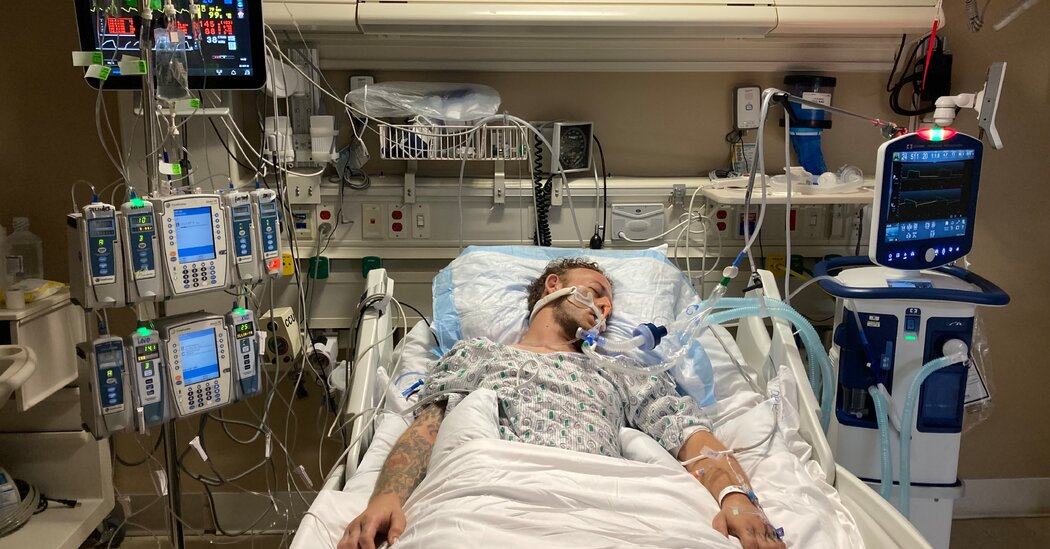
Doctors Were Preparing to Remove Their Organs. Then They Woke Up.

A federal investigation found a Kentucky nonprofit pushed hospital workers toward surgery despite signs of revival in patients.Four years ago, an unconscious Kentucky man began to awaken as he was about to be removed from life support so his organs could be donated. Even though the man cried, pulled his legs to his chest and shook his head, officials still tried to move forward.Now, a federal investigation has found that officials at the nonprofit in charge of coordinating organ donations in Kentucky ignored signs of growing alertness not only in that patient but also in dozens of other potential donors.The investigation examined about 350 cases in Kentucky over the past four years in which plans to remove organs were ultimately canceled. It found that in 73 instances, officials should have considered stopping sooner because the patients had high or improving levels of consciousness.Although the surgeries didn’t happen, the investigation said multiple patients showed signs of pain or distress while being readied for the procedure.Most of the patients eventually died, hours or days later. But some recovered enough to leave the hospital, according to an investigation by the federal Health Resources and Services Administration, whose findings were shared with The New York Times.The investigation centered on an increasingly common practice called “donation after circulatory death.” Unlike most organ donors, who are brain-dead, patients in these cases have some brain function but are on life support and not expected to recover. Often, they are in a coma.Share your story about the organ transplant systemWe will not publish any part of your submission without contacting you first. We may use your contact information to follow up with you.

We are having trouble retrieving the article content.Please enable JavaScript in your browser settings.Thank you for your patience while we verify access. If you are in Reader mode please exit and log into your Times account, or subscribe for all of The Times.Thank you for your patience while we verify access.Already a subscriber? Log in.Want all of The Times? Subscribe.

Read more →

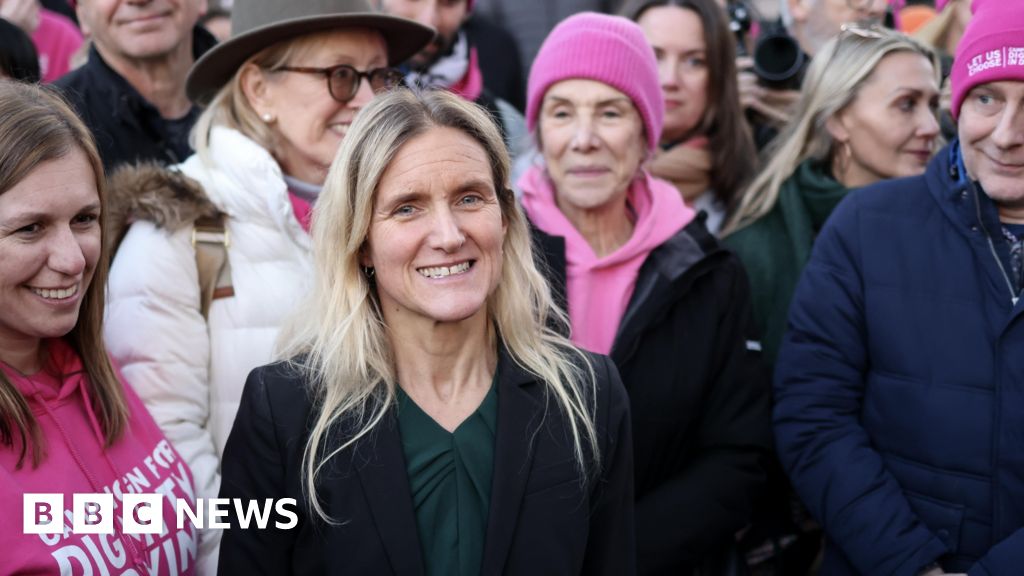
Growing number of MPs changing their mind on assisted dying

Opposition to a bill which would legalise assisted dying in England and Wales is growing among MPs, the BBC has found.The Assisted Dying Bill was supported by 330 MPs last year, passing its first major vote in the House of Commons with a majority of 55 MPs from a wide range of political parties.But at least a dozen MPs who backed it or abstained in November have now said they are likely to vote against it.The bill would allow terminally ill adults with less than six months to live to receive medical assistance to die Supporters remain confident it will eventually become law but it faces further parliamentary tests.The bill is a private members’ bill, sponsored by backbench Labour MP Kim Leadbeater.MPs have been given a free vote on it, meaning they can decide based on their conscience rather than having to follow a party line.They have spent the past few months examining it in detail, with more than 500 amendments tabled.Some of these changes will be voted on by MPs next Friday – and a final Commons vote will take place in the summer, before it heads to the House of Lords for further scrutiny.Markus Campbell-Savours, the Labour MP for Penrith and Solway, is one of those who has said he’s now likely to vote against the bill after previously supporting it.He said he still considers himself “a supporter of assisted dying” but believes the current bill crosses “red lines for protecting the vulnerable”.”I want to see safeguards that will ensure that assisted dying is not overextended to include those in situations where there are alternative ways to improve the quality of their lives,” said Campbell-Savours.”I would also be very concerned if legislation produced a situation where people who considered themselves a burden on their families and friends felt pressured to end their life.”Fellow Labour MP Josh Fenton-Glynn also plans to vote no, having previously abstained.”If you’d asked me at any point in my life what I thought of assisted dying, I’d have always said in favour,” he told the BBC.He has suggested a number of amendments to the bill, and claims he is “still open to supporting” the plans, but doubts it will change after Leadbeater blocked previous similar attempts.”We see quite a few of the amendments which are specifically aimed at stopping coercion being opposed by the supporters of the bill,” he said, adding: “I don’t think chances to make the bill safer have been taken.”The two MPs have added their names to a growing list of their colleagues who have suggested they will switch sides including: Tory former minister George Freeman, Tory MPs Mike Wood and Andrew Snowden, Lib Dem Brian Matthew, Labour’s Jonathan Hinder, Reform UK chief whip Lee Anderson and ex-Reform MP Rupert Lowe.Labour MP Debbie Abrahams and Tory MP Charlie Dewhirst, who abstained previously, will vote against.Labour’s Karl Turner, who voted in favour at second reading, is now abstaining.Tory MP David Davis has not announced how he plans to cast his next vote, but has publicly backed a number of amendments that would make sweeping changes to the bill. Some MPs have also changed their stance, by supporting the bill. Minister Chris Bryant is understood to be backing it, having abstained in November. Labour MP Jack Abbott, who voted against last November, is also now likely to vote in favour.Others who were hesitantly supportive are now more firmly in favour.Liz Saville Roberts, the leader of Plaid Cymru at Westminster, said she was initially concerned but supported the principle of assisted dying.”I think the safeguards have got stronger,” she said. “They have been improved through the bill committee and through the evidence that we heard.”One of the changes made as the bill was scrutinised was allowing Senedd members a vote on whether it will apply in Wales.Despite opposition, supporters expect the bill to clear the Commons and go on to the House of Lords.Campaigners backing the bill do not expect many MPs to reverse their views – but with such tight margins, efforts to shore up support are in full swing.One major threat, for supporters of the bill, is MPs deciding to return home to their constituencies instead of voting.Due to a quirk of the parliamentary system, private members’ bills are normally debated on Fridays – a day when MPs are normally in their constituencies.There is also growing concern that the government cannot afford to keep giving it parliamentary time.One Labour source opposed to the bill told the BBC: “Given the huge amount of difficult issues the government face, from winter fuel payments and Personal Independence Payment to defence and special educational needs and disabilities spending, a tight vote on assisted dying becomes a real problem.”Lots of MPs think No 10 would be unwise to expend political capital continuing with this very divisive issue rather than choosing to fix the stuff we got elected to sort.”

Read more →

Should you be eating food products with fewer ingredients?

2 hours agoShareSaveMaryLou CostaTechnology ReporterShareSaveKerry ClaytonFor gluten-free, citrus-free and tomato-free Kerry Clayton, shopping and cooking is a challenge.As well as her own food requirements, her 10-year-old son is dairy and wheat-free.The family shops at multiple stores each week to get the best free-from options, cooks adaptable meals like jacket potatoes and pasta, and makes cakes and cookies from scratch.She spends about an hour a week baking, on top of running two online jewellery businesses and parenting another child.When M&S launched its Only range in March, with products featuring six or fewer ingredients, Ms Clayton described it as “a dream”.That was despite higher prices – its one-ingredient corn flakes cost £2.50 for a 325g box, compared with 90p for 500g of the standard kind.”For standard shoppers, it seems a lot, but for us with allergies, it’s about normal,” says Kent-based Ms Clayton.”It’s hard to find enjoyable things we can all eat. If you’re used to the luxury of standard cereal, you might not enjoy alternatives, or understand the extra cost – but for those of us that need low ingredient food, it’s perfect.”Life might just be about to get a lot easier for Ms Clayton. More retailers and food brands are taking M&S’s lead to offer more items containing fewer ingredients, prompted by the concern around ultra-processed food (UPF) that has been growing since Dr Chris Van Tulleken released his book, “Ultra-Processed People”, in 2023.Less processed is growing in popularity.Matthew Hopkins, founder of IND!E, a platform which helps small food and drink brands get into big retailers, says he’s seen a 40% increase in retailer enquiries over the past year about products with fewer ingredients. He is taking bigger orders specifically from Ocado, Selfridges and John Lewis.”Retailers are responding to growing consumer demand for simpler, more recognisable ingredient lists,” says Harrogate-based Mr Hopkins.IND!EFeeling the need to offer a less-processed product, plant-based brand THIS, which makes meat-free sausages, burgers, chicken and bacon, has recently launched a new Super Superfoods range.It’s designed to be the protein component of a meal, and features natural ingredients, like beans, seeds and mushrooms.THIS is also responding to surveys indicating that shoppers are avoiding meat replacement products, due to their processed nature and the presence of artificial additives.Luke Byrne, innovation and sustainability director at THIS is concerned about “consumer confusion and hesitation”.”We understand we are classified as a UPF, however, that has little bearing on whether our products are healthy, because their nutritional properties are extremely good. Our products are high in protein, high in fibre, low in saturated fat and low in sugar,” says London-based Mr Byrne.”It has been frustrating in many ways as it has shifted the focus away from the most important thing about food, which is the nutrition aspect.”So has the public been misled that all ultra-processed food is bad, and all unprocessed food is good?Nutritionist Dr Laura Wyness thinks so, expressing disappointment that the M&S Only range puts “hype over health”.”It may be that consumers are looking for products with shorter ingredient lists, but to leave out fortified nutrients is a backwards step for public health nutrition. We should be encouraging more nutrient dense foods in the diet, and fortifying products such as plant milk and dairy alternatives and breakfast cereals,” says Edinburgh-based Dr Wyness.”This seems like one occasion that the customer is not always right – mainly due to the misinformation that is informing their food choices.”Dr Jibin He says UPF as a term is not a helpful indicator of whether something is healthy or unhealthy, as the concept, and how it is explained to the public, is flawed.Processed food, Dr He notes, will remain an essential part of feeding a large and growing human population, as processing ensures food safety, extends shelf life, and reduces waste.”Take tofu as an example. It is a great source of protein, low in fat and considered as a healthy alternative to meats, particularly red meat. It is also more environmentally friendly.However, tofu would be considered as a UPF whereas red meat would be an unprocessed food,” says Dr He, who is head of science and a chartered food scientist at Teesside University. He has also collaborated with food manufacturers and food technology companies to improve processing technologies.For food brands wanting to create less processed products, Dr He advises that it can be done by simplifying the formulas of existing products, and looking at new processing and packaging technologies that mean fewer ingredients can be used.”Many food products have extremely complex formulas, and a manufacturer may not fully understand the functions of each listed ingredient in their formula.”I would advise food manufacturers to closely examine their formulas and identify which ingredients are absolutely necessary and which they can do without,” Dr He recommends.”Novel food processing technologies can also help produce products with higher nutritional retention and longer shelf life without significantly altering the physical structure and chemical composition of the food.”Dr He is also expecting a rise in marketing to push the virtues of less processed food products, as well as to justify their higher price points.Premium porridge brand 3Bears, for example, recently launched its own range of low ingredient breakfast cereals, in partnership with footballer Harry Kane. Mr Kane appears in product promotion, and is also a company shareholder.3Bears’ oat cinnamon loops, containing seven ingredients, are priced at £3.99 for 250g.That’s compared with Only multigrain hoops from M&S, containing five ingredients, at £2.50 for 300 grams, while Waitrose Essential multigrain hoops are £1.25 for 375 grams, and contain 22 ingredients.”With our oat flakes it was really hard to get the texture and crunchiness right – as we only wanted to use three ingredients, and oats are very different to process than other grains. With the costs of creating products with fewer ingredients higher and the process harder, the price points are reflective of this,” explains 3Bears co-founder Caroline Nichols.3 BearsFor some foods, the debate over UPF, seems less of a problem. The UK confectionery market continues to grow steadily, and is worth about £14.8bn, despite it having a high proportion of UPF products.Ice cream ball brand Little Moons might list over 30 ingredients on some of its flavours, but it now exports from the UK to 35 countries, and supermarkets have copied it with own-brand versions.Ross Farquhar, the company’s marketing, innovation and sustainability director, is confident that treat food brands can ride out the UPF storm, so he isn’t in a hurry to slash Little Moon’s ingredient list.”The reality of a category like ice cream is that certain ingredients are needed to keep the product stable through the food supply chain, like emulsifiers and stabilisers. So unless we’re all going to start making ice cream at home regularly then off-the-shelf ice cream still has a role to play,” says London-based Mr Farquhar.”I’m sure the M&S ‘Only’ chocolate bars are delicious, but they’re speaking to a very specific audience, and I doubt the big confectionery brands are going to be willing to compromise the core product attributes consumers love.”

Read more →