As Gen X and Boomers Age, They Confront Living Alone
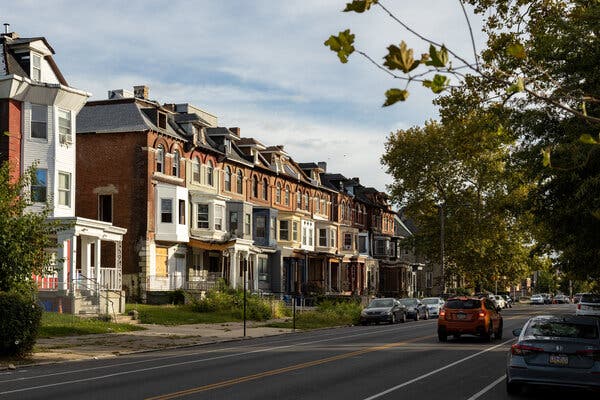
Jay Miles has lived his 52 years without marriage or children, which has suited his creative ambitions as a videographer in Connecticut and, he said, his mix of “independence and stubbornness.” But he worries about who will take care of him as he gets older.Donna Selman, a 55-year old college professor in Illinois, is mostly grateful to be single, she said, because her mother and aunts never had the financial and emotional autonomy that she enjoys.Mary Felder, 65, raised her children, now grown, in her rowhouse in Philadelphia. Her home has plenty of space for one person, but upkeep is expensive on the century-old house.Ms. Felder, Mr. Miles and Ms. Selman are members of one of the country’s fastest-growing demographic groups: people 50 and older who live alone.In 1960, just 13 percent of American households had a single occupant. But that figure has risen steadily, and today it is approaching 30 percent. For households headed by someone 50 or older, that figure is 36 percent.Nearly 26 million Americans 50 or older now live alone, up from 15 million in 2000. Older people have always been more likely than others to live by themselves, and now that age group — baby boomers and Gen Xers — makes up a bigger share of the population than at any time in the nation’s history.More Older Adults Are Living AloneNumber of adults living alone in the United States, by age group

Source: Current Population Survey, via IPUMSBy Christine ZhangThe trend has also been driven by deep changes in attitudes surrounding gender and marriage. People 50-plus today are more likely than earlier generations to be divorced, separated or never married.Women in this category have had opportunities for professional advancement, homeownership and financial independence that were all but out of reach for previous generations of older women. More than 60 percent of older adults living by themselves are female.“There is this huge, kind of explosive social and demographic change happening,” said Markus Schafer, a sociologist at Baylor University who studies older populations.Ms. Felder lives in Strawberry Mansion, a working-class neighborhood in Philadelphia.Sahar Coston-Hardy for The New York TimesIn interviews, many older adults said they feel positively about their lives.But while many people in their 50s and 60s thrive living solo, research is unequivocal that people aging alone experience worse physical and mental health outcomes and shorter life spans.And even with an active social and family life, people in this group are generally more lonely than those who live with others, according to Dr. Schafer’s research.In many ways, the nation’s housing stock has grown out of sync with these shifting demographics. Many solo adults live in homes with at least three bedrooms, census data shows, but find that downsizing is not easy because of a shortage of smaller homes in their towns and neighborhoods.Compounding the challenge of living solo, a growing share of older adults — about 1 in 6 Americans 55 and older — do not have children, raising questions about how elder care will be managed in the coming decades.“What will happen to this cohort?” Dr. Schafer asked. “Can they continue to find other supports that compensate for living alone?”A Growing Share of Older Adults Are UnmarriedSegment of U.S. adult population 50 and older, by marital status

Source: Current Population Survey, via IPUMSBy Christine ZhangPlanning for the FutureFor many solo adults, the pandemic highlighted the challenges of aging.Ms. Selman, the 55-year-old professor, lived in Terre Haute, Ind., when Covid-19 hit. Divorced for 17 years, she said she used the enforced isolation to establish new routines to stave off loneliness and depression. She quit drinking and began regularly calling a group of female friends.This year, she got a new job and moved to Normal, Ill., in part because she wanted to live in a state that better reflected her progressive politics. She has met new friends at a farmers’ market, she said, and is happier than she was before the pandemic, even though she occasionally wishes she had a romantic partner to take motorcycle rides with her or just to help carry laundry up and down the stairs of her three-bedroom home.She regularly drives 12 hours round trip to care for her parents near Detroit, an obligation that has persuaded her to put away her retirement fantasy of living near the beach, and move someday closer to her daughter and grandson, who live in Louisville, Ky.“I don’t want my daughter to stress out about me,” she said.Watching their own parents age seems to have had a profound effect on many members of Gen X, born between 1965 and 1980, who say they doubt that they can lean on the same supports that their parents did: long marriages, pensions, homes that sometimes skyrocketed in value.When his mother died two years ago, Mr. Miles, the videographer, took comfort in moving some of her furniture into his house in New Haven, Conn.“It was a coming home psychologically,” he said, allowing him to feel rooted after decades of cross-country moves and peripatetic career explorations, shifting from the music business to high school teaching to producing films for nonprofits and companies.“I still feel pretty indestructible, foolishly or not,” he said.Still, caring for his divorced mother made him think about his own future. She had a government pension, security he lacks. Nor does he have children.“I can’t call my kid,” he added, “the way I used to go to my mom’s house to change light bulbs.”His options for maintaining independence are “all terrible,” he said. “I’m totally freaked out by it.”Several Gen X solo dwellers said they had begun exploring options to live communally as they age, inspired, in part, by living arrangements they had enjoyed in college years and young adulthood.“I’ve been talking to friends about end-of-life issues and how we might want to get together,” said Patrick McComb, 56, of Riverview, Mich., a graphic artist. “Being alone till the end would not be the worst thing in the world. But I would prefer to be with people.”With Space to SpareKaty Mattingly, 52, an executive secretary, bought a house in Ypsilanti, Mich., three years ago. It is small but offers plenty of space, with three bedrooms.The question for her, and many other single homeowners, is whether they can cash in when they get older.Katy Mattingly at her home in Ypsilanti, Mich. Homeownership doesn’t necessarily lead to a big nest egg. Sarah Rice for The New York TimesMs. Mattingly said she did not think she would ever be able to pay down the mortgage and build wealth.“It’s implausible that I’ll ever be able to retire,” she said.Living solo in homes with three or more bedrooms sounds like a luxury but, experts said, it is a trend driven less by personal choice than by the nation’s limited housing supply. Because of zoning and construction limitations in many cities and towns, there is a nationwide shortage of homes below 1,400 square feet, which has driven up the cost of the smaller units that do exist, according to research from Freddie Mac.Forty years ago, units of less than 1,400 square feet made up about 40 percent of all new home construction; today, just 7 percent of new builds are smaller homes, despite the fact that the number of single-person households has surged.This has made it more difficult for older Americans to downsize, as a large, aging house can often command less than what a single adult needs to establish a new, smaller home and pay for their living and health care expenses in retirement.

Read more →
Happy Birthday, Omicron

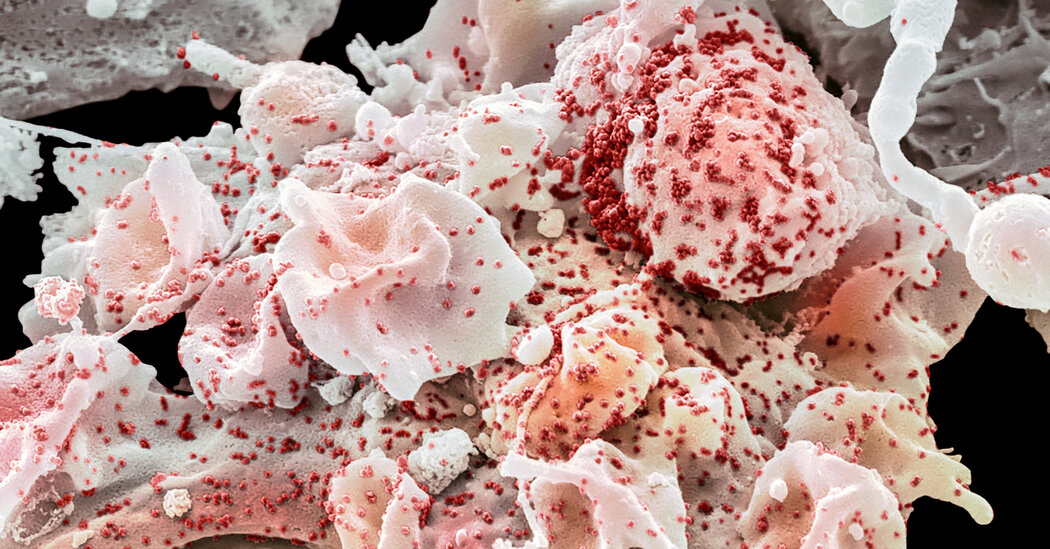
One year after the variant’s discovery, virologists are still scrambling to keep up with Omicron’s rapid evolution.On Nov. 26, 2021, the World Health Organization announced that a concerning new variant of the coronavirus, known as Omicron, had been discovered in southern Africa. It soon swept to dominance across the world, causing a record-breaking surge in cases.Now, a year later, Omicron still has biologists scrambling to keep up with its surprising evolutionary turns. The variant is rapidly gaining mutations. But rather than a single lineage, it has exploded into hundreds, each with resistance to our immune defenses and its own alphanumeric name, like XBB, BQ.1.1 and CH.1.“It’s hard to remember what is what,” Jesse Bloom, a virologist at the Fred Hutchinson Cancer Center in Seattle, said.But unless some radically different variant emerges, Dr. Bloom predicted, this confusing jumble of subvariants will endure, making it more challenging for scientists to plan new vaccines and treatments.“It’s always going to kind of be like it is now,” he said. “There’s always going to be some soup of new variants out there.”When Omicron emerged last November, it carried more than 50 mutations that set it apart from other variants of the coronavirus. Many researchers favor the idea that it arose in a single person, perhaps with a compromised immune system, who had a chronic case of Covid that lasted months.Last month, however, a team of scientists at the University of Minnesota suggested that an early form of the coronavirus had infected mice. In their scenario, it evolved into Omicron in the rodents and then infected humans again.However it arose, Omicron surged to dominance in the weeks after its discovery because of its mutations. Some of them allowed the virus to slip inside cells more successfully. Others let it evade some of the antibodies from vaccines or previous infections.Most antibodies stick to the “spike” proteins on the surface of coronaviruses, blocking them from entering our cells. But some of Omicron’s mutations changed parts of the spike protein so that some of the most potent antibodies could no longer stick to it.As Omicron multiplied, it continued to mutate. New versions emerged, but for the first few months they replaced one another like a series of waves crashing on a beach. The first version, BA.1, was replaced by BA.2, then BA.5, both of which evaded some antibodies produced from earlier Omicron infections.But in February, Theodora Hatziioannou, a virologist at Rockefeller University in New York, and her colleagues ran an experiment that suggested Omicron was primed for an evolutionary explosion.Dr. Hatziioannou’s team tested Omicron against 40 different antibodies that could still block the variant. They discovered that it was remarkably easy for a few extra mutations to make it resistant to almost all of those antibodies.Surprisingly, when the researchers added those same mutations to the spike protein from the original version of the coronavirus, there was no effect on its antibody resistance. Dr. Hatziioannou suspected that the large number of new mutations in Omicron changed its evolutionary landscape, making it much easier to evolve even more resistance.“We were actually worried when we saw this,” she said.In the months since, Omicron has lived up to those worries. Thanks to the huge number of Omicron infections, the virus has had more opportunity to mutate. And it has gained some of the concerning mutations that Dr. Hatziioannou and her colleagues identified in their experiments.The new mutations are building up quickly, most likely because they are providing the viruses with a big evolutionary edge. In the first year of the pandemic, most people who were infected had no antibodies for Covid. Now, most people do. So viruses that have extra resistance to antibodies easily outcompete others lacking it.“The evolution that’s happening is the fastest rate it has been up to this point,” Sergei Pond, a virologist at Temple University in Philadelphia, said.A single subvariant is not gaining all of the new mutations, however. Ben Murrell, a computational biologist at the Karolinska Institute in Stockholm, and his colleagues are tracking more than 180 Omicron subvariants that have independently gained mutations causing them to grow faster than BA.5.These subvariants are going through a process that Charles Darwin recognized some 160 years ago, called convergence. Darwin noted how birds and bats independently evolved wings that work very much the same way. Today, Omicron subvariants are independently escaping the same antibodies with mutations at the same spots on their spike proteins.The competition taking place in the subvariant swarm may be preventing one of them from taking over, at least for now. In the United States, the once-dominant BA.5 now accounts for just 19 percent of new cases. Its descendant BQ.1 has risen to 28 percent. And B.Q.1.1., a descendant of B.Q.1, is the cause of 29 percent. Thirteen other Omicron subvariants make up the rest.But elsewhere, other subvariants are rising to the top. Singapore, for example, has experienced a surge of XBB, a hybrid of two different subvariants of BA.2. But XBB is rare in most other parts of the world.“Most of that has just to do with which one seeded an area first,” Thomas Peacock, a virologist at Imperial College London, said.As each lineage gains more mutations, fewer types of antibodies work against them. Last month, Yunlong Cao, a biochemist at Peking University, and his colleagues reported that XBB and three other subvariants had become entirely resistant to the antibodies in blood samples from people who were vaccinated or had Covid infections.That development threatens what had been one of the most important defenses against Covid: monoclonal antibodies. To create these treatments, scientists collected blood of Covid patients early in the pandemic, isolated their most potent antibodies, and made vast numbers of copies of the molecules. One formulation, called Evusheld, can prevent people with compromised immune systems from getting infected. But as resistant subvariants become more common, these treatments will no longer work.“I can’t really be confident whether or not monoclonal antibodies will play a major role in treatment going forward,” Dr. Bloom, of the Fred Hutchinson Cancer Center, said. “It’s going to be really important to design another generation of antibody cocktails that hopefully stand up longer.”The latest booster shots produce spike proteins from both the original version of the virus and BA.5. Studies on people who have gotten this so-called bivalent booster show that their antibodies are better at neutralizing BQ.1.1 and other new subvariants than the antibodies produced by the original Covid vaccine. Even so, the subvariants can evade many of the bivalent antibodies.Fortunately, the new subvariants don’t seem to be more deadly than earlier forms of Omicron. Despite their growing ability to evade antibodies, Dr. Hatziioannou said that the subvariants will probably not be able to entirely escape immunity from vaccines or previous infections.Moritz Gerstung, a computational biologist at the German Cancer Research Center in Heidelberg, said that the lessons scientists were now learning about Omicron’s convergence might allow them to predict its coming evolution. And those predictions, in turn, could allow public health officials to prepare for the next stage of Covid more effectively.“It has made me very hopeful for the future as a paradigm,” Dr. Gerstung said. “It’s an instance of how one could basically get ahead of the game.”

Read more →

AI tailors artificial DNA for future drug development

With the help of an AI, researchers at Chalmers University of Technology, Sweden, have succeeded in designing synthetic DNA that controls the cells’ protein production. The technology can contribute to the development and production of vaccines, drugs for severe diseases, as well as alternative food proteins much faster and at significantly lower costs than today.
How our genes are expressed is a process that is fundamental to the functionality of cells in all living organisms. Simply put, the genetic code in DNA is transcribed to the molecule messenger RNA (mRNA), which tells the cell’s factory which protein to produce and in which quantities.
Researchers have put a lot of effort into trying to control gene expression because it can, among other things, contribute to the development of protein-based drugs. A recent example is the mRNA vaccine against Covid-19, which instructed the body’s cells to produce the same protein found on the surface of the coronavirus. The body’s immune system could then learn to form antibodies against the virus. Likewise, it is possible to teach the body’s immune system to defeat cancer cells or other complex diseases if one understands the genetic code behind the production of specific proteins.
Most of today’s new drugs are protein-based, but the techniques for producing them are both expensive and slow, because it is difficult to control how the DNA is expressed. Last year, a research group at Chalmers, led by Aleksej Zelezniak, Associate Professor of Systems Biology, took an important step in understanding and controlling how much of a protein is made from a certain DNA sequence.
“First it was about being able to fully ‘read’ the DNA molecule’s instructions. Now we have succeeded in designing our own DNA that contains the exact instructions to control the quantity of a specific protein,” says Aleksej Zelezniak about the research group’s latest important breakthrough.
DNA molecules made-to-order
The principle behind the new method is similar to when an AI generates faces that look like real people. By learning what a large selection of faces looks like, the AI can then create completely new but natural-looking faces. It is then easy to modify a face by, for example, saying that it should look older, or have a different hairstyle. On the other hand, programming a believable face from scratch, without the use of AI, would have been much more difficult and time-consuming. Similarly, the researchers’ AI has been taught the structure and regulatory code of DNA. The AI then designs synthetic DNA, where it is easy to modify its regulatory information in the desired direction of gene expression. Simply put, the AI is told how much of a gene is desired and then ‘prints’ the appropriate DNA sequence.
“DNA is an incredibly long and complex molecule. It is thus experimentally extremely challenging to make changes to it by iteratively reading and changing it, then reading and changing it again. This way it takes years of research to find something that works. Instead, it is much more effective to let an AI learn the principles of navigating DNA. What otherwise takes years is now shortened to weeks or days,” says first author Jan Zrimec, a research associate at the National Institute of Biology in Slovenia and past postdoc in Aleksej Zelezniak’s group.
The researchers have developed their method in the yeast Saccharomyces cerevisiae, whose cells resemble mammalian cells. The next step is to use human cells. The researchers have hopes that their progress will have an impact on the development of new as well as existing drugs.
“Protein-based drugs for complex diseases or alternative sustainable food proteins can take many years and can be extremely expensive to develop. Some are so expensive that it is impossible to obtain a return on investment, making them economically nonviable. With our technology, it is possible to develop and manufacture proteins much more efficiently so that they can be marketed,” says Aleksej Zelezniak.
The authors of the study are Jan Zrimec, Xiaozhi Fu, Azam Sheikh Muhammad, Christos Skrekas, Vykintas Jauniskis, Nora K. Speicher, Christoph S. Börlin, Vilhelm Verendel, Morteza Haghir Chehreghani, Devdatt Dubhashi, Verena Siewers, Florian David, Jens Nielsen and Aleksej Zelezniak.
The researcher are active at Chalmers University of Technology, Sverige; National Institute of Biology, Slovenia; Biomatter Designs, Lithuania; Institute of Biotechnology, Lithuania; BioInnovation Institute, Denmark; King’s College London, UK.

Read more →

Novel nanoparticles deliver innovative cancer chemoimmunotherapy

University of Pittsburgh researchers have designed cancer-fighting nanoparticles that co-deliver a chemotherapy drug and a novel immunotherapy, according to a new Nature Nanotechnologystudy published today.
The new immunotherapy approach silences a gene that the researchers discovered was involved in immunosuppression. When combined with an existing chemotherapy drug and packaged into tiny nanoparticles, the therapy shrunk tumors in mouse models of colon and pancreatic cancer.
“There are two innovative aspects of our study: the discovery of a new therapeutic target and a new nanocarrier that is very effective in selective delivery of immunotherapy and chemotherapeutic drugs,” said senior author Song Li, M.D., Ph.D., professor of pharmaceutical sciences in the Pitt School of Pharmacy and UPMC Hillman Cancer Center investigator. “I’m excited about this research because it’s highly translational. We don’t know yet whether our approach works in patients, but our findings suggest that there is a lot of potential.”
Chemotherapy is a pillar of cancer treatment, but residual cancer cells can persist and cause tumor relapse. This process involves a lipid called phosphatidylserine (PS), which is usually found inside the tumor cell membrane’s inner layer but migrates to the cell surface in response to chemotherapy drugs. On the surface, PS acts as an immunosuppressant, protecting remaining cancer cells from the immune system.
The Pitt researchers found that treatment with chemotherapy drugs fluorouracil and oxoplatin (FuOXP)
led to increased levels of Xkr8, a protein that controls distribution of PS on the cell membrane. This finding suggested that blocking Xkr8 would prevent cancer cells from shunting PS to the cell surface, allowing immune cells to mop up cancer cells that lingered after chemotherapy.

Read more →

Stop counting cups: There's an ocean of difference in our water-drinking needs

A new study of thousands of people reveals a wide range in the amount of water people consume around the globe and over their lifespans, definitively spilling the oft-repeated idea that eight, 8-ounce glasses meet the human body’s daily needs.
“The science has never supported the old eight glasses thing as an appropriate guideline, if only because it confused total water turnover with water from beverages and a lot of your water comes from the food you eat,” says Dale Schoeller, a University of Wisconsin-Madison emeritus professor of nutritional sciences who has been studying water and metabolism for decades. “But this work is the best we’ve done so far to measure how much water people actually consume on a daily basis — the turnover of water into and out of the body — and the major factors that drive water turnover.”
That’s not to say the new results settle on a new guideline. The study, published today in the journal Science, measured the water turnover of more than 5,600 people from 26 countries, ages ranging from 8 days to 96 years old, and found daily averages on a range between 1 liter per day and 6 liters per day.
“There are outliers, too, that are turning over as much as 10 liters a day,” says Schoeller, a co-author of the study. “The variation means pointing to one average doesn’t tell you much. The database we’ve put together shows us the big things that correlate with differences in water turnover.”
Previous studies of water turnover relied largely on volunteers to recall and self-report their water and food consumption, or were focused observations — of, say, a small group of young, male soldiers working outdoors in desert conditions — of questionable use as representative of most people.
The new research objectively measured the time it took water to move through the bodies of study participants by following the turnover of “labeled water.” Study subjects drank a measured amount of water containing trackable hydrogen and oxygen isotopes. Isotopes are atoms of a single element that have slightly different atomic weights, making them distinguishable from other atoms of the same element in a sample.

Read more →

Scientists develop 20-subtype mRNA flu vaccine to protect against future flu pandemics

An experimental mRNA-based vaccine against all 20 known subtypes of influenza virus provided broad protection from otherwise lethal flu strains in initial tests, and thus might serve one day as a general preventative measure against future flu pandemics, according to researchers from the Perelman School of Medicine at the University of Pennsylvania.
The “multivalent” vaccine, which the researchers describe in a paper published today in Science, uses the same messenger ribonucleic acid (mRNA) technology employed in the Pfizer and Moderna SARS-CoV-2 vaccines. This mRNA technology that enabled those COVID-19 vaccines was pioneered at Penn. Tests in animal models showed that the vaccine dramatically reduced signs of illness and protected from death, even when the animals were exposed to flu strains different from those used in making the vaccine.
“The idea here is to have a vaccine that will give people a baseline level of immune memory to diverse flu strains, so that there will be far less disease and death when the next flu pandemic occurs,” said study senior author Scott Hensley, PhD, a professor in of Microbiology at in the Perelman School of Medicine.
Hensley and his laboratory collaborated in the study with the laboratory of mRNA vaccine pioneer Drew Weissman, MD, PhD, the Roberts Family Professor in Vaccine Research and Director of Vaccine Research at Penn Medicine.
Influenza viruses periodically cause pandemics with enormous death tolls. The best known of these was the 1918-19 “Spanish flu” pandemic, which killed at least tens of millions of people worldwide. Flu viruses can circulate in birds, pigs, and other animals, and pandemics can start when one of these strains jumps to humans and acquires mutations that adapt it better for spreading among humans. Current flu vaccines are merely “seasonal” vaccines that protect against recently circulating strains, but would not be expected to protect against new, pandemic strains.
The strategy employed by the Penn Medicine researchers is to vaccinate using immunogens — a type of antigen that stimulates immune responses — from all known influenza subtypes in order to elicit broad protection. The vaccine is not expected to provide “sterilizing” immunity that completely prevents viral infections. Instead, the new study shows that the vaccine elicits a memory immune response that can be quickly recalled and adapted to new pandemic viral strains, significantly reducing severe illness and death from infections.

Read more →

UK to send 24 ambulances to Ukraine, says foreign secretary during visit

Published4 hours agoSharecloseShare pageCopy linkAbout sharingImage source, ReutersThe foreign secretary has announced the UK will send 24 ambulances to Ukraine, while on a visit to the country. James Cleverly travelled to the capital Kyiv on Thursday and is set to hold talks with Ukrainian President Volodymyr Zelensky. It comes just days after Rishi Sunak also made a visit to the city, his first since becoming prime minister. Mr Cleverly said the UK stands “shoulder to shoulder with Ukraine” and that Russia’s attack “will fail”. As well as ambulances, a further 11 emergency vehicles, including six armoured vehicles, will be part of the emergency package. It will include £3m in funding to help with the rebuilding of infrastructure, such as schools and shelters, that has been destroyed since the start of the war. The funds will also be used to support survivors of sexual assault. The conflict has seen numerous reports, including by UN representatives, of sexual violence by Russian troops against Ukrainian civilians. Mr Cleverly said that, as winter sets in, Russia was aiming to “break Ukrainian resolve through its brutal attacks on civilians, hospitals and energy infrastructure”.Recent weeks have seen renewed bombardments of Kyiv and other cities by Russian forces, particularly targeting sites key to the country’s power network. The attacks have caused intermittent power outages, prompting widespread concern about how the humanitarian situation in the country could deteriorate in the coming months. Temperatures over winter can fall as low as -20C in parts of Ukraine. The UK is already supplying Ukrainian troops with winter equipment, including heavy duty sleeping bags and mats, heated accommodation and cold-weather clothing.Ukraine struggles to restore power after strikesUkraine’s first lady: We will endureHas Putin’s invasion of Ukraine failed?”I have today announced a package of hands-on support for our Ukrainian friends in their fight,” Mr Cleverly said. “I’ve seen here first-hand how the UK’s efforts are helping brave citizens to resist and rebuild. Our support will continue for as long as it takes for this remarkable country to recover.”During his own visit to Kyiv, the prime minister set out a £50m package of defence support, including 125 anti-aircraft guns and equipment to counter Iranian-supplied drones.That followed an announcement earlier this month that an additional 1,000 surface-to-air missiles would be sent.Meeting President Zelensky, Mr Sunak said it was “deeply humbling [to meet people] paying so high a price to defend the principles of sovereignty and democracy”.More on this storySunak pledges £50m defence aid in first Kyiv visit5 days agoBritain sending helicopters to Ukraine – minister2 days agoZelensky denounces Russian ‘terror’ in UN address1 day ago

Read more →

Universal flu vaccine could counter future pandemic

Published6 hours agoSharecloseShare pageCopy linkAbout sharingImage source, Getty ImagesBy Michelle RobertsDigital health editorScientists say they have made a breakthrough designing a vaccine against all 20 known types of flu. It uses the same messenger-ribonucleic-acid (mRNA) technology as successful Covid vaccines.Flu mutates and the current annual jab is updated to ensure the best match for the sort circulating but would probably not protect against new pandemic types.The new vaccine triggered high levels of antibodies, in tests on ferrets and mice, that could fight a broad range. The antigens it contains – safe copies of recognisable bits of all 20 known subtypes of influenza A and B viruses – can teach the immune system how to fight them and, hopefully, any new strain that could spark a pandemic, the researchers say, in the journal Science.”The idea here is to have a vaccine that will give people a baseline level of immune memory to diverse flu strains,” Dr Scott Hensley, one of the scientists behind the work, at the University of Pennsylvania, said.”There will be far less disease and death when the next flu pandemic occurs.” ‘Very promising’The 2009 swine flu pandemic – caused by a virus that jumped species to infect humans – was less serious than initially feared.But the 1918 Spanish flu pandemic is thought to have killed tens of millions of people. Director of the Institute for Global Health and Emerging Pathogens at Mount Sinai Hospital, in New York, Adolfo García-Sastre, said: “Current influenza vaccines do not protect against influenza viruses with pandemic potential. “This vaccine, if it works well in people, would achieve this.”The studies are preclinical, in experimental models. “They are very promising and, although they suggest a protective capacity against all subtypes of influenza viruses, we cannot be sure until clinical trials in volunteers are done.”Estanislao Nistal, a virologist at San Pablo University, said: “All of this implies the potential for an easily and rapidly constructed universal vaccine that could be of great use in the event of a pandemic outbreak of a novel influenza virus.”More on this storyUK must brace for big, early wave of flu – experts28 SeptemberCan I get a free flu jab?2 NovemberRelated Internet LinksScience journalThe BBC is not responsible for the content of external sites.

Read more →

Ebola fears see Uganda close schools early for Christmas

Published8 hours agoSharecloseShare pageCopy linkAbout sharingImage source, Getty ImagesBy Anne SoySenior Africa correspondentIt might seem like Christmas is coming early for students in Uganda as millions of them head home early for the school holidays on Friday. Yet the decision to close schools nationwide two weeks before the end of term has been taken to curb the spread of Ebola, as the country continues to battle one of its worst outbreaks.It is also at odds with the government’s official stance that everything is under control. In the past two months 55 people have died with the virus – and there were 22 probable Ebola deaths before the outbreak was officially declared on 20 September.Some experts have expressed reservations about the school shutdowns, arguing that keeping pupils contained for another two weeks would be a better way to halt the spread of the deadly disease, given the incubation period can last from two days to three weeks. Ebola is a viral infection that is spread through the bodily fluids of a patient.Many of the children who attend boarding schools will be travelling long distances across the country.”They are going to be packed in buses, minibuses and private cars providing maximum opportunity for people to mix in very close contact,” public health expert Dr Olive Kobusingye, a senior research fellow at Makerere University School and the University of South Africa, told the BBC.”It’s the last thing Uganda needs now.”But it is not a decision taken lightly – given that at the height of the Covid-19 pandemic, Uganda imposed the longest school closure globally, lasting 22 months.Parents’ visits bannedEducation Minister Janet Museveni, who is also the wife of Uganda’s President Yoweri Museveni, made the announcement earlier this month following 23 cases across five schools in Kampala – which led to the death of eight students.The infections in the capital were linked to a man who had travelled to there from the western Mubende district, the epicentre of the outbreak.Image source, Getty ImagesThe fear is schools could now act as a reservoir – something authorities want to avoid in urban areas.Schools had already put in place strict anti-Ebola measures – many already used for Covid – including temperature screening, regular handwashing and disinfecting surfaces. Visits by parents and guardians were then banned as the last term of the year drew to a close and final-year students prepared for exams.For Health Minister Jane Ruth Aceng, organising the end-of-term travel for students to and from Mubende and Kassanda, another of the worst-affected districts, has been of paramount importance.Both of these areas are still under lockdown, meaning residents cannot leave, and entry is restricted unless passing through on the main highway.Children will be dropped off at designated points from where they will then board buses provided by the government and international organisations supporting the Ebola response. These buses will take them to assigned stops in their home areas where parents can pick them up. “This is to ensure the parents don’t go into the two districts and the learners coming out of boarding schools don’t go into communities” in the outbreak epicentre, Dr Aceng told the BBC.Pupils returning to Mubende and Kassanda must first go to Kampala, where they will be put on buses and taken to a main meeting point within their home district. They will be fully briefed beforehand on how to protect themselves.Quarantine concernsUganda has dealt with multiple outbreaks of Ebola over the past 22 years, but the current one is by far the most widespread, having been reported in nine districts, mostly in the central regions.Like four previous epidemics, this one is of the Sudan strain, for which there is no approved vaccine or treatment, unlike the more common Zaire strain responsible for the largest ever Ebola outbreak in West Africa.Henry BosaIf we were hiding any data, the evidence would be out – we’d be seeing people dying en masse”Henry BosaUganda’s Ebola incident commanderThe government has said that trials for three vaccines will begin in the coming weeks, though details are scant about how and on whom they will be carried out.There has been good news from Kagadi and Bunyangabu districts, where 42 days have passed without a new infection – double the incubation period.Kyegegwa district has also gone for a couple of weeks without a new case, giving the response teams hope that the control measures are working.But the challenge continues to be people who have been identified as contacts of confirmed cases who then travel without notifying health workers.The outbreaks in Jinja and Masaka were triggered by two infected people who travelled separately out of Kampala. Critics feel this is an indication that the health ministry does not have the capacity to deal with containment – and worry about the thoroughness of the contact tracing.”I think the data that has been put out there is confirmed data, but I do not believe it’s exhaustive,” ActionAid’s Xavier Ejoyi told the BBC.In response, the health minister acknowledged that she could not say their quarantine or identification of cases was “100% watertight”, but expressed confidence that surveillance teams could quickly identify any cases that had been missed.Lt Col Dr Henry Bosa, the country’s Ebola incident commander agreed, telling the BBC: “If we were hiding any data, the evidence would be out – we’d be seeing people dying en masse.”However, he conceded that listing contacts in urban settings was complex and speed was important.Pupils are due to go back to class for the new school year in January.The health ministry estimates that the outbreak could end in February or March – though Dr Aceng had a stark warning that this would only be the case if people obeyed prevention measures.”The end of this epidemic much depends on the communities,” she said.More on this storyWhy is Uganda’s Ebola outbreak so serious?2 NovemberWhy Ebola keeps coming back14 May 2018The virus detective who discovered Ebola18 July 2014Around the BBCAfrica Today podcasts

Read more →