A deep red, cranberry-tinted lipstick that's also antimicrobial

Lipstick can be a confidence booster, enhance a costume and keep lips from chapping. But sharing a tube with a friend or family member can also spread infections. To develop a version with antimicrobial properties, researchers reporting in ACS Applied Materials & Interfaces have added cranberry extract to the formulation. Their deep red cream quickly inactivates disease-causing viruses, bacteria and a fungus that come in contact with it.
According to historians, people in ancient Egypt were the first to use make-up, applying pastes made from minerals and other substances in their environment. The formulations have evolved over the centuries, but now researchers have come full circle, looking again toward natural ingredients. For example, recent studies have reported that lipstick formulas incorporating natural colorants, such as red dragon fruit, can result in products with both vibrant colors and antimicrobial activity. And previously, cranberry extract has been shown to inactivate viruses, bacteria and fungi. So, Ángel Serrano-Aroca and colleagues wanted to use cranberry extract to create a deep red lip tint with antimicrobial properties.
The research team mixed cranberry extract into a lipstick cream base, which contained shea butter, vitamin E, provitamin B5, babassu oil and avocado oil. In experiments, the reddened cream was added to cultures containing different viruses, bacteria and one fungal species. Both enveloped and non-enveloped virus types were completely inactivated within a minute of contact with the cranberry-containing cream. And the multidrug-resistant bacteria, mycobacteria and fungus were substantially inactivated within five hours of applying the cream. The researchers suggest that their novel lipstick formula could offer protection against a variety of disease-causing microorganisms.
The authors acknowledge funding from the Fundación Universidad Católica de Valencia San Vicente Mártir and the Spanish Ministry of Science and Innovation.
Story Source:
Materials provided by American Chemical Society. Note: Content may be edited for style and length.

Read more →

New DNA analysis provides accurate tuberculosis genome

Researchers have developed a novel genome assembly tool that could spur the development of new treatments for tuberculosis and other bacterial infections.
The new tool, which has created an improved genome map of one tuberculosis strain, should do likewise for other strains and other types of bacteria, according to researchers whose findings appeared in Nature Communications.
Mycobacterium tuberculosis, the bacteria responsible for the disease tuberculosis, infects about a quarter of the world’s population and killed 1.6 million people in 2021, according to World Health Organization. Current medical interventions are limited to a century-old vaccine that reduces infection risk by 20 percent and four to six months of strong antibiotics that sometimes prove ineffective.
“The key to beating this disease is to understand it, and the key to understanding it lies in its DNA,” said David Alland, the senior author of the study who is chief of the Division of Infectious Diseases at Rutgers New Jersey Medical School and director of the school’s Public Health Research Institute. “We hope our new pipeline provides researchers around the world with the information they need to create faster, more effective treatments and, ideally, a fully effective vaccine.”
Scientists first sequenced the genome of one tuberculosis strain – H37Rv – in 1998, but they never could generate the sort of complete and accurate sequence that would maximize their chances of eradicating the disease — until now.
The new pipeline, dubbed Bact-Builder, combines common open-source genome assembly programs into a novel and easy-to-use tool which is freely available on GitHub.
Scientists today typically sequence new bacterial genomes by cutting large pieces of DNA into small, quick-to-scan fragments and then using a reference sequence such as H37Rv to align all the resulting pieces of data properly. However, assembling genomes without a reference, as Bact-Builder does with data from MinION sequencers, allows researchers to identify genes present in clinical strains that may not be present in the reference.
The tuberculosis sequence created by Bact-Builder contains approximately 6,400 thousand more pieces of information (base pairs) than the old reference and, more importantly, identifies gene new genes and gene fragments missing in the old reference.
“Just publishing a fully accurate genome for the H37Rv reference strain, which is used in hundreds of studies a year, should significantly help tuberculosis research,” Alland said.
Having an easy way to sequence all strains accurately is even more important, Alland said, “because strain comparison should answer many vital questions such as why some strains are more contagious than others. Why do some strains cause more serious disease? Why are some strains more difficult to cure? The answers to all these questions, which could help us devise better treatments and vaccines, are in the genetic code, but you need an accurate way to find them.”
Story Source:
Materials provided by Rutgers University. Original written by Andrew Smith. Note: Content may be edited for style and length.

Read more →

Astronomers discover clues about stellar 'glitching'

Astronomers have found a way to peer into the physics of some of the brightest stars in the sky.
Using data from NASA’s Kepler space telescope, an international team of researchers has found new evidence that red giants, dying stars that have exhausted their supply of hydrogen and are in the final stages of stellar evolution, often experience large-scale structural variations, or what are known as “glitches” deep inside their inner core.
The stellar glitches popularized in the media have to do with a star’s rotation, but lead author Mathieu Vrard studies a different kind of defect. The glitches in this study can affect a star’s oscillations, or the frequencies and paths that sound waves travel when passing through a star.
Red clump stars, helium-core burning objects, are often used in astrophysical studies as probes of distance to measure aspects like galaxy density, and to learn more about the physical processes behind stellar chemical evolution. So it’s vital that scientists understand why these discontinuities happen, said Vrard, a postdoctoral research associate in astronomy at the Ohio State University.
“By analyzing these variations, we can use them to obtain not only the global parameters of the star, but also information on the precise structure of those objects,” he said.
The study, recently published in the journal Nature Communicationsis the first to perform detailed observational characterizations on the deepest layers of these red giants.

Read more →

Drug combination for stage IV melanoma shows success in trial

A new multidrug treatment for patients with stage IV melanoma has proven effective after a three-year clinical trial at the University of Colorado Cancer Center.
The study, which was designed and led by CU Cancer Center members, was aimed at overcoming the immune suppression that occurs in some patients with metastatic melanoma — skin cancer that has spread to organs like the lungs.
“We know immunotherapy is effective for many melanoma patients, but it doesn’t work for everybody. Sometimes the tumors suppress the immune system and prevent the immune reaction,” says CU Cancer Center member Martin McCarter, MD, who led the clinical trial. “We are very interested in trying to overcome this immune suppression, and by studying our melanoma patients at the cancer center we identified a particular cell population, called myeloid-derived suppressor cells, that plays a role in melanoma-induced immunosuppression.”
The drug trial was designed to specifically target myeloid-derived suppressor cells and determine if that could improve immune responses to standard therapy.
One-two punch
The CU study examined the combination of the common immunotherapy drug pembrolizumab (Keytruda) with all-trans retinoic acid (ATRA), a chemotherapy drug that targets myeloid-derived suppressor cells. In results just published in the journal Clinical Cancer Research, the CU researchers found that the drug combination is effective, with an overall response rate of 71%. Fifty percent of patients experienced a complete response, and the one-year overall survival rate was 80%.

Read more →

Warm days are contributing to gun violence surge across the United States, study finds

From Philadelphia to Portland, cities across the United States are experiencing spikes in gun violence on warm days. Researchers have begun to explore heat as a contributor to firearm violence, but current research on this subject is limited, focusing only on a few cities.
Now, a new study by Boston University School of Public Health and the University of Washington School of Social Work provides a first-of-its-kind analysis of heat-attributable shootings as a nationwide problem.
Published in the journal JAMA Network Open, the study found a consistent relationship between higher temperatures and higher risk of shootings in 100 of the country’s most populated cities.
The comprehensive study reveals that nearly seven percent of shootings can be attributed to above-average daily temperatures, even after adjusting for seasonal patterns. The findings indicate that the Northeast and Midwest regions experience the sharpest increases in gun violence on hotter-than-normal days.
“Our study provides strong evidence that daily temperature plays a meaningful role in gun violence fluctuations,” says study senior author Dr.Jonathan Jay, assistant professor of community health sciences at BUSPH, director of BUSPH’s Research on Innovations for Safety and Equity (RISE) Lab, and a partnering faculty member of Boston University’sCenter for Climate and Health (BU CCH). “Even though some regions showed larger or smaller effects, the general pattern is remarkably consistent across cities.”
Gun violence is the leading cause of death among children and teens, and this violence has worsened substantially during the pandemic. As climate change threatens to raise daily temperatures even more, the researchers say these findings underscore the need for ongoing policies and programs that acclimate communities to heat and mitigate the risk of heat-attributable gun violence.

Read more →

Flu nasal spray vaccine for children may reduce strep A risk

Published2 days agocommentsCommentsShareclose panelShare pageCopy linkAbout sharingImage source, Getty ImagesA nasal spray vaccine that protects children against flu may also help protect against strep A infections, the UK Health Security Agency (UKHSA) says.It found that rates of strep A were lower in areas where the vaccine was offered to all primary-age children when it was first being used.Everyone eligible for a flu vaccine is urged to get one after a sharp rise in hospital admission levels last week. Children under five and the over-85s are the most vulnerable age groups.There are unusually high rates of Group A strep infections in the UK at present, including scarlet fever and strep throat. Most are mild and easily treated, often with antibiotics, but occasionally the infection causes serious problems when it becomes invasive.There have been 18 confirmed deaths of children in the UK with this form of the infection since September – the highest since the winter of 2017-18.Strep A: What is strep A and what are the symptoms?The UKHSA study of data from 2013-17, which is not yet peer-reviewed, found that rates of strep infections were lower in areas where the flu vaccine was piloted – 73.5 per 100,000 children aged two to four years old – compared to areas where it was not offered as widely – 93 per 100,000 children.There was no difference in the number of children reported to have scarlet fever or invasive group A strep (iGAS), however, the analysis said.Parents of any primary school age children who have missed out on the nasal spray flu vaccine can still get it by contacting their GP surgery, school or local vaccination clinic.The vaccine is free on the NHS for:children aged two or three years old on 31 August 2022all primary school childrensome secondary school-aged childrenchildren aged two to 17 years with long-term health conditionsThis winter, the vaccine is also being offered to the youngest secondary school aged children in December and January.”Children who catch influenza are at greater risk from subsequent infections, including group A strep, so these findings provide yet more reasons for parents of eligible children to bring them forward for the flu vaccine,” Dr Jamie Lopez Bernal, from UKHSA, said. Flu surgeHospital admission rates for flu have risen sharply in the past week and have now overtaken admissions for Covid-19 in England, latest figures show.When compared to the actual number of people in hospital with Covid, the number of patients with flu is relatively small – still below 2,000. But it is the speed of increase that is being watched carefully – up by two-thirds in a week. The under-fives and over-85s are most likely to become ill with flu, but vaccine take-up is low in young children (less than 40%).As people mix more indoors than in previous years, winter viruses are rising, including flu and Covid, with health officials warning they are expected to continue going up.Flu, particularly, is putting more people in hospital in England than at any point since the winter of 2017-18, when there was a large wave.Admission rates have doubled in the over-85s and children under five years old in the past week, says the UK Health Security Agency’s (UKHSA) latest weekly winter briefing – increasing to 6.8 per 100,000 people overall. While most older adults are getting jabbed against flu, fewer than a third of pregnant women and fewer than half of the extremely vulnerable under-65s have had a flu vaccine.”The flu vaccine offers the best protection against severe illness and it’s not too late for everyone eligible to get it,” said Dr Conall Watson, consultant epidemiologist at the UKHSA.Covid rising againCovid is also beginning to increase again, infecting one in 50 people.Serious illness from Covid is affecting the oldest age groups the most, and they are the ones most likely to end up in hospital.The UKHSA said anyone who is over 50 or has an underlying condition that makes them high risk should come forward to get their booster jab.The latest estimates from the Office for National Statistics (ONS) suggest 1.3 million people tested positive for coronavirus in the week to 5 December – up from 1.1 million the week before.Infection levels are now similar to where they were at the end of September.Covid rates by nation, according to the ONS, are:England: one-in-50 people (one-in-60 people last week)Wales: one-in-55 people (one-in-70 people last week)Northern Ireland: one-in-45 people (one-in-50 people last week)Scotland: one-in-50 people (one-in-60 people last week)These figures are based on random tests of thousands of people in households across the UK, whether or not they have symptoms.The data was collected by the ONS for the week ending 5 December 2022 for England, Wales and Scotland, and the week ending 3 December 2022 for Northern Ireland.More on this storyPharmacies can give alternative strep A antibiotic3 days agoAntibiotic supply has worsened, say pharmacists4 days agoStrep A: What is strep A and what are the symptoms?9 December

Read more →

Shielding against COVID-19 likely reduced exposure for pregnant individuals in early pandemic, study finds

Individuals who were already pregnant at the beginning of the COVID-19 pandemic had a 50 percent lower exposure to SARS-CoV-2 compared with those who became pregnant after the pandemic began and the general population, according to a new model created by Weill Cornell Medicine, NewYork-Presbyterian and University of Oxford investigators.
The findings, published Oct. 30 in the journal Viruses, are some of most extensive data to support the common notion that protective shielding measures, including masking, social distancing and quarantining, conferred significant protection to pregnant individuals in the earliest months of the pandemic.
New York City was the epicenter of the COVID-19 pandemic in March 2020. Public health authorities and medical professionals recommended shielding measures for protection against SARS-CoV-2 infection, especially for vulnerable populations — recommendations that continue today. While the effects of COVID-19 on pregnant individuals were not well understood at that time, it is now known that they have a higher risk of severe disease, ICU admission with mechanical ventilation and death from COVID-19.
“While we can only infer that pregnant individuals were following public health recommendations and protecting themselves with shielding measures in the early months of the pandemic (since SARS-CoV-2 vaccines were not available yet), this is evidence that those protective measures against a largely unknown infectious disease threat were remarkably successful,” said co-author Dr. Nathaniel Hupert, an associate professor of population health sciences at Weill Cornell Medicine and an internist at NewYork-Presbyterian/Weill Cornell Medical Center.
All pregnant people admitted to NewYork-Presbyterian/Weill Cornell Medical Center to deliver babies in April 2020 received RT PCR testing, which analyzes nasal or oropharyngeal swab specimens to determine if an individual is infected with SARS-CoV-2. After initial studies showed that certain individuals were infected yet had no symptoms, Weill Cornell Medicine investigators realized RT PCR testing alone was underrepresenting the true number of individuals exposed to the virus. The addition of serology testing on the blood allowed for the detection of antibodies with the ability to bind to the virus’ spike protein, indicating previous infection.
“We felt it was essential to capture the full spectrum of patients exposed to the virus, so we can follow them long-term to understand the repercussions of infection during pregnancy,” said senior author Dr. Yawei Jenny Yang, an assistant professor of pathology and laboratory medicine at Weill Cornell Medicine and a pathologist at NewYork-Presbyterian/Weill Cornell Medical Center. “Our dataset was rare because we had data for a consistent and large patient population with both RT PCR and serology test results over a long period. This consistency enabled us to infer SARS-CoV-2 exposure in a vulnerable patient population.”
Dr. Hupert, who in March 2020 established The COVID-19 International Modelling Consortium with infectious disease modeling collaborators at the University of Oxford and other international institutions, recalls being struck by the immense value of Dr. Yang’s dataset. “Bringing together that unique, carefully curated, longitudinal data with the modeling expertise at the University of Oxford was very fortunate,” he said.
For their analysis, the researchers estimated exposure rate measures for 2,196 pregnant individuals who gave birth at NewYork-Presbyterian/Weill Cornell Medical Center from April 2020 through December 2020 and compared them with data for the general New York City population. The investigators determined exposure to SARS-CoV-2 by pregnant individuals was 50 percent lower than in the general population at the beginning of the pandemic, but rose to equal the level of the general population over the subsequent nine months.
“That increase in exposure makes sense, with the data reflecting an increasing number of individuals who had been exposed to SARS-CoV-2 before they became pregnant,” Dr. Hupert explained.
“Our research demonstrates the value of creating models to learn how changes in behavior patterns affected exposure to SARS-CoV-2 in a large population of vulnerable individuals,” Dr. Yang said. “Many thanks to our collaborators within Weill Cornell Medicine, Cornell University, NewYork-Presbyterian/Weill Cornell Medical Center and the University of Oxford.”
Story Source:
Materials provided by Weill Cornell Medicine. Note: Content may be edited for style and length.

Read more →

Covid May Spread From Corpses, Scientists Report

Family members and health care workers should take precautions, experts said.Like a zombie in a horror film, the coronavirus can persist in the bodies of infected patients well after death, even spreading to others, according to two startling studies.The risk of contagion is mainly to those who handle cadavers, like pathologists, medical examiners and health care workers, and in settings like hospitals and nursing homes, where many deaths may occur.While transmission from corpses is not likely to be a major factor in the pandemic, bereaved family members should exercise caution, experts said.“In some countries, people who have died of Covid-19 are being left unattended or taken back to their homes,” said Hisako Saitoh, a researcher at Chiba University in Japan who published two recent studies on the phenomenon.“Therefore, I think that it is a knowledge that the general public should be aware of,” he wrote in an email.Several studies have found traces of infectious virus in corpses for as long as 17 days after death. Dr. Saitoh and his colleagues went further, showing that dead bodies may carry significant amounts of infectious virus, and that dead hamsters can transmit it to live cage mates.The research has not yet been vetted for publication in a scientific journal, but outside experts said that the studies were well-done and the results compelling.Read More on the Coronavirus PandemicBoosters: Americans who received updated shots for Covid-19 saw their risk of hospitalization reduced by roughly 50 percent this fall compared with certain groups inoculated with the original vaccines, the Centers for Disease Control and Prevention reported.Vaccine Mandates: After the ferocious battles over Covid shots of the past two years, simmering resistance to general school vaccine mandates has grown significantly.Free at-Home Tests: With cases on the rise, the Biden administration restarted a program that has provided hundreds of millions of tests through the Postal Service.Contagion: Like a zombie in a horror film, the coronavirus can persist in the bodies of infected patients well after death, even spreading to others, according to two startling studies.The risk of a live patient spreading the coronavirus is far greater than the potential transmission from corpses, Dr. Saitoh and other scientists emphasized.If infection from corpses accounted for a large number of cases, “we would have noticed, right?” said Vincent Munster, a virologist at the National Institute of Allergy and Infectious Diseases.Still, “If there is an infectious virus, there is always a risk for transmission,” he continued. “I don’t think it’s something which is often addressed.”In the United States, bodies usually are embalmed soon after death or cremated. But in the Netherlands, where Dr. Munster grew up, as in many parts of the world, family members may wash and dress the bodies.In July 2020, the Japanese government urged bereaved family members to keep their distance from dead bodies and refrain from touching them — or even viewing them. Officials also recommended sealing corpses in impermeable bags and cremating them within 24 hours.The guidelines were revised in May 2022 to allow family members to see loved ones who died of Covid, but “in an appropriately infection-controlled hospital room.”Those guidelines in part prompted Dr. Saitoh to explore what happens to the virus in the body after death.He and his colleagues looked at samples from the noses and the lungs of 11 people who had died of Covid. The researchers found that high amounts of virus persisted in six of the 11 corpses, even 13 days after death.“It was surprising that infectious titers were preserved at the same high levels as in the clinical patients,” Dr. Saitoh wrote. “What was most surprising, however, were the results of the animal experiments.”In those experiments, he and his colleagues found that hamsters that died within a few days of becoming infected with the coronavirus could transmit it to other animals. In people, too, contagion is most likely when a patient dies soon after infection, when the levels of virus in the body are very high, the researchers said.The team found more virus in the lungs of human corpses than in the upper respiratory tract. That suggests that those who perform autopsies should be particularly careful when handling the lungs, experts said. Dr. Saitoh pointed to a study from Thailand describing a forensic practitioner who appeared to have been infected during work.Gases that build up after death can be expelled through any orifice in the body, including the mouth, and may carry infectious virus, the researchers said. Embalming or practicing so-called “angel care” — a Japanese ritual in which the mouth, nose, ears and anus are plugged with cotton pads — prevented transmission, they found.Contagious corpses are not without precedent. Most famously, funeral and burial practices have triggered large outbreaks of Ebola virus in Africa.But the coronavirus is very different, noted Angela Rasmussen, a research scientist at the Vaccine and Infectious Disease Organization at the University of Saskatchewan in Canada.Up to 70 percent of those infected with Ebola die. The figure for those diagnosed with Covid is nowhere near as high — greater than 3 percent in the early days of the pandemic, and something closer to 1 percent or even less now. And the Ebola virus floods every part of the body, so the risk of transmission, even after death, is far greater than might be seen with the coronavirus.“With Ebola, it’s clearly direct contact with bodily fluids, because there’s high titers of Ebola pretty much everywhere in somebody who’s died from Ebola,” Dr. Rasmussen said.She was initially skeptical that the coronavirus could spread from dead bodies but found the new studies convincing.“Most people probably still need to worry a lot more about getting Covid from their living neighbors than their recently deceased ones,” she said.But they “should be very cautious about physical contact with their loved ones’ remains,” she added.

Read more →

Is It Covid? The Flu? RSV? New Yorkers Are Sick of Being Sick.

New Yorkers are contending with a bewildering and miserable mix of symptoms as Covid, flu, R.S.V. and various mystery illnesses circulate.For almost a month now, Sean Merriam has been walking around town with a stuffy nose and a mysterious cough that keeps clattering in his lungs. He knows it’s not Covid, because he tests regularly, and it’s not the flu, which he recovered from a few weeks ago.The culprit may be the respiratory syncytial virus, known as R.S.V., that has been surging this season, but he’s not sure. It could be anything, really.“I go through periods when I think it’s gone, and then I cough, and I’m like, yeah, it’s still there,” said Mr. Merriam, 55, a video editor who wheezed his way through McCarren Park in Brooklyn on Thursday. “It just won’t go away.”His mystery virus is among a swirl of diseases assailing New Yorkers this winter with bewildering and miserable symptoms — a toxic cocktail made worse by cramped apartments, subway cars and classrooms, where masks are now optional.In the face of such a relentless onslaught, New Yorkers appear to have mixed emotions, feeling apprehensive, weary and resigned to a new “new normal.” They are living not just among the coronavirus and its seemingly endless variants, but a bunch of other viruses too. Infectious disease experts have noted that other respiratory illnesses, such as rhinoviruses and adenoviruses, are also circulating.“There’s always a sickness going on,” said Lester Sykes, 35, who lives in the Bedford-Stuyvesant neighborhood in Brooklyn and who was out walking Raja, his Pharaoh hound. “Everyone is hyperaware of their health now,” he said. “It’s all about the feels until you get sick,” he said. “Then when you get sick, you’ve got to deal with it.”Lester Sykes said New Yorkers are hyperaware of their health right now. Ahmed Gaber for The New York TimesAccording to city data, the number of Covid cases has jumped about 31 percent since Thanksgiving and now stands at about 3,600 per day. The actual total caseload is much higher, though, because that number does not include at-home testing, which is now prevalent. Meanwhile, flu cases have skyrocketed over the last two weeks and are at levels higher than at any point since 2018. A spot of good news: R.S.V. appears to have peaked in mid-November and is on the decline, though its levels are also still high.Although city officials have been recommending that New Yorkers wear masks in indoor public spaces, few are heeding that call. School attendance remains relatively high too, though it dipped a little recently. Restaurants and coffee shops are busy, and offices show no signs of closing. People are still going out to movies, music venues and cocktail bars.Still, parents are worried, especially those of toddlers who were born at the start of, or during, the pandemic, when the lockdown protected them from germs and might have made them more vulnerable to the current crop of viruses.Mr. Merriam’s two daughters, 10 and 13, have had both the coronavirus and the flu. He never really worried about strep throat, but now that it is in the news — following fatal cases in Britain where nearly 20 children have died from Strep A, a bacterial infection that causes strep throat — he is more attentive.Covid cases have jumped by more than 30 percent, but the real number is even higher, because many New Yorkers test at home. Gabby Jones for The New York TimesMatthew Harris, a Northwell Health physician who specializes in pediatric emergency medicine at the Cohen Children’s Medical Center in Queens, said that influenza and R.S.V. appeared earlier than expected in the fall, and at higher volume and severity. R.S.V. historically begins to peak in mid-to-late November and stays until the spring, he said, but this year, the virus arrived a month earlier.R.S.V. was the predominant viral cause of admission at Cohen followed by the flu, he said, while Covid was not a significant contributor. In the last seven days, he said, the hospital has averaged about 260 children in the emergency department daily and is operating at between 105 and 120 percent capacity.He added that many children came with multiple viruses at the same time, for example, a combination of the flu and the coronavirus.“Probably some of this has to do with the fact that children are now being exposed to viruses that they had not had any immunological exposure to over the past two years because of masking and social distancing and so forth,” Dr. Harris said. “The very nature of these viral illnesses has changed because of sort of the mitigation strategies that were taken.”At Cohen, staff members are “overwhelmed,” he said, by the surge in visits and emergency room admissions and have to deal with a shortage of pediatricians, a nationwide trend.“The percentage of kids requiring an admission to the I.C.U. is not substantially higher than it’s been in the past,” he added, “but the total number of children presenting is far beyond anything I’ve ever seen. I can tell you that if you look back at the past 10 years of our children’s hospital, the seven busiest days have been in the last month.”Judith Cabanas said her son, Benjamin, 5, has been sick repeatedly.Ahmed Gaber for The New York TimesJudith Cabanas, 28, a mother of two who lives in Astoria, Queens, said she is anxious because her 5-year-old son, Benjamin, has been sick repeatedly for months.“Every week or two weeks he’s been getting sick, fever, cough, runny nose,” she said. “I get scared.”Ms. Cabanas has had to keep Benjamin home from school and said that she has to look for children’s Tylenol on Facebook, because stores have sold out. Although she is relieved that her 2-year-old daughter, Lily, seems to be healthy so far, she expects the season to get worse.“I just want winter to be over,” she said.Sharon Otterman

Read more →

Can a Federally Funded ‘Netflix Model’ Fix the Broken Market for Antibiotics?

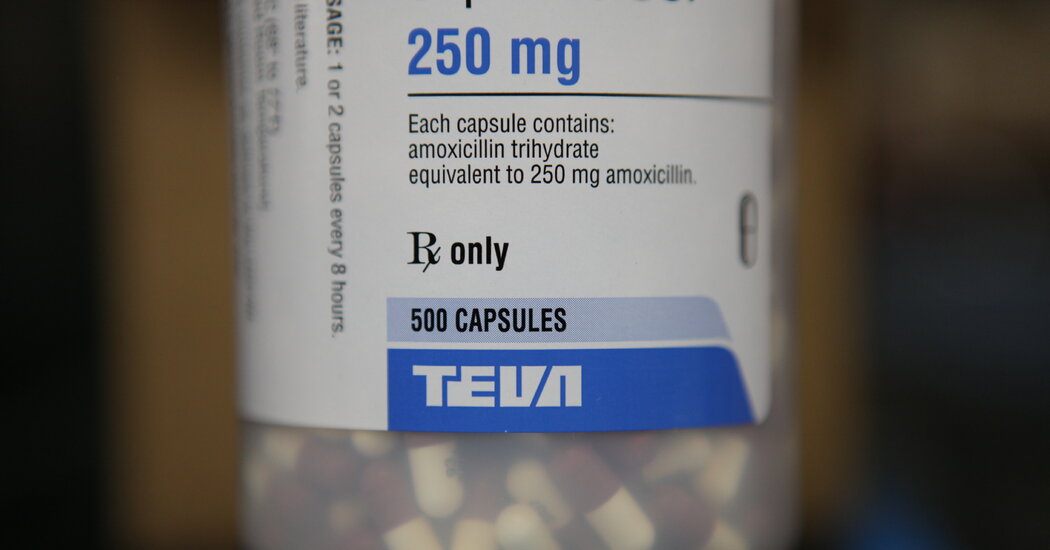
Shortages and drug-resistant germs have renewed attention on a $6 billion proposal in Congress that would reconfigure the way antimicrobial drugs are developed and sold.Recent shortages of amoxicillin, an effective antibiotic that pediatricians have long relied upon to treat strep throat and ear infections in children, have put a spotlight on an urgent global threat: the world’s shrinking arsenal of potent antibiotics and the lack of incentives to develop them.The broken marketplace for new antimicrobial drugs has stirred debate over a bill, languishing in Congress, that would dramatically reconfigure the way antibiotics are discovered and sold in the United States.The $6 billion measure, the Pasteur Act, would upend the conventional model that ties antibiotic profits to sales volume by creating a subscription-like system that would provide pharmaceutical companies an upfront payment in exchange for unlimited access to a drug once it is approved by the Food and Drug Administration.Some call it the Netflix model for antibiotics.The measure attempts to address the vexing economics of antibiotics: Promising new drugs often gather dust on pharmacy shelves because health providers would rather save them for patients whose infections don’t respond to existing ones. That’s because the more frequently an antibiotic is used, the more quickly it will lose its curative punch as the targeted bacteria develop the ability to survive.New antibiotics also tend to be expensive, a disincentive for hospital-based prescribers who will often turn to cheaper ones, making it even harder for drug companies to earn back their initial investmentAside from the shortages of drugs that still work, the shrinking toolbox of effective antimicrobials has become a silent global crisis that claims nearly 1.3 million lives a year. By 2050, the United Nations estimates that drug-resistant pathogens could kill 10 million people annually.“If we want antibiotics to work for our kids, our grandkids or ourselves in 10 years, we have to invest in the infrastructure today,” said Kevin Outterson, executive director of CARB-X, a nonprofit that provides funding for small biotechs developing novel antibiotics.By separating profits from sales volume, supporters of the bill hope that prescribers will save new drugs for patients whose infections are resistant to existing medications. Limiting their use, experts say, can help extend the life of a new antibiotic before evolutionary pressure creates a “superbug” all but impervious to available antimicrobials.The bill, a decade in the making, has bipartisan support and is widely backed by researchers, health care policy experts and drug company executives. But as momentum for the bill has gained steam, opposition has emerged from a small group of doctors and health care advocates, many of them critics of Big Pharma. They say the bill is a drug-industry giveaway — and unlikely to address the problem of antibiotic resistance.Senator Todd Young, a Republican of Indiana, is one of the bill’s co-sponsors. Michael A. McCoy for The New York TimesThe legislation’s prospects seemed grim in the final weeks of a lame duck session during which lawmakers often race to push through unfinished legislation. Concerns over cost had already prompted mainly Republican lawmakers to reduce its price tag by $5 billion, and Congress has been anxious to push through a final spending deal before the holidays.“The Covid-19 pandemic demonstrated America’s vulnerability to catastrophic public health crises, and it highlighted the urgency of taking reasonable measures to prevent them in the future,” Senator Todd Young, an Indiana Republican and one of the bill’s co-sponsors, said in an email. “The next public health crisis is already here: the emergence of bacteria resistant to antibiotic treatment.”In a letter to Congress in November, opponents of the measure said it would encourage the development of ineffective drugs, in part because of what they describe as flaws in the F.D.A.’s existing approval process for antibiotics. “Under the Pasteur Act, taxpayer dollars will be wasted as a blank check to pharmaceutical manufacturers for antimicrobials of limited benefit,” they wrote.One of the signers, Dr. Reshma Ramachandran, an assistant professor at the Yale School of Medicine, said the bill leaves in place a regulatory regimen for antibiotics that she and others contend allows companies to market drugs of questionable value. Her objection to the status quo centers on a central tenet of the F.D.A.’s antibiotics review process: New drugs can be approved under a concept known as noninferiority, which allows novel medications to be less effective than existing ones. Dr. Ramachandran, whose work focuses on antimicrobial resistance and health policy, and other critics of the bill said that the F.D.A. should adopt a system that requires drugmakers to prove that new antibiotics are superior to current ones.“As a clinician, it’s a huge concern for me that we could have new costly drugs on the market without regulatory oversight to actually ensure these drugs are clinically meaningful or that they even address resistant infections,” Dr. Ramachandran said.Many experts, however, say that such an approach is impractical and raises ethical questions. To establish whether a new antibiotic is superior to existing ones, researchers would have to conduct clinical trials that test the new therapy against a placebo or a drug they know to be less effective. For study participants battling an infection, getting a placebo or an inferior drug could prove deadly.“This whole superiority notion makes no sense. We don’t hold any drug to that standard,” said Kenneth E. Thorpe, a health policy official in the Clinton administration who is an adviser to the advocacy group Partnership to Fight Infectious Disease. “We need to spur innovation and get as many novel antibiotics as we can given the diversity of infections and the threat to human health if we fail.”Mr. Thorpe and others say that criticism of the legislation overlooks a key provision: The decision to fund any antibiotic must consider whether the drug meets a critical need. Such a determination will be guided by a panel of experts from the Department of Health and Human Services, the Centers for Disease Control and Prevention and a half-dozen other federal health agencies. The system would mirror the advisory committees that guide decision making at the F.D.A.“Components of the bill are designed to ensure this valuable funding goes to the right drugs,” said Dr. David Hyun, who directs the Antibiotic Resistance Project at the Pew Charitable Trusts.Diane Shader Smith, right, with her daughter, Mallory Smith, as seen in the documentary “Salt in My Soul.” Mallory Smith died in 2017 from a drug-resistant infection when she was 25.Giant PicturesOver the 10-year life of the legislation, the federal government would make payments ranging from $750,000 to $3 billion to companies making “critical need antimicrobials.” An analysis by the Center for Global Development estimated that the $6 billion price tag for the legislation would yield $32 billion in savings over a decade and save 20,000 lives in the United States and 518,000 around the world.It can cost a $1 billion or more to bring a new drug to market, but earning back that investment has proved increasingly elusive. Unlike blockbuster medications for chronic conditions like diabetes or high blood pressure, most antibiotics are prescribed for just days or weeks. Many hospitals, unwilling to pay the high prices that accompany new therapies, prefer to rely on cheaper but less effective options, experts say.A number of antibiotic start-ups have gone bankrupt in recent years, sending a chill through the industry.The crisis has barely pierced the public’s consciousness, in part because many of those who succumb to drug-resistant infections are already battling other health problems. When a cancer patient dies from drug-resistant bacterial pneumonia, family members are likely to blame the cancer, not the infection.Diane Shader Smith has a firsthand appreciation for the challenges of trying to draw attention to abstract threats like antimicrobial resistance. Five years ago her daughter, Mallory, who had cystic fibrosis, died at 25 from a drug-resistant lung infection she contracted at age 12. The coroner noted her cause of death as cystic fibrosis.“I know what it’s like to live with a superbug and the damage it does to patients and their families,” said Ms. Shader Smith, a writer from California who has spent the past few years raising awareness about resistant infections.“I may end up in the hospital one day for a hip replacement, melanoma or some other illness, and I don’t want to contract an untreatable superbug,” said Ms. Shader Smith, who last month wrote a column in USA Today, urging Congress to pass the Pasteur Act. “The truth is that drug-resistant infections are a threat many of us will face at some point in our lives. The hard part is getting that threat to penetrate the consciousness of Americans.”Emily Cochrane contributed reporting from Washington, D.C.

Read more →