South Africans fear spike in HIV infections as US aid cuts bite

10 July 2025ShareSaveMayeni JonesBBC News, JohannesburgShareSaveReutersGugu used to collect her antiretrovirals from a USAID-funded clinic in central Johannesburg.But when President Trump’s cuts to aid funding were announced earlier this year, she and thousands of other HIV-positive patients across South Africa suddenly faced an uncertain future.Gugu was lucky, the clinic where she got the medication that helps suppress her symptoms contacted her before it closed down.”I was one of the people who was able to get their medication in bulk. I usually collect a three-month prescription. But before my clinic closed, they gave me nine months’ worth of medication.”She will run out of antiretrovirals (ARVs) in September, and then plans on going to her local public hospital for more.A former sex worker, the 54-year-old found out she was HIV-positive after she’d quit the industry.Ten years ago she got a chesty cough, and initially thought it was tuberculosis. She went to a doctor who told her she had a chest infection and treated her for it.But when the treatment failed, she went to a clinic to get an HIV test.”By then I already assumed that I was HIV-positive, and I told the nurse this.”She was right, and she has been on ARVs ever since. We’re not using her real name at her request.She currently works as a project coordinator for an NGO.”We help pregnant sex workers get their ARVs, to ensure their children are born HIV-negative. We also do home visits to make sure that the mothers take their medication on time, and to look after their babies when they go for their monthly check-ups.”Many HIV-positive sex workers in South Africa relied on private clinics funded by the US government’s now-defunct aid agency, USAID, to get their prescriptions and treatments.But most of the facilities closed after US President Donald Trump cut most foreign aid earlier this year.Gugu believes that many sex workers could be discouraged from going to public hospitals for their ARVs if they can no longer get them from clinics.”The problem with going to public hospitals is the time factor. In order to get serviced at these facilities, you have to arrive at 4 or 5am, and they may spend the whole day waiting for their medication. For sex workers, time is money,” Gugu says.She adds that she recently went to her local hospital with some friends to register her details and build a relationship with staff.”The nurse who attended to us was very rude. She told us there was nothing special about sex workers.”She thinks this could lead to many sex workers defaulting on their medication, “especially because their hospital files contain a lot of personal information, and the concern is that sometimes the nurses at these local clinics aren’t always the most sensitive in dealing with this kind of information”.Getty ImagesIn a report released on Thursday, the UN body in charge of fighting HIV/Aids does not single out the US, but says that drastic cuts from a number of donors have sent shockwaves around the world, that the “phenomenal progress” in tackling the illness risks being reversed.”New HIV infections have been reduced by 40% since 2010, and 4.4 million children have been protected from acquiring HIV since 2000. More than 26 million lives have been saved,” UNAids says, warning that if the world does not act, there could be an extra six million new HIV infections and four million Aids-related deaths by 2029.UNAids said that, before the funding cuts, the annual numbers of new HIV infections and Aids-related deaths had sunk to their lowest levels in more than 30 years.All of the data published in the report is from before the US and other donors slashed funding earlier this year. But it does highlight how much progress could be lost as a result of these cuts.Sub-Saharan Africa has seen a 56% decline in the number of new infections. The region is still the epicentre of the epidemic – half of all new infections last year were from the continent. But four African countries – Lesotho, Malawi, Rwanda and Zimbabwe – were on track to achieve a 90% decline in new infections by 2030 compared with 2010.Another success story for Africa has been the performance of antiretrovirals, which help suppress HIV symptoms. Along with other medical advances in the field, they helped increase life in sub-Saharan Africa from 56 years in 2010 to 62 years in 2024.The turnaround began when then-US President George W Bush launched an ambitious programme to combat HIV/Aids in 2003, saying it would serve the “strategic and moral interests” of the US.Known as the President’s Emergency Plan for Aids Relief (Pepfar), it led to the investment of more than $100bn (£74bn) in the global HIV/Aids response – the largest commitment by any nation to address a single disease in the world.South Africa has about 7.7 million people living with HIV, the highest number in the world, according to UNAids.About 5.9 million of them receive antiretroviral treatment, resulting in a 66% decrease in Aids-related deaths since 2010, the UN agency adds.South Africa’s government says Pepfar funding contributed about 17% to its HIV/Aids programme. The money was used for various projects, including running mobile clinics to make it easier for patients to get treatment.The Trump administration’s cuts have raised concern that infection rates could spike again. “I think we’re going to start seeing an increase in the number of HIV infections, the number of TB cases, the number of other infectious diseases,” Prof Lynn Morris, Deputy Vice-Chancellor of Johannesburg’s Wits University, tells the BBC.”And we’re going to start seeing a reversal of what was essentially a real success story. We were getting on top of some of these things.”Gugu points out that treatment is a matter of life and death, especially for vulnerable populations like sex workers.”People don’t want to default on their ARVs. They’re scared that they’re going to die if they don’t get access to them.The cuts have also affected research aimed at finding an HIV vaccine and a cure for Aids.”There’s the long-term impact, which is that we’re not going to be getting new vaccines for HIV,” Prof Morris adds. “We’re not going to be keeping on top of viruses that are circulating. Even with new viruses that might appear, we’re not going to have the surveillance infrastructure that we once had.”South Africa has been one of the global leaders in HIV research. Many of the medications that help prevent the virus, and which have benefitted people around the world, were trialled in South Africa.This includes Prep (pre-exposure prophylaxis), a medication which stops HIV-negative people from catching the virus.Another breakthrough preventive drug released this year, Lenacapavir, an injection taken twice a year and that offers total protection from HIV, was also tried in South Africa.In a lab at Wits University’s Health Sciences campus, a small group of scientists are still working on a vaccine for HIV. They are part of the Brilliant Consortium, a group of labs working across eight African countries to develop a vaccine for the virus.”We were developing a vaccine test to see how well that works, and then we would trial it on humans,” Abdullah Ely, an Associate Professor at Wits University, tells the BBC in his lab. “The plan was to run the trials in Africa based on research carried out by Africans because we want that research to actually benefit our community as well as all mankind.”But the US funding cuts threw their work into doubt. “When the stop order came, it meant we had to stop everything. Only some of us have been able to get additional funding so we could continue our work. It’s set us back months, probably could even be a year,” Prof Ely says.The lab lacks funding to carry out clinical trials scheduled for later this year.”That is a very big loss to South Africa and the continent. It means that any potential research that comes out of Africa will have to be tested in Europe, or the US,” Prof Ely says.In June, universities asked the government for a bailout of 4.6bn South African rand ($260m; £190m) over the next three years to cover some of the funding lost from the US. “We are pleading for support because South Africa is leading in HIV research, but it’s not leading for itself. This has ramifications on the practice and policies of the entire globe,” says Dr Phethiwe Matutu, head of Universities South Africa. South Africa’s Health Minister Aaron Motsoaledi announced on Wednesday that some alternative funding for research had been secured. The Bill and Melinda Gates Foundation and the Wellcome Trust have agreed to donate 100m rand each with immediate effect, while the government would make available 400m rand over the next three years, he said. This would bring the total to 600m rand, way below the 4.6bn rand requested by researchers.As for Gugu, she had hoped that by the time she was elderly, a cure for HIV/Aids would have been found, but she is less optimistic now.”I look after a nine-year-old. I want to live as long as I can to keep taking care of him,” she tells the BBC. “This isn’t just a problem for right now, we have to think about how it’s going to affect the next generation of women and young people.”You may also be interested in:Getty Images/BBCBBC Africa podcasts

Read more →

Your Brain’s Hidden Defenses Against Alzheimer’s

It’s been recognized for some time that Alzheimer’s disease affects brain regions differently and that tau — a protein known to misbehave — plays an important role in the disease. Normally, tau helps stabilize neurons, but in Alzheimer’s disease, it begins to misfold and tangle inside neurons. It spreads across the brain forming toxic clumps that impair neuronal function and ultimately lead to cell death.
Brain areas like the entorhinal cortex and hippocampus succumb early to tau tangles, while other areas, like the primary sensory cortices, remain resilient to the disease. In the quest to better understand this selective vulnerability (SV) or resilience (SR) to Alzheimer’s disease, researchers have looked to gene association and transgenic studies to identify Alzheimer’s risk genes. But past research has not shown a clear link between the location of genetic risk factors and associated tau pathology.
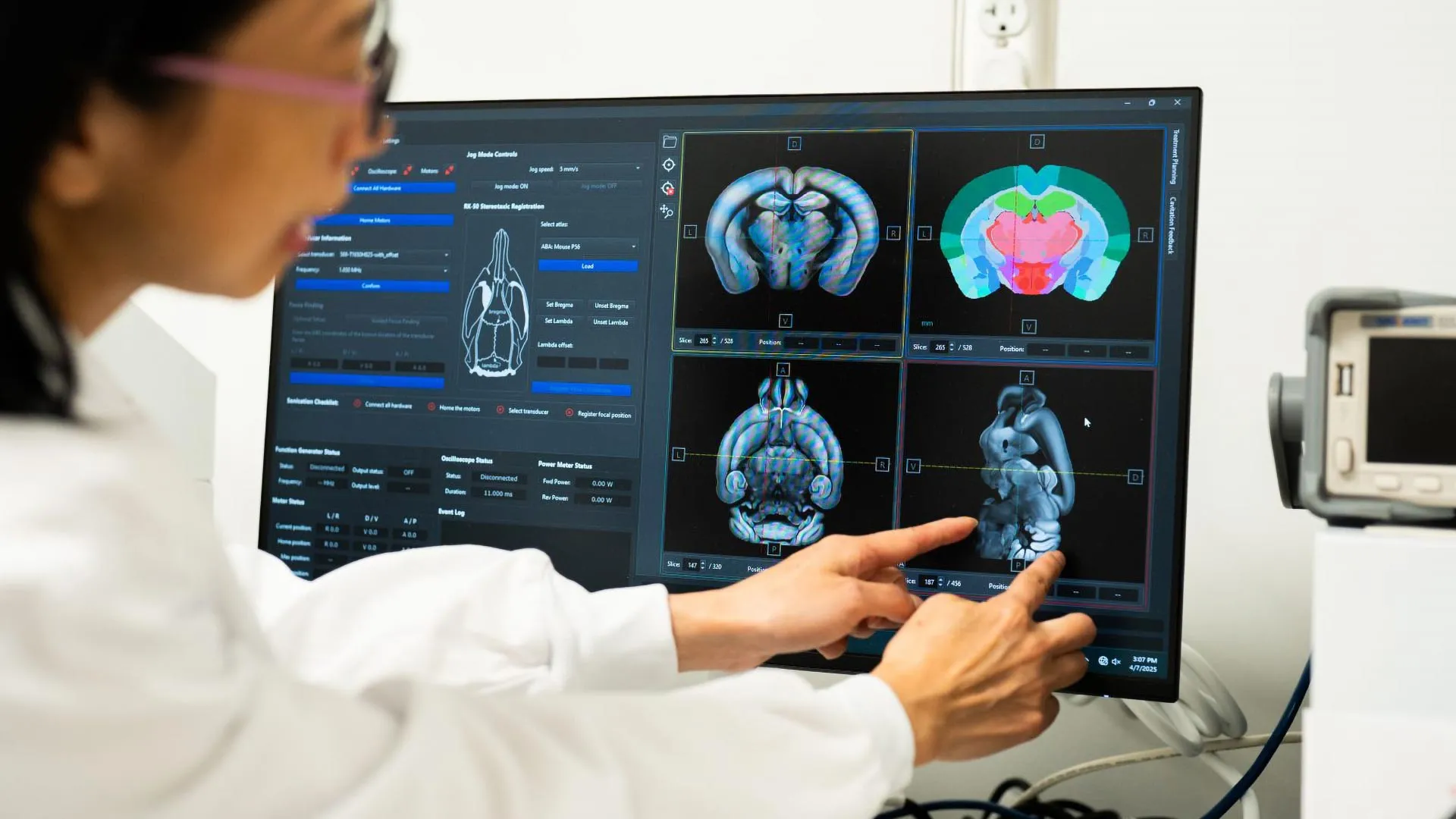
Now, a new study by UC San Francisco researchers has made a leap toward answering that question — by combining brain imaging, genetics, and advanced mathematical modeling into a powerful new lens. The study, published July 9 in Brain, shows multiple distinct pathways by which risk genes confer vulnerability or resilience in Alzheimer’s disease.
The study introduced a model of disease spread called the extended Network Diffusion Model (eNDM). The researchers applied this model on brain scans from 196 individuals at various stages of Alzheimer’s. They subtracted what the model predicted from what they saw in the scans. The leftovers, called “residual tau,” pointed to areas where something else besides brain connections influence the buildup of tau — in this case, genes.
Using brain gene expression maps from the Allen Human Brain Atlas, the researchers tested the degree to which Alzheimer’s risk genes explain the patterns of both actual and residual tau. This allowed them to tease apart genetic effects that act with or independently of the brain’s wiring.
“We think of our model as Google Maps for tau,” said senior study author Ashish Raj, PhD, UCSF professor of Radiology and Biomedical Imaging. “It predicts where the protein will likely go next, using real-world brain connection data from healthy people.”
This upends traditional view of how tau moves in the brain
The study team uncovered four distinct gene types based on how much and in what manner they were predictive of tau: Network-Aligned Vulnerability (SV-NA), which are genes that boost tau spread along the brain’s wiring; Network-Independent Vulnerability (SV-NI), which are genes that promote tau buildup in ways unrelated to connectivity; Network-Aligned Resilience (SR-NA), which are genes that help protect regions that are otherwise tau hotspots; and Network-Independent Resilience (SR-NI), which are genes that offer protection outside of the network’s usual path — like hidden shields in unlikely spots.

“Vulnerability-aligned genes dealt with stress, metabolism, and cell death; resilience-related ones were involved in immune response and the cleanup of amyloid-beta — another Alzheimer’s culprit,” said study first author Chaitali Anand, PhD, a UCSF post-doctoral researcher. “In essence, the genes that make parts of the brain more or less likely to be affected by Alzheimer’s are working through different jobs — some controlling how tau moves, others dealing with internal defenses or cleanup systems.”
This research built on another recent UCSF study in mice, published May 21 in Alzheimer’s & Dementia, which demonstrated that tau does not travel randomly or diffuse passively; instead, it follows the brain’s wiring pathways with a distinct directional preference. Using a system of differential equations called the Network Diffusion Model (NDM), the research team was able to show the dynamics of tau spread between connected brain regions, challenging the traditional view that tau spreads simply by diffusing through extracellular space or leaking from dying neurons.
“Our research showed that tau propagates trans-synaptically, traveling along axonal projections driven by active transport processes rather than passive diffusion, and exploiting active neural pathways in the preferred retrograde direction,” said Justin Torok, PhD, a post-doctoral researcher working in the Raj lab.
In the current study, network-based analyses complemented the existing approaches for validating and identifying gene-based determinants of selective vulnerability and resilience. Genes that respond independently of the network having different biological functions than those genes that respond in concert with the network.
“This study offers a hopeful map forward: one that blends biology and brain maps into a smarter strategy for understanding and eventually stopping Alzheimer’s disease,” said Raj. “Our findings offer new insights into vulnerability signatures in Alzheimer’s disease and may prove helpful in identifying potential intervention targets.”
Additional authors: Farras Abdelnour, Benjamin Sipes, Daren Ma, Pedro D. Maia, PhD.
Funding: The research was partially supported by NIH grants R01NS092802, RF1AG062196, and R01AG072753 awarded to Ashish Raj.

Read more →

Trump’s D.E.I. Cuts Are Hurting Rural, White Americans, Too

The N.I.H. has terminated hundreds of diversity grants awarded to young scientists, many of whom come from the very places that supported Trump.Lucas Dillard describes himself as sort of a JD Vance, scientist version.Raised by a single mother in rural Appalachia, he was about to enlist in the Navy when he received a Pell grant that allowed him to go to North Carolina State University.A work-study requirement delivered a stroke of fortune: a job in a lab with a structural biologist who let him conduct his own research. Those projects got him into a post-baccalaureate program at the National Institutes of Health, where he published papers that helped him get into a Ph.D. program in molecular biophysics at Johns Hopkins.And last year, his work at Hopkins won a prestigious N.I.H. fellowship that pays the country’s most promising doctoral students to continue their scientific research.Mr. Dillard’s grant was one of thousands the N.I.H. canceled as it rushed to comply with President Trump’s executive order banning federally funded diversity, equity and inclusion programs. The order accused the programs of using race- and sex-based preferences that it said were “dangerous, demeaning and immoral” and “deny, discredit, and undermine the traditional American values of hard work, excellence, and individual achievement.”But Mr. Trump’s push to end D.E.I. has been a blunt instrument, eliminating highly competitive grant programs that defined diversity well beyond race and gender. Those who have lost grants include not only Black and Latino scientists, but also many like Mr. Dillard, who are white and from rural areas, which are solidly Trump country. The administration has decried universities as hotbeds of liberal elitism, inhospitable to viewpoint diversity. The canceled diversity grant programs were intended to make science less elite, by developing a pipeline from poorer areas of the country that tend to be more conservative.“I think it’s very different in their minds, who is getting the D.E.I. stuff,” Mr. Dillard said. “People on the right, they don’t realize they’re limiting the opportunity of their own kids by supporting this.”We are having trouble retrieving the article content.Please enable JavaScript in your browser settings.Thank you for your patience while we verify access. If you are in Reader mode please exit and log into your Times account, or subscribe for all of The Times.Thank you for your patience while we verify access.Already a subscriber? Log in.Want all of The Times? Subscribe.

Read more →

Psych 101: What Is ‘Reparenting?’

Laura Wells, 54, a fitness coach in Fort Worth, Texas, felt silly when she first tried giving herself a hug.Then, she realized, “it really helps.”It’s one of the ways that she is attempting to “reparent” herself — by meeting emotional needs that she says were neglected during her childhood.The idea of reparenting has been around for decades, but the practice has flourished in recent years as interest in trauma-informed therapy has soared. It is now the subject of books, podcasts and TikTok hashtags.In reparenting, the patient is empowered to find their hurt “inner child” and help it feel loved so that they can develop a stronger sense of self and better relationships with others. It’s not an easy process.“I’m always telling people, reparenting your inner child is messy and uncomfortable and awkward,” said Nicole Johnson, a licensed professional counselor in Boise, Idaho and the author of a new book on the topic.But when her clients acknowledge their pain and view it through the lens of their younger selves, she said, they tend to have more self-compassion and gradually drop the coping mechanisms from their childhood that are no longer helpful.We are having trouble retrieving the article content.Please enable JavaScript in your browser settings.Thank you for your patience while we verify access. If you are in Reader mode please exit and log into your Times account, or subscribe for all of The Times.Thank you for your patience while we verify access.Already a subscriber? Log in.Want all of The Times? Subscribe.

Read more →

Bigger crops, fewer nutrients: The hidden cost of climate change

New preliminary research suggests that a combination of higher atmospheric CO2 and hotter temperatures contribute to a reduction in nutritional quality in food crops, with serious implications for human health and wellbeing.
Most research into the impact of climate change on food production has focused on crop yield, but the size of the harvest means little if the nutritional value is poor. “Our work looks beyond quantity to the quality of what we eat,” says Jiata Ugwah Ekele, a PhD student at Liverpool John Moores University, UK.
The ongoing effects of climate change are posed to have devastating and irreversible consequences for plants across the globe. Ms Ekele’s research is primarily focused on exploring how the nutritional content of food crops may be affected by the interacting effects of rising CO2 levels and increasing temperatures associated with climate change. “These environmental changes can affect everything from photosynthesis and growth rates to the synthesis and storage of nutrients in crops,” says Ms Ekele.
“It’s crucial to understand these impacts because we are what we eat, and plants form the foundation of our food network as the primary producers of the ecosystem,” says Ms Ekele. “By studying these interactions, we can better predict how climate change will shape the nutritional landscape of our food and work toward mitigating those effects.”
Ms Ekele’s research is focused on popular leafy vegetables, including kale, rocket and spinach. For this project, these crops ae grown in environment-controlled growth chambers at Liverpool John Moores University, and the CO2 and temperature levels are changed to simulate the UK’s predicted future climate scenarios. “Photosynthetic markers such as chlorophyll fluorescence and quantum yield are assessed as the crops grow, while yield and biomass are recorded at harvest,” says Ms Ekele.
After the plants have been grown under climate change conditions, their nutritional quality was analysed using high-performance liquid chromatography (HPLC) and X-Ray Fluorescence profiling to measure the concentrations of sugar, protein, phenolics, flavonoids, vitamins and antioxidants.
Preliminary results from this project suggest that elevated levels of atmospheric CO2 can help crops grow faster and bigger, but certainly not healthier. “After some time, the crops showed a reduction in key minerals like calcium and certain antioxidant compounds,” says Ms Ekele.

These changes were only exacerbated by increases in temperature. “The interaction between CO2 and heat stress had complex effects – the crops do not grow as big or fast and the decline in nutritional quality intensifies,” says Ms Ekele.
A key early finding is that different crops have responded differently to these climate change stressors, with some species reacting more intensely than others. “This diversity in response highlights that we can’t generalise across crops. This complexity has been both fascinating and challenging and reminds us why it’s important to study multiple stressors together,” says Ms Ekele.
This nutritional imbalance poses serious health implications for humanity. While higher CO2 levels can increase the concentration of sugars in crops, it can dilute essential proteins, minerals and antioxidants. “This altered balance could contribute to diets that are higher in calories but poorer in nutritional value,” says Ms Ekele. “Increased sugar content in crops, especially fruits and vegetables, could lead to greater risks of obesity and type 2 diabetes – particularly in populations already struggling with non-communicable diseases.”
Crops with poor nutritional content can also lead to deficiencies in vital proteins and vitamins that compromise the human immune system and exacerbate existing health conditions – particularly in low or middle-income countries. “It’s not just about how much food we grow, but also what’s inside that food and how it supports long-term human wellbeing,” says Ms Ekele.
Although this research simulates the UK’s projected climate changes, the implications are global. “Food systems in the Global North are already being challenged by shifting weather patterns, unpredictable growing seasons, and more frequent heatwaves,” says Ms Ekele. “In tropical and subtropical regions, these areas also contend with overlapping stressors such as drought, pests, and soil degradation – and are home to millions who depend directly on agriculture for food and income.”
Ms Ekele and her team are open to collaborating further on this project with the wider research community, including those from agriculture, nutrition and climate policy. “It’s important to connect plant science with broader issues of human well-being. As the climate continues to change, we must think holistically about the kind of food system we’re building – one that not only produces enough food, but also promotes health, equity, and resilience,” says Ms Ekele. “Food is more than just calories; it’s a foundation for human development and climate adaptation.”
This research is being presented at the Society for Experimental Biology Annual Conference in Antwerp, Belgium on July  8th, 2025.

Read more →

The US helped successfully tackle Aids – now cuts put that at risk

6 hours agoShareSaveMayeni JonesBBC News, JohannesburgShareSaveReutersGugu used to collect her antiretrovirals from a USAID-funded clinic in downtown Johannesburg.But when President Trump’s cuts to aid funding were announced earlier this year, she and thousands of other HIV-positive patients across South Africa suddenly faced an uncertain future.Gugu was lucky, the clinic where she got the medication that helps suppress her symptoms contacted her before it closed down.”I was one of the people who was able to get their medication in bulk. I usually collect a three-month prescription. But before my clinic closed, they gave me nine months’ worth of medication.”She will run out of antiretrovirals (ARVs) in September, and then plans on going to her local public hospital for more.A former sex worker, the 54-year-old found out she was HIV-positive after she’d quit the industry.Ten years ago she got a chesty cough, and initially thought it was tuberculosis. She went to a doctor who told her she had a chest infection and treated her for it.But when the treatment failed, she went to a clinic to get an HIV test.”By then I already assumed that I was HIV-positive, and I told the nurse this.”She was right, and she has been on ARVs ever since. We’re not using her real name at her request.She currently works as a project coordinator for an NGO.”We help pregnant sex workers get their ARVs, to ensure their children are born HIV-negative. We also do home visits to make sure that the mothers take their medication on time, and to look after their babies when they go for their monthly check-ups.”Many HIV-positive sex workers in South Africa relied on private clinics funded by the US government’s now-defunct aid agency, USAID, to get their prescriptions and treatments.But most of the facilities closed after US President Donald Trump cut most foreign aid earlier this year.In a report due to be released on Thursday, the UN body in charge of fighting HIV/Aids does not single out the US, but says that drastic cuts from a number of donors have sent shockwaves around the world, and the “phenomenal progress” in tackling the illness risks being reversed.”New HIV infections have been reduced by 40% since 2010, and 4.4 million children have been protected from acquiring HIV since 2000. More than 26 million lives have been saved,” UNAIDS says, warning that if the world does not act, there could be an extra six million new HIV infections and four million Aids-related deaths by 2029.Gugu believes that many sex workers could be discouraged from going to public hospitals for their HRVs..”The problem with going to public hospitals is the time factor. In order to get serviced at these facilities, you have to arrive at 4 or 5am, and they may spend the whole day waiting for their medication. For sex workers, time is money,” Gugu says.She adds that she recently went to her local clinic with some friends to register her details and build a relationship with staff.”The nurse who attended to us was very rude. She told us there was nothing special about sex workers.”She thinks this could lead to many sex workers defaulting on their medication, “especially because their hospital files contain a lot of personal information, and the concern is that sometimes the nurses at these local clinics aren’t always the most sensitive in dealing with this kind of information.”According to the UN, the US cuts to HIV funding could reverse some of the gains made by what has been called one of the most successful public health interventions in history.Scientists in the UK-based Lancet medical journal last month estimated that USAID funding directly reduced Aids deaths by 65%, or 25.5 million, over the past two decades.Getty ImagesThen-US President George W Bush launched an ambitious programme to combat HIV/Aids in 2003, saying it would serve the “strategic and moral interests” of the US.Known as the President’s Emergency Plan for Aids Relief (Pepfar), it led to the investment of more than $100bn (£74bn) in the global HIV/Aids response – the largest commitment by any nation to address a single disease in the world.South Africa has about 7.7 million people living with HIV, the highest number in the world, according to UNAIDS.About 5.9 million of them receive antiretroviral treatment, resulting in a 66% decrease in Aids-related deaths since 2010, the UN agency adds.South Africa’s government says Pepfar funding contributed about 17% to its HIV/Aids programme. The money was used for various projects, including running mobile clinics to make it easier for patients to get treatment.The Trump administration’s cuts have raised concern that infection rates could spike again. “I think we’re going to start seeing an increase in the number of HIV infections, the number of TB cases, the number of other infectious diseases,” Prof Lynn Morris, Deputy Vice-Chancellor of Johannesburg’s Wits University, tells the BBC.”And we’re going to start seeing a reversal of what was essentially a real success story. We were getting on top of some of these things.”Gugu points out that treatment is a matter of life and death, especially for vulnerable populations like sex workers.”People don’t want to default on their ARVs. They’re scared that they’re going to die if they don’t get access to them.The cuts have also affected research aimed at finding an HIV vaccine and a cure for Aids.”There’s the long-term impact, which is that we’re not going to be getting new vaccines for HIV,” Prof Morris adds. “We’re not going to be keeping on top of viruses that are circulating. Even with new viruses that might appear, we’re not going to have the surveillance infrastructure that we once had.”South Africa has been one of the global leaders in HIV research. Many of the medications that help prevent the virus, and which have benefitted people around the world, were trialled in South Africa.This includes Prep (pre-exposure prophylaxis), a medication which stops HIV-negative people from catching the virus.Another breakthrough preventive drug released this year, Lenacapavir, an injection taken twice a year and that offers total protection from HIV, was also tried in South Africa.In a lab at Wits University’s Health Sciences campus, a small group of scientists are still working on a vaccine for HIV. They are part of the Brilliant Consortium, a group of labs working across eight African countries to develop a vaccine for the virus.”We were developing a vaccine test to see how well that works, and then we would trial it on humans,” Abdullah Ely, an Associate Professor at Wits University, tells the BBC in his lab. “The plan was to run the trials in Africa based on research carried out by Africans because we want that research to actually benefit our community as well as all mankind.”But the US funding cuts threw their work into doubt. “When the stop order came, it meant we had to stop everything. Only some of us have been able to get additional funding so we could continue our work. It’s set us back months, probably could even be a year,” Prof Ely says.The lab lacks funding to carry out clinical trials scheduled for later this year.”That is a very big loss to South Africa and the continent. It means that any potential research that comes out of Africa will have to be tested in Europe, or the US,” Prof Ely says.In June, universities asked the government for a bailout of 4.6bn South African rand ($260m; £190m) over the next three years to cover some of the funding lost from the US. “We are pleading for support because South Africa is leading in HIV research, but it’s not leading for itself. This has ramifications on the practice and policies of the entire globe,” says Dr Phethiwe Matutu, head of Universities South Africa. South Africa’s Health Minister Aaron Motsoaledi announced on Wednesday that some alternative funding for research had been secured. The Bill and Melinda Gates Foundation and the Wellcome Trust have agreed to donate 1m rand each with immediate effect, while the government would make available 400m rand over the next three years, he said. This would bring the total to 600m rand, way below the 4.6bn rand requested by researchers.As for Gugu, she had hoped that by the time she was elderly, a cure for HIV/Aids would have been found, but she is less optimistic now.”I look after a nine-year-old. I want to live as long as I can to keep taking care of him,” she tells the BBC. “This isn’t just a problem for right now, we have to think about how it’s going to affect the next generation of women and young people.”You may also be interested in:Getty Images/BBCBBC Africa podcasts

Read more →

This muscle supplement could rewire the brain—and now scientists can deliver it

Creatine is popularly known as a muscle-building supplement, but its influence on human muscle function can be a matter of life or death.
“Creatine is very crucial for energy-consuming cells in skeletal muscle throughout the body, but also in the brain and in the heart,” said Chin-Yi Chen, a research scientist at Virginia Tech’s Fralin Biomedical Research Institute at VTC.
Chen is part of a research team working to develop a technique that uses focused ultrasound to deliver creatine directly to the brain. The work, being conducted in the lab of Fralin Biomedical Research Institute Assistant Professor Cheng-Chia “Fred” Wu, will be supported by a $30,000 grant from the Association for Creatine Deficiencies.
Creatine plays a vital role in the brain, where it interacts with phosphoric acid to help create adenosine triphosphate, a molecule essential for energy production in living cells. In addition to its role in energy production, creatine also influences neurotransmitter systems.
For example, creatine influences the brain’s major inhibitory pathways that use the neurotransmitter gamma-aminobutyric acid, which limits neuronal excitability in the central nervous system. It may play a role in a variety of functions, including seizure control, learning, memory, and brain development.
A growing body of research suggests that creatine may itself function as neurotransmitter, as it is delivered to neurons from glial cells in the brain and can influence signaling processes between other neurons. While creatine deficiency disorders can weaken the skeletal muscle and the heart, they can also severely affect the brain. Many patients see increased muscle mass and body weight with creatine supplements, but they often continue to face neurodevelopmental challenges that can hinder their ability to speak, read, or write.
This is largely caused by the brain’s protective blood-brain barrier. This selective shield blocks harmful substances like toxins and pathogens from entering brain tissue, but it can also prevent beneficial compounds like creatine from reaching the brain when levels are low.

Wu studies therapeutic focused ultrasound, which precisely directs sound waves to areas of the brain to which access has been opened temporarily. The process allows drugs to reach diseased tissue without harming surrounding healthy cells. While Wu is investigating this method as a potential treatment for pediatric brain cancer, he also sees potential in applying it to creatine deficiency.
“Through the partnership between Virginia Tech and Children’s National Hospital, I was able to present our work in focused ultrasound at the Children’s National Research & Innovation Campus,” Wu said. “There, I met Dr. Seth Berger, a medical geneticist, who introduced me to creatine transporter deficiency. Together, we saw the promise that focused ultrasound had to offer.”
The Focused Ultrasound Foundation has recognized Virginia Tech and Children’s National as Centers of Excellence. Wu said the two organizations bring together clinical specialists, trial experts, and research scientists who can design experiments that could inform future clinical trials.
“It was a moment that made me really excited — that I had found a lab where I could move from basic research to something that could help patients,” Chen said. “When Fred asked me, ‘Are you interested in this project?’ I said, ‘Yes, of course.'”
Because creatine deficiencies can impair brain development, the early stages of Chen’s project will concentrate on using focused ultrasound to deliver creatine across the blood-brain barrier. Chen hopes the technique will restore normal brain mass in models of creatine deficiency.

Read more →

Doctors say we’ve been misled about weight and health

Focusing solely on achieving weight loss for people with a high body mass index (BMI) may do more harm than good, argue experts in The BMJ.
Dr Juan Franco and colleagues say, on average, people with high weight will not be able to sustain a clinically relevant weight loss with lifestyle interventions, while the potential harms of weight loss interventions, including the reinforcement of weight stigma, are still unclear.
They stress that a healthy lifestyle has important benefits, but that weight alone might not give an adequate picture of someone’s health, and say doctors should provide high quality, evidence based care reflecting individual preferences and needs, regardless of weight.
Lifestyle interventions that focus on restricting an individual’s energy intake and increasing their physical activity levels have for many decades been the mainstay recommendation to reduce weight in people with obesity, explain the authors.
However, rigorous evidence has indicated that these lifestyle interventions are largely ineffective in providing sustained long term weight loss and reducing cardiovascular events (eg, heart attacks and strokes) or death.
Even though a healthy lifestyle provides important benefits, acknowledging that weight alone might not give an adequate picture of someone’s health, and recognizing the limitations of lifestyle interventions for weight loss, could pave the way for more effective and patient centered care, they say.
Focusing on weight loss might also contribute to societal weight bias — negative attitudes, assumptions, and judgments about people based on their weight — which may not only have adverse effects on mental health but may also be associated with disordered eating, the adoption of unhealthy habits, and weight gain, they add.

They point out that recent clinical guidelines reflect the growing recognition that weight is an inadequate measure of health, and alternative approaches, such as Health at Every Size (HAES), acknowledge that good health can be achieved regardless of weight loss and have shown promising results in improving eating behaviors.
While these approaches should be evaluated in large clinical trials, doctors can learn from them to provide better and more compassionate care for patients with larger bodies, they suggest.
“Doctors should be prepared to inform individuals seeking weight loss about the potential benefits and harms of interventions and minimize the risk of developing eating disorders and long term impacts on metabolism,” they write. “Such a patient centred approach is likely to provide better care by aligning with patient preferences and circumstances while also reducing weight bias.”
They conclude: “Doctors’ advice about healthy eating and physical activity is still relevant as it may result in better health. The main goal is to offer good care irrespective of weight, which means not caring less but rather discussing benefits, harms, and what is important to the patient.”

Read more →

Measles Cases Hit Record High Since U.S. Eliminated Disease

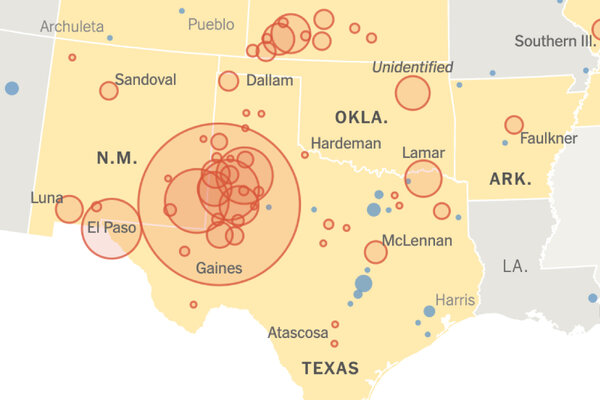
Experts worry that if vaccination rates do not improve, deadly outbreaks will become the new normal.There have now been more measles cases in 2025 than in any other year since the contagious virus was declared eliminated in the United States in 2000, according to new data released Wednesday by the Centers for Disease Control and Prevention.The grim milestone represents an alarming setback for the country’s public health and heightens concerns that if childhood vaccination rates do not improve, deadly outbreaks of measles — once considered a disease of the past — will become the new normal.Experts fear that with no clear end to the spread in sight, the country is barreling toward another turning point: losing elimination status, a designation given to countries that have not had continuous spread of measles for more than a year.“It’s a huge red flag for the direction in which we’re going,” said Dr. William Moss, an epidemiologist at the Johns Hopkins Bloomberg School of Public Health who has studied measles for more than 25 years.Most of the cases this year have been tied to the Southwest outbreak — the largest single outbreak since 2000 — which began in January in a Mennonite community in West Texas and has since jumped to New Mexico and Oklahoma.But cases have also popped up in 38 states, which experts say represents a concerning vulnerability to diseases of the past. Because of the contagiousness of the virus, researchers often think of measles as the proverbial canary in a coal mine. It is often the first sign that other vaccine-preventable diseases, like pertussis and Hib meningitis, might soon become more common.

Read more →