MRI-guided radiotherapy produces fewer side effects and better quality of life for patients with localized prostate cancer

For men who undergo radiotherapy for localized prostate cancer, the precise targeting capabilities of MRI guidance resulted in fewer toxicities and better quality of life, as judged by patients and the doctors treating them, according to new research from UCLA Jonsson Comprehensive Cancer Center.
Results from the first randomized phase III clinical trial to directly compare MRI-guided stereotactic body radiotherapy (SBRT) with the same therapy guided by CT are published in JAMA Oncology. They confirm interim findings presented at the 2022 ASCO Genitourinary (GU) Cancers Symposium in San Francisco.
“MRI guidance offers several advantages over standard CT guidance, most notably the ability to dramatically reduce planning margins, providing more focused treatment with less injury to nearby normal tissues and organs,” said Amar Kishan, M.D., a radiation oncologist at the David Geffen School of Medicine at UCLA and the UCLA Jonsson Comprehensive Cancer Center and the study’s lead author. “MRI technology is more costly than CT, both in terms of upfront equipment expenses and longer treatment times, which is one reason our study set out to determine if MRI-guided technology offers tangible benefits for patients.”
Stereotactic body radiotherapy for prostate cancer usually delivers radiation in five or fewer precisely targeted doses. It is an established and generally well tolerated form of treatment, but it can cause toxicities resulting in urinary, bowel and sexual dysfunction. This clinical trial, Magnetic Resonance Imaging-Guided Stereotactic Body Radiotherapy for Prostate Cancer (MIRAGE), was led at UCLA and included 154 analyzable patients with prostate cancer who were randomized to either a CT-guidance arm (76 patients) or an MRI-guidance arm (78 patients).
A unique aspect of the study was its inclusion of outcome measures assessed by patients as well as physicians. From both perspectives, MRI-guided therapy was associated with fewer side effects and better quality of life over at least three months of follow-up.
“In this trial, we demonstrated that the reduction in treatment volumes facilitated by MRI guidance leads to a significant reduction in moderate physician-scored toxicity and to a reduction in the proportion of patients noting significant decrements in patient-reported outcome metrics in the near term,” said Dr. Kishan. “Although additional studies will need to confirm these benefits over time, we’re hopeful that these results will lead to better outcomes for men with prostate cancer.”
The 2-millimeter margin used with MRI-guidance in the trial is narrower than has been used in any previous large study. Unlike CT, MRI technology can monitor prostate motion directly, and it offers improved soft tissue contrast, improving the accuracy of alignment prior to radiation.
Authors: In addition to Dr. Kishan, authors include Ting Martin Ma, Michael Steinberg, James M. Lamb, Maria Casado, Holly Wilhalme, Daniel A. Low, Ke Sheng, Sahil Sharma, Nicholas G. Nickols, Jonathan Pham, Yingli Yang, Yu Gao, John Neylon, Vincent Basehart, and Minsong Cao, all of UCLA.
Funding: This study was supported by grants from the U.S. Department of Defense (No. PC210066, Kishan), the American Society for Radiation Oncology (Kishan), the Prostate Cancer Foundation (Kishan), and the Jonsson Comprehensive Cancer Center (Kishan), the generous funding from the Bershad family, DeSilva family, and McCarrick family. The funding support had no role in the design, conduct, or analysis of the study.
Read more →

Artificial nerve cells — almost like biological

Researchers at Linköping University (LiU), Sweden, have created an artificial organic neuron that closely mimics the characteristics of biological nerve cells. This artificial neuron can stimulate natural nerves, making it a promising technology for various medical treatments in the future.
Work to develop increasingly functional artificial nerve cells continues at the Laboratory for Organic Electronics, LOE. In 2022, a team of scientists led by associate professor Simone Fabiano demonstrated how an artificial organic neuron could be integrated into a living carnivorous plant to control the opening and closing of its maw. This synthetic nerve cell met 2 of the 20 characteristics that differentiate it from a biological nerve cell.
In their latest study, published in the journal Nature Materials, the same researchers at LiU have developed a new artificial nerve cell called “conductance-based organic electrochemical neuron” or c-OECN, which closely mimics 15 out of the 20 neural features that characterise biological nerve cells, making its functioning much more similar to natural nerve cells.
“One of the key challenges in creating artificial neurons that effectively mimic real biological neurons is the ability to incorporate ion modulation. Traditional artificial neurons made of silicon can emulate many neural features but cannot communicate through ions. In contrast, c-OECNs use ions to demonstrate several key features of real biological neurons,” says Simone Fabiano, principal investigator of the Organic Nanoelectronics group at LOE.
In 2018, this research group at Linköping University was one of the first to develop organic electrochemical transistors based on n-type conducting polymers, which are materials that can conduct negative charges. This made it possible to build printable complementary organic electrochemical circuits. Since then, the group has been working to optimise these transistors so that they can be printed in a printing press on a thin plastic foil. As a result, it is now possible to print thousands of transistors on a flexible substrate and use them to develop artificial nerve cells.
In the newly developed artificial neuron, ions are used to control the flow of electronic current through an n-type conducting polymer, leading to spikes in the device’s voltage. This process is similar to that which occurs in biological nerve cells. The unique material in the artificial nerve cell also allows the current to be increased and decreased in an almost perfect bell-shaped curve that resembles the activation and inactivation of sodium ion channels found in biology.
“Several other polymers show this behaviour, but only rigid polymers are resilient to disorder, enabling stable device operation,” says Simone Fabiano.
In experiments carried out in collaboration with Karolinska Institute (KI), the new c-OECN neurons were connected to the vagus nerve of mice. The results show that the artificial neuron could stimulate the mice’s nerves, causing a 4.5% change in their heart rate. The fact that the artificial neuron can stimulate the vagus nerve itself could, in the long run, pave the way for essential applications in various forms of medical treatment. In general, organic semiconductors have the advantage of being biocompatible, soft, and malleable, while the vagus nerve plays a key role, for example, in the body’s immune system and metabolism.
The next step for the researchers will be to reduce the energy consumption of the artificial neurons, which is still much higher than that of human nerve cells. Much work remains to be done to replicate nature artificially.
“There is much we still don’t fully understand about the human brain and nerve cells. In fact, we don’t know how the nerve cell makes use of many of these 15 demonstrated features. Mimicking the nerve cells can enable us to understand the brain better and build circuits capable of performing intelligent tasks. We’ve got a long road ahead, but this study is a good start,” says Padinhare Cholakkal Harikesh, postdoc and main author of the scientific paper.

Read more →

Scientists develop novel mRNA delivery method using extracellular vesicles

A team of researchers led by The University of Texas MD Anderson Cancer Center has developed a novel delivery system for messenger RNA (mRNA) using extracellular vesicles (EVs). The new technique has the potential to overcome many of the delivery hurdles faced by other promising mRNA therapies.
In the study, published today in Nature Biomedical Engineering, the researchers use EV-encapsulated mRNA to initiate and sustain collagen production for several months in the cells of photoaged skin in laboratory models. It is the first therapy to demonstrate this ability and represents a proof-of-concept for deploying the EV mRNA therapy.
“This is an entirely new modality for delivering mRNA,” said corresponding author Betty Kim, M.D., Ph.D., professor of Neurosurgery. “We used it in our study to initiate collagen production in cells, but it has the potential to be a delivery system for a number of mRNA therapies that currently have no good method for being delivered.”
The genetic code for building specific proteins is contained in mRNA but delivering mRNA within the body is one of the largest hurdles facing clinical applications of many mRNA-based therapies.
The current COVID-19 vaccines, which marked the first widespread use of mRNA therapy, use lipid nanoparticles for delivery, and the other primary delivery systems for genetic materials so far have been viral based. However, each of these approaches comes with certain limitations and challenges.
Extracellular vesicles are small structures created by cells that transport biomolecules and nucleic acids in the body. These naturally occurring particles can be modified to carry mRNAs, which gives them the benefit of innate biocompatibility without triggering a strong immune response, allowing them to be administered multiple times. Additionally, their size allows them to carry even the largest human genes and proteins.
In the current study, the research team used EV mRNA therapy to deliver COL1A1 mRNA, which encodes the collagen protein, into the skin cells of a laboratory model that mimics aging-damaged skin in humans. The EV mRNA was administered using a microneedle delivery system via a patch applied to the skin. This single injection improved collagen production and reduced wrinkle formation in the targeted area for two months.
While initiating collagen production in cells is a noteworthy achievement on its own, Kim said, this study opens the door for further evaluation of EV mRNA therapy as a viable platform for mRNA delivery.
“mRNA therapies have the potential to address a number of health issues, from protein loss as we age to hereditary disorders where beneficial genes or proteins are missing,” Kim said. “There is even the potential for delivering tumor-suppressing mRNA as a cancer therapy, so finding a new avenue to deliver mRNA is exciting. There is still work to be done to bring this to the clinic, but these early results are promising.”
This research was supported by an institutional fund from MD Anderson.

Read more →

Predisposition to accidental awareness under anesthesia identified by neuroscientists

Brain structures which could predict an individual’s predisposition to accidental awareness under anaesthetic have been identified for the first time by neuroscientists in Trinity College Dublin.
The findings, just published in the journal Human Brain Mapping, could help identify individuals who may require higher than average doses of anaesthetic.
Although anaesthesia has been used in clinical medicine for over 150, scientists do not fully understand why its effect on people is so varied. One in four patients presumed to be unconscious during general anaesthesia may in fact have subjective experiences, such as dreaming, and in very rare cases (0.05-0.2%) individuals become accidentally aware during a medical procedure.
The research found that one in three participants were unaffected by moderate propofol sedation in their response times, thus thwarting a key aim of anaesthesia — the suppression of behavioural responsiveness.
The research also showed, for the first time, that the participants who were resistant to anaesthesia had fundamental differences in the function and structures of the fronto-parietal regions of the brain to those who remained fully unconscious. Crucially, these brain differences could be predicted prior to sedation.
Lorina Naci, Associate Professor of Psychology, Trinity who lead the research said:
“The detection of a person’s responsiveness to anaesthesia prior to sedation has important implications for patient safety and wellbeing. Our results highlight new markers for improving the monitoring of awareness during clinical anaesthesia. Although rare, accidental awareness during an operation can be very traumatic and lead to negative long-term health outcomes, such as post-traumatic stress disorder, as well as clinical depression or phobias.”
“Our results suggest that individuals with larger grey matter volume in the frontal regions and stronger functional connectivity within fronto-parietal brain networks, may require higher doses of propofol to become nonresponsive compared to individuals with weaker connectivity and smaller grey matter volume in these regions.”
The research, conducted in Ireland and Canada, investigated 17 healthy individuals who were sedated with propofol, the most common clinical anaesthetic agent. The participants’ response time to detect a simple sound was measured when they were awake and as they became sedated. Brain activity of 25 participants as they listened to a simple story in both states was also measured.

Read more →

What to Know About the New Omicron Variant

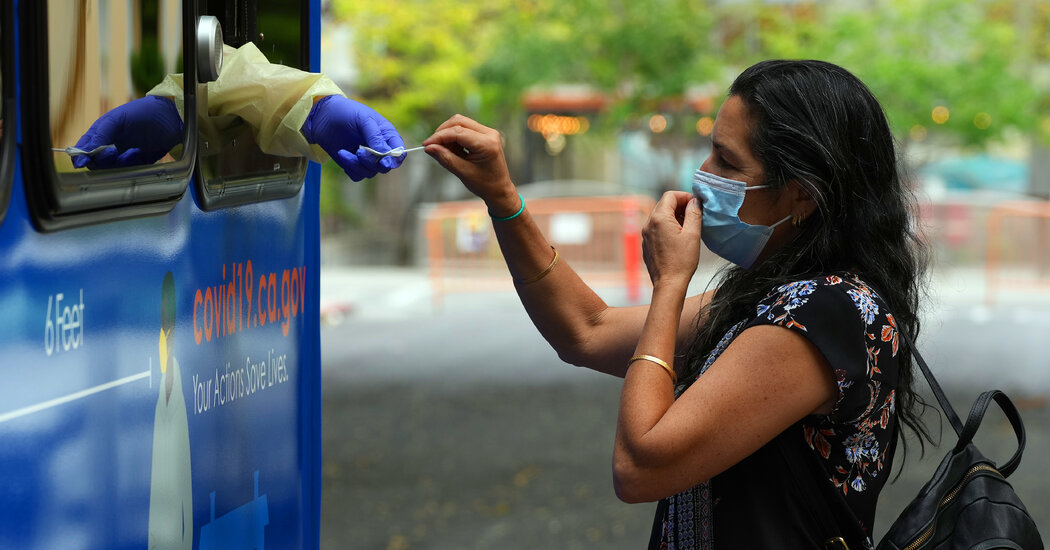
Is XBB.1.5 common?Worldwide, XBB.15 is still fairly rare. As of early January, it accounted for less than 1 percent of coronaviruses being sequenced. For now, it is most common in certain hot spots, like the northeastern United States, where it makes up about three-quarters of new cases.Is XBB.1.5 a cause for serious concern?Yes. Even though it is still rare, it is multiplying much faster than other subvariants of Omicron. However, many experts doubt it will produce a record-breaking wave of infections the way Omicron did in early 2021.

Read more →

'We couldn't get an ambulance and my husband died'

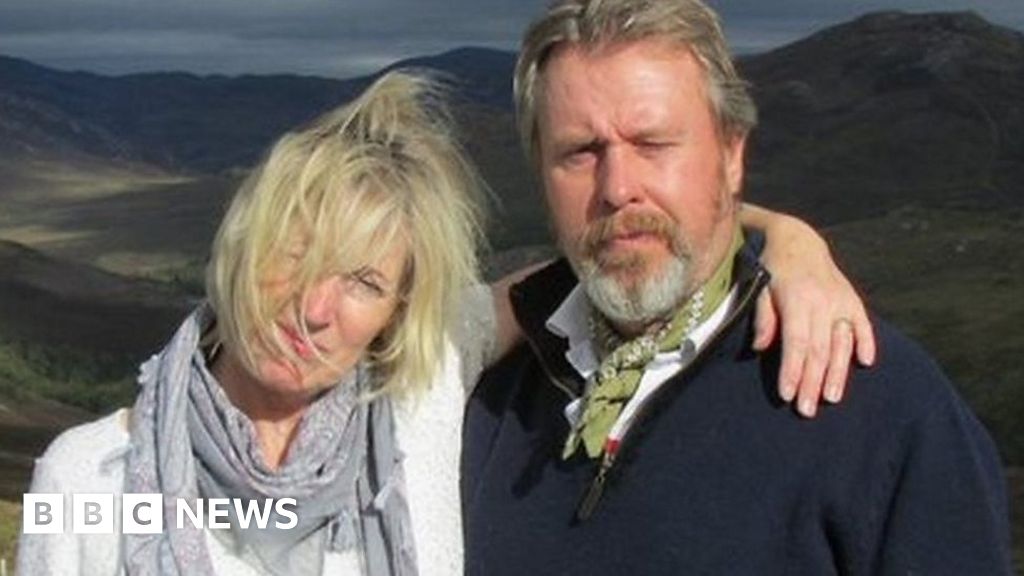
Ambulance bosses have apologised to the family of a man who died after he had a heart attack but no ambulance came.Martin Clark, 68, started suffering with chest pains at his home in East Sussex on 18 November – before any strike action started in the NHS.His family rang three times for an ambulance and after waiting 45 minutes drove him in their car to hospital.He died after arriving at hospital.Average waiting times in England for category 2 999 calls in November, when Martin died, were the worst since records began.

Read more →

Faster knee for better walking

Osaka Metropolitan University scientists delved into the relationship between gait function and knee extension velocity after total knee arthroplasty and compared the effects of various factors on walking. The results reveal that knee extension velocity, measured while seated, on the operated side was the most important determinant of gait function. These findings are expected to contribute to the development of new rehabilitation programs for efficient gait function improvement.
“Speed or strength, which is more important?” may be a critical question for not only athletes but also knee surgery patients. Osaka Metropolitan University scientists have revealed that knee extension velocity while seated is a stronger predictor of walking performance than muscle strength in elderly patients after their total knee arthroplasty (TKA) surgery.
TKA is the most common surgical intervention for knee osteoarthritis, a musculoskeletal disorder that mainly progresses with age. This surgery has been shown to be effective in relieving pain and restoring joint range of motion; however, TKA-enabled improvement in gait function may not be sufficient. Although the strength of the quadriceps — a muscle used to extend the knee — has been deemed to have a significant effect on postoperative gait function in TKA patients, there are many cases in which gait function does not improve even after quadriceps strength is restored. This raises a need to identify other factors influencing gait function.
A research team led by Professor Akira Iwata, from the Graduate School of Rehabilitation Science at Osaka Metropolitan University, hypothesized that the movement velocity of knee extension (i.e., knee extension velocity) is a strong determinant of gait function in TKA patients, and tested this hypothesis on 186 elderly patients who underwent TKA. Measurements were taken before and at 2 and 3 weeks after surgery and included gait function (gait speed and Timed Up and Go test), knee extension velocity, quadriceps strength, knee range of motion, and knee pain. Multiple regression analysis was performed to analyze the relationship between gait function and other variables.
The results show that the knee extension velocity on the operated side was the most important predictor of gait function in the participating patients. The findings were published in PLOS ONE.
“Thus far, rehabilitation programs aimed at recovering gait function after TKA surgery have focused on training to improve quadriceps strength,” explained Professor Iwata. “However, this study’s results suggest that training to enhance knee extension velocity on the operated side could be effective. We will continue to examine the effects of rehabilitation that concentrates on movement velocity.”

Read more →

Screen-printing method can make wearable electronics less expensive

The glittering, serpentine structures that power wearable electronics can be created with the same technology used to print rock concert t-shirts, new research shows.
The study, led by Washington State University researchers, demonstrates that electrodes can be made using just screen printing, creating a stretchable, durable circuit pattern that can be transferred to fabric and worn directly on human skin. Such wearable electronics can be used for health monitoring in hospitals or at home.
“We wanted to make flexible, wearable electronics in a way that is much easier, more convenient and lower cost,” said corresponding author Jong-Hoon Kim, associate professor at the WSU Vancouver’s School of Engineering and Computer Science. “That’s why we focused on screen printing: it’s easy to use. It has a simple setup, and it is suitable for mass production.”
Current commercial manufacturing of wearable electronics requires expensive processes involving clean rooms. While some use screen printing for parts of the process, this new method relies wholly on screen printing, which has advantages for manufacturers and ultimately, consumers.
In the study, published in the ACS Applied Materials and Interfaces journal, Kim and his colleagues detail the electrode screen-printing process and demonstrate how the resulting electrodes can be used for electrocardiogram monitoring, also known as ECG.
They used a multi-step process to layer polymer and metal inks to create snake-like structures of the electrode. While the resulting thin pattern appears delicate, the electrodes are not fragile. The study showed they could be stretched by 30% and bend to 180 degrees.
Multiple electrodes are printed onto a pre-treated glass slide, which allows them to be easily peeled off and transferred onto fabric or other material. After printing the electrodes, the researchers transferred them onto an adhesive fabric that was then worn directly on the skin by volunteers. The wireless electrodes accurately recorded heart and respiratory rates, sending the data to a mobile phone.
While this study focused on ECG monitoring, the screen-printing process can be used to create electrodes for a range of uses, including those that serve similar functions to smart watches or fitness trackers, Kim said.
Kim’s lab is currently working on expanding this technology to print different electrodes as well as entire electronic chips and even potentially whole circuit boards.
In addition to Kim, co-authors on the study includes researchers from the Georgia Institute of Technology and Pukyong National University in South Korea as well as others from WSU Vancouver. This research received support from the National Science Foundation.

Read more →

Fall rate nearly 50% among older Americans with dementia

With falls causing millions of injuries in older adults each year, it is an increasingly important public health concern. Older adults living with dementia have twice the risk of falling and three times the risk of incurring serious fall-related injuries, like fractures, compared to those without dementia. For older adults with dementia, even minor fall-related injuries can lead to hospitalization and nursing home admission. A new study from researchers in Drexel University’s College of Nursing and Health Professions, has shed light on the many and varied fall-risk factors facing older adults in community-living environments.
Recently published in Alzheimer’s & Dementia: The Journal of the Alzheimer’s Association, the research led by Safiyyah Okoye, PhD, an assistant professor at Drexel, and Jennifer L. Wolff, PhD, a professor at Johns Hopkins Bloomberg School of Public Health, examined a comprehensive set of potential fall-risk factors — including environmental factors, in addition to health and function — in older community-living adults in the United States, both with and without dementia.
“Examining the multiple factors, including environmental ones like a person’s home or neighborhood, is necessary to inform fall-risk screening, caregiver education and support, and prevention strategies for this high-risk population of older adults,” said Okoye.
Despite awareness of this elevated risk, there are very few studies that have examined fall-risk factors among people with dementia living in a community setting (not nursing homes or other residential facilities). The studies that do exist, overwhelmingly focus on health and function factors. According to the authors, this is the first nationally representative study to compare a comprehensive set of potential risk factors for falls for older Americans living with dementia to those without dementia.
The research team examined data from the 2015 and 2016 National Health and Aging Trends Study (NHATS), a population-based survey of health and disability trends and trajectories of adults 65 and older in the U.S. They were able to obtain potential sociodemographic, health and function predictors of falls, as well as potential social and physical environmental predictors.
Data from NHATS showed that nearly half (45.5%) of older adults with dementia had experienced one or more falls in 2016, compared to less than one third (30.9%) of older adults without dementia.
Among older adults living with dementia, three characteristics stood out as significantly associated with a greater likelihood of falls: a history of falling the previous year; impaired vision; and living with others (versus alone). For older adults without dementia, financial hardship, a history of falling, fear of falling, poor lower extremity performance, depressive symptoms and home disrepair were strongly associated with increased risk of falls.
While prior history of falling and vision impairment are well-known risk factors for falls among older adults in general; the researchers’ findings indicate that these were strong risk factors for falls among people living with dementia. According to the team, this suggests that people living with dementia should be assessed for presence of these characteristics. If they’re present, the individuals should receive further assessment and treatment, including examining their feet and footwear, assessing their environment and ability to carry out daily living activities, among other items.
The finding that older adults living with dementia who lived with a spouse or with non-spousal others had higher odds of experiencing a fall, compared to those who lived alone, highlights that caregiver support and education are understudied components of fall prevention programs for older adults with dementia who live with family caregivers, and deserve greater attention from clinicians, researchers and policy makers.
“Overall, our findings demonstrate the importance of understanding and addressing fall-risk among older adults living with dementia,” said Okoye. “It confirms that fall-risk is multidimensional and influenced by environmental context in addition to health and function factors.”
The results of the study indicate the need to further investigate and design fall-prevention interventions, specifically for people living with dementia.
“To decrease the high rates of falls among older adults with dementia, additional tailored fall-risk screening and fall-prevention interventions should be developed and tested,” said Okoye.

Read more →

Falling birth rate in US not due to less desire to have children

While some people are concerned about America’s falling birth rate, a new study suggests young people don’t need to be convinced to have more children.
In fact, young Americans haven’t changed the number of children they intend to have in decades.
Women born in 1995-1999 wanted to have 2.1 children on average when they were 20-24 years old — essentially the same as the 2.2 children that women born in 1965-1969 wanted at the same age, the study found.
Still, the total fertility rate in the United States was 1.71 in 2019, the lowest level since the 1970s.
What’s going on?
The results suggest that today’s young adults may be having a more difficult time achieving their goals of having children, said Sarah Hayford, co-author of the study and professor of sociology at The Ohio State University.

The data in the study can’t explain why, but the results fit evidence indicating that young people today don’t think now is a good time for them to have children.
“It’s hard to have children in the United States right now,” said Hayford, who is also director of Ohio State’s Institute for Population Research.
“People feel more worried about the future than they might have been several decades ago. They worry about the economy, child care and whether they can afford to have children.”
Hayford conducted the study with Karen Benjamin Guzzo, professor of sociology at the University of North Carolina at Chapel Hill and director of the Carolina Population Center. Their results were published online Jan. 10, 2023 in the journal Population and Development Review.
The researchers used data from the National Survey of Family Growth, which has been asking people about their childbearing goals and behaviors for several decades.

The NSFG doesn’t interview the same people each time, but it allowed the researchers to track a group of people born around the same time — a cohort, as scientists call these groups — as they passed through their childbearing years.
They looked at 13 cohorts of women and 10 cohorts of men born between the 1960s and the 2000s. They were all asked how many children they intended to have, if any.
“Americans have been pretty consistent with how many children they say they want to have from the 60s to the 2000s,” Hayford said. “Men generally say they want slightly fewer children than women do, but, like women, their preferred number of children hasn’t changed much.”
The percentage of people who said they don’t plan to have any children has increased, from about 5-8% in the 1960s and 1970s to 8-16% in the 1990s and 2000s. But that alone can’t explain the decline in the number of babies being born.
Hayford noted that the number of unintended births, especially among people in their 20s, has declined in recent decades, which has helped reduce the birth rate.
“But that doesn’t change the fact that people aren’t having as many children as they say they want, especially at earlier ages,” Hayford said.
“It may be that they’re going to have those kids when they’re 35, but maybe they won’t.”
For example, the study found some evidence that people are reducing the number of children they say they intend to have as they get older.
“As they age, they may be realizing how hard it is to have kids and raise kids in the United States and they’re saying they only want to have the one child, and don’t want a second one,” she said.
In addition, would-be parents may have more difficult conceiving as they get older.
Larger economic and social forces are also having an impact on birth rates.
The birth rate declined significantly during the Great Recession that started in 2008, which is a typical response to an economic downturn. However, the birth rate continued to decline even after the recession was over, Hayford said.
This study ended before COVID-19, but the pandemic served as another fertility shock, at least at first.
“It remains to be seen whether fertility will be able to rebound not just from the Great Recession, but from the pandemic as well,” she said.
For those who are concerned about America’s dropping birth rates, this study suggests that there is no need to pressure young people into wanting more kids, Hayford said.
“We need to make it easier for people to have the children that they want to have,” she said. “There are clear barriers to having children in the United States that revolve around economics, around child care, around health insurance.”
The research was supported by grants from the Eunice Kennedy Shriver National Institute of Child Health and Human Development.

Read more →