Scientists discover a new way to help prevent breast cancer 'time bomb'

Scientists have discovered why breast cancer cells that have spread to the lungs may ‘wake up’ following years of sleep — forming incurable secondary tumours.
Their research, funded by Breast Cancer Now, reveals the mechanism that triggers this breast cancer ‘time bomb’ — and suggests a strategy to defuse it.
Patients with oestrogen receptor positive (ER+) breast cancer — the most common type — have a continued risk of their cancer recurring in another part of their body for many years or even decades after their original diagnosis and treatment.
When breast cancer cells spread from the first cancer in the breast to other parts of the body it is called secondary or metastatic breast cancer and although treatable, it can’t be cured.
The new research, published today (Monday 13th March) in the journal Nature Cancer, showed how molecular changes within the lung that occur during ageing can support the growth of these secondary tumours.
The team at The Institute of Cancer Research, London, found that the PDGF-C protein, which is present in the lung, plays a key role in influencing whether inactive breast cancer cells stay asleep or ‘wake up’.

They discovered that if the level of PDGF-C increases, which is more likely in an ageing lung or when its tissue becomes damaged or scarred, it can cause the dormant cancer cells to grow and develop into secondary breast cancer.
The researchers then explored whether blocking PDGF-C activity could help prevent the ‘reawakening’ of these cells and the growth of secondary tumours.
Working with mice with ER+ tumours, researchers in the Breast Cancer Now Toby Robins Research Centre at The Institute of Cancer Research targeted PDGF-C signalling with an existing cancer growth blocker called imatinib, which is currently used to treat patients with chronic myeloid leukaemia.
The mice were treated with the drug both before and after the tumours had developed. For both groups, the cancer growth in the lung was significantly reduced.
Up to 80% of primary breast cancers are ER+ and there are around 44,000 cases in the UK each year*.

Dr Frances Turrell, postdoctoral training fellow in the Division of Breast Cancer Research at The Institute of Cancer Research, London, said:
“Cancer cells can survive in distant organs for decades by hiding in a dormant state. We’ve discovered how aging lung tissue can trigger these cancer cells to ‘reawaken’ and develop into tumours, and uncovered a potential strategy to ‘defuse’ these ‘time bombs’. We now plan to better unpick how patients might benefit from the existing drug imatinib, and in the long term aim to create more specific treatments targeted at the ‘reawakening’ mechanism.”
Professor Clare Isacke, Professor of Molecular Cell Biology at The Institute of Cancer Research, London, said:
“This is an exciting stride forward in our understanding of advanced breast cancer — and how and why breast cancer cells form secondary tumours in the lungs.
“Next we need to pin point when these age-related changes happen and how they vary between people, so that we can create treatment strategies that prevent cancer cells ‘reawakening’.”
Dr Simon Vincent, director of research, support and influencing at Breast Cancer Now, which funded the study, said: “We know that for years after finishing breast cancer treatment many women fear the disease returning. With an estimated 61,000 people living with secondary breast cancer in the UK, more research to understand and treat it is vital.
“This exciting discovery brings us a step closer to understanding how we can slow down or stop the development of ER+ secondary breast cancer in the lung. It has the potential to benefit thousands of women living with this ‘time bomb’ in the future, ensuring fewer patients receive the devastating news the disease has spread.”
Rachel Davies, 38, lives in Swansea with her husband David, 38, and son Charlie, 16. She was diagnosed with ER+ breast cancer in 2021 and underwent a mastectomy, lymph node removal, chemotherapy and radiotherapy.
Following a scan in May 2022, three months after finishing treatment, Rachel was told the cancer had spread to her sternum and later her spine. She is now receiving a targeted cancer drug called ribociclib and hormone therapy and has a scan every three months.
Rachel said: “I’ve seen some women finish treatment and ring that bell and celebrate it being over, and this always worries me as you can never be complacent that it won’t return. Finding out the cancer had spread when I thought it was all in the past was heartbreaking. That’s why it’s so important that research into secondary breast cancer happens so we can find new ways to stop women going through what I’m experiencing.
“My life is very different now as I had to leave my job in adult social services and give up the degree I was studying for. But I remain positive and I try not to let it get to me. It’s made me appreciate things more and I think it has made me a better person. Research like this gives me hope for women being treated for breast cancer in the future. I don’t want to waste my precious time being bitter or angry.”


Read more →

The right cocktail of gut enzymes can stop c. diff in its tracks

Not all probiotics are created equal. In a new study, researchers found that certain enzymes within a class known as bile salt hydrolases (BSHs) can restrict Clostridioides difficile (C. diff.)colonization by both altering existing bile acids and by creating a new class of bile acids within the gut’s microbial environment. The work could lead to “designer” probiotics that protect against disease by introducing specific BSHs to the gut after antibiotic treatment.
Selecting the right suite of BSH-producing bacteria is critical, because the study found that interactions between BSHs and bile acids differ depending upon the type of bacteria the BSHs come from.
Certain bacteria within the gut microbiota contain BSH enzymes, which chemically modify bile acids. Bile acids are made in the liver and play an important role in modulating cholesterol levels, regulating fat absorption, shaping the immune system, and affecting which bacteria can colonize the gut.
Although researchers had long suspected a connection between BSHs from beneficial bacteria, the bile acid pool, gut microbial composition and host health, until now relatively little was known about how BSHs function and their potential impacts on host health.
“The old dogma — that BSHs are needed for gut colonization because they render toxic bile acids non-toxic — oversimplified what’s actually happening,” says Casey Theriot, associate professor of infectious disease at North Carolina State University and co-corresponding author of the study.
“The reality is that BSHs’ interactions are context-dependent, meaning they’re affected by the type of bacteria they come from,” Theriot says. “And they don’t just interact with bile acids produced by the host. BSHs in the microbiota can create and interact with a new class of bile acids called microbial conjugated bile acids (MCBAs) — bile acids that we didn’t even know existed until recently.”
In the new study, Theriot led a collaborative research team that included microbiologists, chemists, biochemists, and clinicians from NC State, the University of North Carolina at Chapel Hill, and the University of California, San Diego on a deep dive into BSHs.

Specifically, they looked at hundreds of BSHs from different Lactobacillaceae bacteria (which houses most probiotic strains) and then included BSHs from the gut microbiota (nearly 1,000 unique BSHs in total).
Matthew Redinbo, Kenan Distinguished Professor of Chemistry in UNC-Chapel Hill’s College of Arts and Sciences, and his departmental colleagues (led by then graduate student Morgan Walker) were instrumental in determining the structure of BSHs and how they “choose” to interact with bile acids, by either adding or taking away certain amino acids.
“We found the tiny molecular fingerprint that defined whether a BSH would ‘turn left’ or ‘turn right’ in terms of what they processed,” Redinbo says. “Knowing that allowed Casey’s team to steer the bile acid pool in whatever direction they wanted.”
The researchers used a cocktail of Lactobacillus BSHs to figure out if they could change the bile acid pool enough to alter C. diff colonization in both human stool samples collected from patients susceptible to C. diff infection (CDI) and in a mouse model of CDI. In both human stool samples and mice, the researchers saw that pre-treatment with BSH cocktails impacted C. diff colonization. Interestingly, the researchers noted elevated levels of MCBAs in the gut microbiota of the BSH-treated mice.
To determine whether the MCBAs were also involved in inhibiting C. diff germination and growth, they tested the MCBAs against C. diff in vitro. In most cases, the presence of MCBAs inhibited multiple steps of the C. diff life cycle.

“This is more evidence that BSHs are driving changes in the bile acid pool — including making MCBAs — that could serve to inhibit C. diff,” Theriot says. “We’ve uncovered a new function for BSH enzymes.”
“This work highlights the importance of BSHs as key intestinal enzymes and promising new therapeutics,” says Matt Foley, research scholar at NC State and co-first author of the study. “Using BSHs in combination with other strategies may offer a new approach to treat C. diff.”
The researchers see the work as the first step toward potential probiotics that could be customized to protect against a variety of bacterial infections and intestinal diseases. But first, more work must be done to determine how and why the BSHs decide which MCBAs to produce and/or target.
“This is an important illustration of how deciphering the biochemical and genetic basis for probiotic functionality both leads to a better understanding of how we can combat gut disease with novel modalities, and also practically design and formulate next-generation commercial probiotics,” says Rodolphe Barrangou, the Todd R. Klaenhammer Distinguished Professor in Probiotics Research at NC State and co-corresponding author of the study.
The work appears in Nature Microbiology and was supported by the National Institutes of Health, the National Science Foundation, IFF Corporation and the U.S. Environmental Protection Agency. The MCBA detection work was done by Erin Baker, formerly of NC State and currently at UNC-Chapel Hill, Allison Stewart of NC State, and Emily Gentry and Pieter Dorrestein from UCSD.

Read more →

Triggering bitter taste receptors could someday treat asthma, COPD

Surprisingly, bitter taste receptors are not only located in the mouth, but also elsewhere in the body, including the airways. Activating those receptors opens up lung passageways, so they’re a potential target for treating asthma or chronic obstructive pulmonary disease (COPD). Now, researchers report in ACS’ Journal of Medicinal Chemistry that they have designed a potent and selective compound that could lead the way to such therapies.
Among the 25 different types of bitter taste receptors, the TAS2R14 subtype is one of the most widely distributed in tissues outside the mouth. Scientists are uncertain about the structure of the receptor, and they haven’t identified the particular compound or “ligand” in the body that activates it. However, a few synthetic compounds, such as the nonsteroidal anti-inflammatory drug (NSAID) flufenamic acid, are known to bind to and activate TAS2R14s. But these compounds aren’t very potent, and they don’t have similar structural features. These difficulties make it challenging to create a better ligand. Nevertheless, Masha Niv, Peter Gmeiner and colleagues used flufenamic acid as a starting point to design and synthesize analogs with improved properties. Next, the team wanted to extend that work to develop a set of even better TAS2R14 ligands.
Building on their earlier findings that certain types of structures enhanced potency, the researchers made several new variations. They tested these compounds in a cell-based assay that measures receptor activation. This approach revealed that replacing a phenyl ring with a 2-aminopyrimidine and substituting a tetrazole for a carboxylic acid group was a promising strategy. One of the new ligands was six times more potent than flufenamic acid, meaning less of the compound was needed to produce a similar response as the NSAID. This ligand was also highly selective for TAS2R14 compared to non-bitter taste receptors, which could potentially minimize side effects. The new compounds will help shed light on the structure, mechanism and physiological function of bitter taste receptors and guide development of drug candidates to target them, the researchers say.

Read more →

How an Opioid Settlement Hinders Patients’ Access to ADHD Medication and Other Drugs

An agreement between attorneys general and major drug distributors increased scrutiny on medications for A.D.H.D., addiction, anxiety and pain.Nearly a year after a sweeping opioid settlement imposed new requirements on the companies that provide medications to pharmacies, patients across the United States are having difficulty obtaining drugs to treat many conditions, including anxiety, attention deficit hyperactivity disorder and addiction.The $21 billion settlement, which was brokered between the three largest American pharmaceutical distributors and the attorneys general of 46 states, was designed in part to correct practices that had flooded the country with prescription painkillers, contributing to the nation’s opioid crisis. Distributors are placing stricter limits on drug supplies to individual pharmacies and heavily scrutinizing their dispensing activity.But the oversight is not limited to opioids: It applies to an array of drugs known as controlled substances that have the potential to be addictive or habit-forming, such as muscle relaxants or medications like Xanax, used to treat anxiety and panic disorders.As a result, tens of thousands of drug orders have been canceled, disrupting the flow of medication nationwide as the distributors — powerful but little-known wholesalers — navigate the line between implementing safeguards and making necessary drugs available.Ilisa Bernstein, chief executive of the American Pharmacists Association, said that the controls, which took effect in July, had created “havoc” for some pharmacies.“They have patients coming in to get medication, and they can’t have it,” Ms. Bernstein said. “It’s disrupting patient care.”The distributors use algorithms that cap the quantities of controlled substances a pharmacy can sell in a month. Before the settlement, pharmacists said, they could explain to a distributor the reason for a surge in demand and still receive medications past their limits. Now the caps appear to be more rigid: Drugs are cut off with no advance notice or rapid recourse. As a condition of the settlement, distributors cannot tell pharmacies what the thresholds are.Distributors are also monitoring orders that appear to mirror the practices of pill mills that blanketed the country with opioids, including the dispensing of certain combinations of drugs — such as opioids and sedatives — or filling orders for people who live far away. Attorneys general who led the settlement talks had accused distributors of asking few questions and profiting heavily as they shipped billions of deadly pills to communities devastated by overdoses.But some doctors said that legitimate prescriptions were being caught in the dragnet, while pharmacists said they were declining to dispense some medications for fear of setting off triggers.Distributors can investigate and resolve red flags if they are satisfied by a pharmacy’s explanation, but they can also stop supplying them with controlled drugs altogether.Fentanyl Overdoses: What to KnowCard 1 of 6Devastating losses.

Read more →

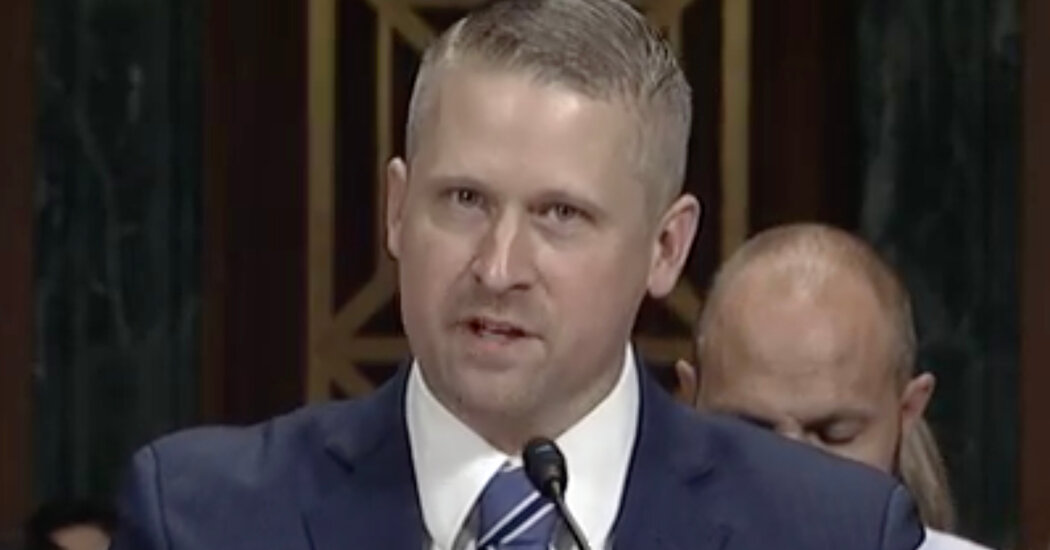
Judge in Abortion Pill Case Set Hearing but Sought to Delay Telling the Public

Saying he wanted safe and orderly proceedings, Judge Matthew J. Kacsmaryk asked lawyers not to disclose the hearing and planned to add it to the public case file only the evening before. The federal judge in a closely watched lawsuit that seeks to overturn federal approval of a widely-used abortion pill has scheduled the first hearing in the case for this week, but he planned to delay making the public aware of it, according to people familiar with the case. Judge Matthew J. Kacsmaryk, of the Northern District in Texas, told lawyers in the case on Friday that he was scheduling the hearing for Wednesday morning. However, he asked them not to disclose that information and said he would not enter it into the public court record until late Tuesday evening. One person familiar with the case, which is being heard in federal court in Amarillo, Texas, said such steps were “very irregular,” especially for a case of intense public interest. Judge Kacsmaryk, a Trump appointee who has written critically about Roe v. Wade and previously worked for a Christian conservative legal organization, told lawyers in a conference call Friday that he did not want the March 15 hearing to be “disrupted,” and that he wanted all parties involved to share their points in an orderly fashion, according to people familiar with the discussion. The judge also said that court staff had faced security issues, including death threats, and that the measure was intended to keep the court proceedings safe. The lawsuit, filed in November against the Food and Drug Administration by a coalition of anti-abortion groups and doctors, seeks to end more than 20 years of legal use of medications for abortion. The plaintiffs, led by the Alliance for Hippocratic Medicine, an organization that lists five anti-abortion groups as its members, have asked the judge to issue a preliminary injunction ordering the F.D.A. to withdraw its longstanding approval of mifepristone, the first pill in the two-drug medication abortion regimen. At the hearing, lawyers representing the plaintiffs, the F.D.A. and a manufacturer of mifepristone will present arguments for and against an injunction. It is unclear if the judge will decide whether to issue an order that day or sometime later. Such an order would be unprecedented, legal experts say, and — if higher courts were to allow an injunction to stand — would make it harder for patients to get abortions in states where abortion is legal, not just in those trying to restrict it. Medication abortion is already used in more than half of abortions in the United States. That proportion has been increasing as conservative states impose abortion bans or sweeping restrictions in the wake of the Supreme Court’s decision to overturn the national right to abortion last June.The Washington Post earlier reported on the Friday call and upcoming hearing.In asking the lawyers to keep quiet about the hearing, the judge did not issue a gag order, which would bar the participants on the call from sharing the information. Rather, he asked them to keep the information secret “as a courtesy.”He said that the court would provide seating for the public and the press, but his plan to provide little advance notice seemed likely to have the practical effect of minimizing the number of people who would attend, according to people familiar with the discussion. Amarillo, in the Texas Panhandle, is several hours drive from other major Texas cities, and only a couple of those cities provide direct flights. On Friday, the public court record showed subtle signs that something unusual had occurred. That morning, the first new entry in 10 days was added to the case’s docket: a notice of appearance for a Justice Department lawyer, a standard document usually added to a case in advance of an upcoming proceeding, but the docket did not show any proceeding. In addition, there was a gap in the numerical listing of documents in the docket — document 124 was missing — suggesting that a recent entry had been sealed. People familiar with the case said the sealed document referred to the Friday meeting between the judge and the lawyers. After the meeting, the participants shared Judge Kacsmaryk’s request with their team members, who noted that it was unusual to hold the status conference under seal and to keep the public from knowing about the hearing. The federal government generally objects to closed hearings unless there they are necessary to protect national security interests. The lawsuit claims that the F.D.A. did not adequately review the scientific evidence or follow proper protocols when it approved mifepristone in 2000 and that it has since ignored safety risks of the medication. The lead plaintiff, the Alliance for Hippocratic Medicine, was incorporated in August in Amarillo, shortly after the Supreme Court overturned Roe v. Wade. Judge Kacsmaryk is the only federal judge covering the Amarillo division in the court’s Northern District.The F.D.A. and the Department of Justice have strongly disputed the lawsuit’s claims and said the F.D.A.’s rigorous reviews of mifepristone over the years had repeatedly reaffirmed its decision to approve mifepristone, which blocks a hormone that allows a pregnancy to develop. In a court filing, the F.D.A. said that overturning its approval of mifepristone would “cause significant harm, depriving patients of a safe and effective drug that has been on the market for more than two decades.”If the judge issues a preliminary order to bar access to mifepristone, the federal government is expected to immediately appeal and to seek a stay of the injunction while the trial proceeds. Legal experts said that even if the preliminary injunction remained in place, there were several legal options that could allow the manufacturers of mifepristone to continue supplying the drug and providers to continue prescribing it to patients.If legal access to mifepristone is blocked, some abortion providers plan to provide only the second abortion medication, misoprostol, which is used safely on its own in many countries. Misoprostol, which is approved for other medical uses, causes contractions similar to a miscarriage and is considered slightly less effective on its own than in combination with mifepristone and more prone to cause side effects like nausea.In the lawsuit, the plaintiffs also seek to ban the use of misoprostol for abortion, but their request for a preliminary injunction focused on mifepristone.Many patients would also likely still be able to order both mifepristone and misoprostol from telemedicine abortion services based in other countries. Still, such a ruling would create confusion and difficulty for patients and providers across the country. Legal experts said that it would also be the first time that a court had acted to order that a drug be removed from the market over the objection of the F.D.A. and that if such a ruling stood, it could have repercussions for federal authority to regulate other types of drugs.

Read more →

Vasectomies even safer than reported, doctors say

Published1 day agoShareclose panelShare pageCopy linkAbout sharingImage source, Getty ImagesBy Michelle RobertsDigital health editorVasectomies are much safer than reported and patient information leaflets need updating to reflect this, UK doctors who completed a review say.Some post-op swelling and soreness is to be expected but serious risks are extremely rare, they say.The team, who are presenting their work at a medical conference in Milan, checked 94,000 procedures for bad complications such as infection. The surgery, usually under local anaesthetic, takes 15 minutes. What is a vasectomy?The surgery seals off the tube sperm swim down after leaving the testicles It involves a small cut or puncture in the skin of the scrotum, which can be closed with dissolving stitchesThe testes still make sperm but it is safely reabsorbed instead of releasedSperm makes up very little of semen and the surgery does not affect ejaculation, testosterone production or the drive or ability to have sexA day or two of rest is recommended and sport and heavy lifting should be avoided for at least a weekIt usually succeeds but doctors advise using contraception for a few months as some sperm can still be presentDoctors tend to advise against having a vasectomy under the age of 30It is not a decision that should be taken quickly or without full considerationA reversal to restore fertility will not always work and is likely to have to be carried out privately, which could cost thousands of poundsA couple of weeks ago, in a video post on Instagram, Jordan Banjo, 30, of the dance troupe Diversity, revealed he had just had a vasectomy.As he walks tentatively back to the car, his wife, Naomi, pregnant with their third child, is heard asking him, : “Was it bad?” to which he replies: “No – the pain’s not the problem,” and goes on to joke about his personal experience of the procedure. The next day, he shared a selfie captioned “It’s a tender morning,” but in later television interviews said the surgery “isn’t bad”.Men face two-year wait for vasectomiesMales contraceptive pill prototype stops sperm swimmingIn the US, men have been uploading footage of their vasectomies to TikTok, as interest in the surgery has increased following the US Supreme Court’s decision to remove women’s right to abortion in some states.For the study, the Association of Surgeons of Primary Care researchers asked patients to:complete a questionnaire on the day of the operation record any problems four months laterAbout one in every 1,000 (0.2%) experienced chronic scrotal pain, one of the most significant complications. Yet a commonly used patient information leaflet says this affects up to one in 20. Similarly, rates of post-op infection needing antibiotics are quoted as 2-10% but the team found it was just over 1%. And just under 2% of the men in the study developed a blood clot or haematoma of the scrotum, while patient leaflets say the risk is 2-10%. Gloucestershire Hospitals NHS Foundation Trust senior registrar Julian Peacock, who headed the review with consultant urological surgeon John Henderson said some of the risk data in the leaflets dated back to the 1980s and having more up-to-date information for patients was vital. “Vasectomy is a very reliable and safe contraception method,” he said. “We hope our research will be incorporated in the guidelines that provide information for pre-vasectomy counselling and leaflets.”Dr Sophie Nicholls from the Faculty of Sexual and Reproductive Healthcare said: “It’s really good to have up-to-date information that we can provide to patients so that they can make an informed choice about their care. “Many who have had one done are pleasantly surprised that it was a quick and simple procedure that was not too uncomfortable. “But it is something that people need to think about and make sure that it is the right decision for them.”More on this storyManx men face two-year wait for vasectomies12 July 2022Male contraceptive pill prototype stops sperm swim14 FebruaryAround the BBCVasectomy- The US men embracing permanent birth control – BBC WorklifeBBC World Service – Why are more US men seeking vasectomies?Related Internet LinksVasectomy (male sterilisation) – NHSFaculty of Sexual and Reproductive HealthcareThe BBC is not responsible for the content of external sites.

Read more →

A National Medical License May Ease Canada’s Doctor Shortages

The Canadian Medical Association is pushing for a single license to eliminate the barriers between provinces and territories.It won’t end the pronounced shortage of physicians that’s plaguing many parts of Canada. But the Canadian Medical Association has an idea that it thinks might help.Applying for a medical license in another province is costly and time-consuming.Jackie Dives for The New York TimesIts proposal seems simple: a single medical license that allows doctors to practice without restrictions anywhere in the country. But like many ideas in the fractured world of Canadian federalism, introducing it is a daunting task.I spoke with Dr. Alika Lafontaine, the president of the medical association, who practices anesthesia in Grande Prairie, Alberta. While he acknowledged that the idea of a single medical license had been promoted on and off over two decades with no success, he said he was confident that the widespread turmoil and staff shortages in the medical system that emerged during the pandemic might mean that its time has finally arrived.“What’s really shifted is the ability for Canadians to wrap their head around how much of a simple solution this actually is,” said Dr. Lafontaine, the first Indigenous person to lead the physicians’ association. “The moment that we’re in right now is one where Canadians are realizing the existing system doesn’t really make a ton of sense for what patients actually do when they move throughout the health care system. It doesn’t make any sense for how providers move throughout the health care system.”Like members of all licensed professions in Canada, physicians are licensed and supervised by provinces and territories. That, Dr. Lafontaine said, brings considerable inflexibility to the system. Doctors who are available to work are unable to cross provincial borders to help when there’s a staffing shortage in another province — a particularly acute need in remote communities — or to fill in during gaps like parental leaves. Nor can they serve patients in other provinces using telehealth, Dr. Lafontaine said. If doctors were more mobile, they could reduce the need to fly patients to large regional hospitals.Becoming licensed in other provinces is a formidable task. While it varies by province, just registering involves extensive paperwork, takes months and costs about 2,000 Canadian dollars for a single province. On top of that, there’s an annual fee. In Alberta’s case, for example, that comes to 2,200 dollars.“It costs a lot of money to hold two licenses or three licenses,” Dr. Lafontaine said.There have been recent developments to support Dr. Lafontaine’s optimism. On May 1, the four medical licensing bodies in Atlantic Canada will open a registry for doctors who want to work in any of the four provinces.Earlier this year, Doug Ford, the premier of Ontario, promised to introduce legislation that would allow the province to recognize the credentials of doctors and nurses licensed in other provinces.Some critics of national licensing worry that if doctors can practice anywhere, some regions may suddenly be abandoned by their health care workers. Dr. Lafontaine dismissed that.The Hospital for Sick Children in Toronto. More mobility for doctors could reduce the number of patients flown from small centers to large hospitals.Carlos Osorio/ReutersJacob Shelley, a professor who teaches in the law and medical schools at Western University in London, Ontario, told me that he agreed that it was unlikely that significant numbers of doctors would pack up and move if they had a license to work anywhere in the country. He said that getting another license was more of a nuisance than a barrier for doctors intending to make a permanent move. The far bigger issue, he said, will be getting “political buy-in” from the provinces and territories to cede their powers to a single licensing body.Two factors, he said, may help the medical association’s cause. The increasing privatization of health care services in several provinces may create political pressure for the creation of a more flexible system. And the Covid pandemic, he said, has opened debate about the need for changes to the health care system.But he anticipates that partial measures may prevail. One outcome, Professor Shelley said, might be a system in which the 13 medical licensing and disciplinary bodies remain but the provinces agree, as they now do with drivers’ licenses, to recognize one another’s credentials — what Ontario is effectively proposing. Another alternative, he said, may be some sort of national passport as a supplement to provincial licenses for doctors and nurses looking for mobility.“There are some significant challenges introducing this type of system, although the benefit of it is important,” he said. “A lot of the regulatory environment presently feels a little bit like they’re protecting their turf.”Trans CanadaSome of Toronto’s most interesting cuisine is found far from the city’s center.Tara Walton for The New York TimesMy colleague Norimitsu Onishi explored the vast array of multicultural foods on offer in Toronto’s Scarborough area. “Many lack seating, and are squeezed in aging, low-slung strip malls, next to coin laundromats or nail salons,” he writes. “They are often little known by diners beyond their immigrant patrons, offering dishes that — mixing memory and desire — spring from recipes that were popular in their owners’ home countries decades ago.”Gordon Pinsent, the twinkle-eyed actor from Newfoundland known to many Canadians for his performance as the star of “The Rowdyman” and to the world for his acting in “Away From Her,” has died at 92.Canada is the second-most tornado-prone country in the world. But most of the tornadoes strike sparsely populated areas and pass unnoticed and unrecorded. Now, Oliver Whang writes, a group of meteorologists and weather scientists with the Northern Tornadoes Project at Western University are finding and documenting them.A judge in Montreal has ruled that “flipping the proverbial bird is a God-given, Charter-enshrined right that belongs to every red-blooded Canadian.”A member of Supreme Court of Canada has been quietly placed on leave while a judicial body investigates his role in a fight at an Arizona resort.A native of Windsor, Ontario, Ian Austen was educated in Toronto, lives in Ottawa and has reported about Canada for The New York Times for the past 16 years. Follow him on Twitter at @ianrausten.How are we doing?We’re eager to have your thoughts about this newsletter and events in Canada in general. Please send them to nytcanada@nytimes.com.Like this email?Forward it to your friends, and let them know they can sign up here.

Read more →