‘Hardline’ BMA blocks pleas for strike doctors to work

NHS bosses have criticised the British Medical Association for its “increasingly hardline” approach in rejecting emergency requests for striking doctors in England to return to work.A system known as ‘derogation’ is in place whereby the NHS can ask for resident doctors, who are taking part in a five-day walkout, to cross the picket line where patient safety is at risk.As of Sunday evening, 18 requests by hospitals for derogations had been rejected in this strike – the twelfth in the long-running pay dispute – with nine accepted.The BMA said while it was ready to respond to emergencies, poor planning and the push to continue non-urgent care in this strike had stretched staffing too much.However, NHS England accused the doctors’ union of putting safety at risk, criticising a “remote BMA panel” for “second-guessing” doctors on the ground who were trying to look after patients.A central committee of senior BMA doctors makes decisions on each derogation request.NHS England said it was particularly worried about a number of requests relating to cancer care being turned down.And it said the BMA was sitting on some requests for hours, with some rejected because hospitals would not pay striking doctors premium rates to come back in.Before this strike started, the BMA had only agreed to five derogations during the whole dispute.Among the requests agreed was a doctor to work at Nottingham City Hospital’s neonatal intensive care unit over the weekend.Three BMA members were also brought in to work a night shift at the Northern General in Sheffield.But the BMA rejected a request by Milton Keynes Hospital for a doctor to carry out prostate cancer checks. In that case the BBC understands a doctor did return to work under their own volition.A BMA spokesman added: “It remains our position that this agreement will be available for the NHS to rely upon should a safety-critical, urgent event occur.”That process is there day and night throughout industrial action, and we remain ready to respond to any emergency requests.”However, we need to be clear that the purpose of this agreement is not to facilitate the continued delivery of non-urgent care at the same time as senior doctors are covering for residents taking industrial action, as trusts simply do not have enough senior doctors to do that safely.”NHS England sources said it was particularly disappointed with the rejections as the national organisation was now vetting every request from hospitals to ensure a consistency in approach between different places.Every request, they said, was based on “rigorous assessment”.”We absolutely recognise the legal right for people to strike, but we also recognise that it’s essential to maintain as many services for patients as possible,” they added.The five-day strike by resident doctors is due to run until 07:00 on Wednesday morning.

Read more →


Science tested 64 natural remedies for depression—only a few actually work

Most people have heard of St John’s Wort and omega-3s. But did you know there are a lot more over-the-counter herbal products and supplements out there targeting depression?In our review of clinical trials of these products, we found 64 different over-the-counter (OTC) products that have been evaluated for depression – but with differing levels of evidence for each.
Why look at this topic?
Depression is increasingly common, to the extent that it is sometimes described as an epidemic. In the UK, 11.3% of people report mild depressive symptoms, 4.2% moderate depressive symptoms, and 3.3% severe depressive symptoms. Many of us know someone who struggles with minor or moderate levels of depression, or we may struggle from depressive symptoms ourselves. Often, we will try many things to help, such as antidepressants, talking therapies, meditation, or exercise. One common treatment people try is OTC products which are widely available and accessible from supermarkets, pharmacies, health food shops, and online.
Once you start looking into which OTC product might be helpful, the list becomes endless. This is particularly the case if you read online blogs or look at social media promotion of various products. How do we know what is evidence-based? What products are effective? Are they safe?
Given my background, I was naturally interested in understanding which products might be helpful and where research should focus next.
What did we do?
As a team we reviewed 23,933 study records and 1,367 papers. Overall, we found 209 clinical trials that assessed 64 OTC products for depression where the product was taken for more than one week. We focused on the most rigorous way of evaluating the effectiveness and safety – clinical trials. Studies in adults aged 18-60 years with depression symptoms or a diagnosis were included. We also checked if there was an age bias by reviewing trials in older people separately and found there is. This project is part of a larger series of studies, also looking into products for anxiety and insomnia.

It can be challenging to classify OTC products – different countries have different regulations, and some products are commonly used in some places but not in others. Two volunteers from the public helped us to narrow our choices, which helped us exclude some very obscure products, such as eels’ head powder!
So what did we find?
We anticipated a lot of studies, but over 200 was more than we expected! We had to recruit an intern to help us to sort through the findings. Studies were not always straightforward – some tested multiple doses or products, some were in addition to antidepressants and in some trials people had a range of physical conditions in addition to depression. We grouped our findings into products with substantive evidence (more than 10 trials), emerging evidence (between two and nine trials), and single trials only.
The products with substantive evidence are those that are well known – omega-3s (39 trials), St John’s Wort (38), probiotics (18) and vitamin D (14) – as well as saffron (18), which is important in the Middle East and parts of Asia.
Compared to placebo, fewer omega-3 trials found effects for depression than those that found no effects. However, St John’s Wort and saffron more often showed effects compared to placebo, and similar results to prescription antidepressants. Probiotics and vitamin D were more likely to reduce depressive symptoms than placebo.
Out of the 18 products with emerging evidence, folic acid, lavender, zinc, tryptophan, rhodiola, and lemon balm were the most promising. Bitter orange, Persian lavender, and chamomile tea also showed positive effects in two trials each. Some products that are gaining in popularity, such as melatonin, magnesium, and curcumin, showed mixed effects upon depression across multiple clinical trials. Mixed results were also found for cinnamon, echium, vitamin C, and a combination of vitamin D plus calcium. Prebiotics, which support the good bacteria in our gut, and a supplement called SAMe did not seem to be better than placebo. 41 products had only a single trial available. This is helpful as a starting point, but does not give us conclusive evidence.

It’s good news that very few safety concerns arose from any of these products, whether they were taken alone or in combination with antidepressants. However, a healthcare professional should always be consulted on whether a product might interact with something else you are taking. A higher standard of safety reporting in trials is essential – only 145 (69%) of the examined studies fully reported any side effects from the products.
What do we recommend for the future?
Whilst 89 trials tested products in combination with antidepressants, few looked at whether taking OTC products whilst having talking therapies has an additional effect. There was also only one study that looked at whether taking an OTC product (folic acid) saved the health service money – it was not more effective than placebo and did not lead to savings – but knowing more about this would be useful in future. Some evidence is also available for often overlooked OTC products.
So, what we have is relatively conclusive evidence for some products. When we looked at surveys of what people commonly take,chamomile, lavender, lemon balm, and echiumemerged as commonly consumed products with an emerging evidence base, which we recommend be studied further. Other commonly used herbal medicines for depressive symptoms are ginseng, gingko, lime flowers, orange blossom, and peppermint, but no studies have evaluated these products. Thus, our study has pioneered an exploration into what research is needed to further assess such widely used health care products.

Read more →

Think it’s just aging? Why dementia is missed for 3. 5 years on average

People with dementia are diagnosed an average of 3.5 years after symptoms are first noticed, or even longer (4.1 years) for those with early-onset dementia, finds a new study led by UCL researchers.
The study, published in the International Journal of Geriatric Psychiatry, is the first systematic review and meta-analysis of global evidence examining time to diagnosis in dementia.
The researchers reviewed data from 13 previously published studies which took place in Europe, US, Australia and China, reporting data on 30,257 participants.
The research team was investigating the average interval between symptom onset (rated by patients or family carers using interviews or medical records) to the final diagnosis of dementia.
Lead author Dr Vasiliki Orgeta (UCL Division of Psychiatry) said: “Timely diagnosis of dementia remains a major global challenge, shaped by a complex set of factors, and specific healthcare strategies are urgently needed to improve it. Other studies estimate that only 50-65% of cases are ever diagnosed in high-income countries, with many countries having even lower diagnostic rates.
“Timely diagnosis can improve access to treatments and for some people prolong the time living with mild dementia before symptoms worsen.”
In a pooled meta-analysis of 10 of the included studies, the researchers found that it typically takes 3.5 years from the first alert of symptoms to a patient receiving a diagnosis of dementia, or 4.1 years for those with early-onset dementia, with some groups more likely to experience longer delays.

They found that younger age at onset and having frontotemporal dementia were both linked to longer time to diagnosis. While data on racial disparities was limited, one of the studies reviewed found that black patients tended to experience a longer delay before diagnosis.
Dr Orgeta said: “Our work highlights the need for a clear conceptual framework on time to diagnosis in dementia, developed in collaboration with people with dementia, their carers, and supporters.”
Dr Phuong Leung (UCL Division of Psychiatry) said: “Symptoms of dementia are often mistaken for normal aging, while fear, stigma, and low public awareness can discourage people from seeking help.”
Professor Rafael Del-Pino-Casado, of the University of Jaén, Spain, said: “Within healthcare systems, inconsistent referral pathways, limited access to specialists, and under-resourced memory clinics can create further delays. For some, language differences or a lack of culturally appropriate assessment tools can make access to timely diagnosis even harder.”
Dr Orgeta added: “To speed up dementia diagnosis, we need action on multiple fronts. Public awareness campaigns can help improve understanding of early symptoms and reduce stigma, encouraging people to seek help sooner. Clinician training is critical to improve early recognition and referral, along with access to early intervention and individualized support so that people with dementia and their families can get the help they need.”

Read more →

Nurses to ‘overwhelmingly’ reject pay deal as strike vote looms

Nurses will overwhelmingly reject their pay award in England this week, raising the possibility of strikes later in the year, the BBC understands.The Royal College of Nursing (RCN) has been holding a consultative vote on their 3.6% pay rise, previously describing it as “grotesque” to award nurses a lower increase than doctors, teachers, prison officers and the armed forces.Any decision on formal strike action would not be made until later in the year.The government accepted in May the pay review body’s recommendations of a 3.6% rise for nurses this year.The union will announce the results of its indicative vote later this week but the BBC understands it will show an “overwhelming” rejection of the deal.The turnout is expected to be well over the 50% threshold needed for industrial action.The union will demand ministers negotiate over the summer to avoid a formal ballot for strike action in the autumn.The RCN is understood to be open to talks on wider pay structures, not just headline pay.A union spokesman said: “The results will be announced to our members later this week. As the largest part of the NHS workforce, nursing staff do not feel valued and the government must urgently begin to turn that around.”On Friday the GMB union representing thousands of health workers, including ambulance crews, rejected the government’s pay deal in an initial consultative vote.The GMB said its members voted by 67% against the 3.6% pay award offered for 2025/26 in England.The union has written to Health Secretary Wes Streeting calling for an urgent meeting to discuss pay and other issues.GMB national secretary Rachel Harrison said: “Our national NHS and ambulance committees met on 24 July to discuss the ballot results and determine what the next steps should be.”Today, we have written to Secretary of State Wes Streeting, asking him to meet with us to discuss pay and other issues of significant importance to GMB members.”We await his reply with interest.”Thousands of resident doctors in England, previously known as junior doctors, began a five-day strike on Friday after the government and the British Medical Association failed to reach an agreement over pay.The health secretary said while it was not possible to eliminate disruption to the NHS, it was being kept to a minimum.

Read more →

Can AI predict cancer? New model uses genomics to simulate tumors

In the same vein as weather forecast models that predict developing storms, researchers now have developed a method to predict the cell activity in tissues over time. The new software combines genomics technologies with computational modeling to predict cell changes in behavior, such as communication between cells that could cause cancer cells to flourish.
Researchers at the University of Maryland School of Medicine’s (UMSOM) Institute for Genome Sciences (IGS) co-led the study that published online on July 25 in the journal Cell. It is the result of a multi-year, multi-lab project at the interface of software development with important collaborations between bench and clinical team science researchers. This research eventually could lead to computer programs that could help determine the best treatment for cancer patients by essentially creating a “digital twin” of the patient.
“Although standard biomedical research has made immeasurable strides in characterizing cellular ecosystems with genomics technologies, the result is still a single snapshot in time — rather than showing how diseases, like cancer, can arise from communication between the cells,” said Jeanette Johnson, PhD, a Postdoc Fellow at the Institute for Genome Sciences (IGS) at UMSOM and co-first author of this study. “Cancer is controlled or enabled by the immune system, which is highly individualized; this complexity makes it difficult to make predictions from human cancer data to a specific patient.”
What makes this research unique is the use of a plain-language “hypothesis grammar” that uses common language as a bridge between biological systems and computational models and simulates how cells act in tissue.
Paul Macklin, PhD, Professor of Intelligence Systems Engineering at Indiana University led a team of researchers who developed the grammar to describe cell behavior. This grammar allows scientists to use simple English language sentences to build digital representations of multicellular biological systems and enabled the team to develop computational models for diseases as complex as cancer.
“As much as this new ‘grammar’ enables communication between biology and code, it also enables communication between scientists from different disciplines to leverage this modeling paradigm in their research,” said Daniel Bergman, PhD, a scientist at IGS and Assistant Professor of Pharmacology and Physiology at UMSOM and co-leading author with Dr. Johnson.
Dr. Bergman and his colleagues at IGS then combined this grammar with genomic data from real patient samples to study breast and pancreatic cancer, with technologies such as spatial transcriptomics.

In breast cancer, the IGS team modeled an effect where the immune system cannot curtail tumor cell growth and instead promotes invasion and cancer spread. They adapted this computational modeling framework to simulate a real-world immunotherapy clinical trial of pancreatic cancer.
Using genomics data from untreated tissue samples of pancreatic cancer, the model predicted that each virtual “patient” had a different response to the immunotherapy treatment — showcasing the importance of cellular ecosystems for precision oncology. For example, pancreatic cancer is a difficult cancer to treat, in part, because it is often surrounded by a dense structure of non-cancerous cells called fibroblasts. The team used new spatial genomics technology to further demonstrate the ways fibroblasts communicate with tumor cells. The program allowed the scientists to follow the growth and progression of pancreatic tumors to invasion from real patient tissue.
“What makes these models so exciting to me as someone who studies immunology is that they can be informed, initialized, and built upon using both laboratory and human genomics data,” said Dr. Johnson. “Immune cells are amazing and follow rules of behavior that can be programmed into one of these models. So, for instance, we can take data and treat it as a snapshot of what the human immune system is doing, and this framework gives us a sandbox to freely investigate our hypotheses of what’s happening there over time without extra costs or risk to patients.”
“Ever since my transitioning from my training in weather prediction at the University of Maryland, College Park into computation, I have believed that we could apply the same principles to work across biological systems to make predictive models in cancer. I am struck by how many rules of biology we don’t yet know,” said Elana J. Fertig, PhD, Director of IGS, Associate Director of Quantitative Sciences for the Greenebaum Comprehensive Center, and Professor of Medicine and Epidemiology at UMSOM and a lead author on the study. “Adapting this approach to genomics technologies gives us a virtual cell laboratory in which we can conduct experiments to test the implications of cellular rules entirely in silico.”
Dr. Fertig calls the research “a tapestry of team science” with additional validation of the computational models coming from clinical collaborators at Johns Hopkins University and Oregon Health Sciences University. The National Foundation for Cancer Research funded the project.
The new grammar is open source so that all scientists can benefit from it. “By making this tool accessible to the scientific community, we are providing a path forward to standardize such models and make them generally accepted,” said Dr. Bergman. To demonstrate this generalizability, Genevieve Stein-O’Brien, PhD, the Terkowitz Family Rising Professor of Neuroscience and Neurology at Johns Hopkins School of Medicine (JHSOM) led researchers in using this approach in a neuroscience example in which the program simulated the creation of layers as the brain develops.
“With this work from IGS, we have a new framework for biological research since researchers can now create computerized simulations of their bench experiments and clinical trials and even start predicting the effects of therapies on patients,” said Mark T. Gladwin, MD, Vice President for Medical Affairs at the University of Maryland, Baltimore, and the John Z. and Akiko K. Bowers Distinguished Professor and UMSOM Dean. “This has important applications to enable digital twins and virtual clinical trials in cancer and beyond. We look forward to future work extending this computational modeling of cancer to the clinic.”
The team of senior authors on this study include, Paul Macklin, PhD, Associate Dean for Undergraduate Education and Professor of Intelligent Systems Engineering at the Indiana School of Informatics, Computing and Engineering at Indiana University, Genevieve Stein-O’Brien, Bloomberg Assistant Professor of Neuroscience and Assistant Director Single-Cell Training and Analysis Center (STAC) at Johns Hopkins University, and Dr. Fertig are continuing efforts to disseminate this software and extend its integration with genomics data for automatic model formulation through the National Cancer Institute (NCI) Informatics Technology in Cancer Research Consortium, who funded this study. Additional benchmarking of this study and applications of the software to breast and pancreatic cancer are supported from numerous NCI grants, the Jayne Koskinas Ted Giovanis Foundation, the National Foundation for Cancer Research, the Cigarette Restitution Fund Program from the State of Maryland, and the Lustgarten Foundation.

Read more →

COVID vaccines saved 2. 5M lives globally—a death averted per 5,400 shots

Thanks to vaccinations against SARS-CoV-2 in the period 2020-2024 2.533 million deaths were prevented at global level, one death was avoided for every 5,400 doses of vaccine administered. The 82% of the lives saved by vaccines involved people vaccinated before encountering the virus, 57% during the Omicron period, and 90% involved people aged 60 years and older. In all, vaccines have saved 14.8 million years of life (one year of life saved for 900 doses of vaccine administered).
These are some of the data released in an unprecedented study published in the journal Jama Health Forum and coordinated by Prof. Stefania Boccia, Stefania Boccia, Professor of General and Applied Hygiene at Università Cattolica, with contributions from Dr. Angelo Maria Pezzullo, Researcher in General and Applied Hygiene, and Dr. Antonio Cristiano, a medical resident in Hygiene and Preventive Medicine. The two researchers spent a period at Stanford University, collaborating directly with the group of Professor John P.A. Ioannidis, director of the Meta-Research Innovation Center (METRICS), in the context of the project “European network staff eXchange for integrAting precision health in the health Care sysTems- ExACT” funded by the European Research Excellence Programme RISE project-Marie Slodowska Curie and coordinated by Professor Stefania Boccia.
Professor Boccia and Dr. Pezzullo explain: “Before ours, several studies tried to estimate lives saved by vaccines with different models and in different periods or parts of the world, but this one is the most comprehensive because it is based on worldwide data, it also covers the Omicron period, it also calculates the number of years of life that was saved, and it is based on fewer assumptions about the pandemic trend.”
The Study
The experts studied worldwide population data, applying a series of statistical methods to figure out who among the people who became ill with COVID did either before or after getting vaccinated, before or after Omicron period, and how many of them died (and at what age). “We compared this data with the estimated data modeled in the absence of COVID vaccination and were then able to calculate the numbers of people who were saved by COVID vaccines and the years of life gained as a result of them,” Dr Pezzullo explains.
It also turned out that most of the saved years of life (76%) involved people over 60 years of age, but residents in long-term care facilities contributed only with 2% of the total number. Children and adolescents (0.01% of lives saved and 0.1% of life years saved) and young adults aged 20-29 (0.07% of lives saved and 0.3% of life years saved) contributed very little to the total benefit.
Professor Boccia concludes: “These estimates are substantially more conservative than previous calculations that focused mainly on the first year of vaccination, but clearly demonstrate an important overall benefit from COVID-19 vaccination over the period 2020-2024. Most of the benefits, in terms of lives and life-years saved, have been secured for a portion of the global population who is typically more fragile, the elderly.”

Read more →

Tories would ban strikes by NHS doctors – Badenoch

Kemi Badenoch has said the Conservatives will ban strikes by all NHS doctors if they return to power.The Tory leader said her party would introduce legislation for minimum service levels and block doctors taking widespread industrial action, placing them under the same restrictions that apply to police officers and soldiers.Thousands of resident doctors, formerly junior doctors, began a five-day strike on Friday after the government and British Medical Association (BMA) failed to reach an agreement over pay.The previous government passed a law requiring minimum service levels in certain sectors, including some health services, but only ever got as far as considering it for doctors.In the UK, the only people legally prohibited from going on strike are members of the police force and non-civilian members of the armed forces. Doctors have the same right to strike as any other employee in the public or private sector.The BMA says that despite a 5.4% average pay rise this year, following a 22% increase over the previous two years, pay is still down by a fifth since 2008 once inflation is taken into account.A pay uplift of 26% is needed to reverse real-term wage decline, the union says.But announcing her policy on Sunday, Badeonch accused the union of becoming “more and more militant”, adding that the pay rise resident doctors had already received was “well above anything that any other group has had”.”Doctors do incredibly important work. Medicine is a vocation, not just a job. That is why in government we offered a fair deal that supported doctors, but protected taxpayers too,” she said.”That is why Conservatives are stepping in, and setting out common sense proposals to protect patients, and the public finances.”We are making an offer in the national interest – we will work with the government to face down the BMA to help protect patients and the NHS.”Ahead of the beginning of strike action, Health Secretary Wes Streeting said the government would “not let the BMA hold the country to ransom” and insisted that disruption in the NHS would be kept to a minimum. NHS England had ordered hospitals to only cancel non-urgent work in exceptional circumstances. No official figures have been released yet on the impact of the latest strike. Some hospitals are reporting more than 80% of non-urgent work is still being done with senior doctors covering for resident doctors.But several patients have told the BBC operations which had been scheduled during and around the strike period had been cancelled or postponed. The Conservative party claims that its proposed changes would bring the UK in line with other nations across the world, such as Australia and Canada, which have much tighter restrictions on industrial action.Others like Greece, Italy and Portugal also have laws ensuring minimum service levels are in place across their health services.The BBC has approached Labour and the BMA for comment on Badenoch’s proposals.

Read more →

Scientists discover the receptor that helps your brain clean itself—and fight Alzheimer’s

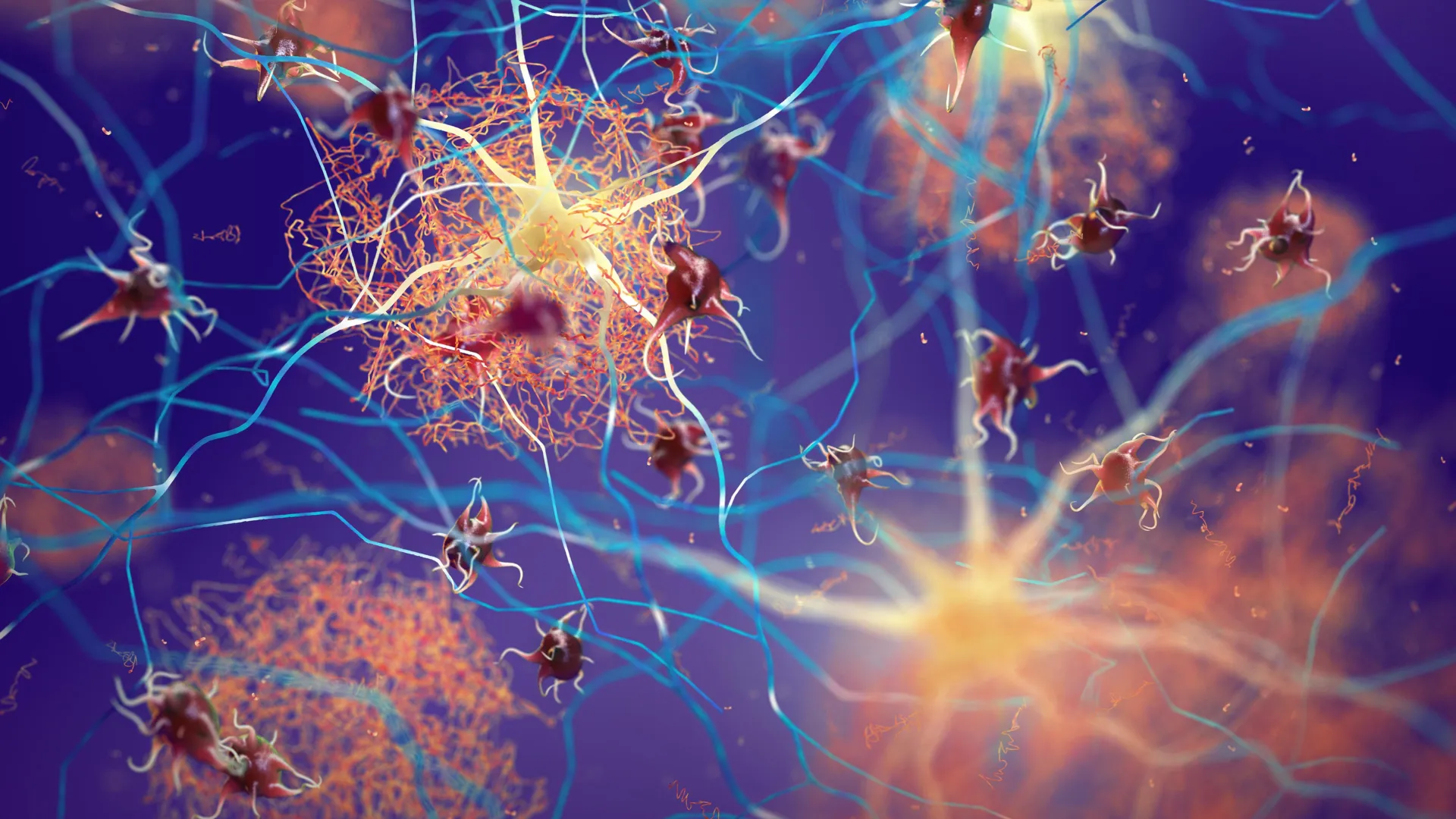
UCSF scientists have discovered how microglia engulf and break down amyloid beta, a protein that builds up in Alzheimer’s, with devastating consequences for the brain.
In Alzheimer’s disease, proteins like amyloid beta form clumps, known as plaques, that damage the brain.
But in some people, immune cells called microglia break down these proteins before they can cause harm. This leads to fewer and smaller clumps — and much milder symptoms.
Researchers at UC San Francisco identified a molecular receptor that enables microglia to gobble up and digest amyloid beta plaques.
Without the receptor, ADGRG1, the microglia barely nibbled on the toxic protein. Using a mouse model of Alzheimer’s disease, the researchers observed how the loss of ADGRG1 led to the rapid buildup of amyloid plaques, neurodegeneration, and problems with learning and memory.
“We think this receptor helps microglia do their job of keeping the brain healthy over many years,” said Xianhua Piao, MD, PhD, a physician-scientist in the UCSF Department of Pediatrics.
Indeed, when the researchers reanalyzed a prior study of gene expression in the human brain, they found that individuals who died of mild Alzheimer’s had microglia with abundant ADGRG1, and mild cognitive impairment — implying that the microglia ate well and kept the disease in check. But in those who died of severe Alzheimer’s, the microglia had very little ADGRG1, and the plaques proliferated.

ADGRG1 is one of hundreds of G protein-coupled receptors, which are routinely targeted in drug development. This bodes well for a rapid translation of the discovery into new therapies.
“Some people are lucky to have responsible microglia,” Piao said. “But this discovery creates an opportunity to develop drugs to make microglia effective against amyloid-beta in everyone.”
Authors: Other UCSF authors are Beika Zhu, PhD, Andi Wangzhou, PhD, Diankun Yu, PhD, Tao Li, PhD, Rachael Schmidt, Stacy L. De Florencio, Lauren Chao, RN, Alicia L. Thurber, Minqi Zhou, Zeina Msheik, PhD, Yonatan Perez, PhD, Lea T. Grinberg, MD, PhD, Salvatore Spina, MD, PhD, Richard M. Ransohoff, MD, Arnold R. Kriegstein, MD, PhD, William W. Seeley, MD, and Tomasz Nowakowski, PhD.
Funding: This work was funded in part by the National Institutes of Health (P01AG019724, P50AG023501, R01NS094164, R01NS108446, K99AG081694), the Consortium for Frontotemporal Dementia Research, the Tau Consortium, the Alzheimer’s Association (23AARG-NTF-1030341), the Cure Alzheimer’s Fund, and the BrightFocus foundation postdoctoral fellowship (A2021020F).

Read more →

Scientists just invented a safer non-stick coating—and it’s inspired by arrows

A new material developed by researchers from University of Toronto Engineering could offer a safer alternative to the non-stick chemicals commonly used in cookware and other applications.
The new substance repels both water and grease about as well as standard non-stick coatings — but it contains much lower amounts of per- and polyfluoroalkyl substances (PFAS), a family of chemicals that have raised environmental and health concerns.
“The research community has been trying to develop safer alternatives to PFAS for a long time,” says Professor Kevin Golovin, who heads the Durable Repellent Engineered Advanced Materials (DREAM) Laboratory at U of T Engineering.
“The challenge is that while it’s easy to create a substance that will repel water, it’s hard to make one that will also repel oil and grease to the same degree. Scientists had hit an upper limit to the performance of these alternative materials.”
Since its invention in the late 1930s, Teflon — also known as polytetrafluoroethylene or PTFE — has become famous for its ability to repel water, oil and grease alike. Teflon is part of a larger family of substances known as per- and polyfluoroalkyl substances (PFAS).
PFAS molecules are made of chains of carbon atoms, each of which is bonded to several fluorine atoms. The inertness of carbon-fluorine bonds is responsible for the non-stick properties of PFAS.
However, this chemical inertness also causes PFAS to resist the normal processes that would break down other organic molecules over time. For this reason, they are sometimes called ‘forever chemicals.’

In addition to their persistence, PFAS are known to accumulate in biological tissues, and their concentrations can become amplified as they travel up the food chain.
Various studies have linked exposure to high levels of PFAS to certain types of cancer, birth defects and other health problems, with the longer chain PFAS generally considered more harmful than the shorter ones.
Despite the risks, the lack of alternatives means that PFAS remain ubiquitous in consumer products: they are widely used not only in cookware, but also in rain-resistant fabrics, food packaging and even in makeup.
“The material we’ve been working with as an alternative to PFAS is called polydimethylsiloxane or PDMS,” says Golovin.
“PDMS is often sold under the name silicone, and depending on how it’s formulated, it can be very biocompatible — in fact it’s often used in devices that are meant to be implanted into the body. But until now, we couldn’t get PDMS to perform quite as well as PFAS.”
To overcome this problem, PhD student Samuel Au developed a new chemistry technique that the team is calling nanoscale fletching. The technique is described in a paper published in Nature Communications.

“Unlike typical silicone, we bond short chains of PDMS to a base material — you can think of them like bristles on a brush,” says Au.
“To improve their ability to repel oil, we have now added in the shortest possible PFAS molecule, consisting of a single carbon with three fluorines on it. We were able to bond about seven of those to the end of each PDMS bristle.
“If you were able to shrink down to the nanometer scale, it would look a bit like the feathers that you see around the back end of an arrow, where it notches to the bow. That’s called fletching, so this is nanoscale fletching.”
Au and the team coated their new material on a piece of fabric, then placed drops of various oils on it to see how well it could repel them. On a scale developed by the American Association of Textile Chemists and Colorists, the new coating achieved a grade of 6, placing it on par with many standard PFAS-based coatings.
“While we did use a PFAS molecule in this process, it is the shortest possible one and therefore does not bioaccumulate,” says Golovin.
“What we’ve seen in the literature, and even in the regulations, is that it’s the longest-chain PFAS that are getting banned first, with the shorter ones considered much less harmful. Our hybrid material provides the same performance as what had been achieved with long-chain PFAS, but with greatly reduced risk.”
Golovin says that the team is open to collaborating with manufacturers of non-stick coatings who might wish to scale up and commercialize the process. In the meantime, they will continue working on even more alternatives.
“The holy grail of this field would be a substance that outperforms Teflon, but with no PFAS at all,” says Golovin.
“We’re not quite there yet, but this is an important step in the right direction.”

Read more →

Is the air you breathe silently fueling dementia? A 29-million-person study says yes

An analysis of studies incorporating data from almost 30 million people has highlighted the role that air pollution – including that coming from car exhaust emissions – plays in increased risk of dementia.
Dementias such as Alzheimer’s disease are estimated to affect more than 57.4 million people worldwide, a number that is expected to almost triple to 152.8 million cases by 2050. The impacts on the individuals, families and caregivers and society at large are immense.
While there are some indications that the prevalence of dementia is decreasing in Europe and North America, suggesting that it may be possible to reduce the risk of the disease at a population level, elsewhere the picture is less promising.
Air pollution has recently been identified as a risk factor for dementia, with several studies pointing the finger at a number of pollutants. However, the strength of evidence and ability to determine a causal effect has been varied.
In a paper published on July 24 in The Lancet Planetary Health, a team led by researchers at the Medical Research Council (MRC) Epidemiology Unit, University of Cambridge, carried out a systematic review and meta-analysis of existing scientific literature to examine this link further. This approach allowed them to bring together studies that on their own may not provide sufficient evidence, and which sometimes disagree with each other, to provide more robust overarching conclusions.
In total, the researchers included 51 studies, including data from more than 29 million participants, mostly from high-income countries. Of these, 34 papers were included in the meta-analysis: 15 originated in North America, 10 in Europe, seven in Asia, and two in Australia.
The researchers found a positive and statistically-significant association between three types of air pollutant and dementia. These were: Particulate matter with a diameter of 2.5 microns or less (PM2.5), a pollutant made up of tiny particles small enough that they can be inhaled deep into the lungs. These particles come from several sources, including vehicle emissions, power plants, industrial processes, wood burning stoves and fireplaces, and construction dust. They also form in the atmosphere because of complex chemical reactions involving other pollutants such as sulphur dioxide and nitrogen oxides. The particles can stay in the air for a long time and travel a long way from where they were produced. Nitrogen dioxide (NO2), one of the key pollutants that arise from burning fossil fuels. It is found in vehicle exhaust, especially diesel exhaust, and industrial emissions, as well as those from gas stoves and heaters. Exposure to high concentrations of nitrogen dioxide can irritate the respiratory system, worsening and inducing conditions like asthma and reducing lung function. Soot, from sources such as vehicle exhaust emissions and burning wood. It can trap heat and affect the climate. When inhaled, it can penetrate deep into the lungs, aggravating respiratory diseases and increasing the risk of heart problems.According to the researchers, for every 10 micrograms per cubic meter (μg/m³) of PM2.5, an individual’s relative risk of dementia would increase by 17%. The average roadside measurement for PM2.5 in Central London in 2023 was 10 μg/m³.

For every 10 μg/m3 of NO2, the relative risk increased by 3%. The average roadside measurement for NO2 in Central London in 2023 was 33 µg/m³.
For each 1 μg/m³ of soot as found in PM2.5, the relative risk increased by 13%. Across the UK, annual mean soot concentrations measured at select roadside locations in 2023 were 0.93 μg/m³ in London, 1.51 μg/m³ in Birmingham and 0.65 μg/m³ Glasgow.
Senior author Dr Haneen Khreis from the MRC Epidemiology Unit said: “Epidemiological evidence plays a crucial role in allowing us to determine whether or not air pollution increases the risk of dementia and by how much. Our work provides further evidence to support the observation that long-term exposure to outdoor air pollution is a risk factor for the onset of dementia in previously healthy adults.
“Tackling air pollution can deliver long-term health, social, climate, and economic benefits. It can reduce the immense burden on patients, families, and caregivers, while easing pressure on overstretched healthcare systems.”
Several mechanisms have been proposed to explain how air pollution may cause dementia, primarily involving inflammation in the brain and oxidative stress (a chemical process in the body that can cause damage to cells, proteins, and DNA). Both oxidative stress and inflammation play a well-established role in the onset and progression of dementia. Air pollution is thought to trigger these processes through direct entry to the brain or via the same mechanisms underlying lung and cardiovascular diseases. Air pollution can also enter circulation from the lungs and travel to solid organs, initiating local and wide-spread inflammation.
The researchers point out that the majority of people included in the published studies were white and living in high-income countries, even though marginalised groups tend to have a higher exposure to air pollution. Given that studies have suggested that reducing air pollution exposure appears to be more beneficial at reducing the risk of early death for marginalised groups, they call for future work to urgently ensure better and more adequate representation across ethnicities and low- and middle-income countries and communities.

Joint first author Clare Rogowski, also from the MRC Epidemiology Unit, said: “Efforts to reduce exposure to these key pollutants are likely to help reduce the burden of dementia on society. Stricter limits for several pollutants are likely to be necessary targeting major contributors such as the transport and industry sectors. Given the extent of air pollution, there is an urgent need for regional, national, and international policy interventions to combat air pollution equitably.”
Further analysis revealed that while exposure to these pollutants increased the risk of Alzheimer’s disease, the effect seemed stronger for vascular dementia, a type of dementia caused by reduced blood flow to the brain. Around 180,000 people in the UK are thought to be affected by this type of dementia. However, as there were only a small number of studies that examined this difference, the researchers did not class it as statistically significant.
Joint first author Dr Christiaan Bredell from the University of Cambridge and North West Anglia NHS Foundation Trust said: “These findings underscore the need for an interdisciplinary approach to dementia prevention. Preventing dementia is not just the responsibility of healthcare: this study strengthens the case that urban planning, transport policy, and environmental regulation all have a significant role to play.”
The research was funded by the European Research Council under the Horizon 2020 research and innovation program and from the European Union’s Horizon Europe Framework Programme.

Read more →